Averni Pufferfish (Dwarf Pufferfish) Care Guide | The Charm of the Tiniest Fugu
A guide to caring for Averni Pufferfish. Introduces feed types, mixed-tank considerations, individual personality differences, and breeding methods.
Key Takeaways
A guide to caring for Averni Pufferfish. Introduces feed types, mixed-tank considerations, individual personality differences, and breeding methods.
Related Species
What is the Averni Pufferfish (Dwarf Pufferfish)? The Charm of the World's Smallest Freshwater Pufferfish
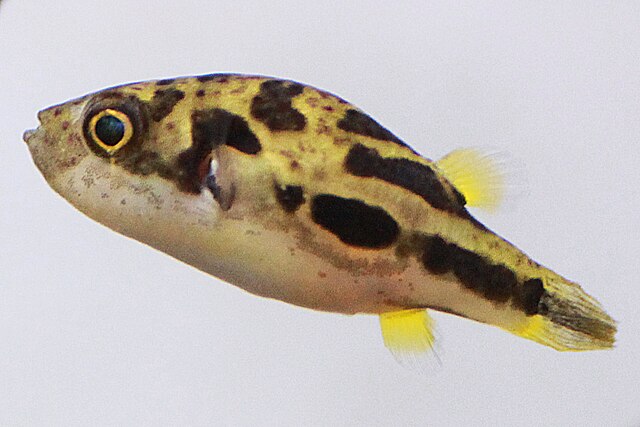
The Averni Pufferfish (scientific name: Carinotetraodon travancoricus) is the world's smallest freshwater pufferfish, native to Kerala in southwestern India. Even as adults, they reach only 2–2.5 cm in body length, and due to their adorable appearance, they are also called "Dwarf Pufferfish" or "Pygmy Pufferfish."
Their yellowish-green body adorned with black spots, large round eyes, and distinctively puffy shape create an unforgettable impression at first sight. Their swimming style is equally unique—they hover through the water by moving their pectoral, dorsal, and ventral fins in delicate motions, resembling tiny little spacecraft. Every moment in front of the tank offers entertainment, making them a fish well worth observing.
However, beneath their adorable exterior lies a "strong personality" and "unique care requirements." As is true for pufferfish in general, Averni Pufferfish require a certain amount of knowledge and effort to keep. This guide provides a clear and detailed explanation of the key points for caring for them, even for those keeping Averni Pufferfish for the first time.
Setting Up the Right Environment | Tank Size and Water Quality Management
Tank Size
For a single fish, a 15–20 L tank can work, but 30 L or more is recommended if you plan to keep two or more or want a long-term stable environment. The larger the water volume, the more stable the water quality, and the less stress on the fish.
It's important to create many hiding spots using aquatic plants, driftwood, and rocks. Averni Pufferfish have strong territorial instincts, and having places to hide relieves stress. Plants like Anacharis, Cabomba, and Willow Moss are good choices as they grow densely and also serve as spawning sites.
Water Quality Parameters
| Parameter | Ideal Range |
|---|---|
| Temperature | 24–28°C |
| pH | 7.0–8.0 |
| Hardness (GH) | 5–15 |
| Water Flow | Gentle |
Gentle water flow is ideal, as strong currents cause stress. Consider pointing the filter outlet toward a wall or using a sponge filter. Perform water changes once a week, replacing about one-third of the total volume, and avoid sudden changes in water quality—this is key to long-term care.
Feeding | Tips to Encourage Feeding and Teeth Management
The most critical aspect of Averni Pufferfish care is feeding. Pufferfish in general have poor appetite for artificial foods and require live food or frozen food as their main diet.
Recommended Foods
- Frozen bloodworms: The most eagerly consumed, making them ideal as a staple. Watch for water quality deterioration from overfeeding and remove uneaten portions immediately.
- Frozen brine shrimp: Nutritionally balanced and ideal when combined with bloodworms.
- Live snails (ramshorn or mystery snails): Offering live snails encourages natural predatory behavior.
- Frozen krill (small shrimp): Some individuals will eat them while others won't, so try and observe.
Acclimating to Artificial Food
With patience, some individuals will accept artificial food. A gradual approach works: offer small amounts of krill or vitamin-rich pellets when the fish is hungry, and slowly increase the amount if they eat. However, don't force feed those that refuse—stick with frozen or live food instead.
Watch for Overgrown Teeth
Pufferfish teeth continue to grow throughout their lives, and if neglected, their mouths won't close and they won't be able to eat. To prevent this, regularly offer hard-shelled snails. Placing ramshorn snails or mudsnails in the tank allows the pufferfish to naturally crunch them, wearing down their teeth. If teeth do become overgrown, careful trimming with nail clippers or small scissors may be necessary, so prevention is key.
Tank Mates and Stocking | Getting Along with the Tiny "Troublemaker"
Though small in size, Averni Pufferfish have aggressive temperaments and may attack other fish and creatures. Keep these points in mind when considering tank mates.
Incompatible Tank Mates and Cautions
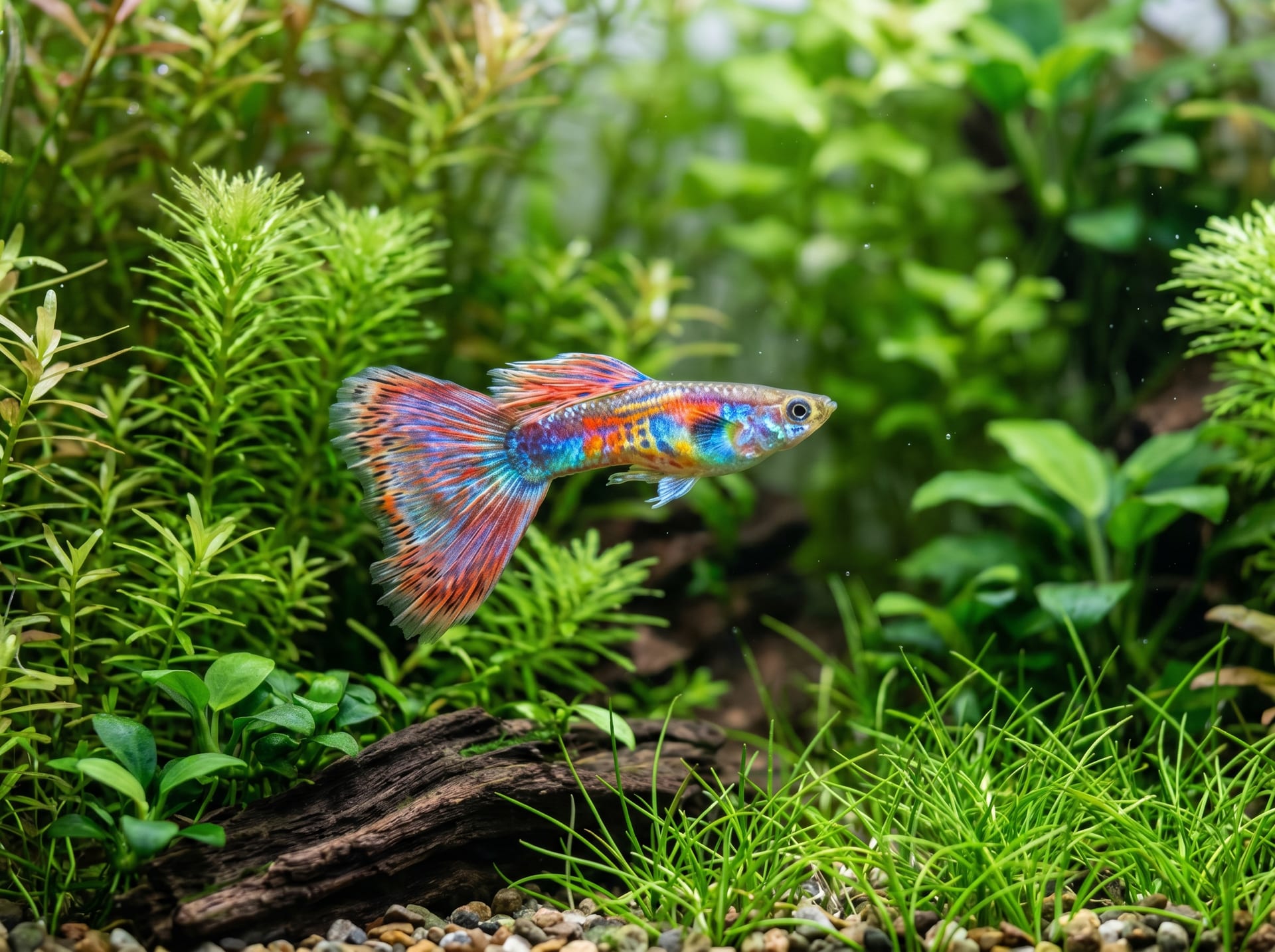
- Fish with long fins (guppies, bettas, etc.): They tend to nip fins and can easily injure these fish.
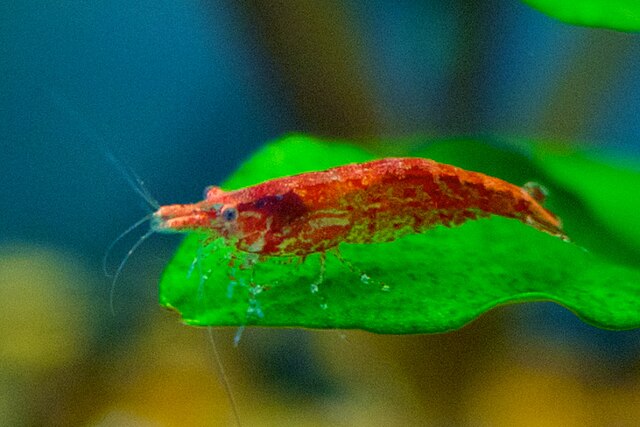
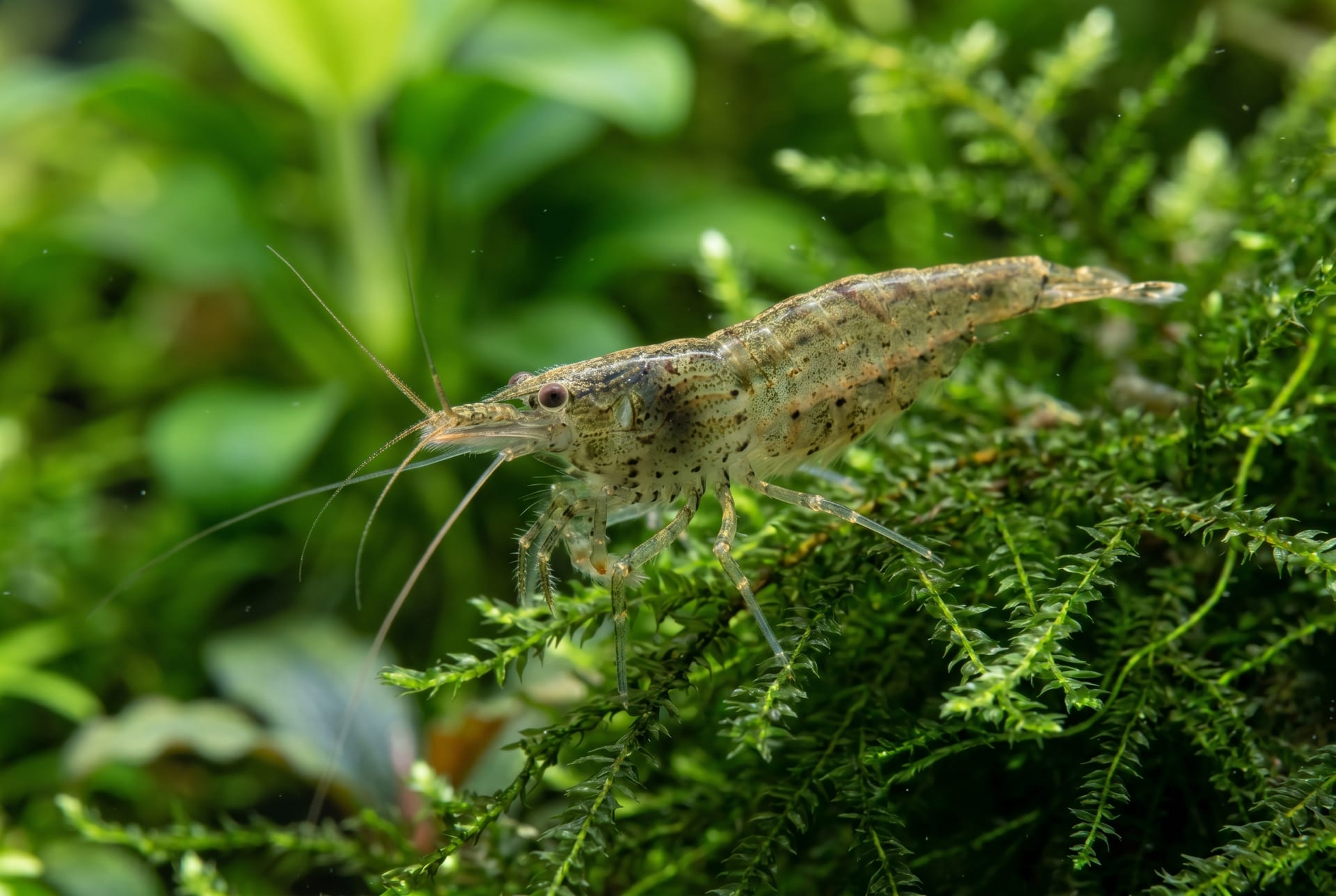
- Shrimp (Amano shrimp, cherry shrimp, etc.): They become prey. It's safest to consider mixing with them impossible.
- Small snails: They will be eaten as food.
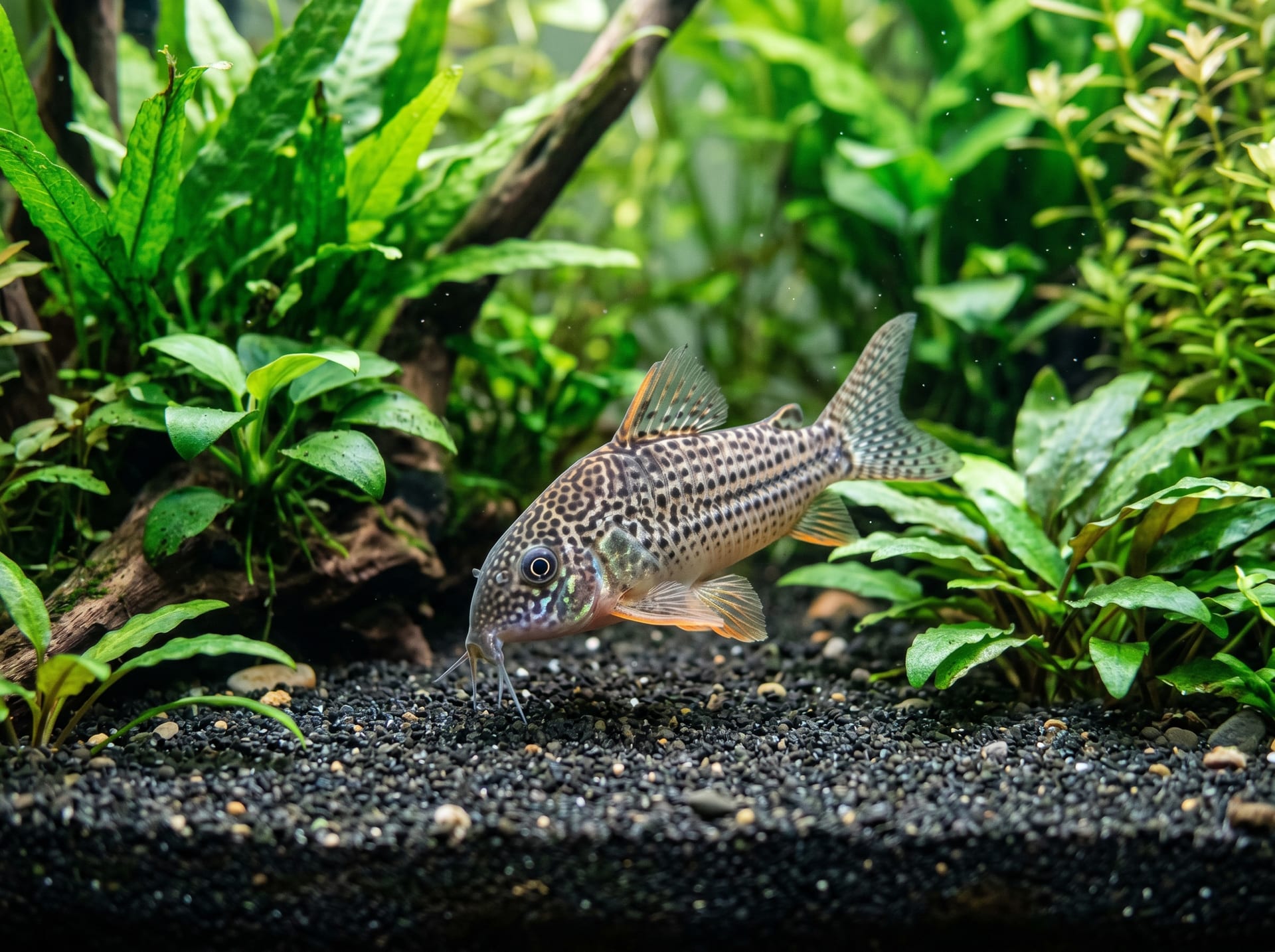
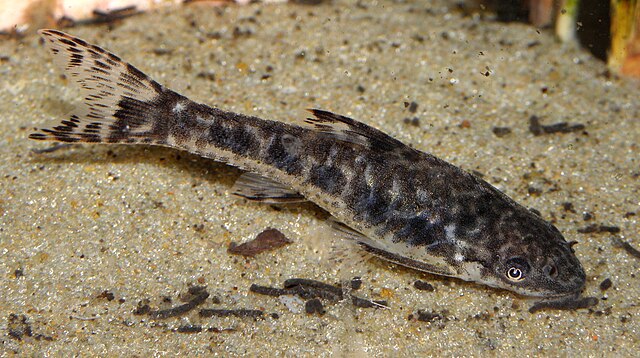
Peaceful bottom-dwellers like Corydoras or Otocinclus may coexist if conditions are right: a spacious tank, plenty of hiding spots, and multiple individuals to dilute aggression. However, this is only if they're compatible—ultimately, solitary or same-species keeping is the safest choice.
Tips for Multi-Species Same-Species Keeping
Multiple same-species individuals can coexist, but males may fight over territory. It's important to keep one male with multiple females, or provide plenty of hiding spots to block sightlines. When adding new individuals, observe them in an isolation container first before introducing them to the main tank to prevent problems.
Attempting Breeding | Enjoy Your Inner Breeder
Averni Pufferfish are relatively easy to breed in a home aquarium. Under the right conditions, they may spawn naturally.
Distinguishing Males from Females
- Males: Darker body coloration with dark vertical lines (wrinkle-like patterns) behind the eyes. Colors become more vibrant during spawning season.
- Females: Lighter body coloration with a more rounded belly.
Spawning and Fry Rearing
In a densely planted environment, males will chase females and deposit tiny (about 1 mm diameter) eggs among plant roots and leaves. The eggs hatch in 5–7 days, but there's a risk of the parents eating them, so it's safer to move the eggs to a separate container.
Hatchlings are extremely tiny and require microscopic live foods such as infusoria initially. Carefully manage them for 1–2 weeks until they're large enough to eat brine shrimp nauplii.
The BreederDirect Assurance | Safe and Secure
When acquiring an Averni Pufferfish, it's especially important to confirm their feeding status. Knowing whether they're eating frozen bloodworms and live food well, or if they've begun accepting artificial food, is crucial before purchase.
At BreederDirect, breeders sell healthy individuals they've personally raised directly. By bypassing shops, you can ask breeders directly about feeding status, rearing conditions, and individual personality. The greatest advantage is getting answers about specific questions like "Does this fish eat artificial food?" or "Can this one live with tank mates?" straight from the breeder who raised them.
To minimize transport stress, you can coordinate packaging and shipping schedules directly with the breeder. Even first-time Averni Pufferfish keepers can select with confidence at BreederDirect. Find your perfect fish today.