Source: Wikimedia Commons
Tokara Goat
IntermediateCapra hircus
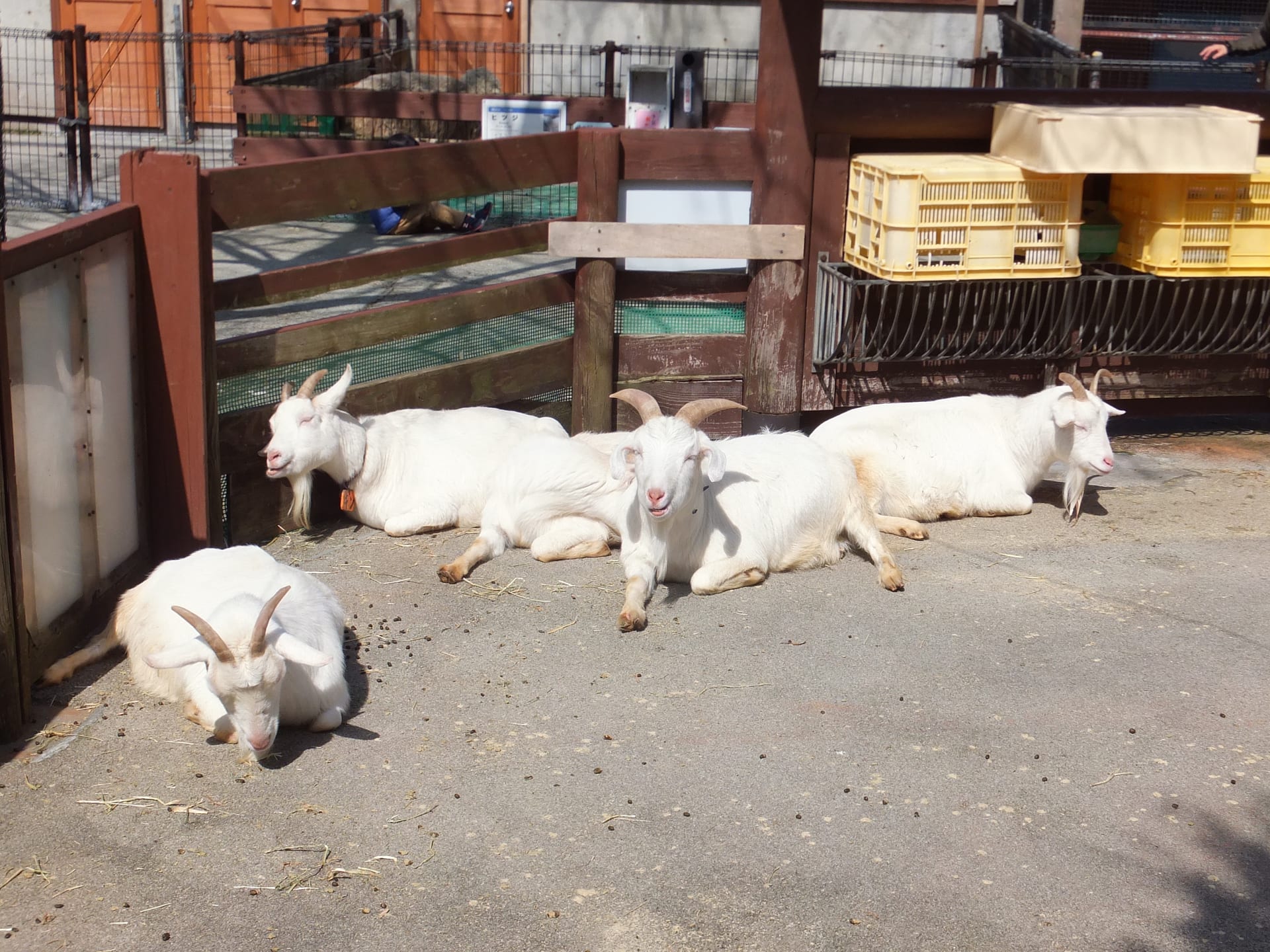
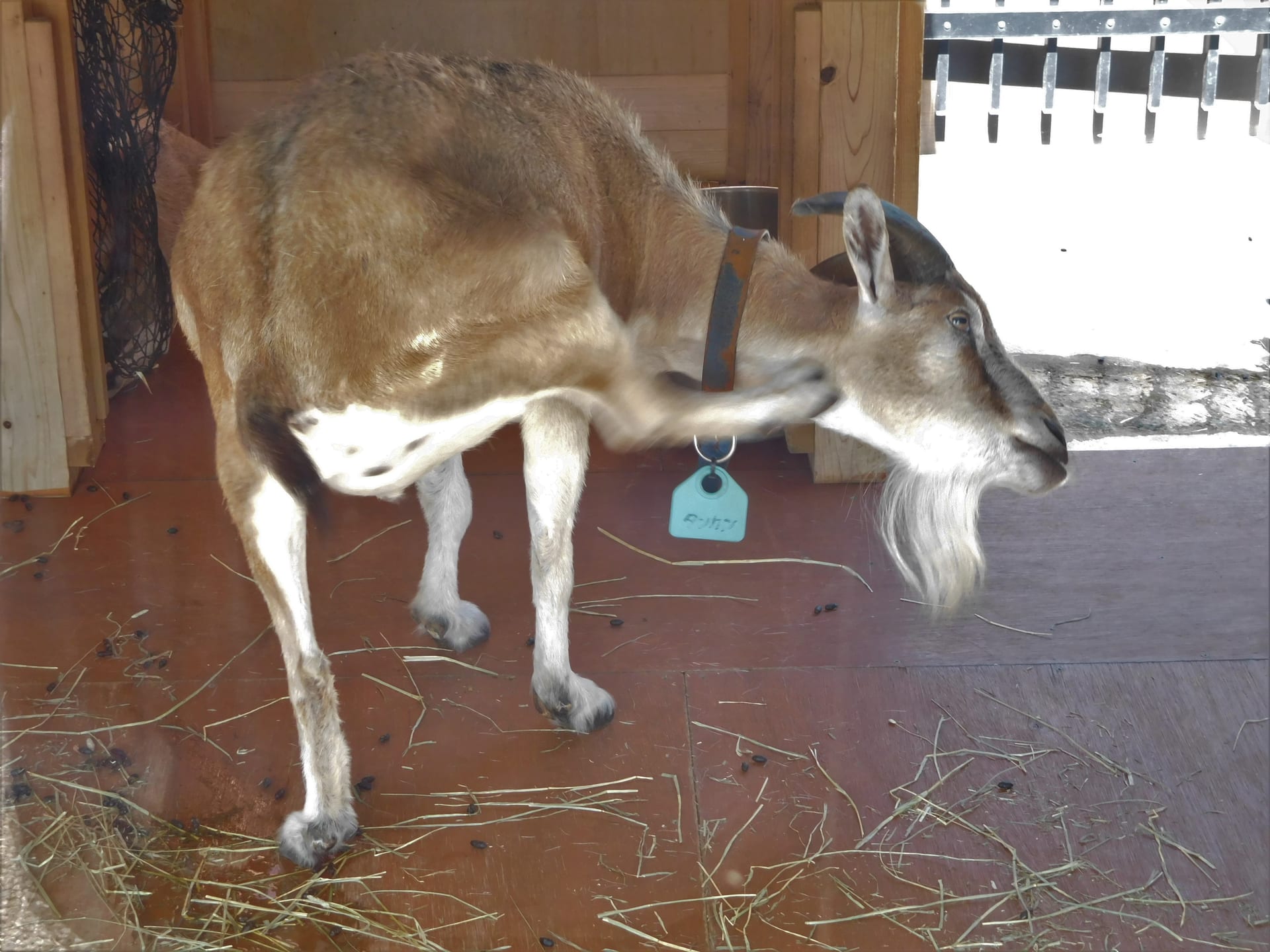
A small native Japanese goat from the Tokara and Amami islands. Light brown or white with brown patches, horned in both sexes, hardy and breeding year-round. A few animals are available through farms and preservation groups.
Difficulty
Intermediate
Temperature
18〜26℃
Lifespan
10-15 years (goats in general)
Size
20-35kg
Humidity
40〜60%
Diet
Grass hay, fresh grass, browse, small amounts of concentrate feed, mineral salt
About
The Tokara goat is a small native Japanese goat kept on the Tokara and Amami islands of Kagoshima Prefecture and classed as a native breed in Japanese agricultural records. It is considered the same lineage as the native-type goats of Taiwan's east coast and the Philippine islands, thought to have arrived island by island from the south. The coat is light brown, or white with brown patches; both sexes are horned and it lacks wattles. It shows strong parasite resistance, is said to be little affected by lumbar paralysis, matures early and can breed year-round, hardiness typical of a native breed. A feral population is known on Nakanoshima in the Tokara Islands, and the breed is tied to Amami food culture. Goats are herd animals and one kept alone bleats constantly from loneliness, so keeping several is recommended. They eat hay and browse readily, but modern paper cannot be digested and causes intestinal blockage. As even-toed ungulates goats are subject to import quarantine under the Act on Domestic Animal Infectious Diseases Control and are treated as livestock in Japan. Only a few animals are transferred through farms and preservation societies, for weed control or as companions.
Source: Wikipedia (CC BY-SA 4.0)
Lifespan of the Tokara Goat
The Tokara Goat lives 10-15 years (goats in general).
Average goat lifespan is 10-15 years.
Size of the Tokara Goat
The Tokara Goat grows to 20-35kg.
One source gives a body weight of about 20-35 kg while another states adult females weigh 20 kg or less; either way it is among the smallest goats in Japan.
Basic Info
Origin
Japan (Tokara Islands and Amami Islands, Kagoshima Prefecture)
Care Specifications
References & Sources
Edited & verified by: BreederDirect editorial team
The taxonomic, regulatory, and husbandry data on this page are compiled and verified against the authoritative primary sources below.
Taxonomy & Authority
Accepted name: Capra hircus Linnaeus, 1758
Synonyms: Capra aegagrus hircus
Authority databases: GBIF
Nomenclature follows global taxonomic authority databases.
Regulations & Conservation Status
Not CITES-listed
Domestic law: 家畜伝染病予防法: 偶蹄類として輸入検疫対象(農林水産省動物検疫所)。
CITES lists the domestic goat (Capra hircus) in Appendix III at Pakistan's request (effective 10 October 2014), but the listing carries the annotation "Specimens of the domesticated form are not subject to the provisions of the Convention", so this domesticated breed is exempt. As a cloven-hoofed animal it is subject to import quarantine under Japan's Act on Domestic Animal Infectious Diseases Control.
Sources: CITES Appendices (domestic goat not listed) / MAFF Animal Quarantine Service (animals subject to livestock disease quarantine)
Regulations may change. Always verify the latest information with the relevant authorities.
Tokara Goat Listings
Loading latest listingsFind listings for this species