Source: Wikimedia Commons
Shiba Goat
IntermediateCapra hircus
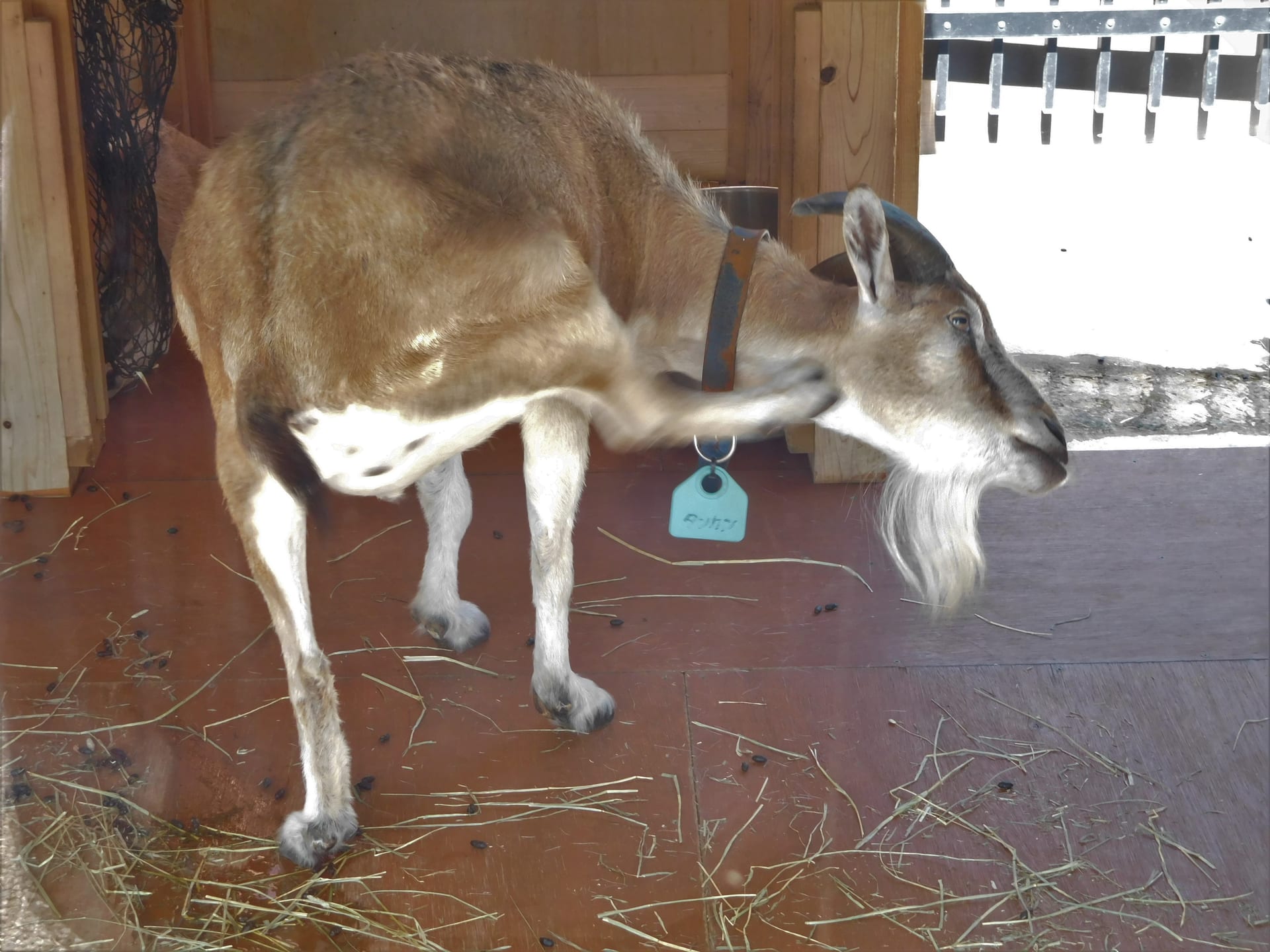
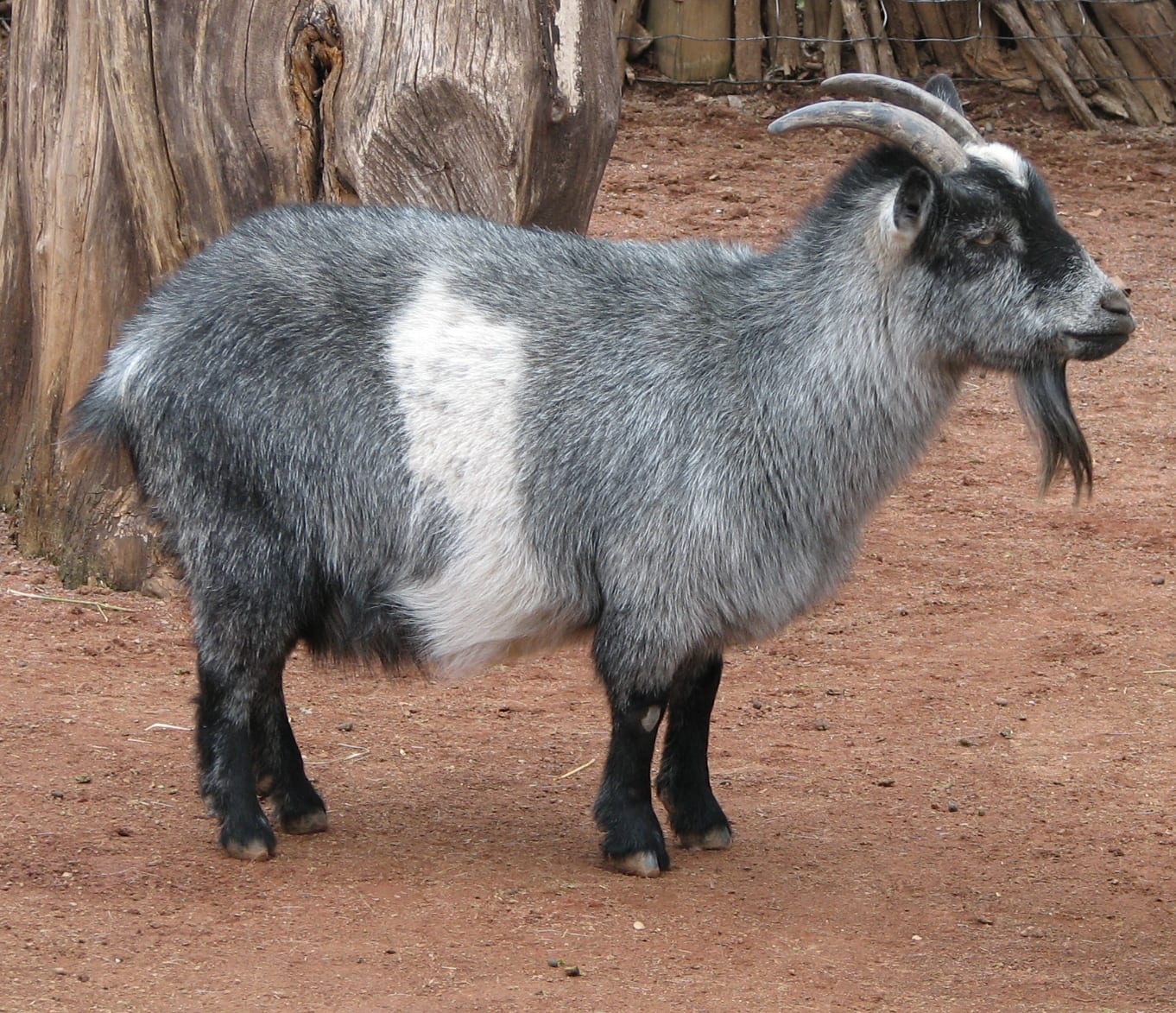
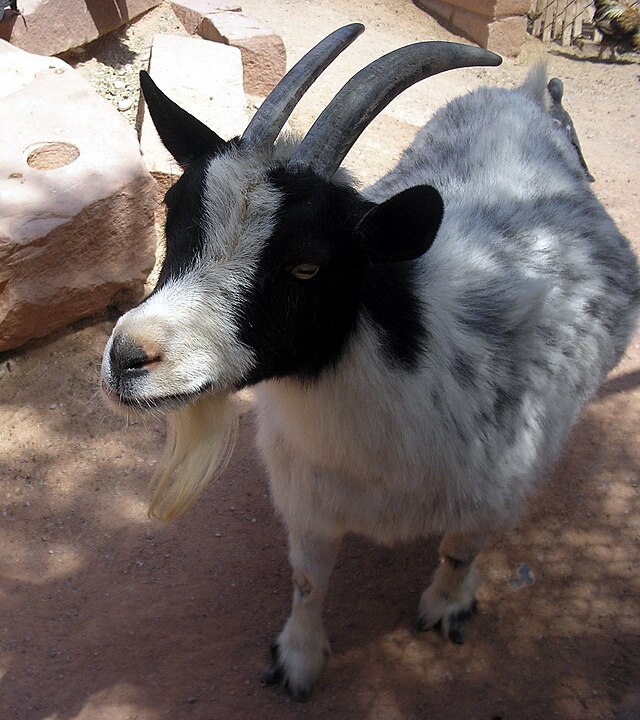
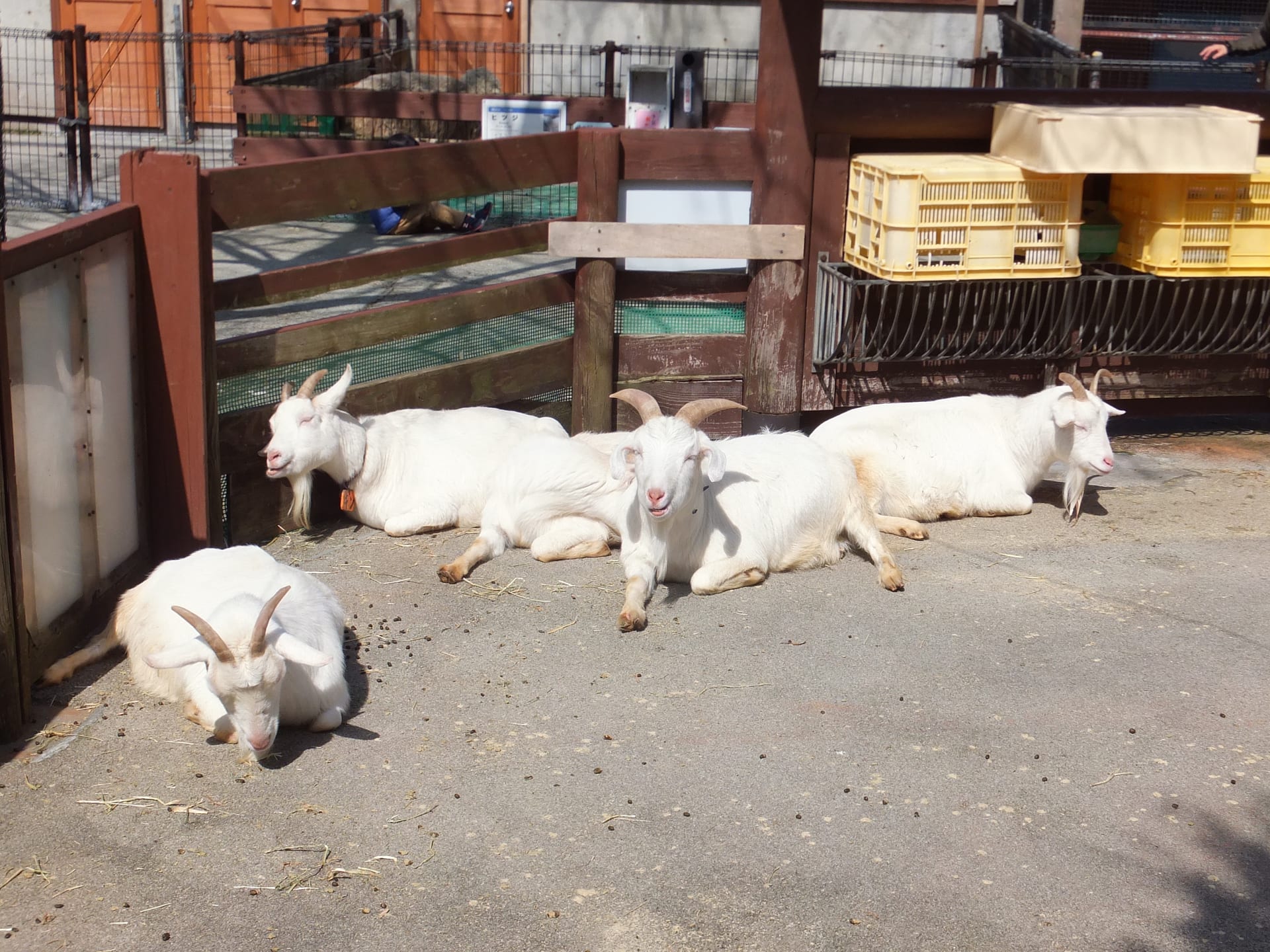
A native Japanese dwarf goat from the Nishi-Sonogi Peninsula and Goto Islands of Nagasaki. About 50 cm tall and 20-25 kg, white-coated with horns in both sexes. Non-seasonal, prolific and docile, it is distributed from farms as a laboratory and pet animal.
Difficulty
Intermediate
Temperature
18〜26℃
Lifespan
15-18 years (goats in general)
Size
About 50cm at the withers, 20-25kg
Humidity
40〜60%
Diet
Hay, browse and leaves, small amounts of concentrate feed
About
The Shiba goat is a native Japanese dwarf goat long raised for meat around the Nishi-Sonogi Peninsula and Goto Islands of Nagasaki Prefecture. It is very small, about 50 cm at the withers and 20-25 kg, with a mainly white coat that occasionally shows chinchilla hair, a scattering of brown or black guard hairs. Both sexes are horned and it lacks wattles. It breeds year-round regardless of season, matures early at about seven months and is prolific, with a gestation of about five months and litters of 1-3 kids. Docile, resistant to parasites and to cerebrospinal nematodiasis (lumbar paralysis), and tolerant of poor feed, it is easy to keep. These traits led to its maintenance as a laboratory animal in medical and veterinary research, and in recent years farms have also supplied it as a pet and for weed control. Crossbreeding with introduced breeds such as the Saanen since the Meiji era has left few genetically pure native animals. Goats are livestock under the Act on Domestic Animal Infectious Diseases Control, so even pet keepers must follow the hygiene management standards and file an annual report.
Source: Wikipedia (CC BY-SA 4.0)
Lifespan of the Shiba Goat
The Shiba Goat lives 15-18 years (goats in general).
Size of the Shiba Goat
The Shiba Goat grows to About 50cm at the withers, 20-25kg.
Basic Info
Origin
Japan (Nishi-Sonogi Peninsula and Goto Islands, Nagasaki)
Lifespan
15-18 years (goats in general)
Size
Care Specifications
References & Sources
Edited & verified by: BreederDirect editorial team
The taxonomic, regulatory, and husbandry data on this page are compiled and verified against the authoritative primary sources below.
Taxonomy & Authority
Accepted name: Capra hircus Linnaeus, 1758
Authority databases: GBIF
Nomenclature follows global taxonomic authority databases.
Regulations & Conservation Status
Not CITES-listed
Domestic law: 家畜伝染病予防法の家畜(山羊)に該当。愛玩目的でも飼養衛生管理基準の遵守と、毎年の飼養頭数・衛生状況の定期報告(都道府県宛)が義務。
CITES lists the domestic goat (Capra hircus) in Appendix III at Pakistan's request (effective 10 October 2014), but the listing carries the annotation "Specimens of the domesticated form are not subject to the provisions of the Convention", so this domesticated breed is exempt. As a cloven-hoofed animal it is subject to import quarantine under Japan's Act on Domestic Animal Infectious Diseases Control.
Sources: CITES Appendices (species not listed) / MAFF Livestock Hygiene Management Standards
Regulations may change. Always verify the latest information with the relevant authorities.
Shiba Goat Listings
Loading latest listingsFind listings for this species