Shiba Inu Care Guide | Training, Shedding Season, and Exercise Needs
Comprehensive guide to raising Shiba Inus, Japan's representative dog breed. Learn training methods suited to their independent nature, brushing strategies for their heavy spring and fall shedding periods, and daily exercise guidelines and stress relief techniques.
Key Takeaways
Comprehensive guide to raising Shiba Inus, Japan's representative dog breed. Learn training methods suited to their independent nature, brushing strategies for their heavy spring and fall shedding periods, and daily exercise guidelines and stress relief techniques.
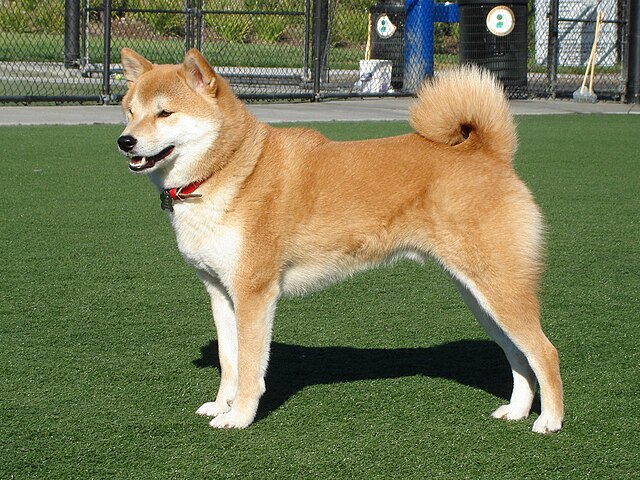
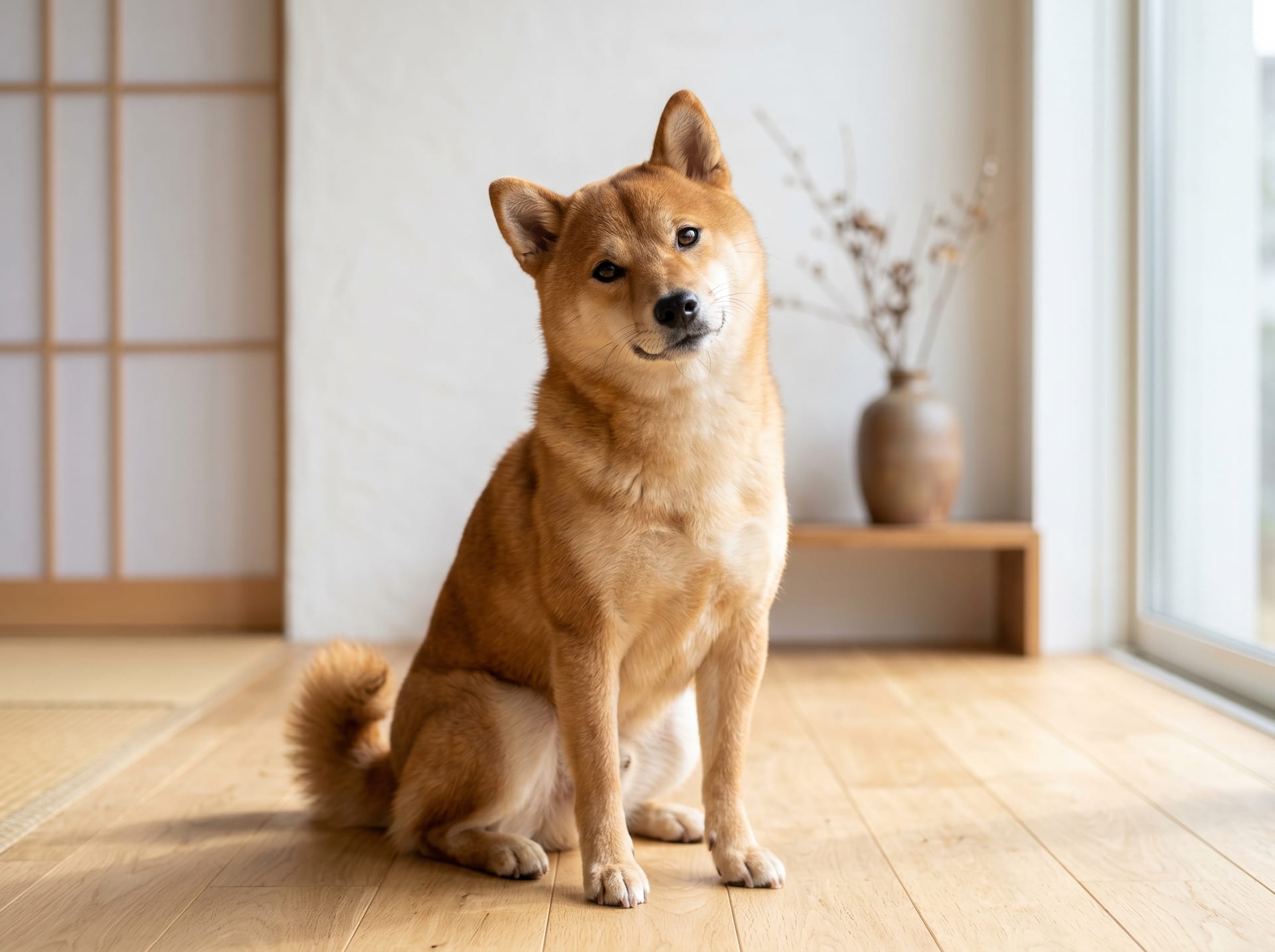
The Shiba Inu is Japan's indigenous dog breed with a history of living alongside humans since the Jomon period. With their sharp facial features, curled tail, and triangular ears creating a dignified appearance, combined with their unwavering loyalty to their owners, they have earned enduring popularity both domestically and internationally. Abroad, they have become a social media sensation under the name "Shiba Inu" and are recognized worldwide as Japan's representative dog breed.
✍️
BreederDirect Editorial
The BreederDirect editorial team specializes in care information for animals, covering veterinary care and breeding to deliver beginner-friendly guides.
Find Dogs on BreederDirect
Buy directly from verified breeders
Browse Related Listings
Find Dogs listings related to this article on BreederDirect. Buy directly from verified breeders.
On the other hand, Shiba Inus have a strong independent streak and can be stubborn. First-time dog owners may find them more challenging than expected. However, when you properly understand their nature and provide appropriate care and training, they become the finest partners, capable of building deep trust over many years. This guide provides detailed explanations of key points to know when welcoming a Shiba Inu, including training, shedding seasons, exercise needs, and health management.
Shiba Inu Basic Profile and Temperament
Let's first understand the basic information about Shiba Inus.
Weight: Males 7–11 kg / Females 6–9 kg
Height: Males 38–41 cm / Females 35–38 cm
Lifespan: 12–15 years (some individuals live to 17 years or longer)
Temperament: Loyal, independent-minded, intelligent, alert, and territorial
Exercise Needs: High (ideally 30–60 minutes of walking, twice daily)
Shiba Inus are often described as "cat-like dogs" when characterizing their temperament in a word. Rather than the clingy type, they prefer to stay near their owners while maintaining their own pace. They are cautious with strangers and unfamiliar dogs, sometimes barking in alert, but show deep affection to those they trust. Because of their strong independence, training requires patience and consistency.
Shiba Inus also come in three color variations: red (Red), black and tan (Black & Tan), and white/cream (Cream), each with its own distinctive appearance.
Training Basics and Tips
Ideally, training a Shiba Inu should begin during the puppy stage (3–6 months old). This period is called the "socialization period," offering an ideal window to familiarize puppies with human society through various experiences.
Basic Training Philosophy
Because Shiba Inus are intelligent, they tend to make their own decisions. Building a foundation of trust through repeated experiences of "listening to this person leads to good things" is the first step in establishing a strong relationship.
Use praise-based training exclusively: Rather than scolding, enthusiastically praise and reward with treats and verbal encouragement when they succeed. Shiba Inus tend to resist correction, making positive reinforcement more effective.
Maintain consistency: It's crucial that all family members apply the same rules. Responding with "OK today, not OK tomorrow" creates confusion.
Short, frequent training sessions: Multiple 5–10 minute sessions per day are more effective than longer practice periods.
Points Requiring Special Attention
Pulling on the leash: Address pulling during walks early. Repeatedly stopping or changing direction when they pull will improve this behavior.
Excessive barking: While alert barking is a Shiba Inu's instinct, responding to them while they bark teaches them that "barking gets attention." Teach the "quiet" command when they settle down.
Mouthing/soft biting: Always correct soft biting during puppyhood. Immediately stop playtime if their teeth touch and redirect to appropriate chew toys.
Shedding Season Care and Coat Management
Shiba Inus have a "double coat." Their fur consists of a soft undercoat close to the skin and a harder outer topcoat, creating a double layer structure that causes heavy shedding during shedding seasons.
Shedding Season Schedule
Spring shedding (March–May): Transition from winter to summer coat. Heavy undercoat shedding occurs.
Fall shedding (September–November): Transition from summer to winter coat. Significant shedding occurs again.
Be prepared: during shedding season, hair will literally be everywhere in your home. Hair on clothing, sofas, and carpets is unavoidable.
Brushing Methods
Regular periods: Brush 2–3 times weekly using a slicker brush and comb
Shedding season: Daily brushing is ideal. Make use of undercoat rakes or Furminator-type tools to efficiently remove the undercoat
Bathing: Bathe approximately once monthly. During shedding season, thorough blow-drying before and after shampooing makes hair removal much easier
To manage shedding indoors, we recommend running a robotic vacuum daily and placing lint rollers throughout your home. Additionally, scheduling professional grooming—shampooing and blow-drying—at a grooming salon before and after shedding season makes hair cleanup significantly easier.
Ensuring Adequate Exercise and Playtime
Shiba Inus were originally hunting dogs active in mountainous regions. As a legacy of this heritage, modern Shiba Inus require substantial exercise. Insufficient exercise creates a breeding ground for problem behaviors such as excessive barking, destructive behavior, and separation anxiety, making daily exercise essential.
Ideal Exercise Plan
Walking: Aim for two walks daily, 30–60 minutes each. Beyond simply walking, allowing time for scent exploration is important for providing mental stimulation.
Dog park visits: Ideally visit 1–2 times weekly. An environment where they can run freely off-leash is highly effective for stress relief.
Ball and frisbee play: Actively incorporate high-intensity games.
Puzzle toys: Using toys that engage the mind as well as the body provides satisfaction even in shorter periods. Kongs and nosework mats are recommended.
On days with poor weather, provide mental stimulation through indoor training (practicing "sit," "down," "stay," etc.) and puzzle toys.
Health Management and Common Health Concerns
While Shiba Inus are relatively hardy, there are certain illnesses to which they are prone and health concerns to watch for.
Allergic dermatitis: Itching and redness may occur due to food allergies or environmental allergens. Choose food carefully.
Otitis externa: Watch for signs such as redness inside the ear, head shaking, and ear scratching. Monthly ear cleaning helps prevent infection.
Hip dysplasia: More common in large breeds but cases occur in Shiba Inus. Avoid rapid weight gain and maintain appropriate exercise.
Regular Care Guidelines
Care Item
Frequency
Combination vaccine
Once yearly
Heartworm prevention
May–November (monthly)
Flea and tick prevention
Monthly year-round
Health checkup
1–2 times yearly (senior stage: 2+ times yearly)
Teeth brushing
3+ times weekly (ideal)
During the senior stage (age 8 and beyond), the risk of heart disease, kidney disease, and arthritis increases. Increase the frequency of regular checkups and focus on early detection and treatment.
BreederDirect's Assurance and Safety Framework
When welcoming a Shiba Inu, purchasing directly from a breeder is most recommended for reliability. BreederDirect is a platform that directly connects quality breeders with prospective owners.
Direct breeder transactions: By bypassing pet shops, you can directly confirm the temperament of parent dogs, their living conditions, and health status.
Diverse color options: Find breeders specializing in your desired color or lineage, whether red, black and tan, or cream.
Transparent information disclosure: Confirm important details in advance, including vaccination history, health examination results, and pedigree documentation.
Payment after seeing the puppy: Under animal welfare law, in-person confirmation and explanation are mandatory before transfer. You can meet the puppy in person, confirm their condition, and make payment afterwards.
A life with a Shiba Inu grows into an irreplaceable bond through consistent training and daily care. Preparing thoroughly before bringing one home and selecting a healthy puppy from a trustworthy breeder is the first step to a happy Shiba Inu life.