Source: Wikimedia Commons
Spiny Ant
AdvancedPolyrhachis lamellidens
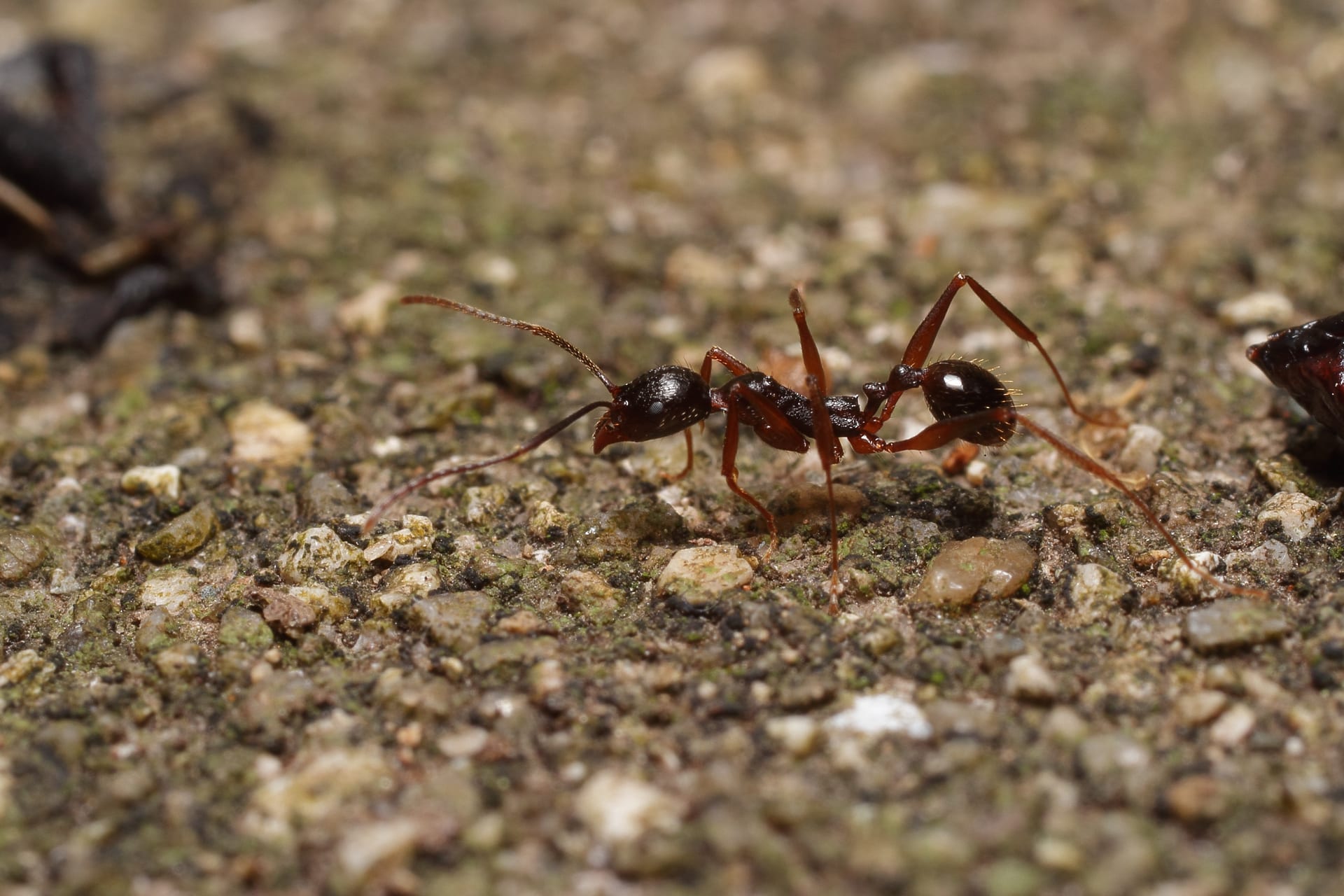
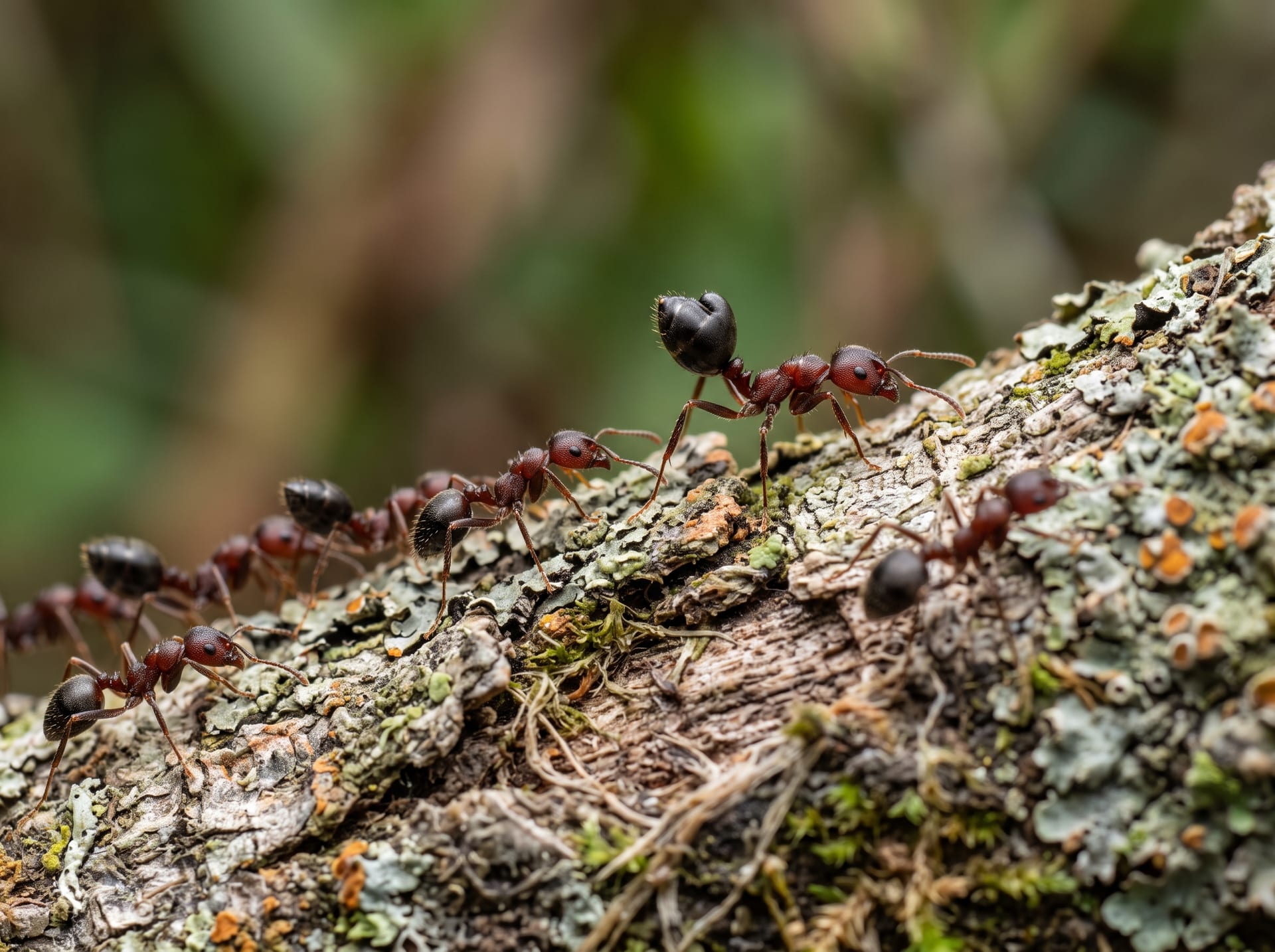
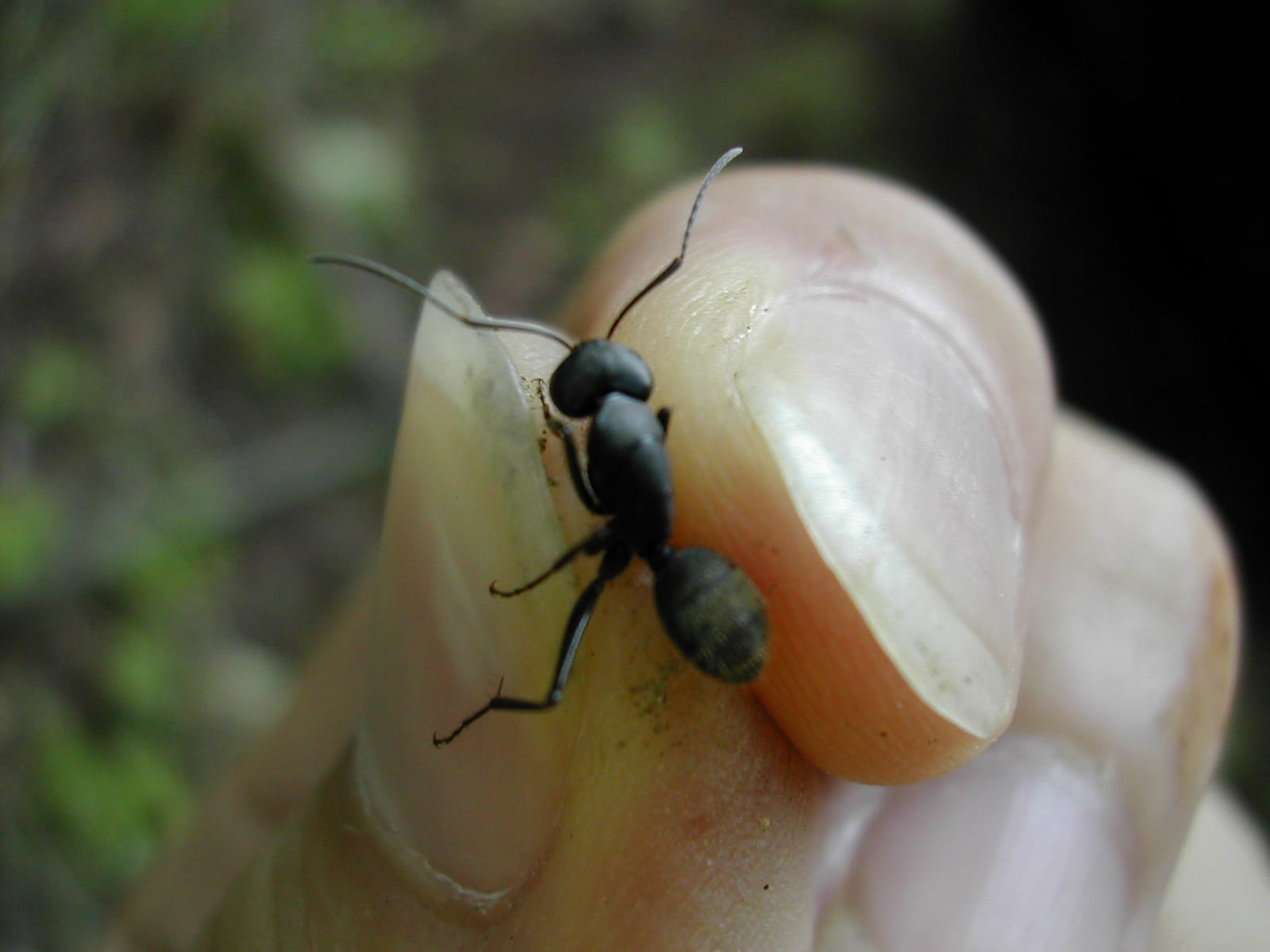
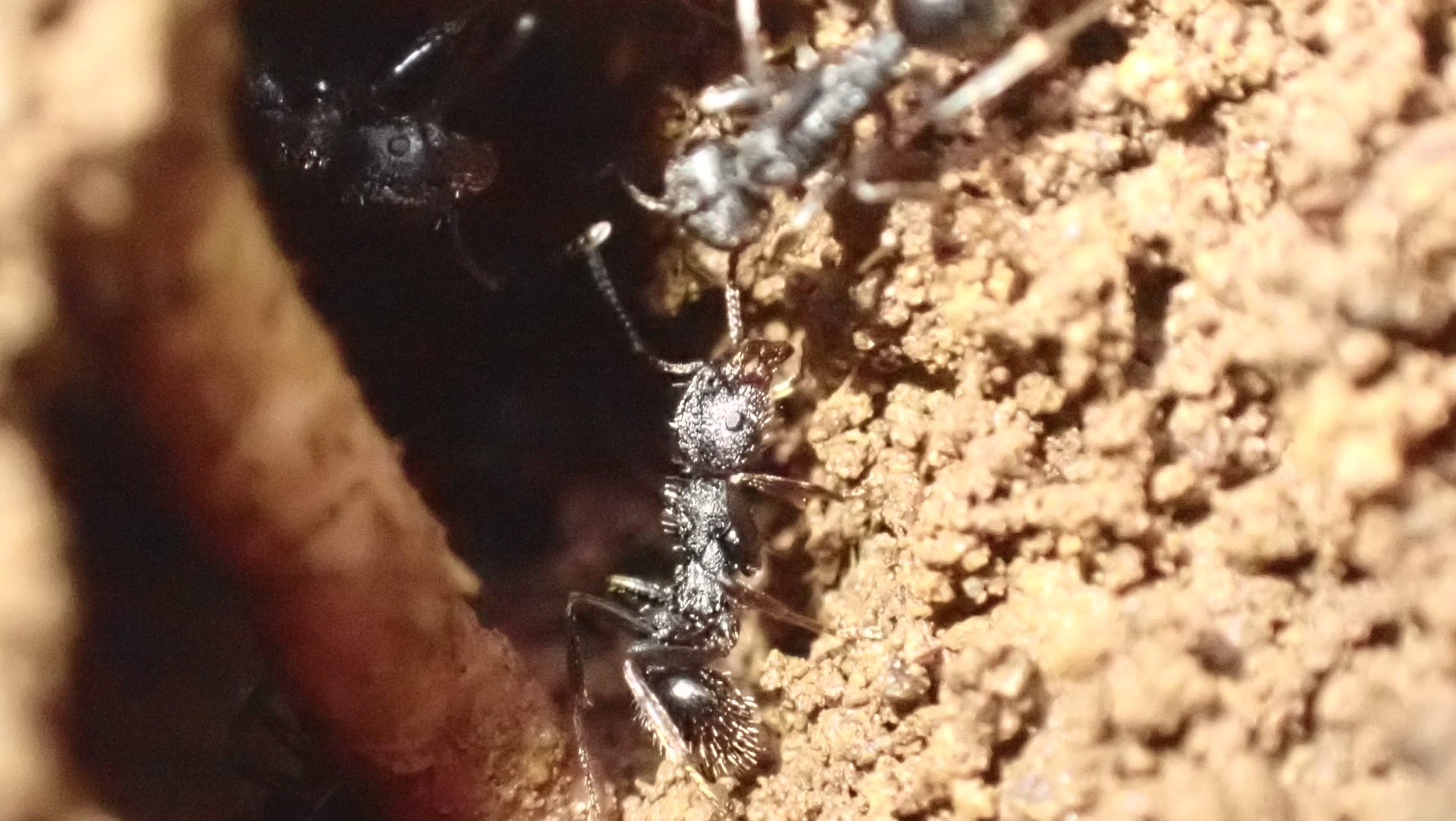
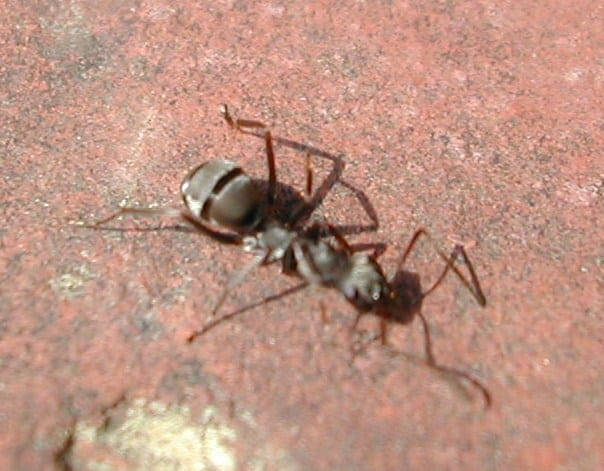
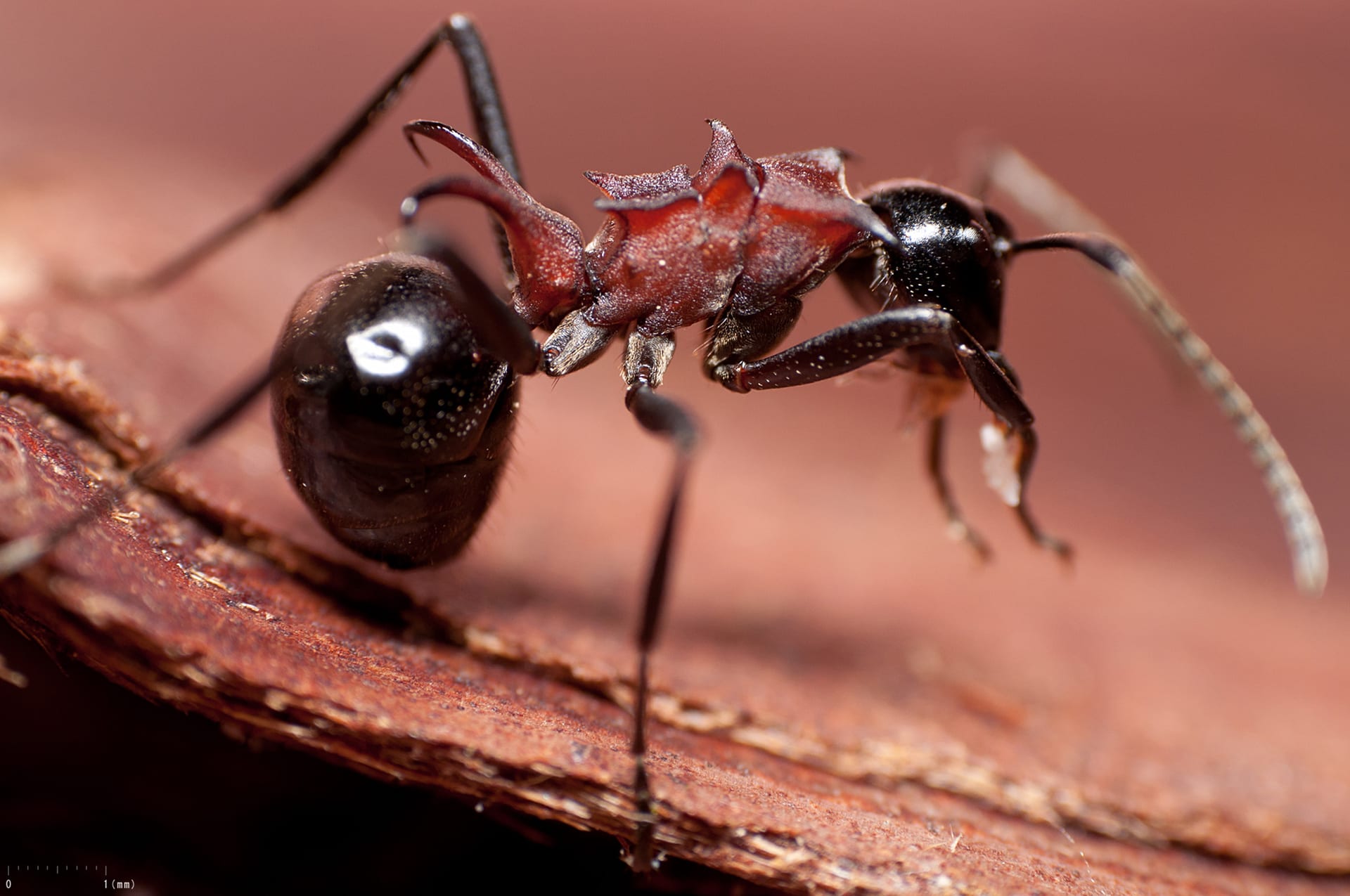
A striking spiny ant with a reddish-brown mesosoma armed with curved spines. New queens usurp colonies of Camponotus japonicus and relatives (temporary social parasitism), making it a demanding species.
Difficulty
Advanced
Temperature
23〜25℃
Lifespan
Several years to about 10 years in captivity
Size
Workers 7-8mm, queens 12mm
Humidity
60〜80%
Diet
Sugars (honeydew, sugar water) and insects (omnivorous)
About
Polyrhachis lamellidens is a spiny ant distributed from Honshu to Kyushu and Yakushima, and abroad in Taiwan, the Korean Peninsula, China and Hong Kong. Workers measure 7-8mm and queens 12mm; the head, legs and gaster are black and the mesosoma reddish brown, with hook-like curved spines on the mesosoma and petiole. It nests in hollows of mature trees such as Quercus, especially cavities near the root collar. Alates fly in September-November; mated queens overwinter alone and the following spring invade nests of Camponotus japonicus, C. obscuripes or C. kiusiuensis, kill the host queen and have the host workers rear their brood (temporary social parasitism). Once the host workers die off, a pure Polyrhachis colony remains. Because of this biology, keepers must supply a new queen with host workers to establish parasitism, so the species is unsuitable for beginners. Established colonies can be kept for several years to about a decade. The species is assessed as Vulnerable (VU) on Japan's Ministry of the Environment Red List 2020, so collection and trade call for restraint.
Source: Wikipedia (CC BY-SA 4.0)
Lifespan of the Spiny Ant
The Spiny Ant lives Several years to about 10 years in captivity.
Size of the Spiny Ant
The Spiny Ant grows to Workers 7-8mm, queens 12mm.
Temperature & humidity for the Spiny Ant
The ideal temperature for the Spiny Ant is 23〜25℃.
Basic Info
Origin
Honshu to Kyushu, Yakushima; Taiwan, Korean Peninsula, China, Hong Kong
Care Specifications
Semi-aggressiveGroupBreeding: Hard
Sources: AntRoom: How to keep ants (JP) / Wikipedia (ja): トゲアリ / Japanese Ant Image Database (トゲアリ)
References & Sources
Edited & verified by: BreederDirect editorial team
The taxonomic, regulatory, and husbandry data on this page are compiled and verified against the authoritative primary sources below.
Taxonomy & Authority
Accepted name: Polyrhachis lamellidens Smith, 1874
Authority databases: GBIF
Nomenclature follows global taxonomic authority databases.
Regulations & Conservation Status
Not CITES-listed
Assessed as Vulnerable (VU) on Japan's MOE Red List 2020 (Insects); this is an assessment, not a legal collection ban.
Sources: CITES Appendices (species not listed) / MOE Japan Red List 2020 (Insects)
Regulations may change. Always verify the latest information with the relevant authorities.
Spiny Ant Listings
Loading latest listingsFind listings for this species