Source: Wikimedia Commons
Snail-eating Ground Beetle
IntermediateCarabus blaptoides
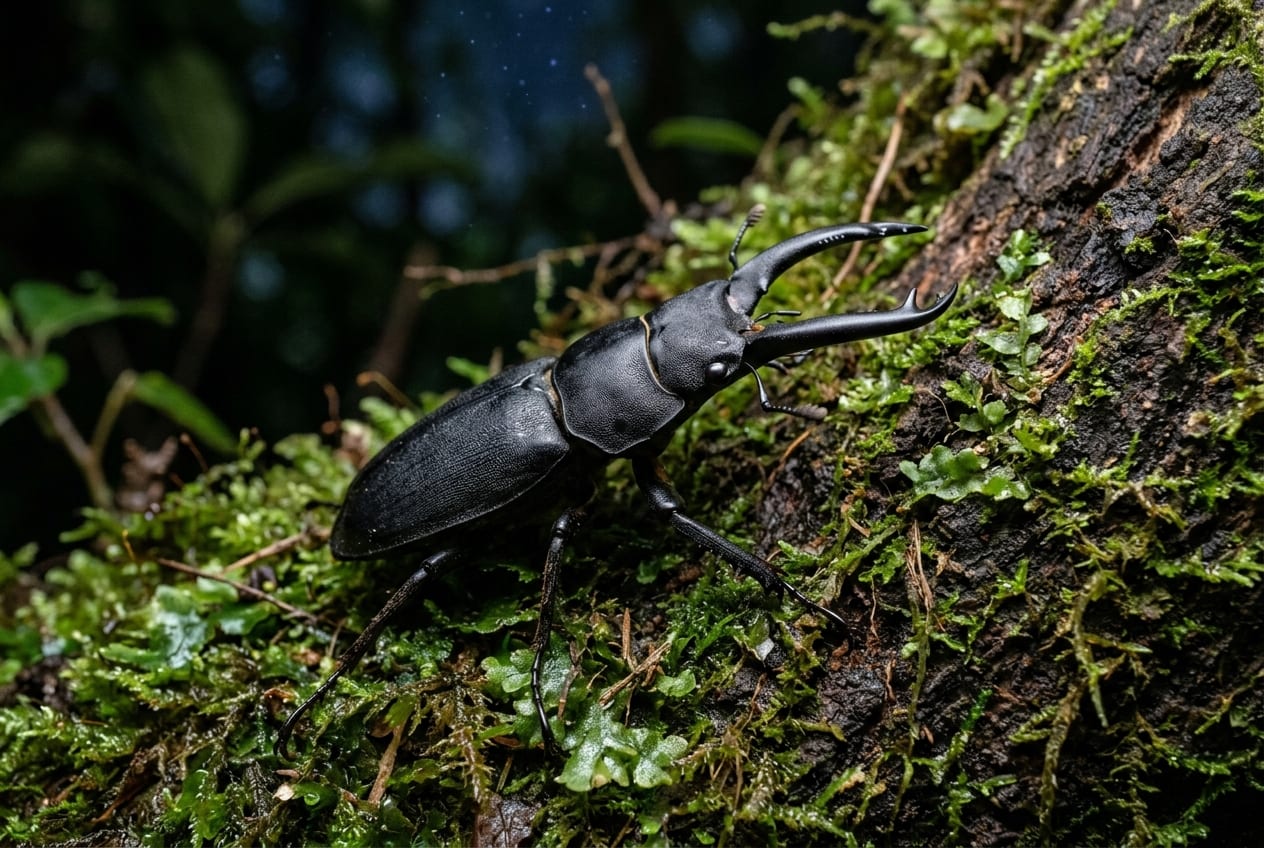
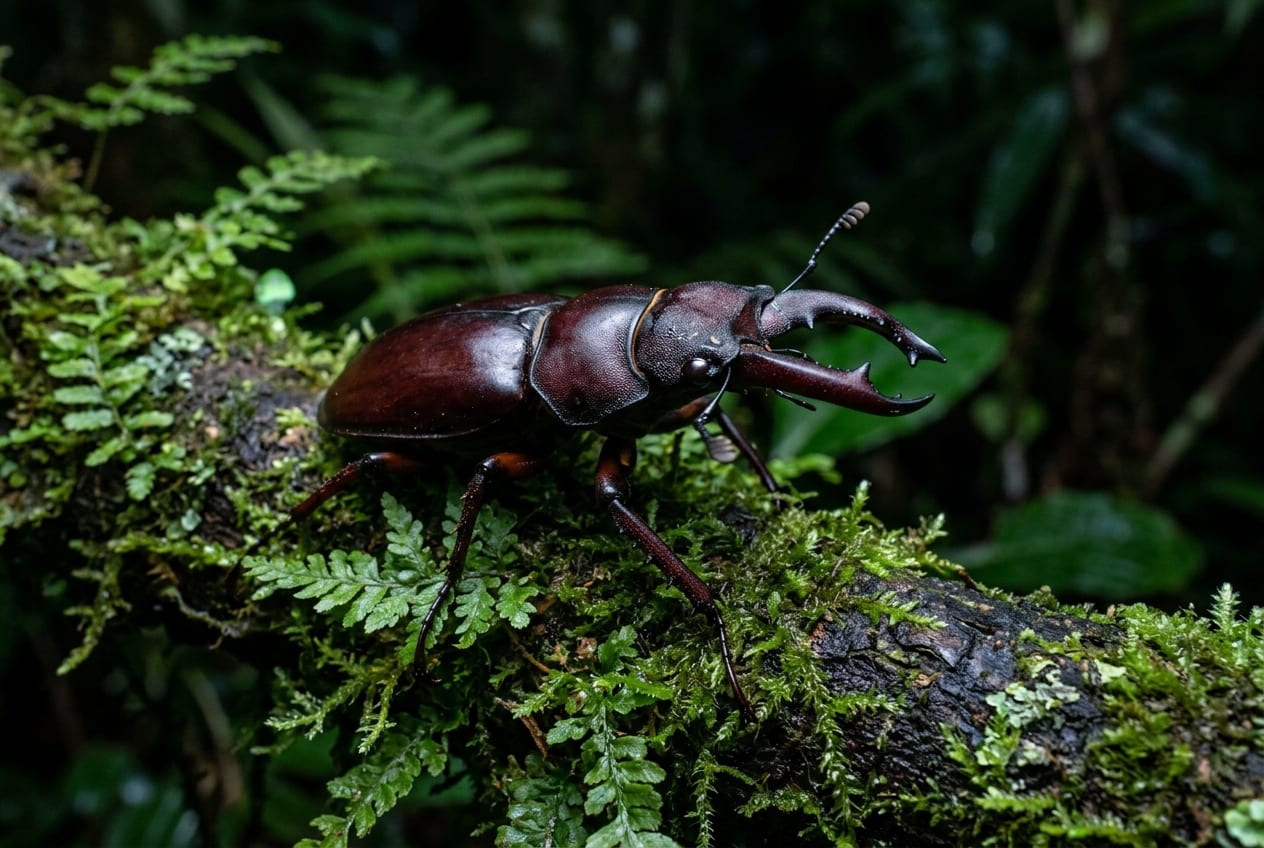
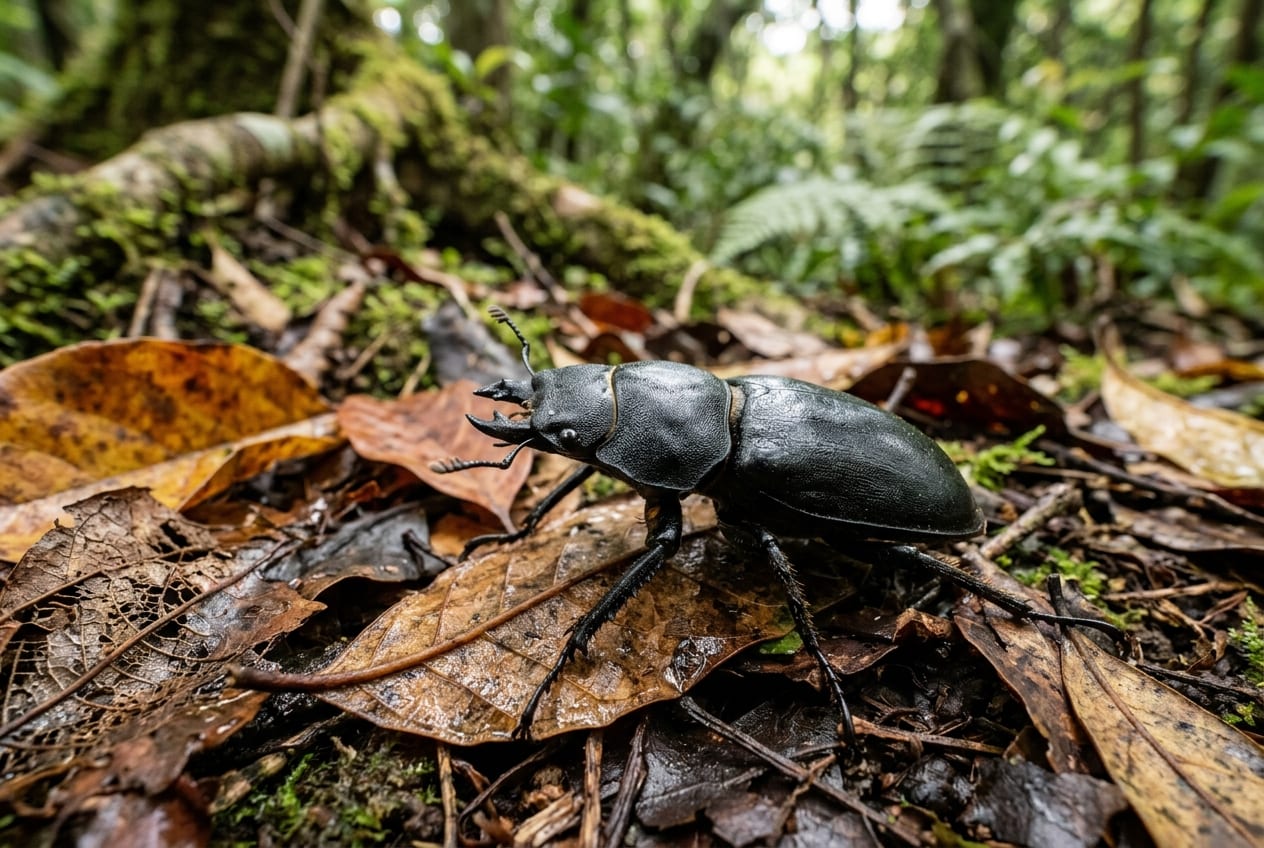
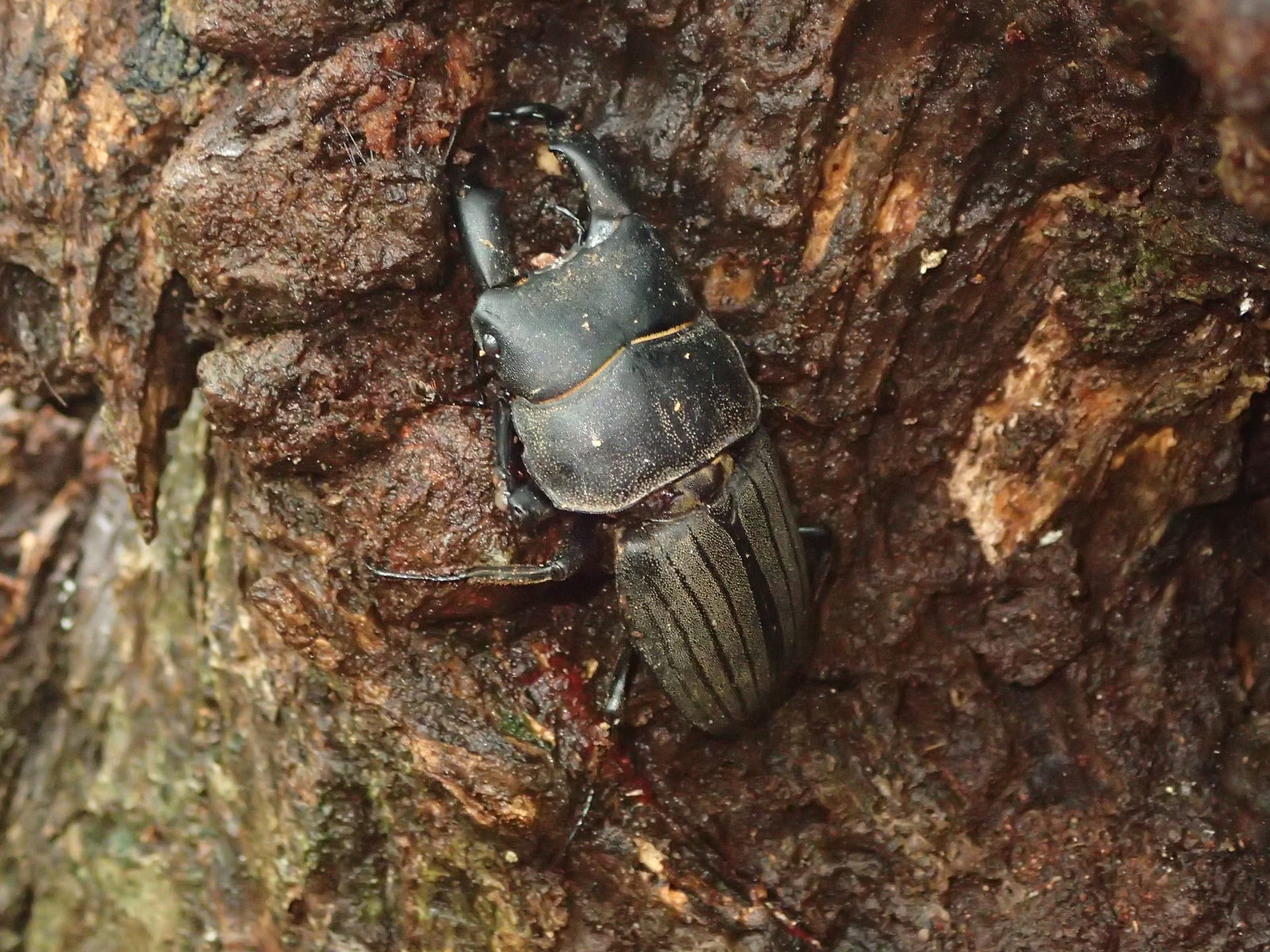
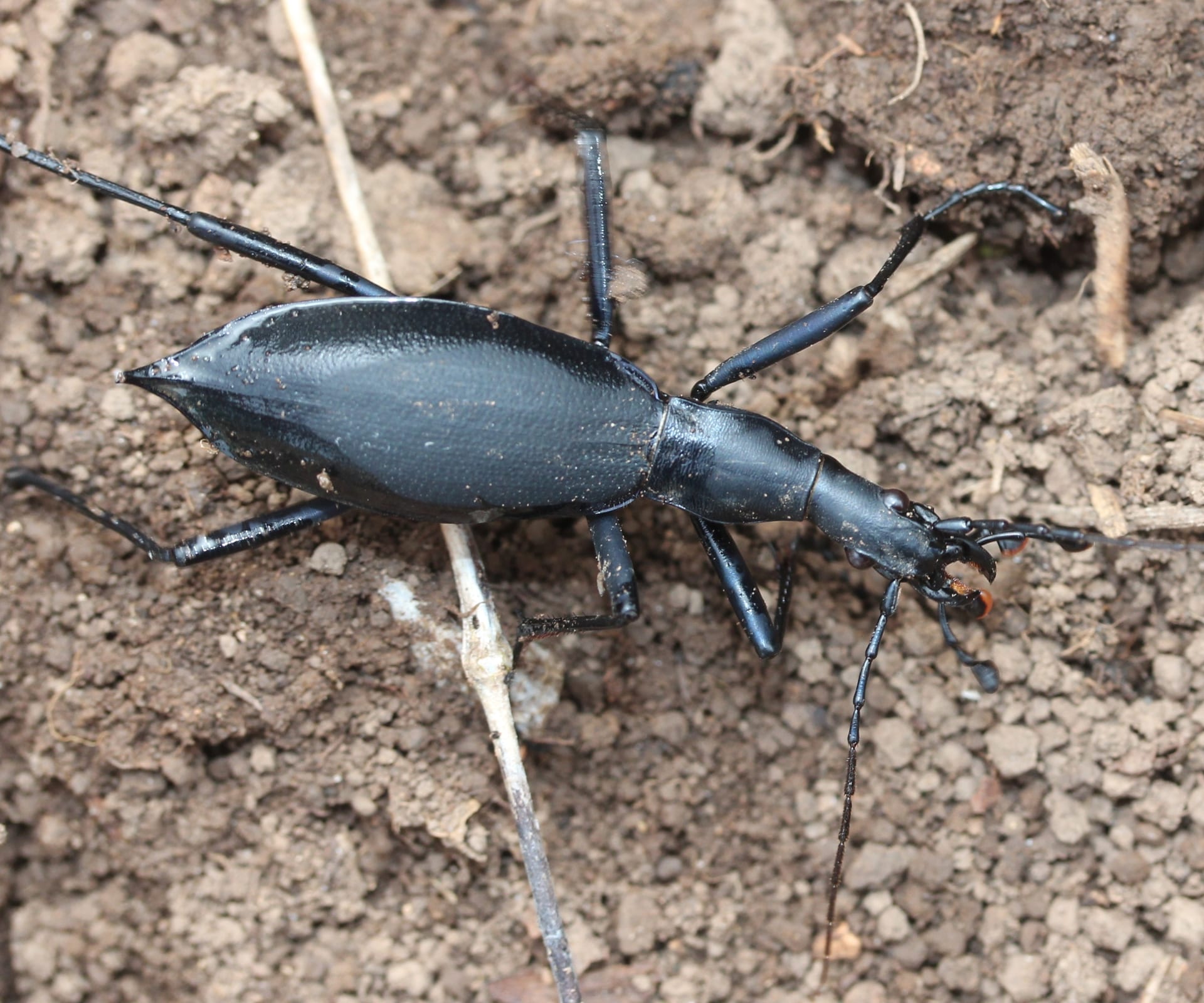
A ground beetle endemic to Japan, its head and pronotum drawn out forward so that it can push them into a snail shell and eat the body inside. The elytra are fused, so it cannot fly, and it has split into local subspecies.
Difficulty
Intermediate
Temperature
20〜28℃
Lifespan
Adults 1-2 years
Size
30-70mm
Humidity
60〜80%
Diet
Land snails, insects, earthworms, fallen fruit and tree sap
About
Carabus blaptoides is a ground beetle endemic to Japan, 30-70 mm long, with the head and pronotum of the adult drawn out forward. The shape is understood as an adaptation for pushing the head deep into a snail shell, injecting digestive fluid and eating the dissolved body, and the Japanese name refers to that posture. The two elytra fuse after eclosion and will not open, and the hind wings are reduced, so the beetle cannot fly. Its poor dispersal has allowed local forms to diverge, and besides the nominate form the subspecies rugipennis, viridipennis, babaianus, fortunei, oxuroides, capito and brevicaudus are recognised. When threatened it sprays a strongly acidic fluid based on methacrylic acid from the tip of the abdomen, which inflames the eyes. The larvae also eat snails and, unlike other ground beetles, reach the final instar at the second stage. Winter is passed either as an adult or as a final-instar larva.
Source: Wikipedia (CC BY-SA 4.0)
Lifespan of the Snail-eating Ground Beetle
The Snail-eating Ground Beetle lives Adults 1-2 years.
Size of the Snail-eating Ground Beetle
The Snail-eating Ground Beetle grows to 30-70mm.
Basic Info
Origin
Japan (Hokkaido, Honshu, Shikoku, Kyushu and the islands of Awashima, Sado, Izu-Oshima, Oki, Goto, Tsushima and Yakushima)
Lifespan
Adults 1-2 years
Size
30-70mm
Care Specifications
AggressiveSolitary
Sources: Damaster blaptoides - Wikipedia (JA; size, range, subspecies, snail diet, defensive secretion, two larval instars, substitute food in captivity) / GBIF species page for Carabus blaptoides (Kollar, 1836), with Damaster blaptoides as a synonym / GBIF occurrence records for Carabus blaptoides (counts by country)
References & Sources
Edited & verified by: BreederDirect editorial team
The taxonomic, regulatory, and husbandry data on this page are compiled and verified against the authoritative primary sources below.
Taxonomy & Authority
Accepted name: Carabus blaptoides (Kollar, 1836)
Synonyms: Damaster blaptoides Kollar, 1836
Authority databases: GBIF
Nomenclature follows global taxonomic authority databases.
Regulations & Conservation Status
Not CITES-listed
Sources: CITES Appendix (checklist.cites.org)
Regulations may change. Always verify the latest information with the relevant authorities.
Snail-eating Ground Beetle Listings
Loading latest listingsFind listings for this species