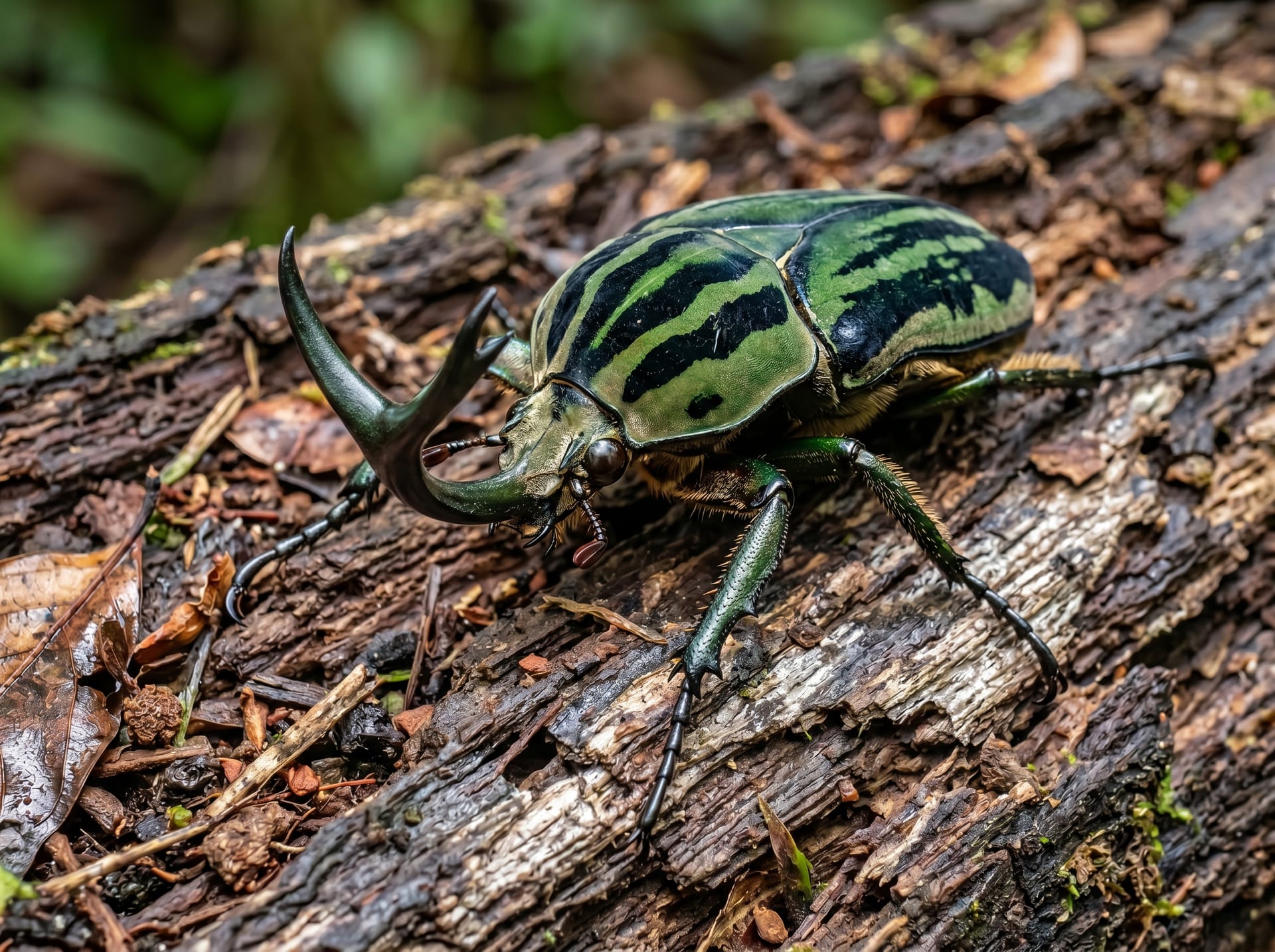
AI-generated image
Mecynorrhina Flower Beetle
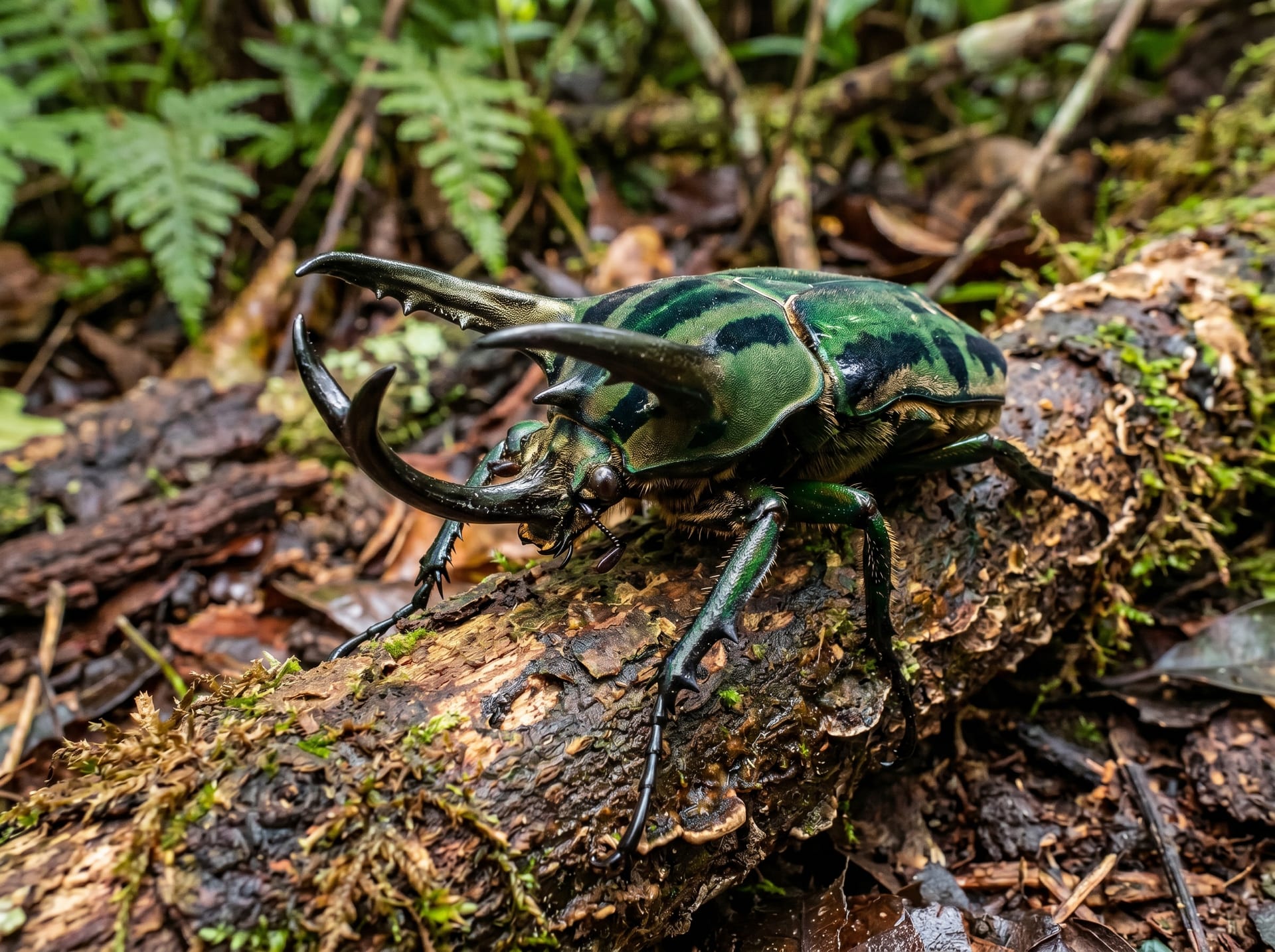
IntermediateA large flower chafer from Africa. Attractive metallic green color and large horn.
Difficulty
Intermediate
Temperature
20〜28℃
Lifespan
Adult 3-6 months
Size
40-85mm
Humidity
60〜80%
Diet
Insect jelly, Banana
About
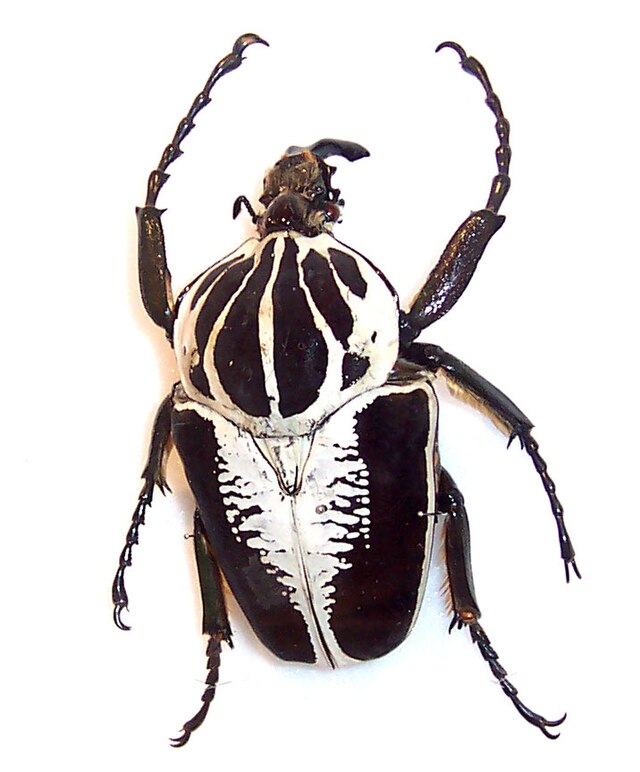
Mecynorrhina torquata is a large flower chafer native to the tropical rainforests of central and western Africa. Adults reach 40–85 mm in length and display a spectacular metallic green coloration with white lateral bands—one of the most striking color patterns among African beetles. Males bear a prominent cephalic horn. The species is diurnal, feeding on flower nectar, tree sap, and ripe fruit in the wild. The enclosure should be generously furnished with climbing branches and bark to accommodate the beetle's active, climbing lifestyle. Egg-laying occurs in leaf litter or fermented substrate; larvae may also require protein-rich supplementation such as cat food. Adults eat beetle jelly, banana, and other fruit, living approximately 3–6 months. As one of the largest and most colorful African flower chafers, M. torquata is a popular and visually rewarding species for beetle enthusiasts.
Lifespan of the Mecynorrhina Flower Beetle
The Mecynorrhina Flower Beetle lives Adult 3-6 months.
Size of the Mecynorrhina Flower Beetle
The Mecynorrhina Flower Beetle grows to 40-85mm.
Temperature & humidity for the Mecynorrhina Flower Beetle
Captive temperature of 24–28°C is optimal.
Basic Info
Origin
tropical rainforests of central and western Africa
Lifespan
Adult 3-6 months
Size
References & Sources
Edited & verified by: BreederDirect editorial team
The taxonomic, regulatory, and husbandry data on this page are compiled and verified against the authoritative primary sources below.
Mecynorrhina Flower Beetle Listings
Loading latest listingsFind listings for this species