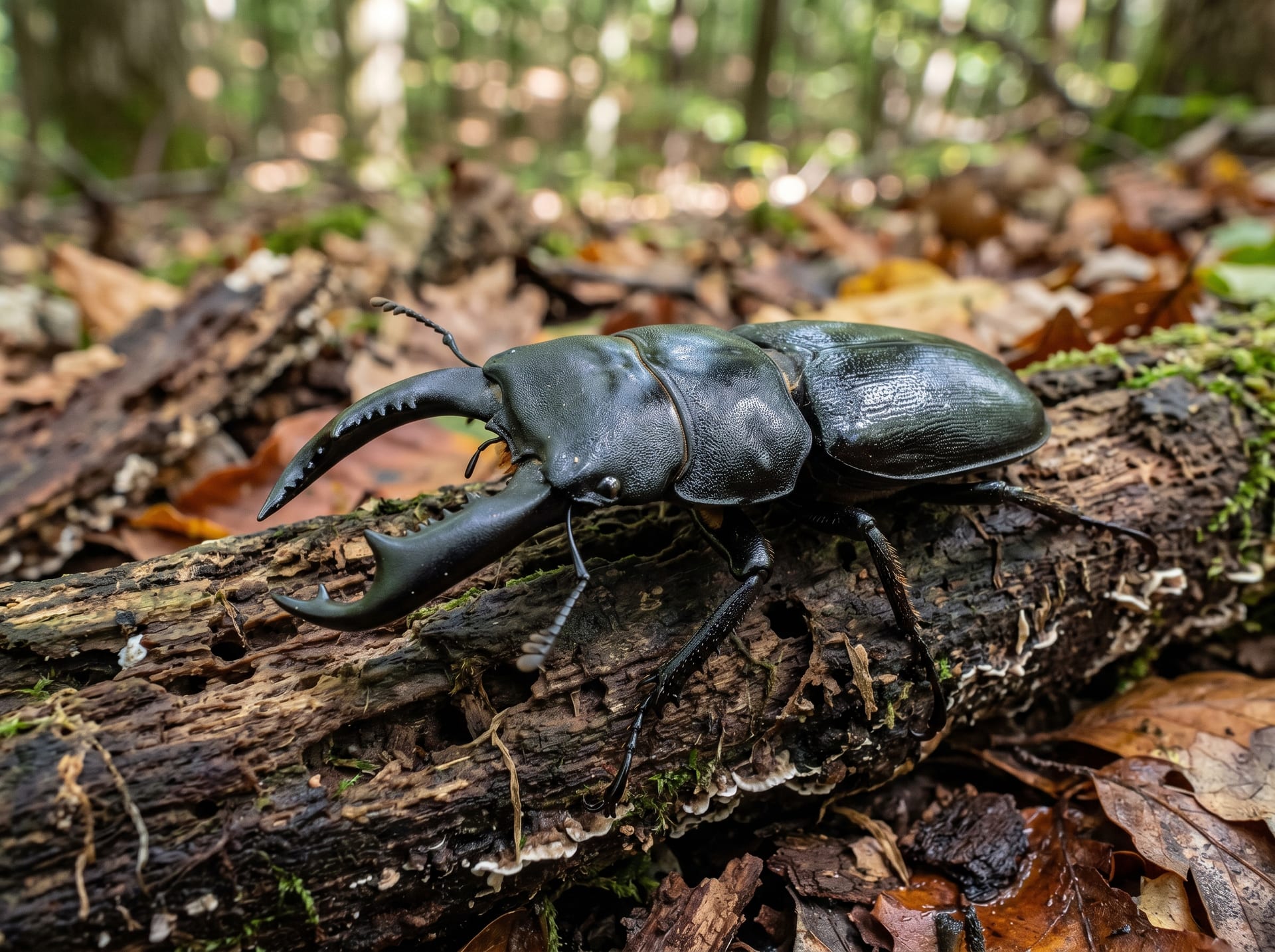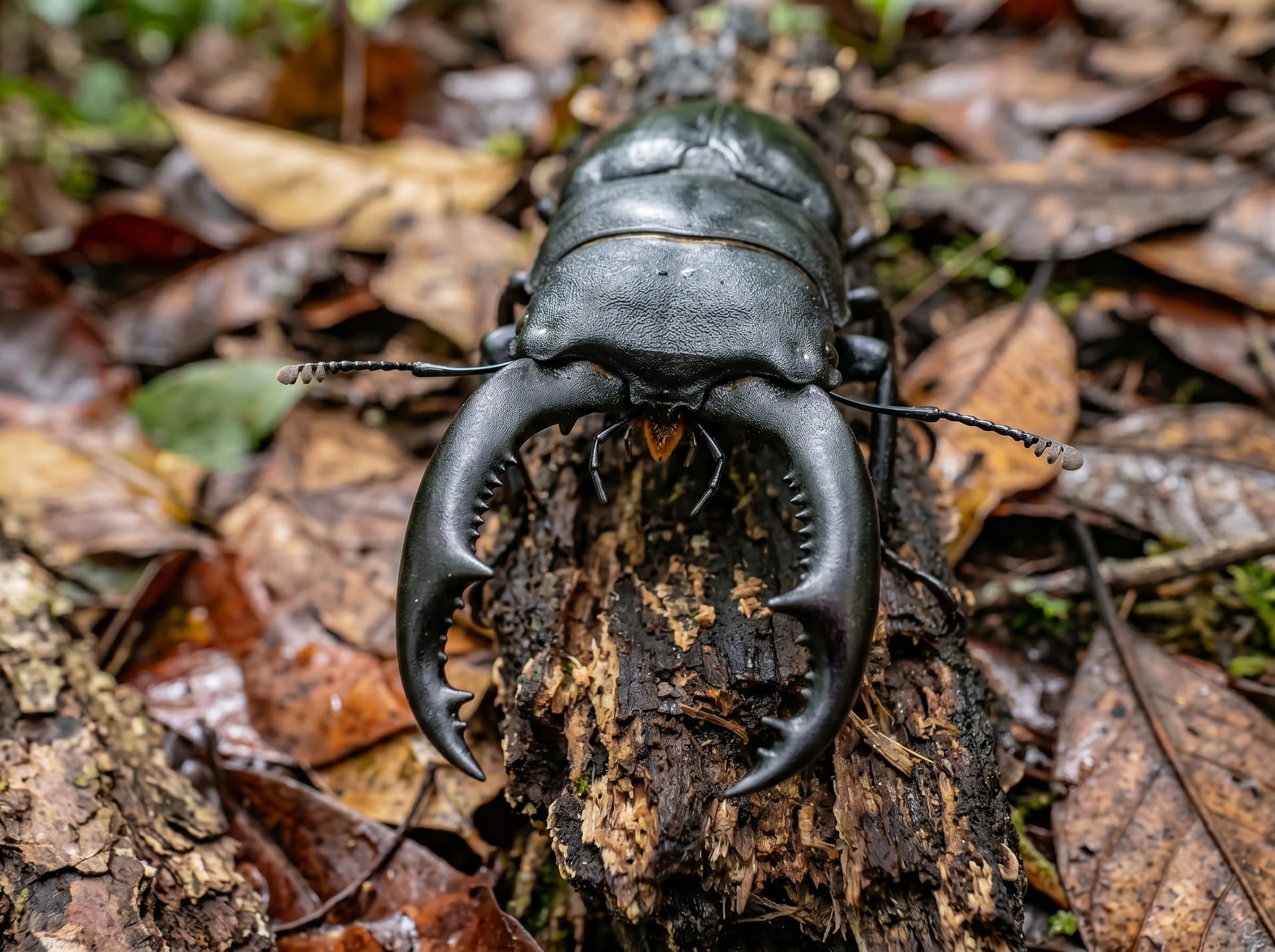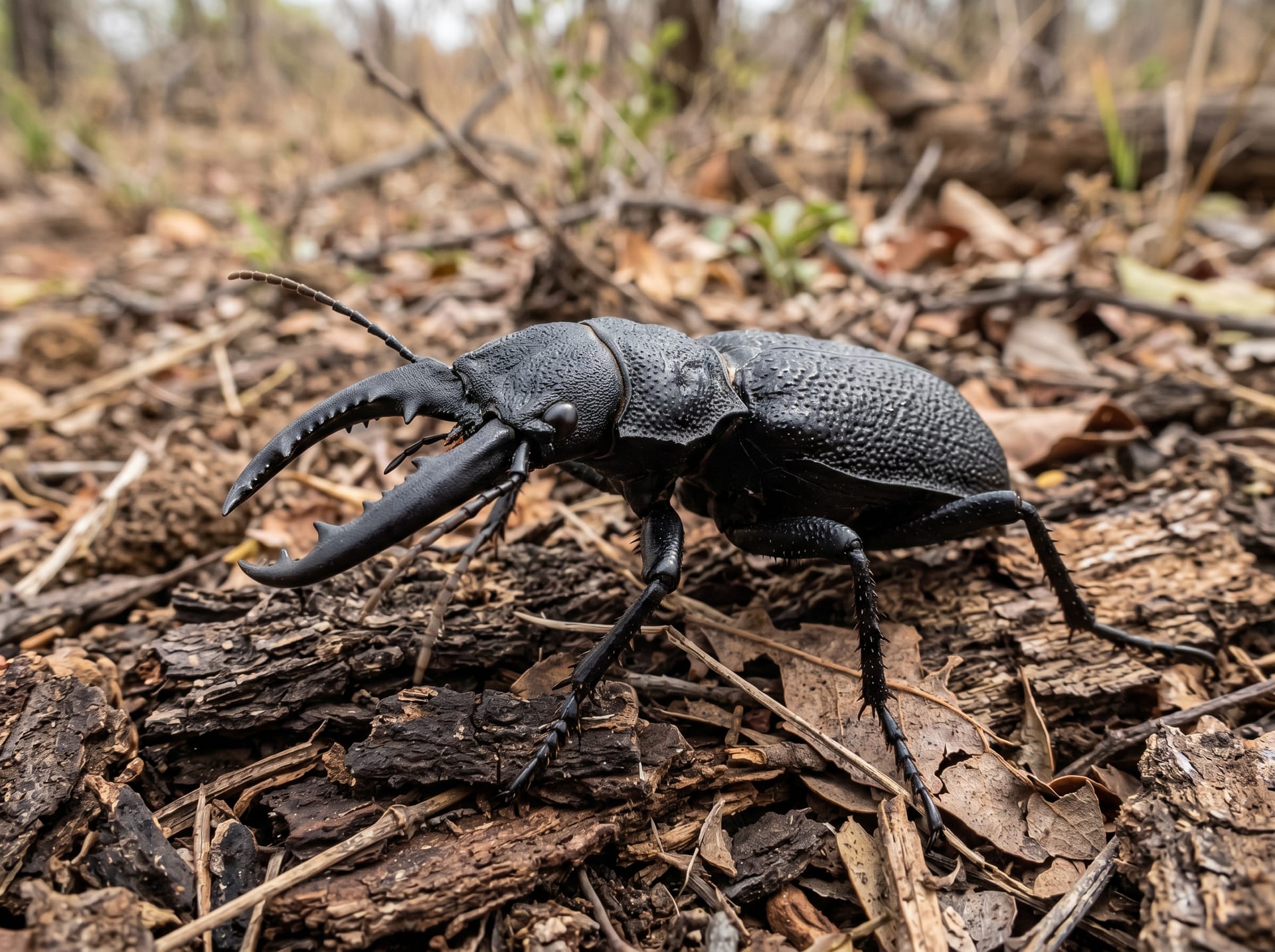
AI-generated image
Giant Tiger Beetle
AdvancedManticora latipennis
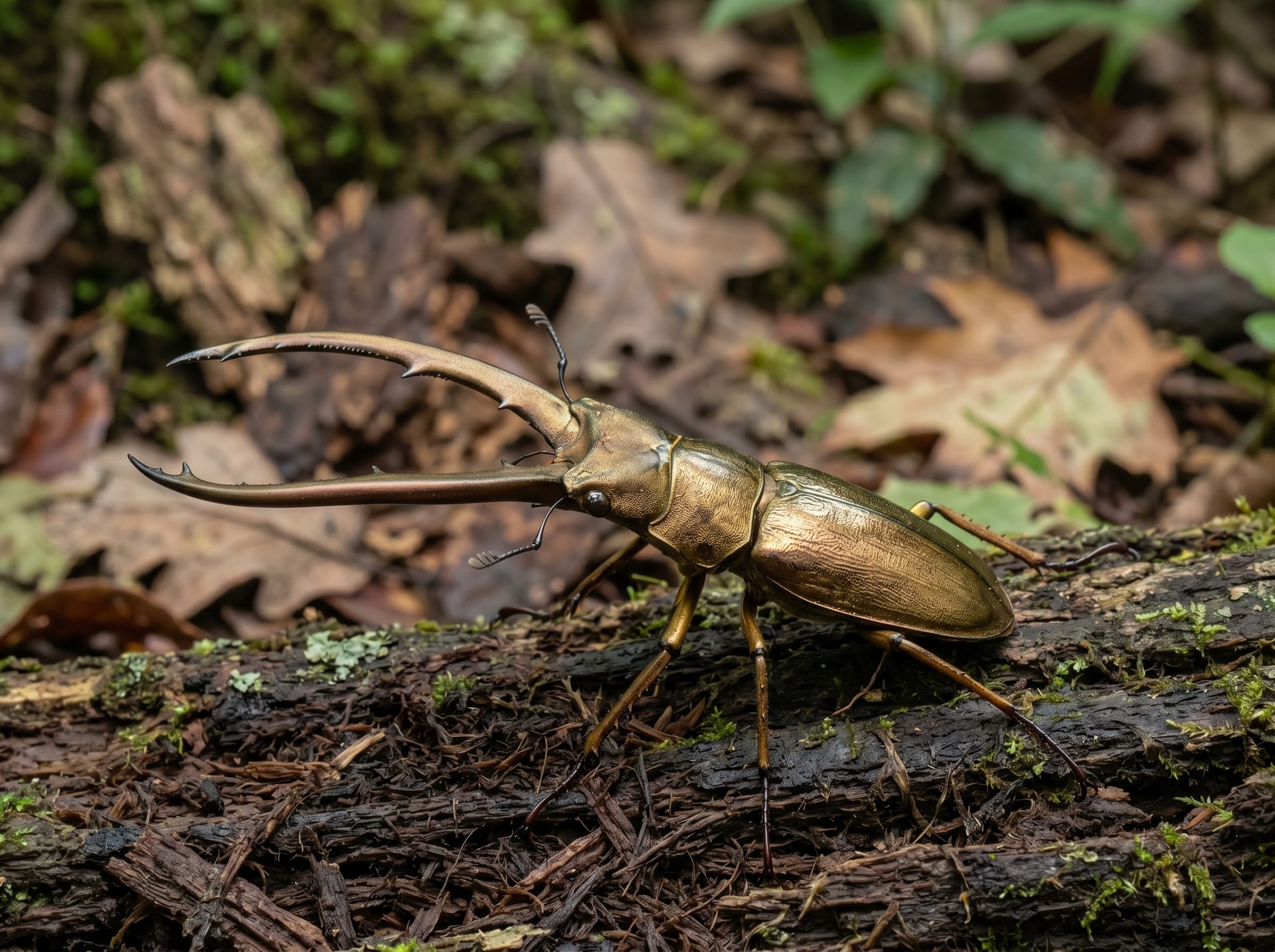
One of the world's largest tiger beetles from southern Africa. A large species reaching about 5cm in body length, with powerful mandibles and quick movements. A ground-dwelling species without flight ability, making it a rare predatory insect as a pet.
Difficulty
Advanced
Temperature
22〜28℃
Lifespan
1-3 years
Size
40-60mm
Humidity
50〜70%
Diet
Live insects, crickets
About
Manticora latipennis is one of the worlds largest tiger beetles, distributed in southern Africa and reaching about 5 cm. It features powerfully developed mandibles and rapid movement, and as a flightless, ground-dwelling predator it is unusual among insects, kept as a predatory invertebrate. Husbandry provides substrate for burrowing and hiding places, with live prey such as crickets offered. The strong mandibles call for careful handling. Adapted to arid regions, it is kept while avoiding excessive humidity. With an imposing form and distinctive biology, it draws interest from invertebrate enthusiasts.
Source: Wikipedia (CC BY-SA 4.0)
Lifespan of the Giant Tiger Beetle
The Giant Tiger Beetle lives 1-3 years.
Size of the Giant Tiger Beetle
The Giant Tiger Beetle grows to 40-60mm.
Temperature & humidity for the Giant Tiger Beetle
The ideal temperature for the Giant Tiger Beetle is 22〜28℃.
Basic Info
Origin
southern Africa
Lifespan
1-3 years
Size
40-60mm
Temperature
References & Sources
Edited & verified by: BreederDirect editorial team
The taxonomic, regulatory, and husbandry data on this page are compiled and verified against the authoritative primary sources below.
Primary sources
Taxonomy & Authority
Accepted name: Manticora latipennis G.R.Waterhouse, 1837
Authority databases: GBIF
Nomenclature follows global taxonomic authority databases.
Regulations & Conservation Status
Not CITES-listed
Manticora latipennis (Carabidae, tiger beetles). Not listed on CITES.
Sources: CITES Appendix (checklist.cites.org)
Regulations may change. Always verify the latest information with the relevant authorities.
Giant Tiger Beetle Listings
Loading latest listingsFind listings for this species