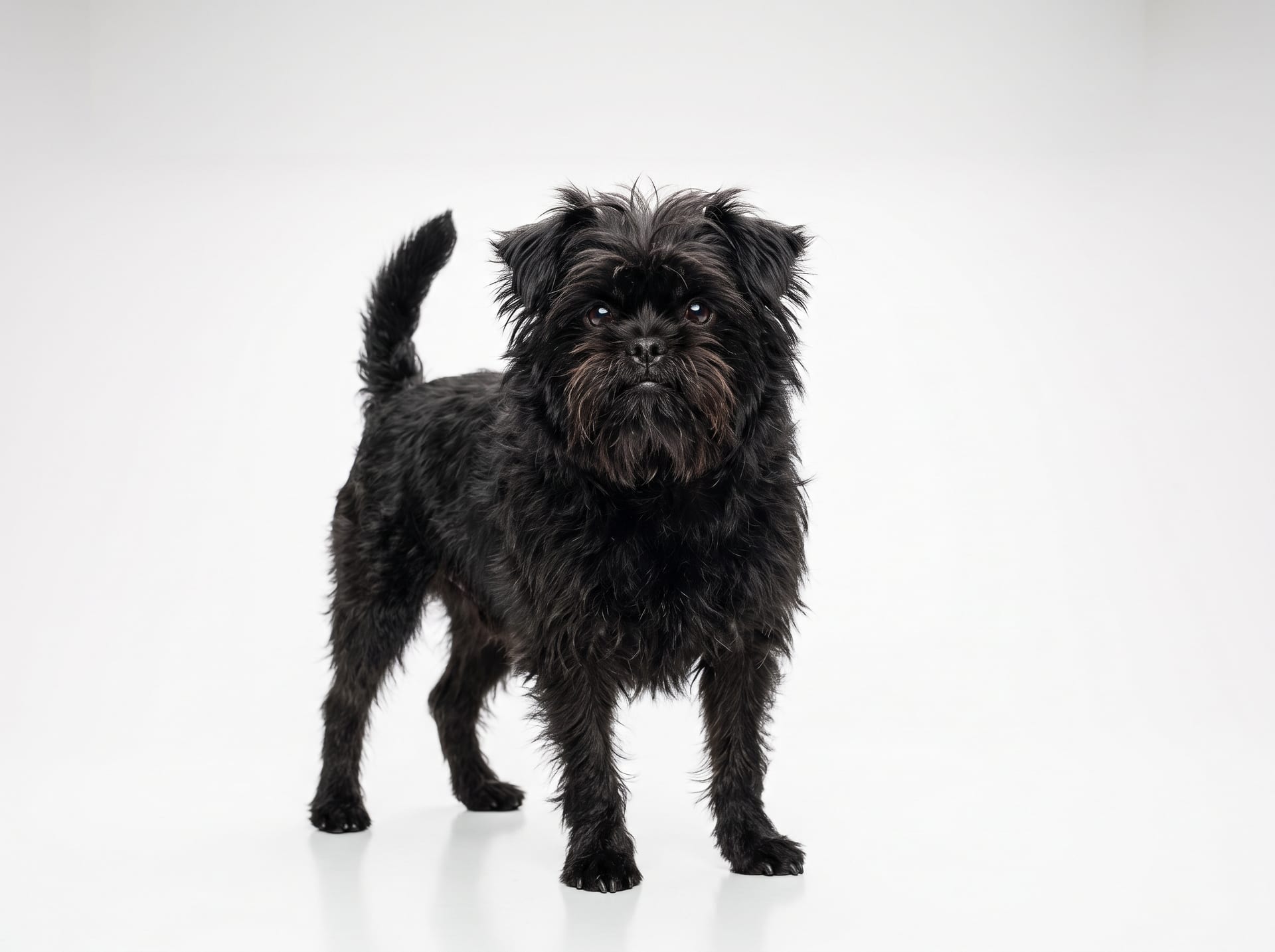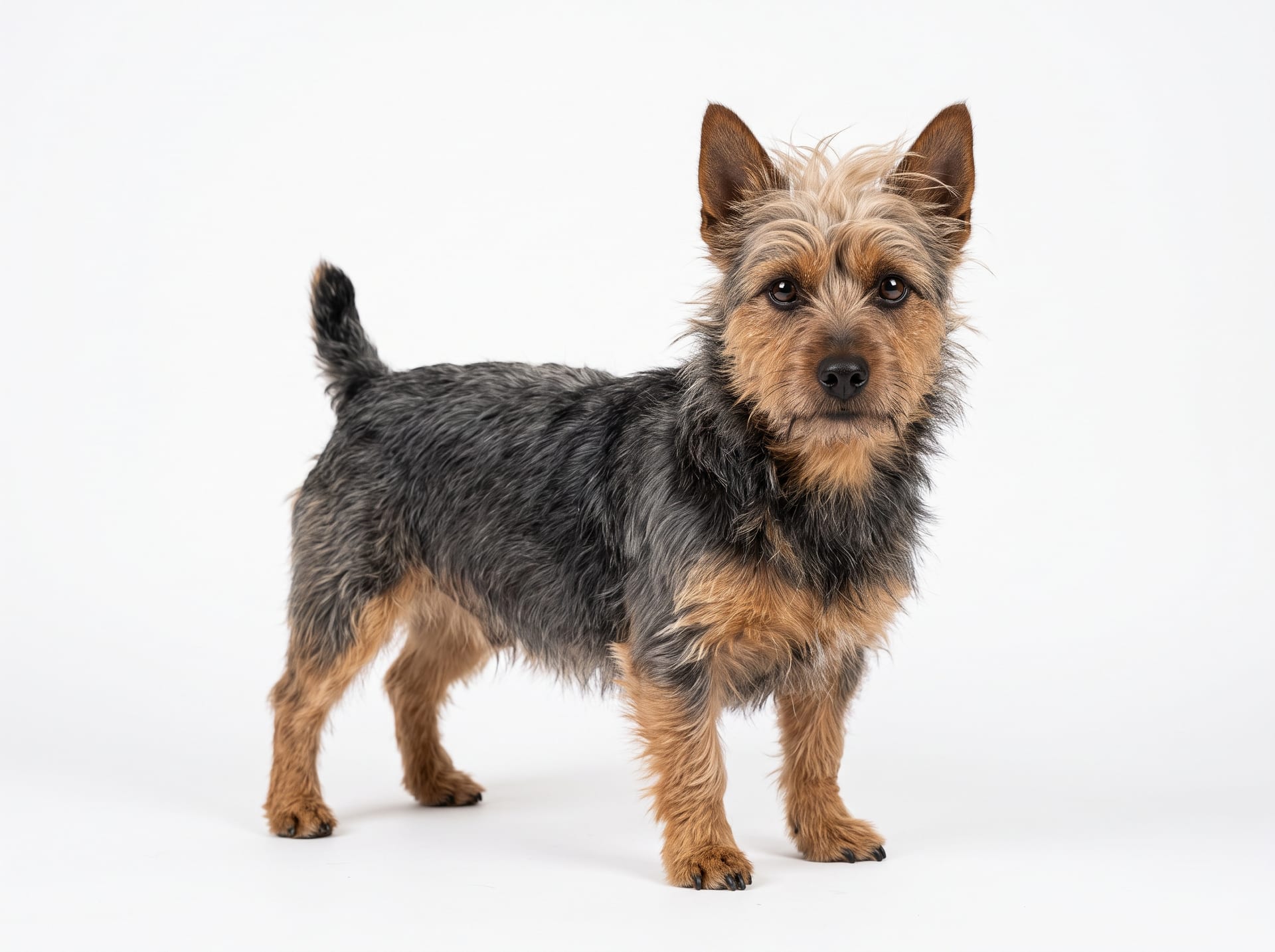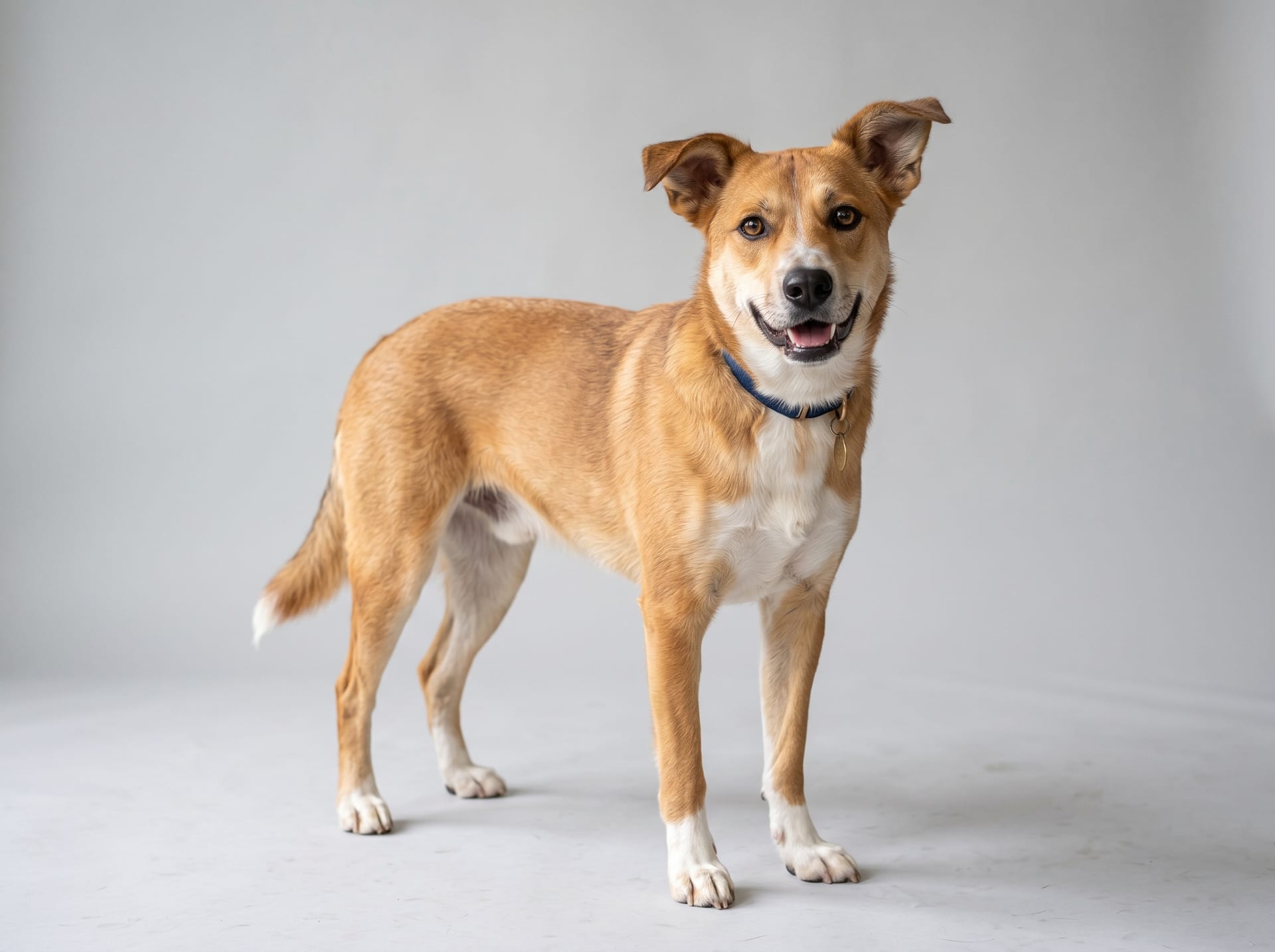
AI-generated image
Mixed Breed Dog
BeginnerCanis lupus familiaris
Dogs of mixed heritage with high genetic diversity. Each one is uniquely individual.
Difficulty
Beginner
Temperature
15〜26℃
Lifespan
10-15 years
Size
Varies greatly by individual
Diet
Choose food based on size and activity level.
About
Mixed-breed dogs, also known as mongrels, mutts, or crossbreeds, are dogs that are not purebred and may have ancestry from two or more breeds. They exhibit a wide range of appearances, sizes, coat types, and temperaments depending on their genetic heritage. Mixed-breed dogs may benefit from increased genetic diversity, sometimes showing greater resilience to hereditary diseases common in purebred lines, a phenomenon known as hybrid vigor. However, this is not guaranteed, and health characteristics can vary significantly between individuals. Their temperament, exercise needs, and care requirements depend on their individual traits and should be assessed on a case-by-case basis.
Lifespan of the Mixed Breed Dog
The Mixed Breed Dog lives 10-15 years.
Basic Info
Lifespan
10-15 years
Size
Varies greatly by individual
Temperature
15〜26℃
Diet
Choose food based on size and activity level.
Care Guide
Temperament
Inherits traits from parent breeds. Personality varies widely.
Exercise
Varies by size and breed composition. Observe individual needs.
References & Sources
Taxonomy & Authority
Mixed Breed Dog Listings
Loading latest listingsFind listings for this species