Is Keeping Rhinoceros Beetles and Stag Beetles Together Dangerous? The Truth About Their Compatibility According to Insect Breeders
Many people want to keep rhinoceros beetles and stag beetles in the same enclosure, but mixed housing carries serious risks. This article explains the differences in habits, causes of fighting, real-world accident cases, and minimum conditions if cohabitation is unavoidable—from a breeder's perspective.
Key Takeaways
Many people want to keep rhinoceros beetles and stag beetles in the same enclosure, but mixed housing carries serious risks. This article explains the differences in habits, causes of fighting, real-world accident cases, and minimum conditions if cohabitation is unavoidable—from a breeder's perspective.
Related Species
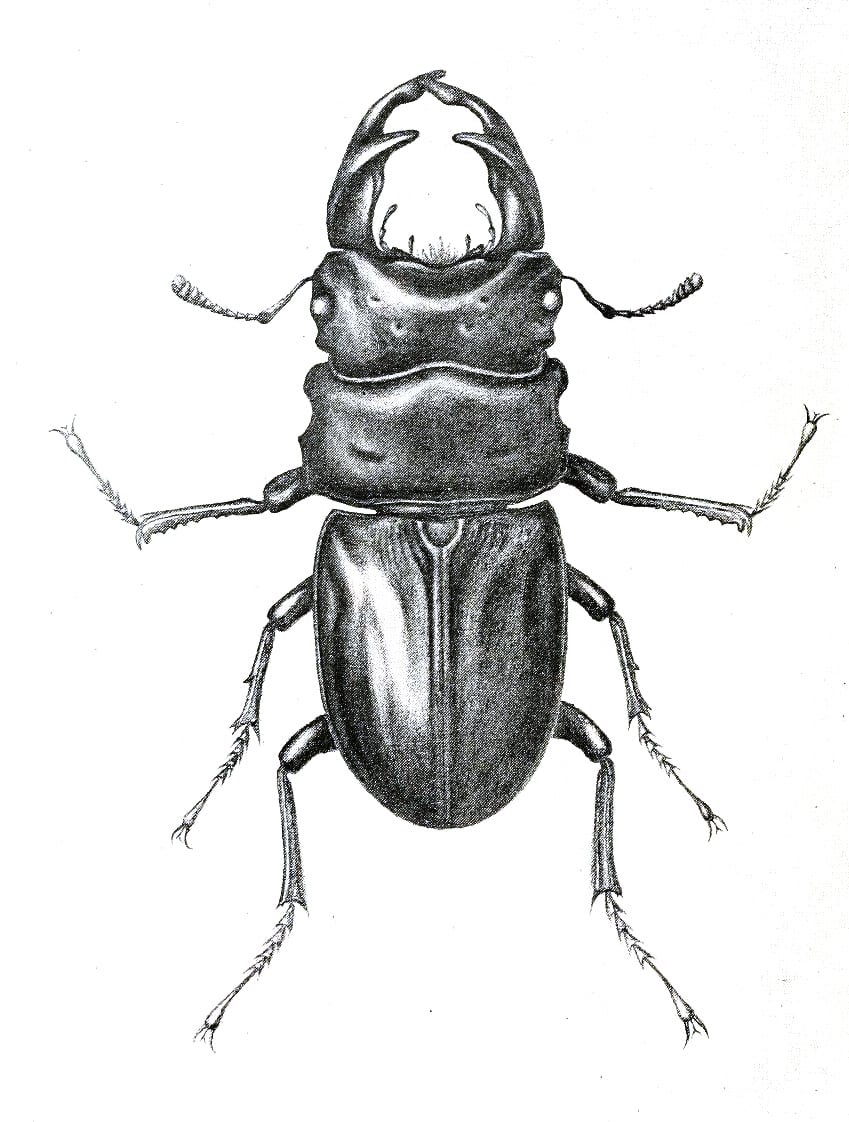
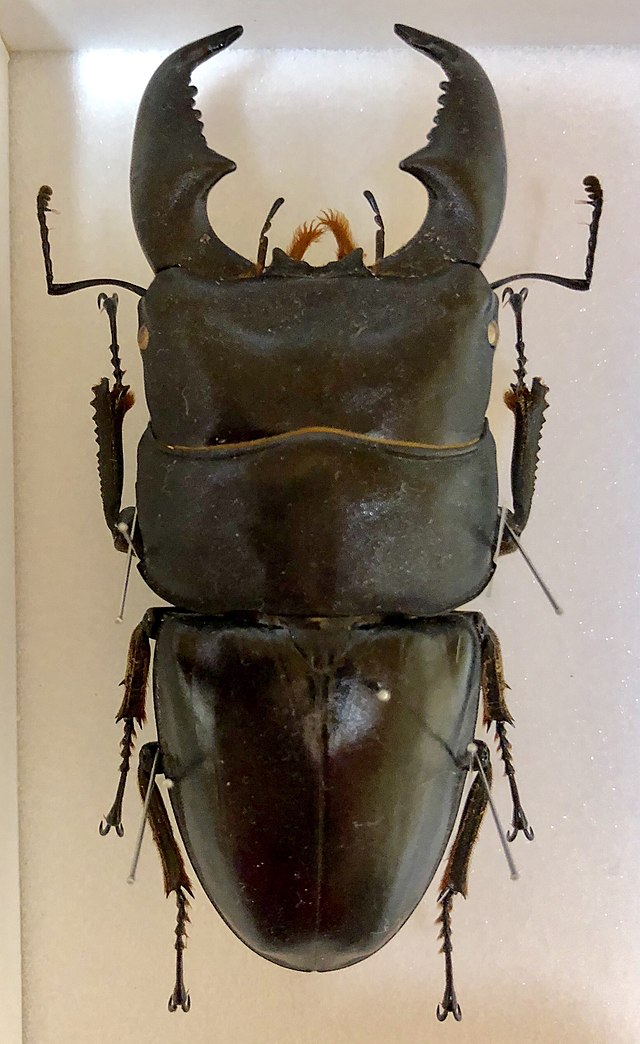
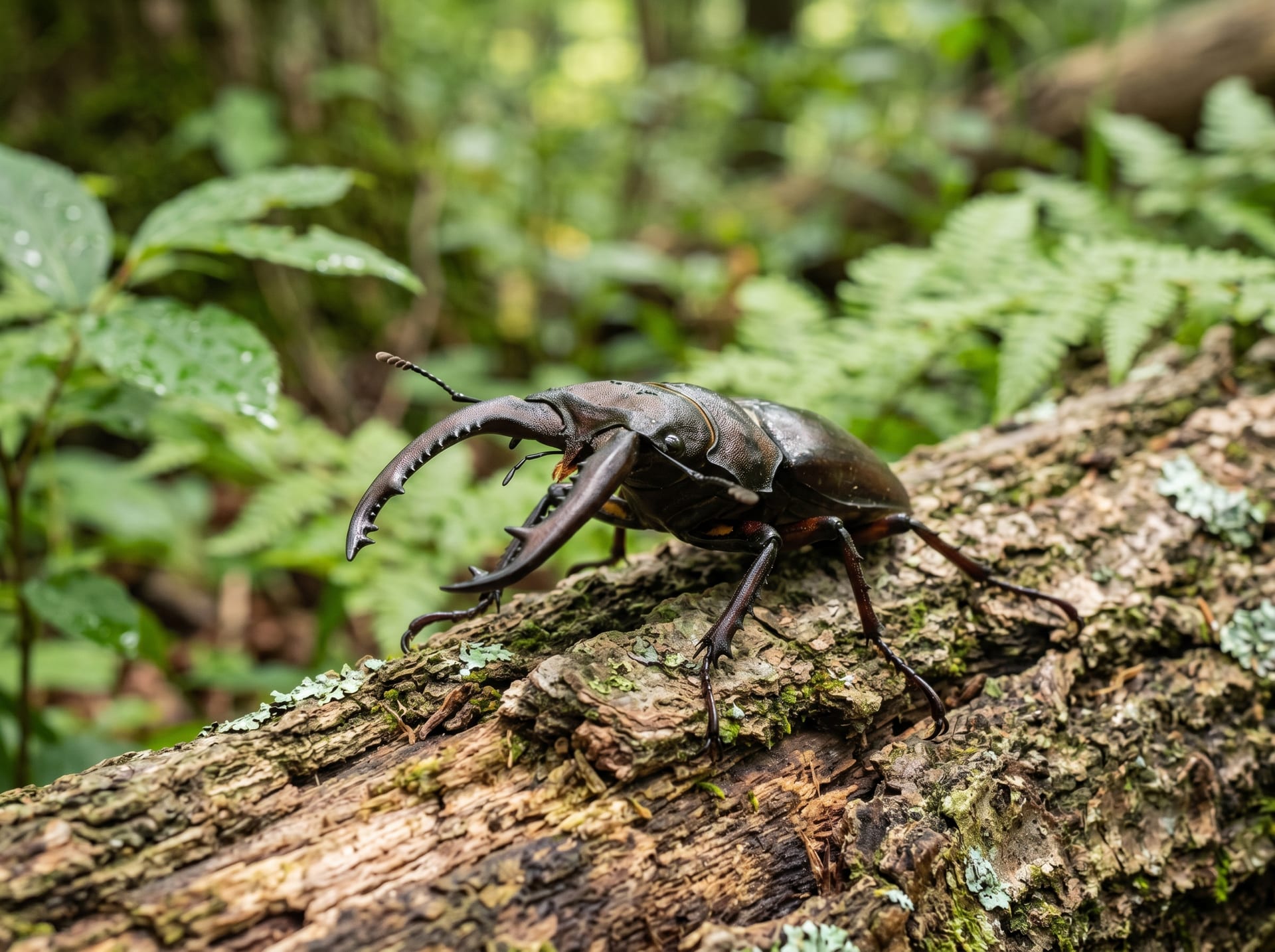
Rhinoceros beetles and stag beetles. Many keepers have wondered whether they could keep both of these iconic summer insects, admired since childhood, in the same enclosure—and whether they could truly thrive together. Given that home improvement stores often display both species in adjacent sections of their insect departments, it's understandable that some keepers form the impression that "maybe they can be kept together." However, as an insect breeder, I must be honest with you: keeping rhinoceros beetles and stag beetles together is fundamentally not recommended.
This article carefully explains the reasons from the perspectives of habit, risk, and real accident cases, and also outlines the minimum conditions in situations where cohabitation is unavoidable.
Why Do So Many Keepers Attempt Mixed Housing?
The reasons keepers consider mixed housing are straightforward.
- "I can use just one enclosure"
- "I can observe both at once"
- "It looks more dramatic"
These motivations are entirely natural. Especially in living spaces with limited room, managing multiple enclosures takes considerable effort and cost.
Additionally, in the wild, both species sometimes gather on the same trees like Sapium sebiferum or Quercus species. Since scenes of them competing for sap are featured in television programs and videos, a common misconception arises: "If they coexist in the wild, they should be fine in captivity too."
However, there is a decisive difference between the wild and a captive enclosure. It is the presence or absence of an escape route. In nature, a pursued individual can fly away, but in a closed enclosure, there is nowhere to escape. This is what leads to the critical problem with mixed housing.
Differences in Habits Between Rhinoceros Beetles and Stag Beetles
To make a proper comparison between the two species, let's first organize their behavioral differences.
Habits of Rhinoceros Beetles
Rhinoceros beetles (Trypoxylus dichotomus) are nocturnal and, when gathering at sap, use their large body and horns to dynamically push other individuals aside. Male rhinoceros beetles in particular have a strong sense of territory, and when another male approaches, they reflexively attack. While the structure of their horns does not allow them to "pinch" like stag beetles, their power to scoop up and throw is extremely strong. It is not uncommon for a stag beetle caught beneath a larger rhinoceros beetle to fall within the enclosure, be flipped over, fail to right itself, and weaken from exhaustion.
Habits of Stag Beetles
Stag beetles (sawyer beetles, mountain beetles, flat-horned beetles, giant stag beetles, and others) vary greatly by species, but they all share a common trait: the gripping force of their large mandibles is their weapon. In particular, flat-horned stag beetles are extremely aggressive, and battles between males of the same species can end in death. The balance between territorial behavior and aggression differs by species, but when cornered, they direct their mandibles at their opponent in defense.
What Happens When Both Species Cohabitate
The rhinoceros beetle's "pushing and throwing" attacks and the stag beetle's "pinching" attacks repeat in confined space. Which is stronger depends on individual size and the species combination involved, but both sides face risks of injury, stress, and in worst cases, death.
Specific Risks of Mixed Housing
1. Physical Injury
If a stag beetle's mandibles catch a rhinoceros beetle's legs or antennae, the limb can be lost. Conversely, if a rhinoceros beetle throws a stag beetle with its horns, the beetle's wings can be damaged, or after landing, it may fail to right itself and weaken. Individuals that have only recently molted have particularly soft exoskeletons, and even minor impacts can prove fatal.
2. Chronic Stress
Even without visible fighting, the mere presence of "a threatening other individual" in the same enclosure creates continuous stress in insects. This stress directly leads to reduced feeding, compromised immunity, and shortened lifespan. The judgment that "they're not fighting, so it's fine" is mistaken.
3. Competition for Food and Hiding Places
When a rhinoceros beetle occupies a single jelly cup, it may remain there for hours. A stag beetle may not gain access to food and become malnourished. Additionally, if there are few hiding places—under wood or beneath bark—weaker individuals are constantly exposed to stress.
4. Mating Interference and Breeding Failure
If the purpose is breeding, mixed housing may prevent same-species males and females from pairing at the right time. The presence of a different species can be a distraction, causing females to lose focus on egg-laying.
Caution Even for Same Species and Related Species: Cases Where Mixed Housing Is Not Recommended
The risks of mixed housing extend beyond "rhinoceros beetles × stag beetles." As an insect breeder, I want to particularly highlight the following cases:
- Flat-horned stag beetle males together, or male × female: Flat-horned stag beetles are among the most aggressive of Japan's native stag beetles. Males together will certainly fight, and there are frequent incidents of "female-killing," in which a male attacks and kills a female even after mating. Keep a careful eye during pairing.
- Sawyer stag beetle and giant stag beetle mixed: Even naturally mild-tempered giant stag beetles, when housed long-term in a confined space with a male sawyer stag beetle, accumulate damage from fighting. Because the shapes of their mandibles differ, "locking" injuries are more likely to occur.
- Multiple male rhinoceros beetles housed together: When multiple males are placed in a breeding enclosure, territorial disputes are constant. Females may lose escape routes and weaken. Males should be managed individually whenever possible.
If Mixed Housing Is Unavoidable: Minimum Conditions
In cases where, due to circumstances, temporary cohabitation is unavoidable (during transport, enclosure preparation is not ready, etc.), please meet the following conditions at minimum.
Enclosure Size
Keeping a single rhinoceros beetle and a single stag beetle in a typical breeding enclosure (roughly 30cm tall × 20cm wide) is far too cramped. Use an enclosure at least 60cm wide. The additional space creates escape routes and reduces contact frequency.
Provision of Hiding Places
Create multiple hiding places with obscured sight lines: bark pieces, cork bark, or fallen wood arranged vertically. Insects perceive themselves as having "maintained distance" when they are out of the other individual's view.
Dispersal of Feeding Areas
Distribute jelly cups to multiple locations (at least 3–4 places) so that even if one individual monopolizes food, others can still eat.
Increase Observation Frequency
During cohabitation, observe daily, preferably at night during their active hours. If you notice bite marks, missing limbs, or abnormal movement, isolate immediately.
Make "Temporary" Absolute
Position mixed housing as only an emergency, temporary measure, and separate them as soon as an enclosure becomes available. If you allow it to continue long-term with the reasoning that "they're doing fine," an accident can strike suddenly.
Conclusion: Separate Housing Is the Right Answer for Both Species
Rhinoceros beetles and stag beetles do indeed gather on the same tree in nature. However, this occurs in vast open spaces where a pursued individual can escape. In a closed captive enclosure, a situation without escape routes becomes the norm, and accumulated small stresses and collisions gradually wear down individuals.
Based on my experience managing many individuals as an insect breeder, I state with certainty: keep rhinoceros beetles with other rhinoceros beetles (males should generally be housed individually), and stag beetles with other stag beetles (matching species, with males isolated), each in an appropriately maintained environment—this is the only way to keep individuals healthy and long-lived.
The desire to "keep them together" is a natural feeling as a keeper. But please fulfill that wish by arranging enclosures side by side in an easy-to-observe location and keeping them "as neighbors." That, I believe, is an honest approach to insect care.
On BreederDirect, you can purchase rhinoceros beetles and stag beetles directly from specialist breeders. You can also ask breeders directly via message for pre-purchase husbandry advice. Please take advantage of this.