Choosing Fish for Mixed-Reef Aquariums | How to Select Marine Fish That Can Coexist with Corals and Important Considerations
Learn how to choose fish for mixed-reef aquariums where corals and fish thrive together. We explain how to select fish species that won't eat or peck at corals, territory management, and showcase recommended compatibility patterns in detail.
Key Takeaways
Learn how to choose fish for mixed-reef aquariums where corals and fish thrive together. We explain how to select fish species that won't eat or peck at corals, territory management, and showcase recommended compatibility patterns in detail.
Related Species

What is a Mixed-Reef? A Tank Style Where Corals and Fish Coexist
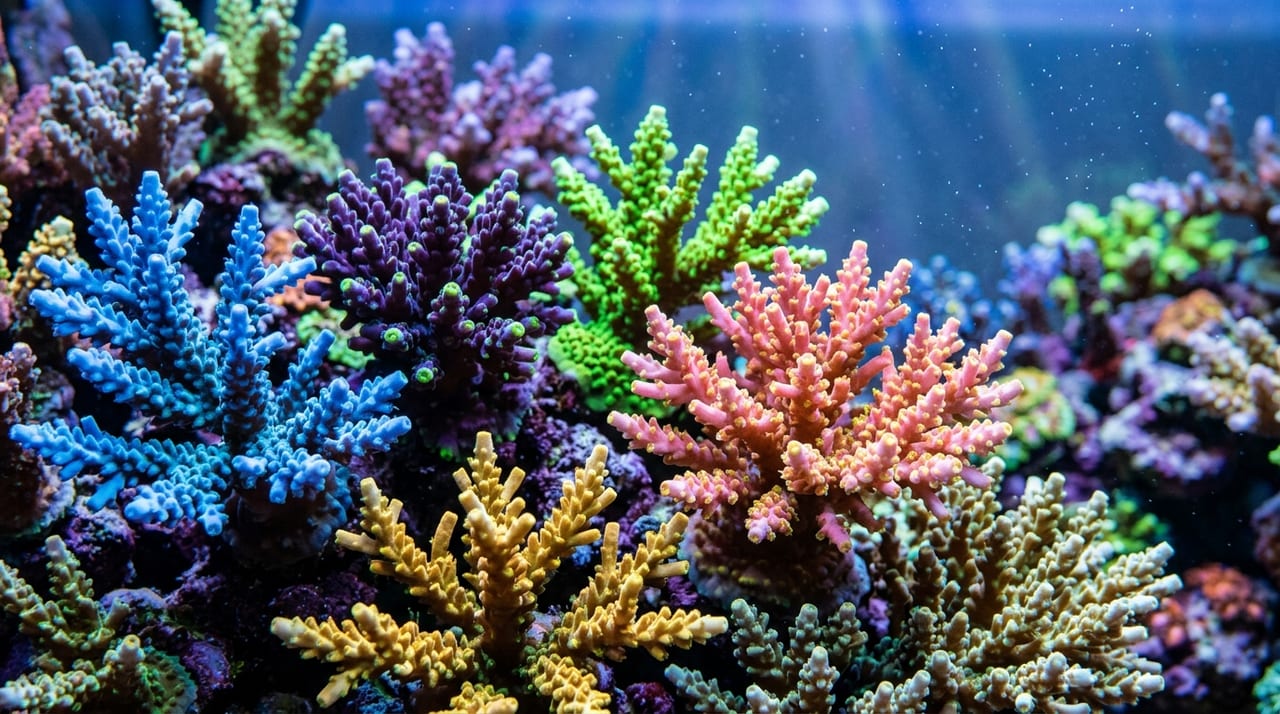
A "mixed-reef" is a style of keeping various corals—including SPS, LPS, and soft corals—alongside saltwater fish in the same tank. A tank where the sculpted beauty and vibrant colors of corals blend with the three-dimensional movement of fish captures the very essence of saltwater aquarium keeping.
However, mixed-reefs have one fundamental prerequisite: choosing the wrong fish risks complete destruction of your corals from predation and stress. Unlike coral-only tanks where water quality alone suffices, mixed-reefs introduce the variable of "compatibility between organisms." This article provides detailed guidance on the criteria for choosing fish that won't fail, along with practical compatibility examples.
Characteristics of Reef-Safe Fish and How to Evaluate Them
"Reef-safe" refers to fish that don't eat corals, peck at them, or cause excessive stress. However, this is merely a trend by species, and individual variation always exists. Reports of reef-safe species still pecking at corals depending on the individual are not uncommon.
When evaluating reef-safety, it's important to consider these three perspectives:
① Diet: Fish that primarily feed on coral polyps or mucus are ruled out. Plankton-eaters, algae-eaters, and carnivores (crustacean-eaters) are generally safe.
② Mouth Shape and Size: Butterflyfish with their tweezers-like narrow mouths are structured to easily nip at polyps. Conversely, gobies and clownfish with smaller, rounder mouths are less likely to damage corals.
③ Individual Temperament: Even within the same species, specimens raised from juveniles may be safe while wild-caught individuals might peck. Close observation during the initial introduction period is essential.
Recommended Fish Species: Mixed-Reef Classics
Clownfish (Nemo Species)
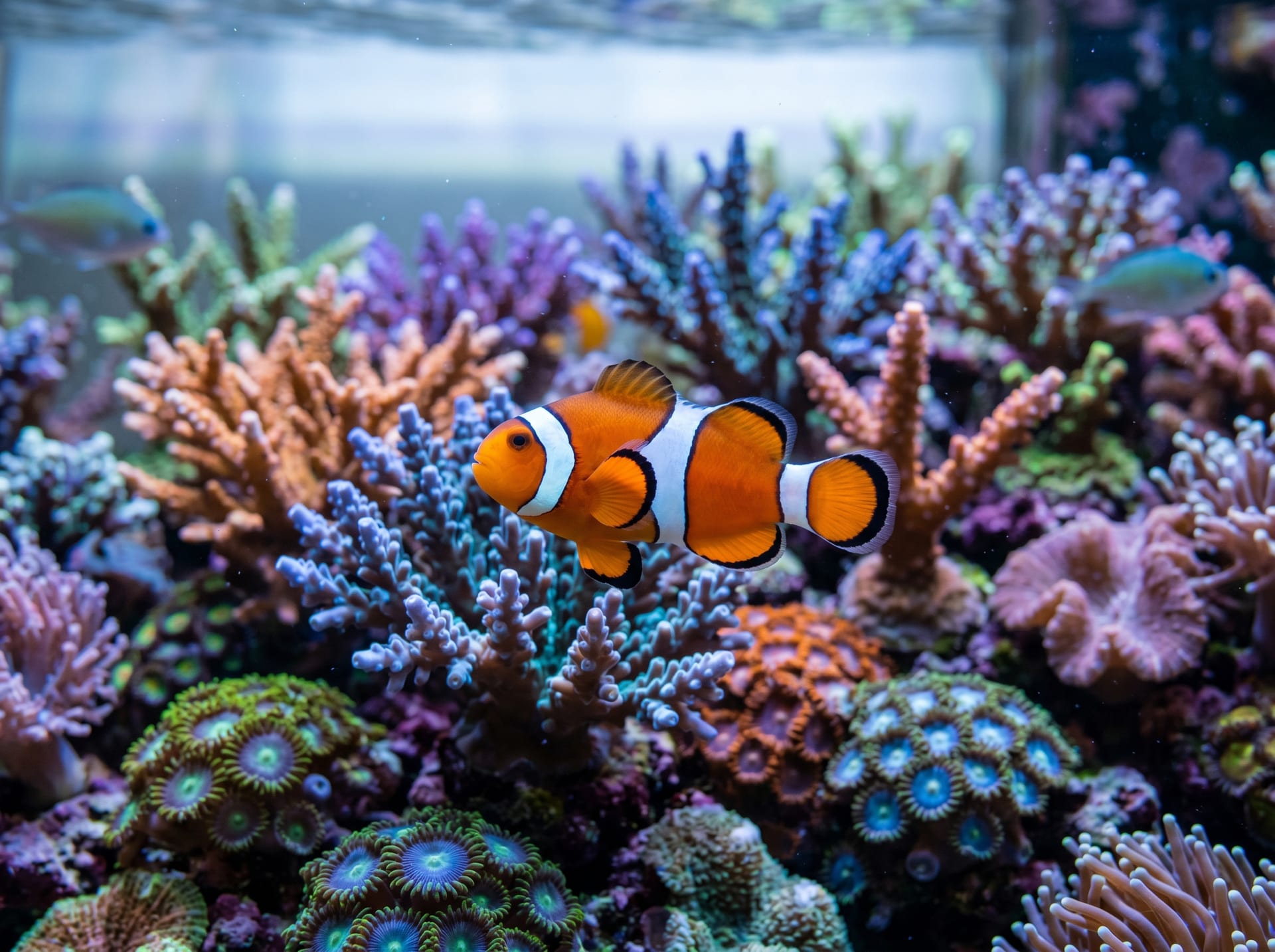
Ocellaris clownfish, pink skunk clownfish, and black ocellaris are the most reliable fish for mixed-reefs. While they're territorial and will chase conspecifics and closely related species, they virtually never eat corals themselves. Introducing a pair and placing an anemone allows you to observe spawning behavior. Note that anemones can harm LPS corals if they come into contact, so careful layout planning is necessary.
Blue Damselfish
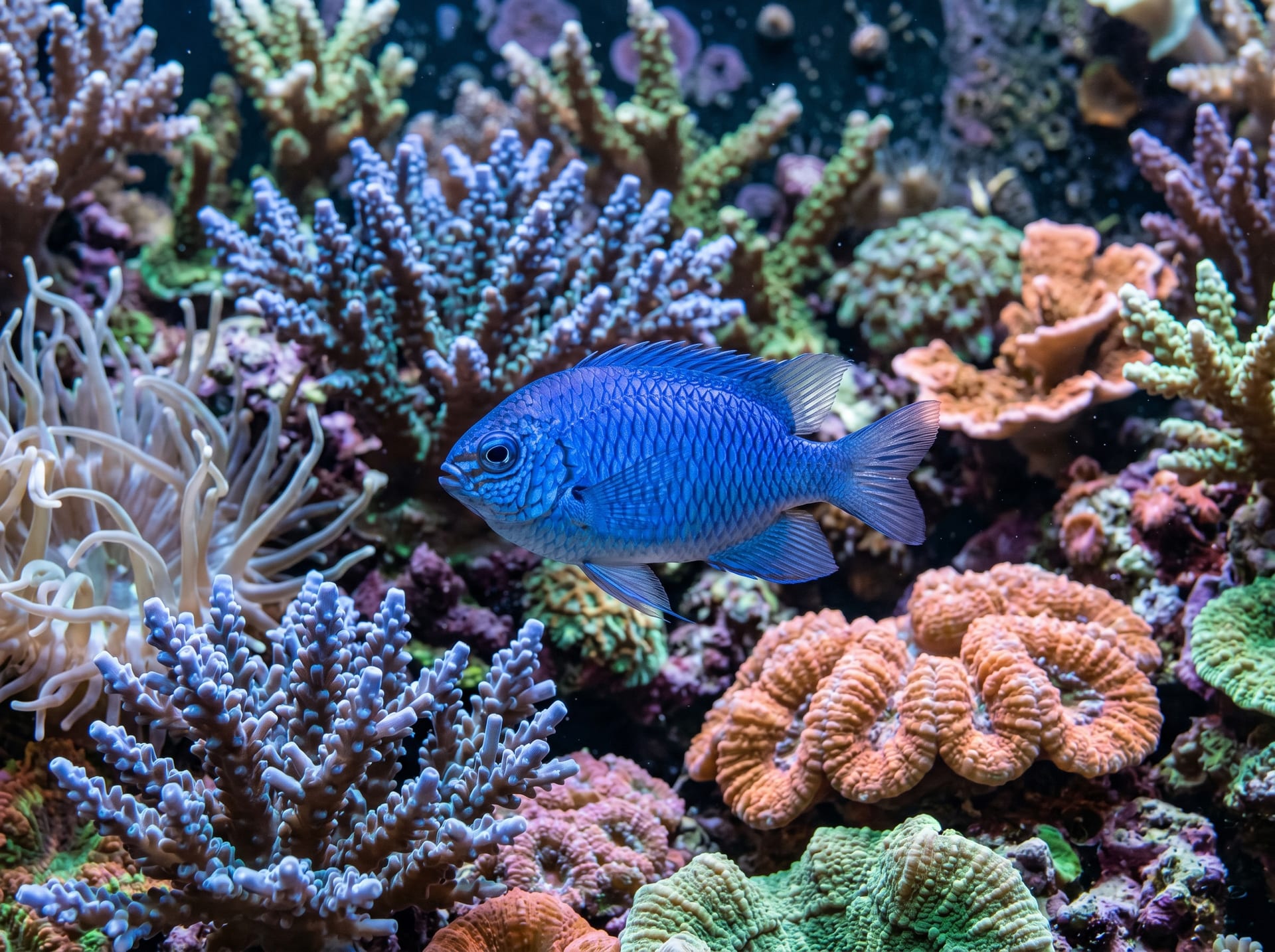
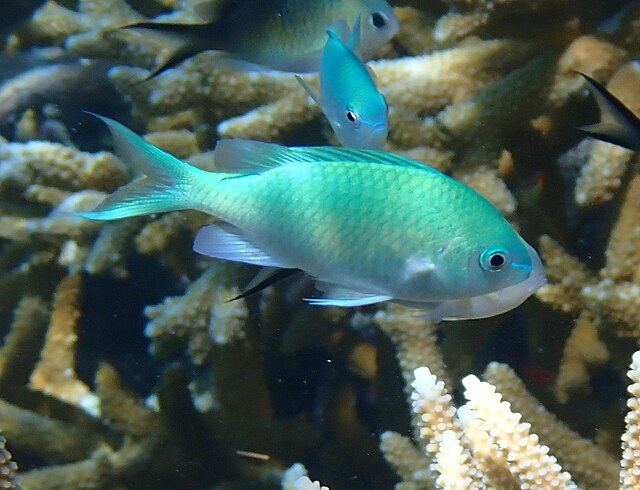
This small damselfish around 5 cm in length is stunning when schooled, displaying a vibrant turquoise color. They pose little risk to corals and are easy for beginners to manage. However, placing multiple fish in a confined space leads to intraspecific chasing, so provide multiple hiding spots using plants and rock arrangements.
Gobies
Sand-dwelling gobies like jawfish, flagfin jawfish, and white-stripe goby are excellent choices for mixed-reefs. Their burrowing habit helps stir detritus and prevents bottom substrate from becoming anaerobic. You can observe symbiosis with pistol shrimp, adding ecological interest. Since they rarely venture into open water with current, their impact on corals is virtually zero.
Dwarf Angelfish (Small Angels)
Most small Pomacanthidae angelfish, such as bicolor dottyback, flame angelfish, and coral beauty angelfish, are reef-safe. However, some Centropyge species (golden angelfish, cherub angelfish, etc.) have been reported to peck at soft coral polyps. Monitor closely for the first two weeks after introduction, and establish a protocol to isolate the fish quickly if problems arise.
Lyretail Anthias and Similar Species
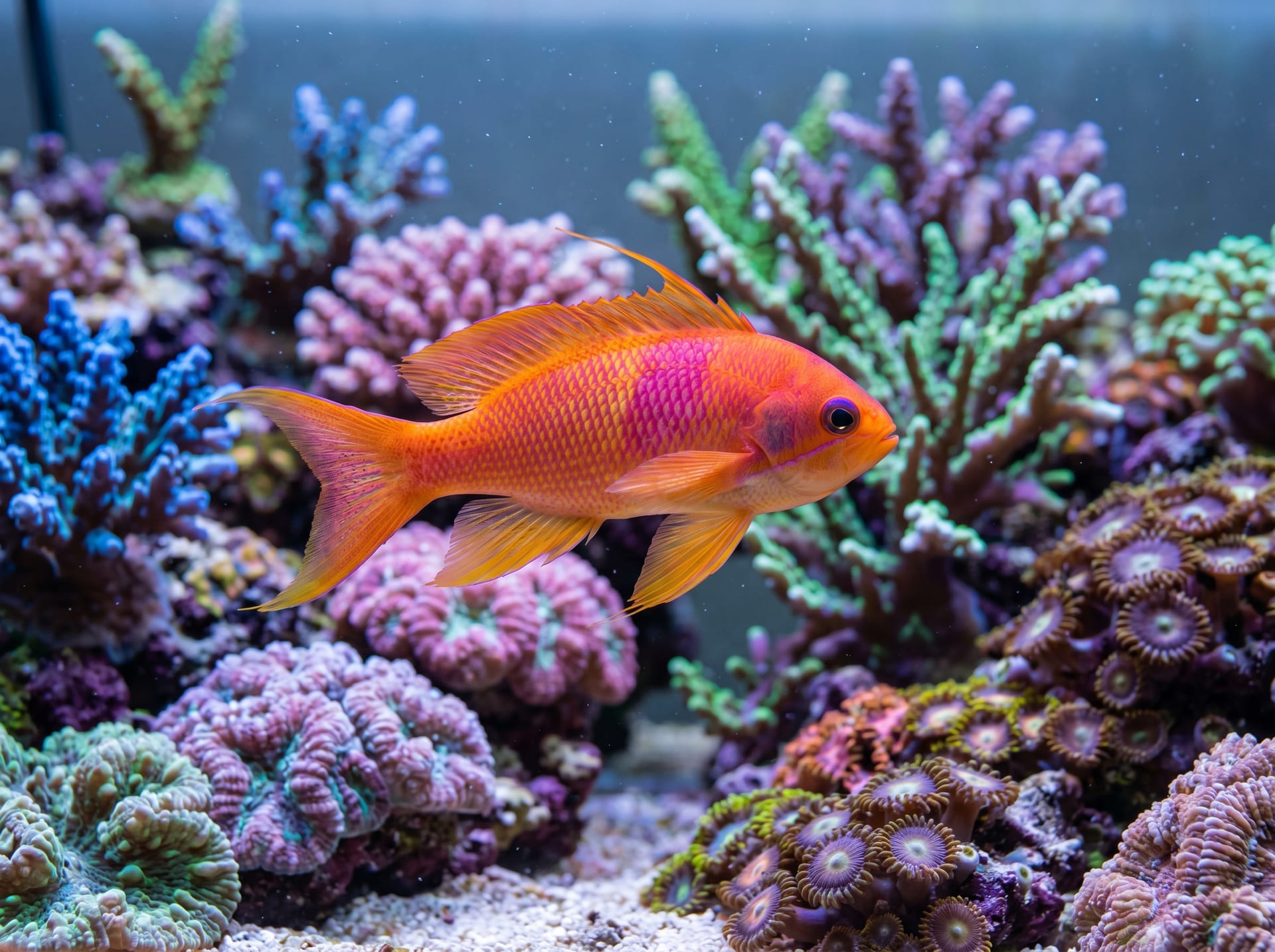
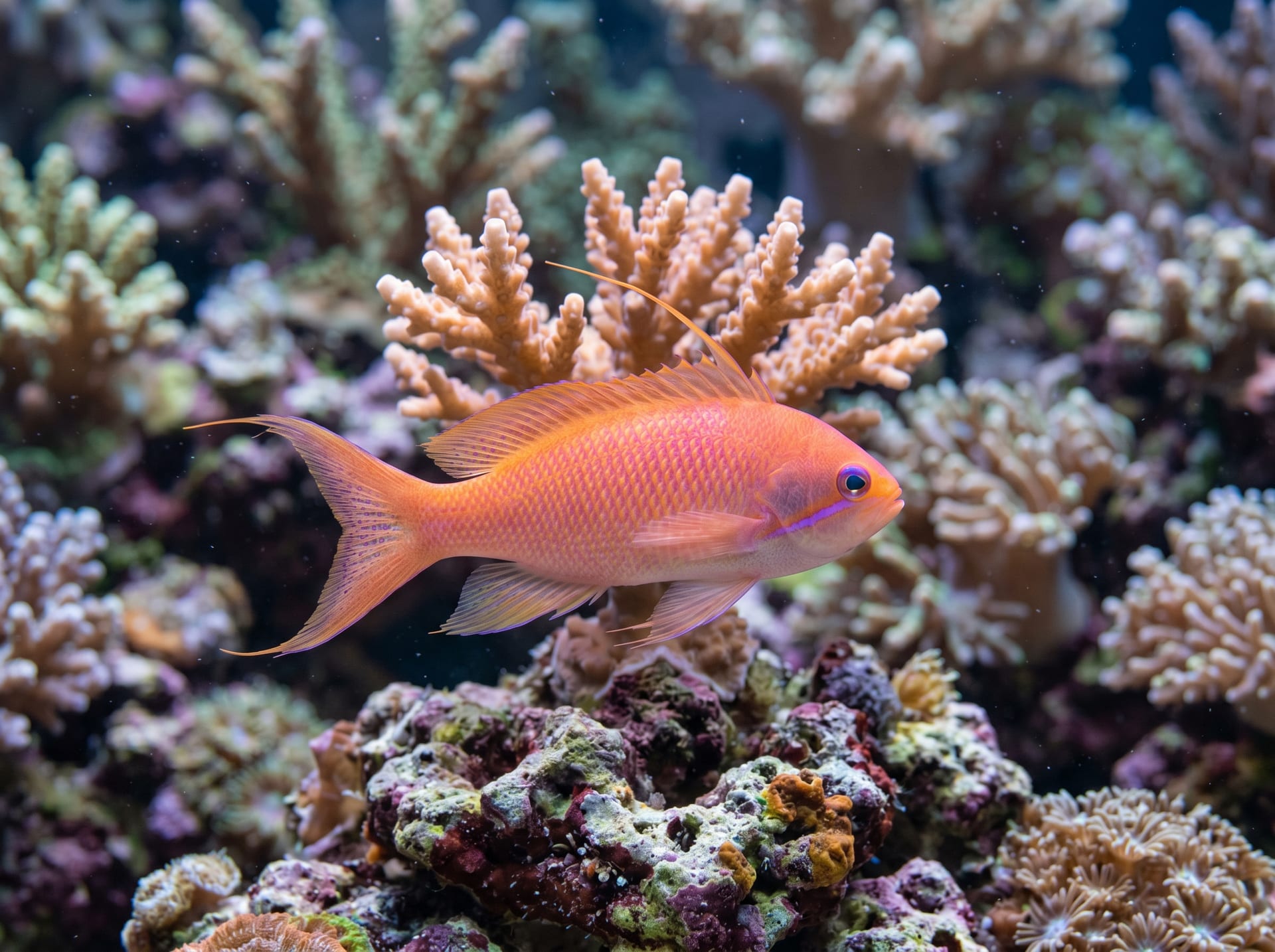
These vibrant orange and red mid-water swimmers add color to your tank. They pose no risk to corals, and schooling multiple individuals creates the dynamic beauty characteristic of mixed-reefs. Males are territorial, so in a 60 cm tank, the standard setup is one male with multiple females.
Fish Requiring Caution and Species to Avoid
Butterflyfish
Most species primarily feed on coral polyps, making them generally unsuitable for mixed-reefs. Exceptions like pyramid butterflyfish and coronet butterflyfish are considered reef-safe, but individual variation still exists. Introducing them simply because they're beautiful is risky.
Large Angelfish
Large angelfish exceeding 20 cm, such as blue-girdled angelfish and golden angelfish, have impressive presence but many individuals peck at soft corals. While relatively safer in SPS-dominant tanks, long-term monitoring in an environment with isolation capability is essential.
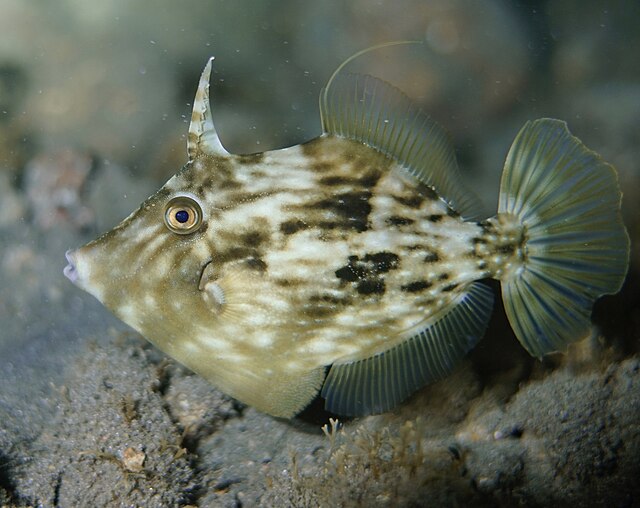
Triggerfish and Pufferfish
These have powerful teeth that crush crustaceans, corals, and mollusks. Their compatibility with mixed-reefs is terrible, and introduction should be avoided.
Nudibranchs and Some Sea Cucumbers
Though not fish, coral-eating nudibranchs can completely wipe out corals in a short time if they sneak into your tank. Carefully inspect specimens at purchase, and be cautious about bringing in unidentified small organisms.
Stocking Numbers and Density Guidelines
In mixed-reefs, the rule is fewer fish, richer corals. Too many fish cause nitrate and phosphate accumulation, leading to coral bleaching and growth arrest.
Use these guidelines as reference:
| Tank Size | Fish Limit (5 cm body length equivalent) |
|---|---|
| 60 cm (~80L) | 3–5 fish |
| 90 cm (~200L) | 6–10 fish |
| 120 cm (~350L) | 12–18 fish |
If you want to add more fish, you must upgrade your protein skimmer to 1.5–2 times the tank volume and perform weekly water changes of 10–15% of total volume.
Mixed-Reef Fish Compatibility Examples
Natural Reef Style (60 cm Tank)
- Ocellaris Clownfish × 2 (pair)
- Flame Angelfish × 1
- Jawfish + Pistol Shrimp × 1 pair
Total: 3 species, 5 fish. Minimal water quality burden—the ideal starter mixed-reef setup.
Colorful Schooling Style (90 cm Tank)
- Ocellaris Clownfish × 2
- Lyretail Anthias (1 male, 3 females) × 4
- Blue Damselfish × 5 (schooling)
- White-stripe Goby + Pistol Shrimp × 1 pair
Total: 12 fish. Uses all water columns—mid, upper, and lower—for an active, dynamic display. Skimmer upgrades are essential.
Summary: Building Your Mixed-Reef Patiently with Observation
The success of your mixed-reef depends on carefully selecting a small number of reef-safe fish and never neglecting observation after introduction. The most dangerous mistake is assuming "this fish should be fine." When adding new fish, always use an isolation box or separate tank, confirming the absence of problem behavior before introducing them to the main tank—a gradual integration approach is ideal.
Once your husbandry environment—water quality, lighting, and flow—is established, a well-populated mixed-reef becomes a living fragment of the ocean itself. Take your time and build your own unique underwater world.