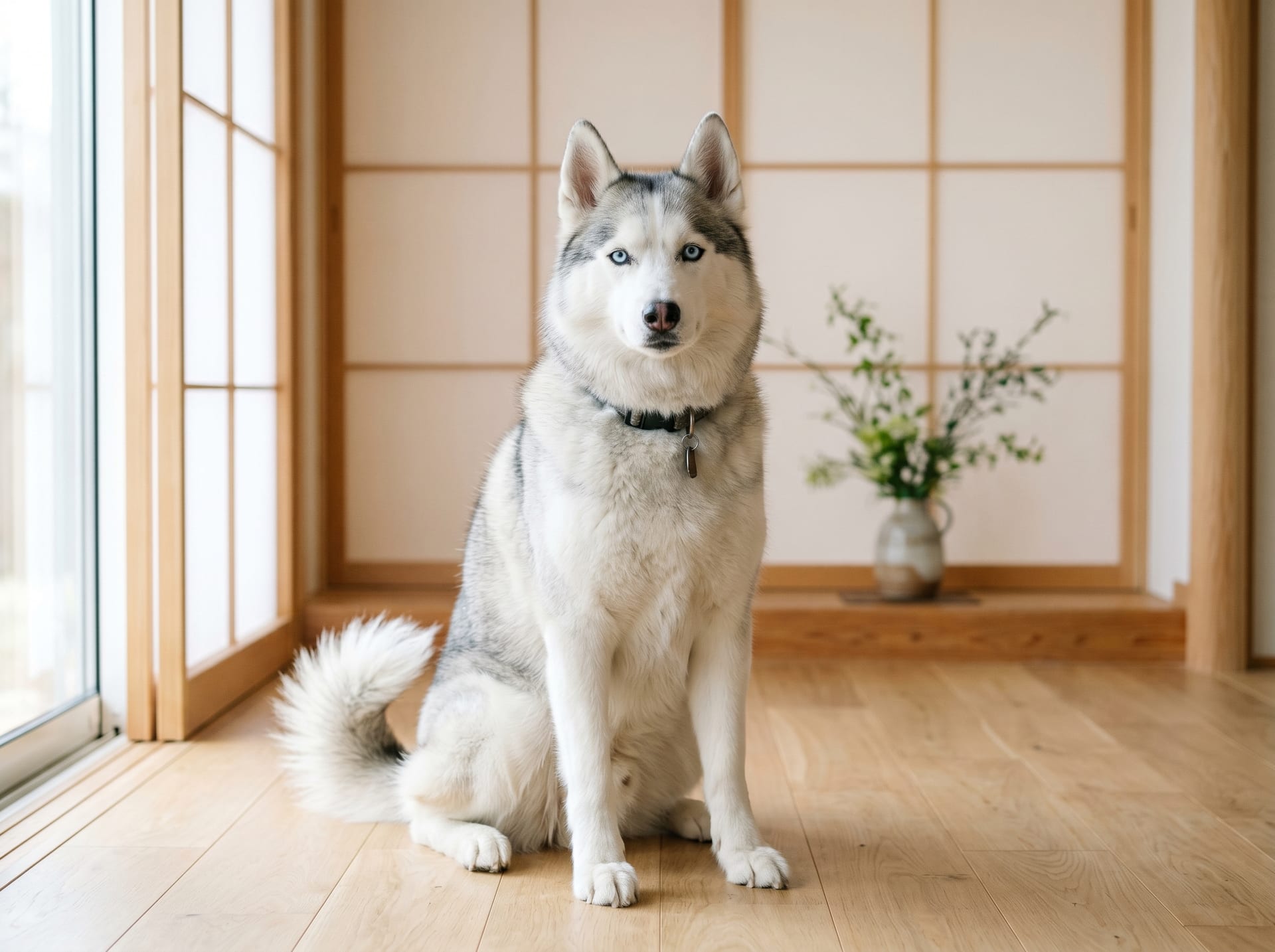
The Charm of Mixed-Breed Dogs: A Care Guide | Health, Lifespan, and Personality Traits
Explains the characteristics and care methods for mixed-breed dogs (mongrels and designer dogs). Introduces the advantages and disadvantages of hybrid vigor, popular designer dogs, and how to choose trustworthy breeders.
Key Takeaways
Explains the characteristics and care methods for mixed-breed dogs (mongrels and designer dogs). Introduces the advantages and disadvantages of hybrid vigor, popular designer dogs, and how to choose trustworthy breeders.
In recent years, more households are welcoming mixed-breed dogs (mongrels, crossbreeds) alongside purebreds. Designer dogs created intentionally—such as "Goldendoodles" (Golden Retriever × Poodle) and "Labradoodles" (Labrador Retriever × Poodle)—are also growing in popularity. This article details the characteristics of mixed-breed dogs, health advantages and disadvantages, and key points for raising them.
✍️
BreederDirect Editorial
The BreederDirect editorial team specializes in care information for animals, covering veterinary care and breeding to deliver beginner-friendly guides.
Find Dogs on BreederDirect
Buy directly from verified breeders
Browse Related Listings
Find Dogs listings related to this article on BreederDirect. Buy directly from verified breeders.
Mixed-breed dogs are offspring of two or more dog breeds. They fall into three main categories:
1. Mongrels (Mixes)
Dogs born from unplanned breeding or cross-breeding across multiple generations, not from a specific breed combination. Often adopted as rescue dogs.
2. F1 (First Cross)
The first generation from crossing two purebreds. Parents' traits are inherited 50/50, but individual variation is significant.
3. Designer Dogs
Intentionally bred crosses between specific breeds to achieve certain traits (low allergenicity, specific appearance, etc.).
Popular Designer Dog Examples:
Goldendoodle: Golden Retriever × Poodle
Labradoodle: Labrador Retriever × Poodle
Malpoo: Maltese × Poodle
Pomsky: Pomeranian × Siberian Husky
Corgidog: Corgi × Various breeds
Health Benefits of Mixed-Breed Dogs: "Hybrid Vigor"
Genetically, crossing individuals with different gene pools can produce "hybrid vigor" (or heterosis), a phenomenon that offers several health advantages.
Primary Effects of Hybrid Vigor
Reduced Genetic Disease Risk:
Purebred dogs often have breed-specific genetic diseases spread within the population (e.g., cancer in Golden Retrievers, hip dysplasia in German Shepherds). Mixed-breed dogs distribute these breed-specific genetic disease risks, reducing individual susceptibility.
Enhanced Immune Function:
A diverse genetic foundation generally strengthens immune systems, increasing resistance to infection and disease.
Lifespan Impact:
Some research suggests mixed-breed dogs live longer on average than purebreds, though this varies significantly by breed, size, and living environment.
Important Caveat: Hybrid Vigor Is Not a Cure-All
Hybrid vigor does not prevent all health issues. Crosses between closely related breeds show limited genetic diversity benefits. Additionally, unscrupulous breeders of designer dogs may not conduct genetic health screening on parents, significantly increasing health risks.
Personality and Behavioral Traits of Mixed-Breed Dogs
Mixed-breed personality is influenced by parent breeds, but predicting the outcome is challenging.
The Challenge of Predicting F1 Mixed Personality
For example, a Goldendoodle may inherit the Golden Retriever's calm temperament and the Poodle's intelligence, but some individuals may display stronger traits from one parent, or develop entirely unique personalities different from both.
Common Traits Often Seen in Mixed-Breed Dogs
High Adaptability: Many mixed-breed dogs excel at adapting to environmental changes due to diverse genetic and developmental backgrounds
Strong Communication Skills: Inherent to all dogs due to their long history of coexistence with humans
Mixed-breed exercise requirements vary greatly depending on parent breeds. If high-energy breeds (Border Collies, Labradors, etc.) are part of the lineage, substantial daily exercise is essential.
Predicting adult body type and weight for mixed-breed dogs is difficult. If significant growth is expected, joint support becomes particularly important.
Diet Selection Tips:
Calculate calories based on current weight
Monitor body condition (ideal is being able to feel ribs by touch)
During growth, adjust portions based on weight and development rather than age alone
Consider large-breed formulas if the dog has large-breed characteristics
Coat Care: Unpredictable Coat Quality
Mixed-breed coat characteristics often fall between parent breeds, but are difficult to predict.
Care by Coat Type:
Coat Type
Characteristics
Care Frequency
Short
Heavy shedding possible
Brush 1–2x weekly
Long
Tangles easily
Daily brushing
Curly (Poodle-type)
Low shedding but prone to matting
Daily brushing + professional grooming every 3 months
Double Coat
Heavy seasonal shedding
Daily brushing during shedding season
Importance of Regular Health Checkups
While mixed-breed dogs generally have dispersed genetic disease risks, regular veterinary checkups are essential. If parent breeds are known, consult your veterinarian about screening for diseases common to those breeds.
Age-Based Checkup Frequency:
Ages 1–7: Once yearly
Ages 7+ (senior): Twice yearly
Large-breed dogs: Senior phase begins at age 6
Important Considerations When Adopting a Mixed-Breed Dog from a Breeder
The serious problem of "puppy mills"—facilities breeding designer dogs in poor conditions—has become critical in recent years.
Characteristics of Reputable Breeders
Health Testing: Both parents have undergone OFA (hip), eye disease, and breed-specific genetic screening
Living Conditions: Clean, spacious breeding environments
Transparency: Willing to show parent documents and health certificates
Support: Provide lifetime support
Release Age: Puppies released at 8 weeks or older minimum
Red Flags to Avoid
Constantly breeding and selling multiple breeds in large numbers
Unwilling to show parents or providing only photos
No health guarantees
Suspiciously low prices (or high prices without transparency)
Online-only sales with no in-person contact
Adoption from Rescue Organizations as an Alternative
Shelters and rescue organizations have many mixed-breed dogs awaiting homes. Since age and personality are partially known, it's easier to match a dog to your lifestyle. Adopting an adult mixed-breed dog offers the benefit of skipping the challenging puppy phase while gaining a wonderful family companion.
Summary
Mixed-breed dogs offer unique charm and individuality distinct from purebreds. While hybrid vigor offers potential health benefits, these are not guaranteed, and appropriate care and regular health management are just as important as with purebreds.
When selecting a designer dog, adopt from a reputable breeder whose parents have passed health screenings. Rescue organization adoption also offers wonderful opportunities to meet a fantastic mixed-breed dog. Regardless of origin, a mixed-breed dog can become a wonderful partner through love and proper care.