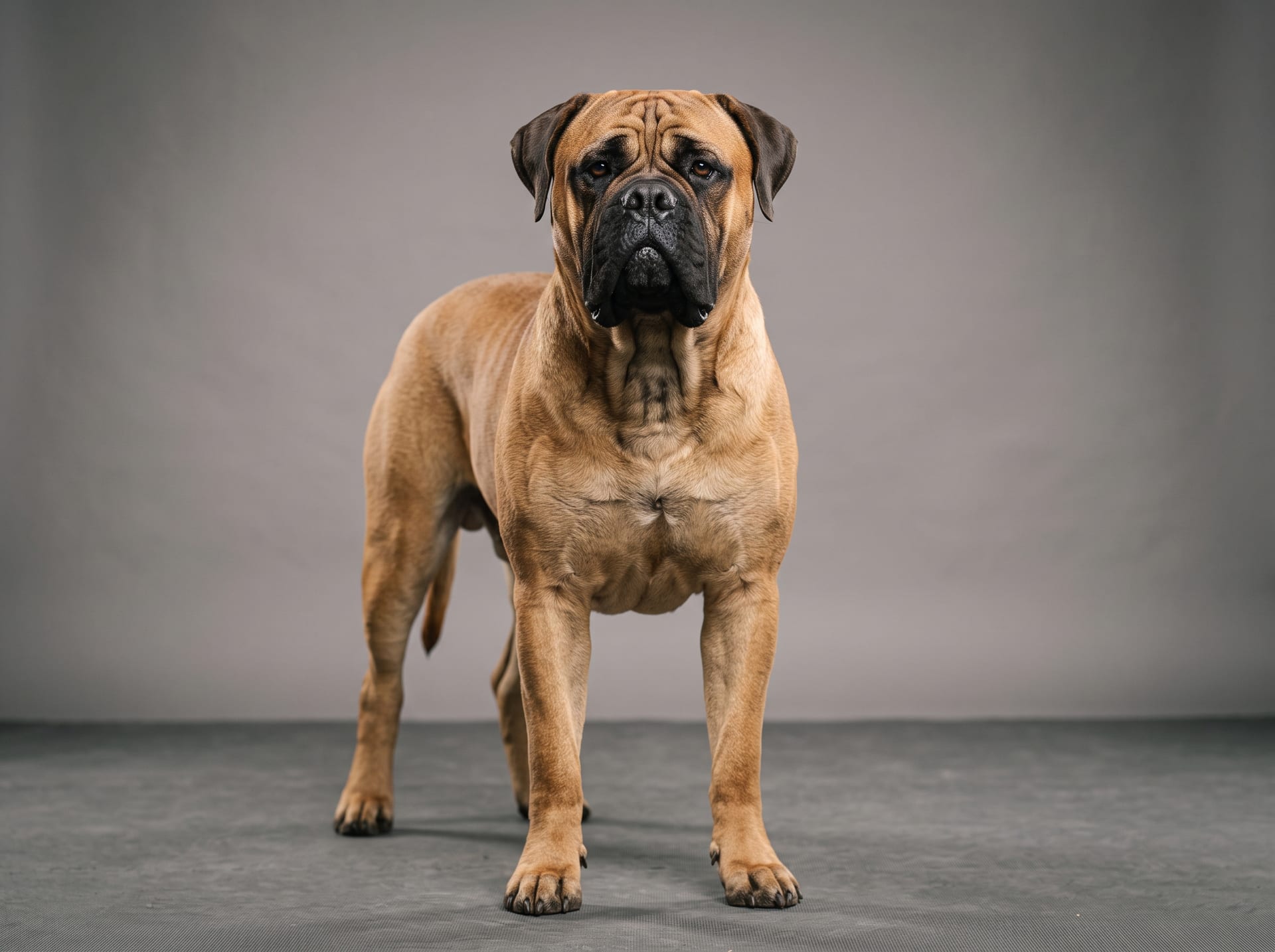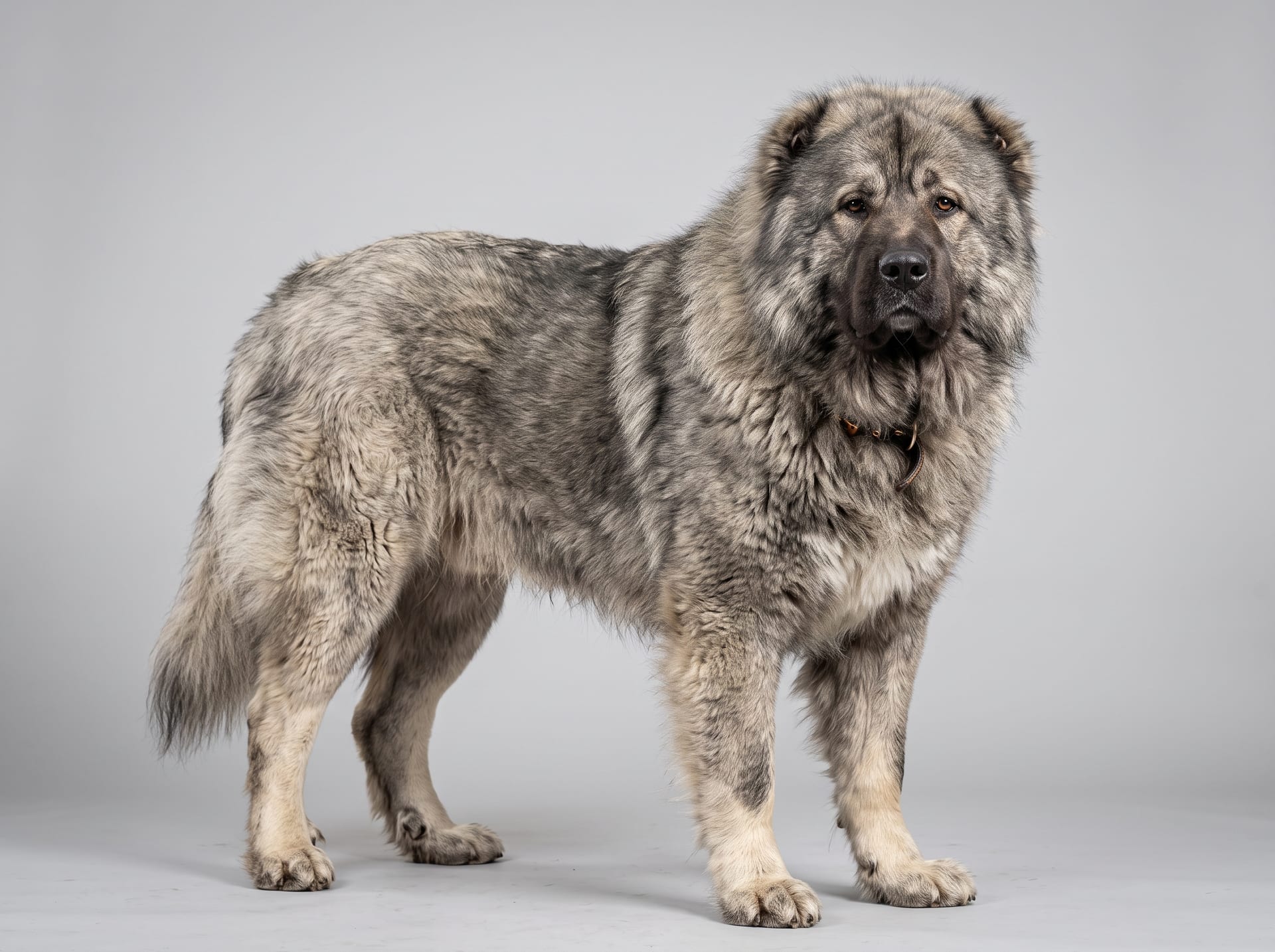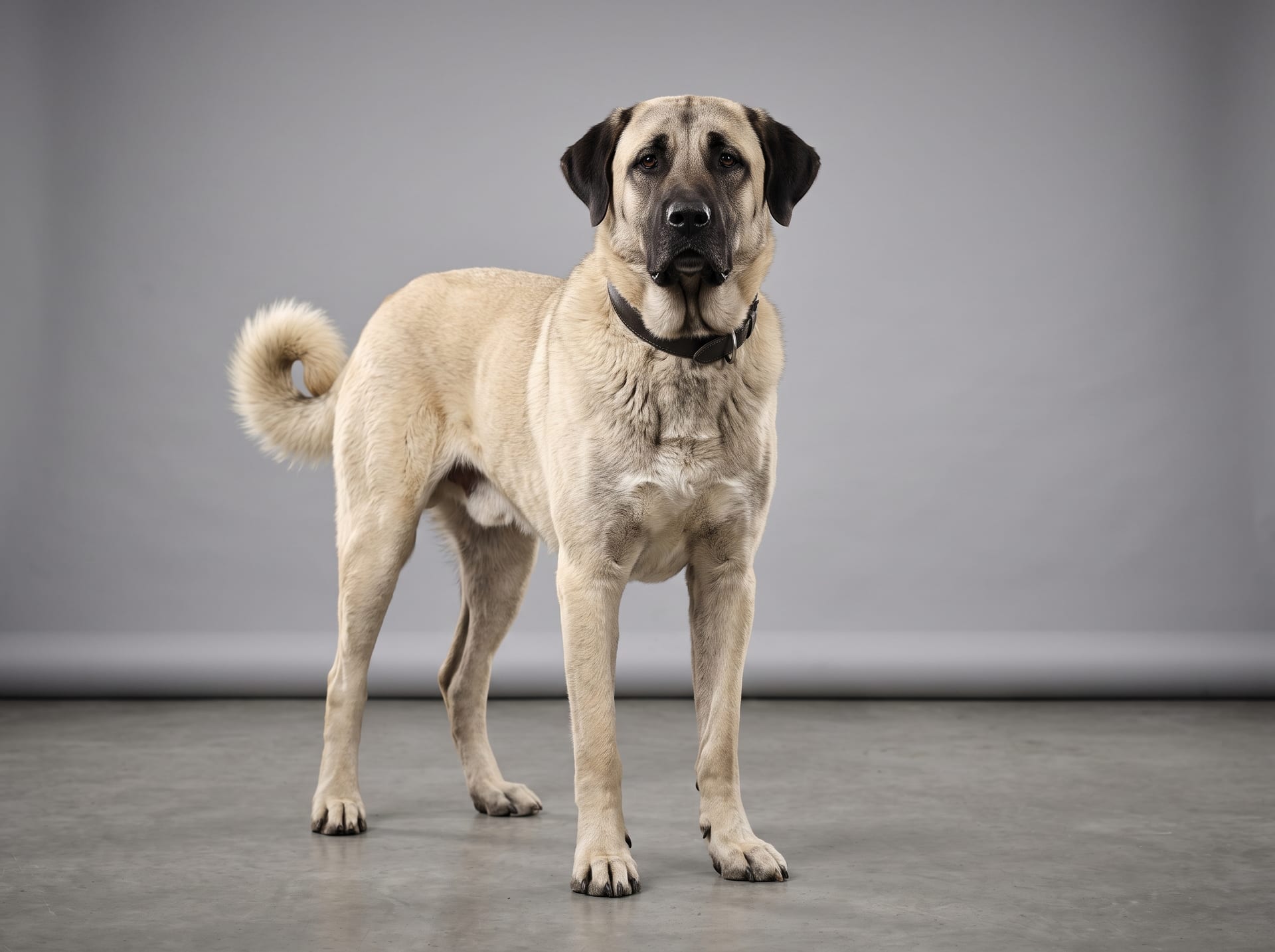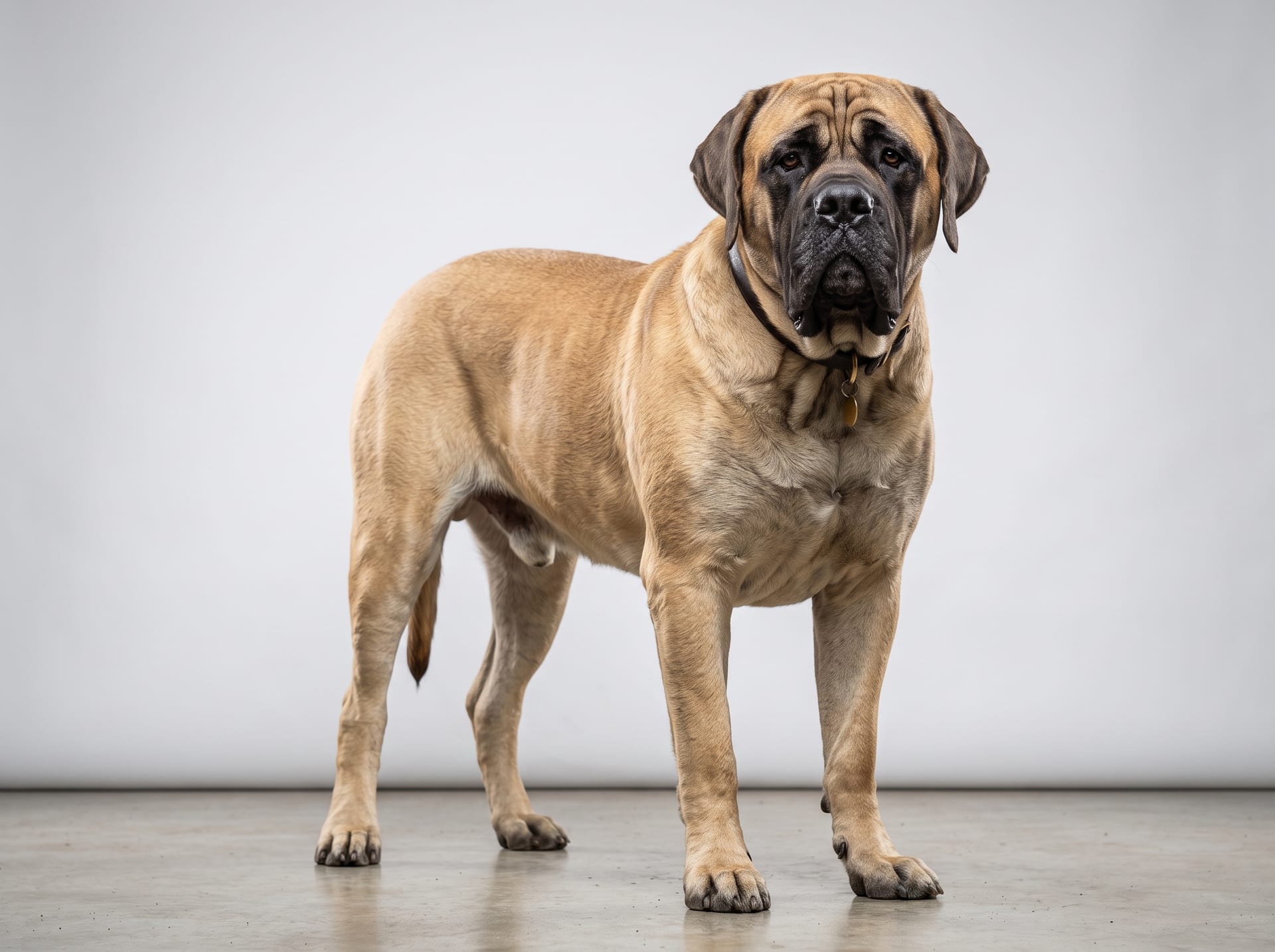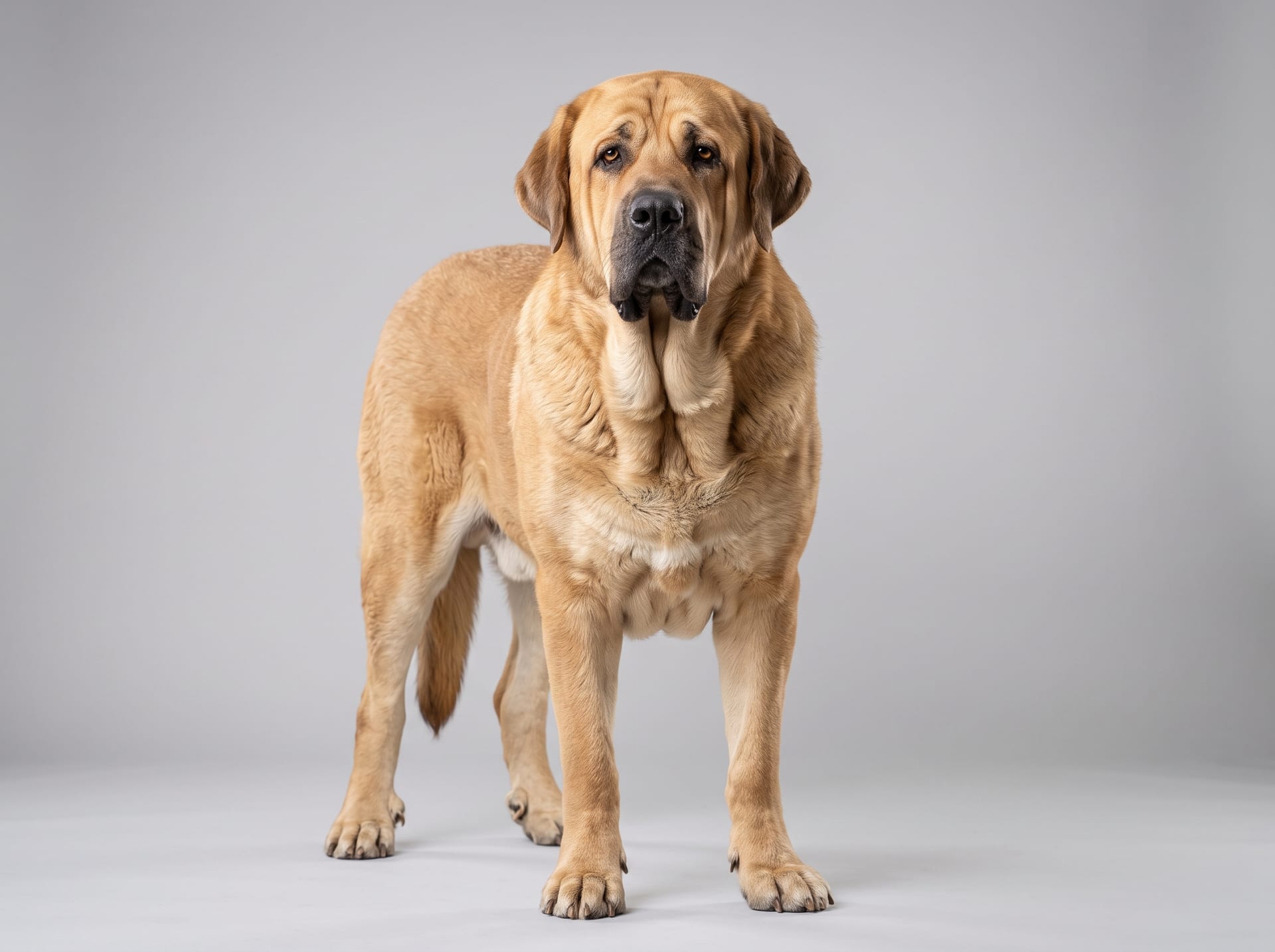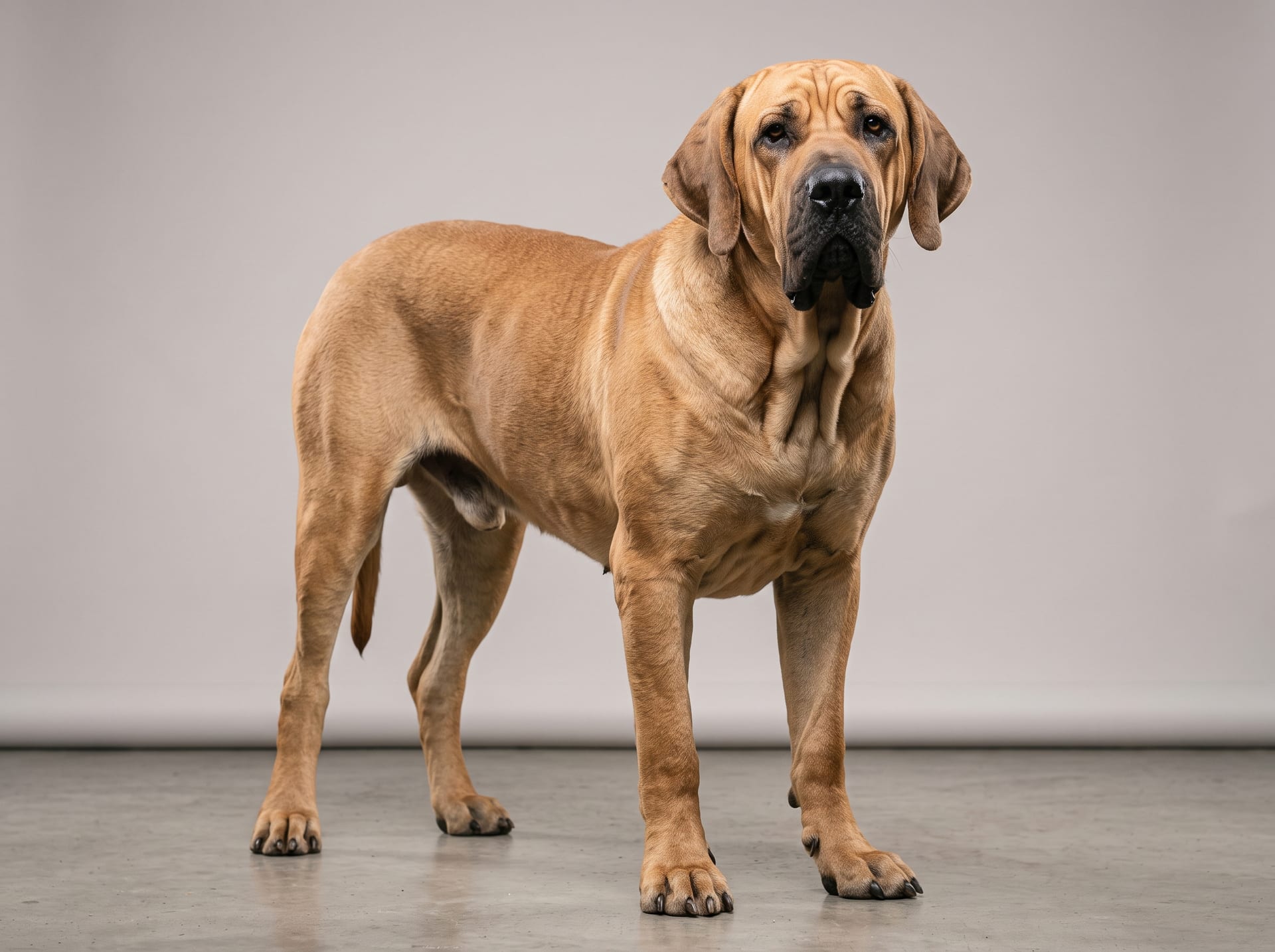
AI-generated image
Brazilian Guard Dog
AdvancedA rare South American guardian breed alongside the Dogo Argentino. So devoted that its loyalty is proverbial in Brazil.
Difficulty
Advanced
Temperature
18〜26℃
Lifespan
9-11 years
Size
Height 60-75cm / Weight 40kg+
Diet
High-quality large-breed dog food. Feed 2-3 smaller meals daily to help prevent bloat.
About
The Brazilian Guard Dog is a rare South American molosser developed in Brazil from Spanish Mastiffs, Bordeaux Mastiffs, Bloodhounds, Bulldogs and Mastiffs brought by 17th-century Iberian colonizers, used for tracking and livestock guarding. Famously loyal to its family and patient with children, yet deeply wary of strangers, it demands thorough socialization and an experienced owner.
Lifespan of the Brazilian Guard Dog
The Brazilian Guard Dog lives 9-11 years.
Size of the Brazilian Guard Dog
The Brazilian Guard Dog grows to Height 60-75cm / Weight 40kg+.
Basic Info
Origin
Brazil
Lifespan
9-11 years
Size
Height 60-75cm / Weight 40kg+
Temperature
18〜26℃
Diet
High-quality large-breed dog food. Feed 2-3 smaller meals daily to help prevent bloat.
Care Guide
Temperament
References & Sources
Edited & verified by: BreederDirect editorial team
The taxonomic, regulatory, and husbandry data on this page are compiled and verified against the authoritative primary sources below.
Primary sources
Taxonomy & Authority
Authority databases: JKC (Japan Kennel Club) breed profiles (JA)
Nomenclature follows global taxonomic authority databases.
Brazilian Guard Dog Listings
Loading latest listingsFind listings for this species