Breed-Specific Regulations and Bite Accident Legal Guide | Responsibility and Administrative Procedures for Large Dogs and Pit Bull-Type Breeds
An explanation of Japan's current breed-specific regulations and the legal responsibilities of dog owners in bite accident cases. Practical guidance on civil, criminal, and administrative liability, large dog management obligations, microchip mandates, and risk management for accident prevention.
Key Takeaways
An explanation of Japan's current breed-specific regulations and the legal responsibilities of dog owners in bite accident cases. Practical guidance on civil, criminal, and administrative liability, large dog management obligations, microchip mandates, and risk management for accident prevention.
Current Status of Breed-Specific Regulations in Japan
✍️
BreederDirect Editorial
The BreederDirect editorial team specializes in care information for animals, covering veterinary care and breeding to deliver beginner-friendly guides.
Find Dogs on BreederDirect
Buy directly from verified breeders
Browse Related Listings
Find Dogs listings related to this article on BreederDirect. Buy directly from verified breeders.
Currently, Japan has no national-level legislation that prohibits the ownership of specific dog breeds. However, the Animal Welfare and Management Act (AWMA) and local ordinances established by prefectures and municipalities impose strict obligations for the management of large dogs and dogs with high bite risk.
The 2019 amendments to the AWMA strengthened requirements including the mandatory microchipping of dogs and cats purchased from breeders and pet shops, ensuring appropriate living environments, and enforcing lifelong care. Rather than regulations targeting specific breeds, the system has been developed around the principle of "appropriately managing dog care according to the dog's actual size and aggression level."
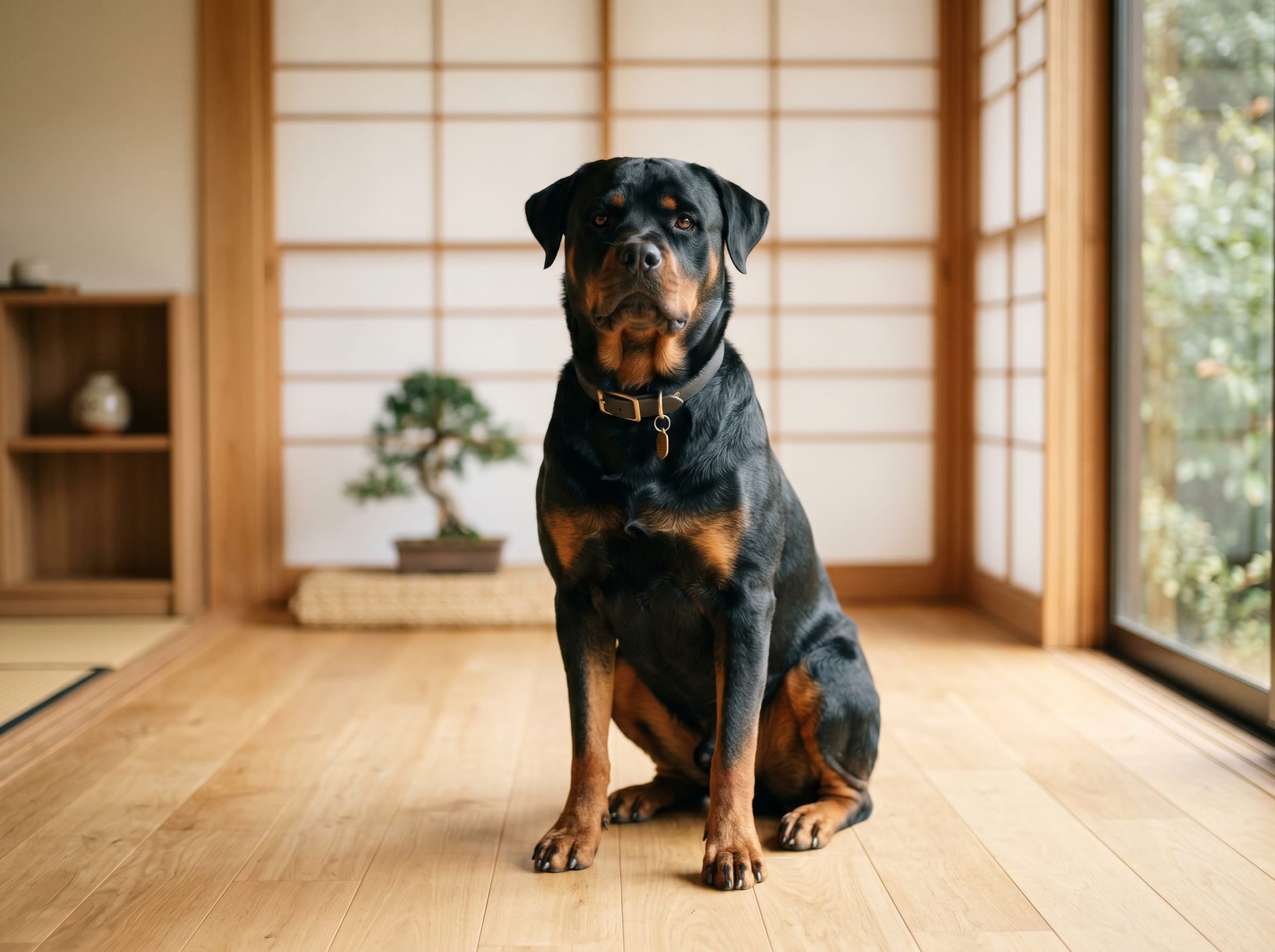
By contrast, countries and regions such as the United Kingdom, Germany, parts of Canada, and certain areas of Australia have BSL (Breed-Specific Legislation) targeting pit bull terriers, German Shepherds, Rottweilers, and similar breeds, with restrictions on importation, breeding, and ownership. When bringing a dog from abroad to Japan or relocating abroad with a dog, it is essential to verify the regulations of the destination country beforehand.
---
Legal Responsibility in Bite Accident Cases
Civil Liability (Damages)
When a dog bites another person, the owner is generally held liable without fault under Civil Code Article 718 (liability of animal keepers). In other words, even if an owner claims they exercised care in managing the dog, this alone is not sufficient to escape liability. Damages may include medical treatment costs, compensation for suffering, and lost earnings due to lasting injury—amounts that can be substantial.
Some pet insurance policies include liability coverage options. Owners of large or powerful dogs should consider purchasing coverage in case of incidents.
Criminal Liability
When a dog bite results in serious injury or death, charges such as negligent infliction of injury or serious negligence causing death or injury (Penal Code Article 211) may be applied. Such charges apply when negligence in exercising ordinary care is determined. Past court cases have found negligence based on factors such as allowing the dog to roam without a leash, inadequate escape prevention measures, and prior knowledge of aggressive behavior.
---
Administrative Measures and AWMA Obligations
Obligation to Report Bite Incidents
Many prefectural and municipal ordinances mandate reporting dog bites to health centers or animal control agencies. Since reporting requirements and deadlines vary by jurisdiction, it is important to contact the relevant animal administration office (health center, animal welfare center, etc.) promptly following an incident.
Rabies Prevention Act Obligations
Under Japanese law, dog owners are required to obtain annual rabies vaccinations and register their dogs with their municipality to receive an ID tag. Failure to comply results in penalties. Vaccination status may influence legal assessment in bite cases.
Designation of Specified Animals and Dogs
The AWMA requires prefectural governors' permits for keeping "specified animals" (animals with potential to harm people). Under current law, specified animals are mainly wild animals and birds of prey, and common domestic dog breeds are not included; however, some ordinances do establish requirements such as mandatory tethering, muzzle requirements, and facility standards for certain dog breeds.
---
Management Obligations for Keeping Large or Powerful Dogs
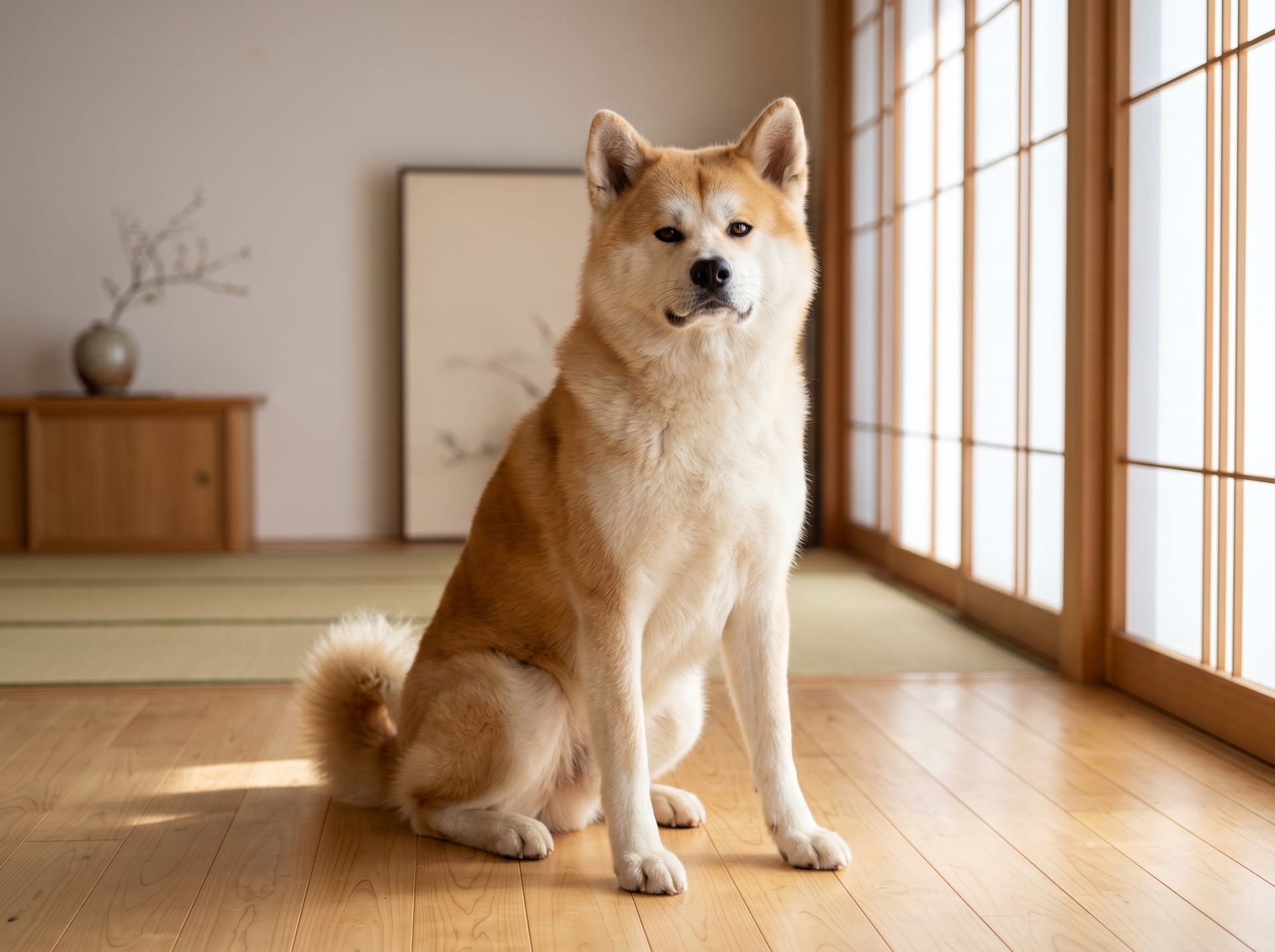
Owners of large or powerful dog breeds such as pit bull types, German Shepherds, and Akitas must recognize their social responsibility beyond legal requirements.
Daily Management Guidelines
Leash and Muzzle: Always use a leash in public spaces. Consider a muzzle as appropriate. Many municipal ordinances require large dogs to be restrained in public areas.
Escape Prevention: Ensure fences and gates are strong and of sufficient height that the dog cannot jump over.
Visitor Management: Establish procedures to separate and manage the dog when unfamiliar visitors such as delivery personnel or contractors arrive.
Training: Early socialization and obedience training from puppyhood are essential to suppress aggressive behavior. Consulting a professional trainer is also an option.
---
What to Know Before Getting a Dog
Before bringing a large or powerful dog breed into your home, it is important to carefully consider your living environment, family composition, and relationship with neighbors. Honestly assessing whether you can invest time, money, and effort in training and socialization, and whether you are prepared for potential liability, is the foundation for a happy relationship between dog and owner.
br-choku has many breeders of large and guard dog breeds registered, who provide information on breed characteristics, necessary training, and legal considerations for each breed. For a safe and secure life with your dog, please consider welcoming your dog from a trusted breeder.