Dog Care Guide by Size | Exercise, Housing, and Precautions for Small, Medium, and Large Dogs
A comprehensive guide explaining exercise needs, housing space, food requirements, and health risks for small, medium, and large dogs. This complete guide helps you choose the right dog size for your lifestyle and living environment.
Key Takeaways
A comprehensive guide explaining exercise needs, housing space, food requirements, and health risks for small, medium, and large dogs. This complete guide helps you choose the right dog size for your lifestyle and living environment.
Related Species
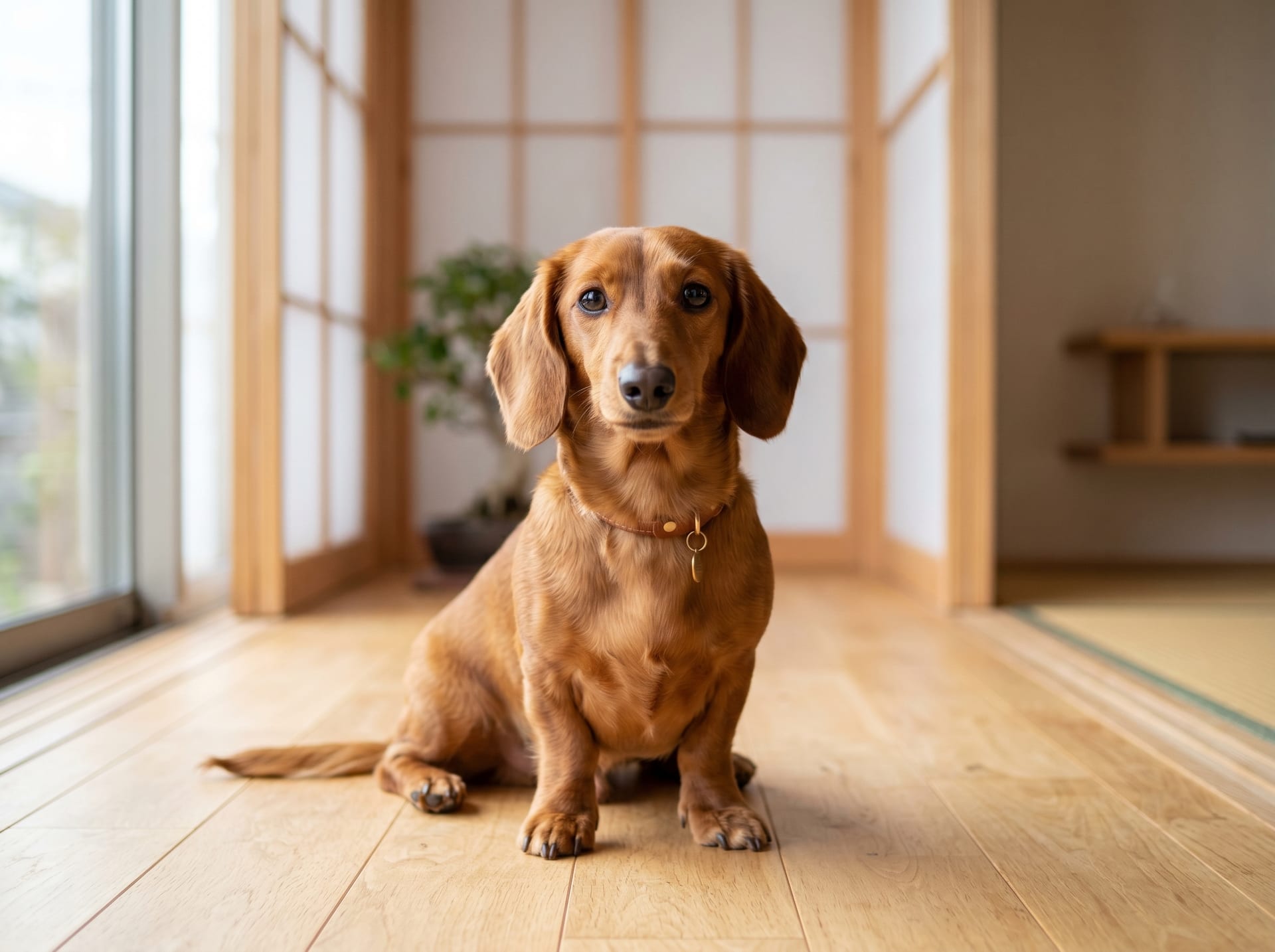
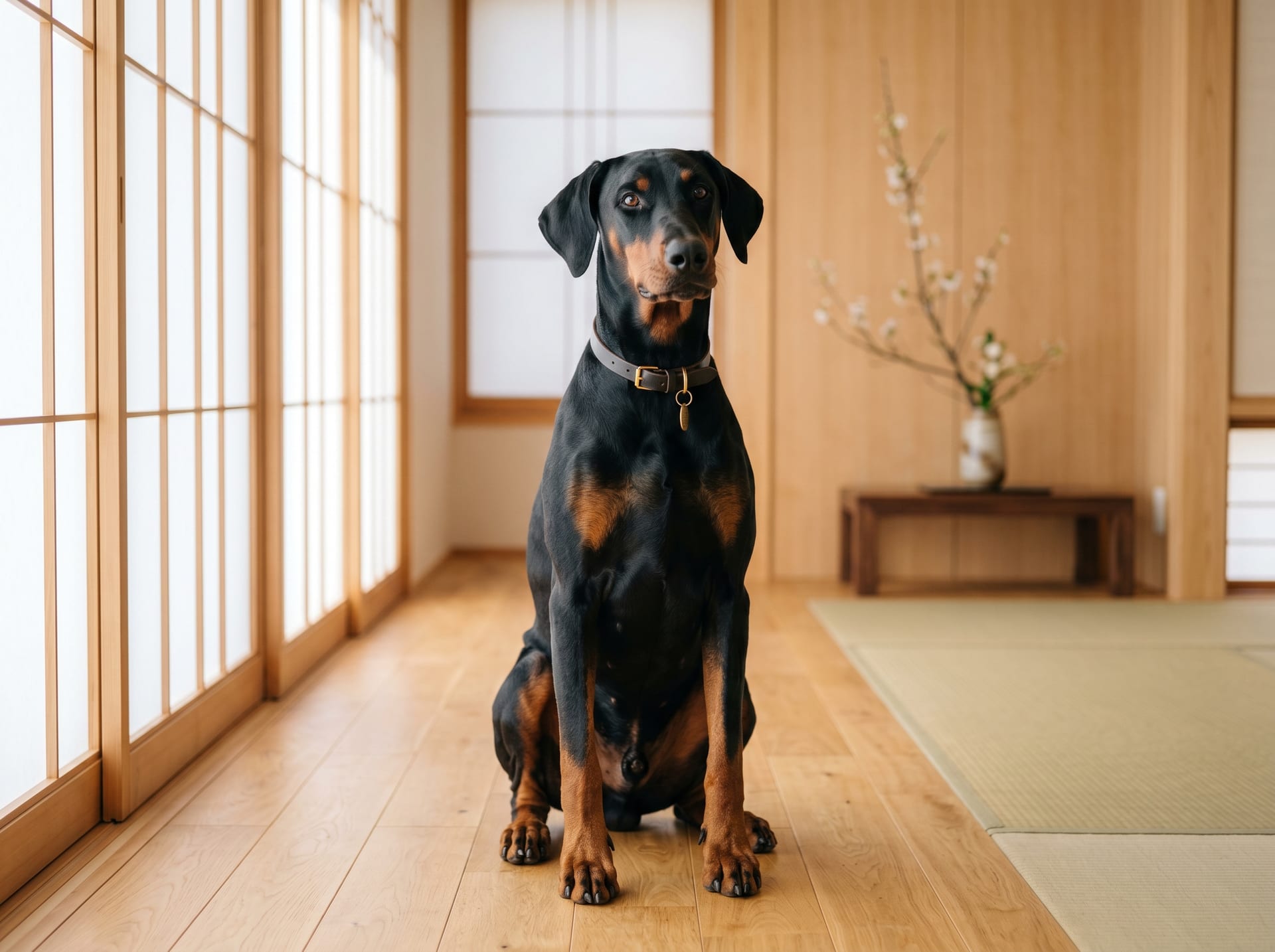
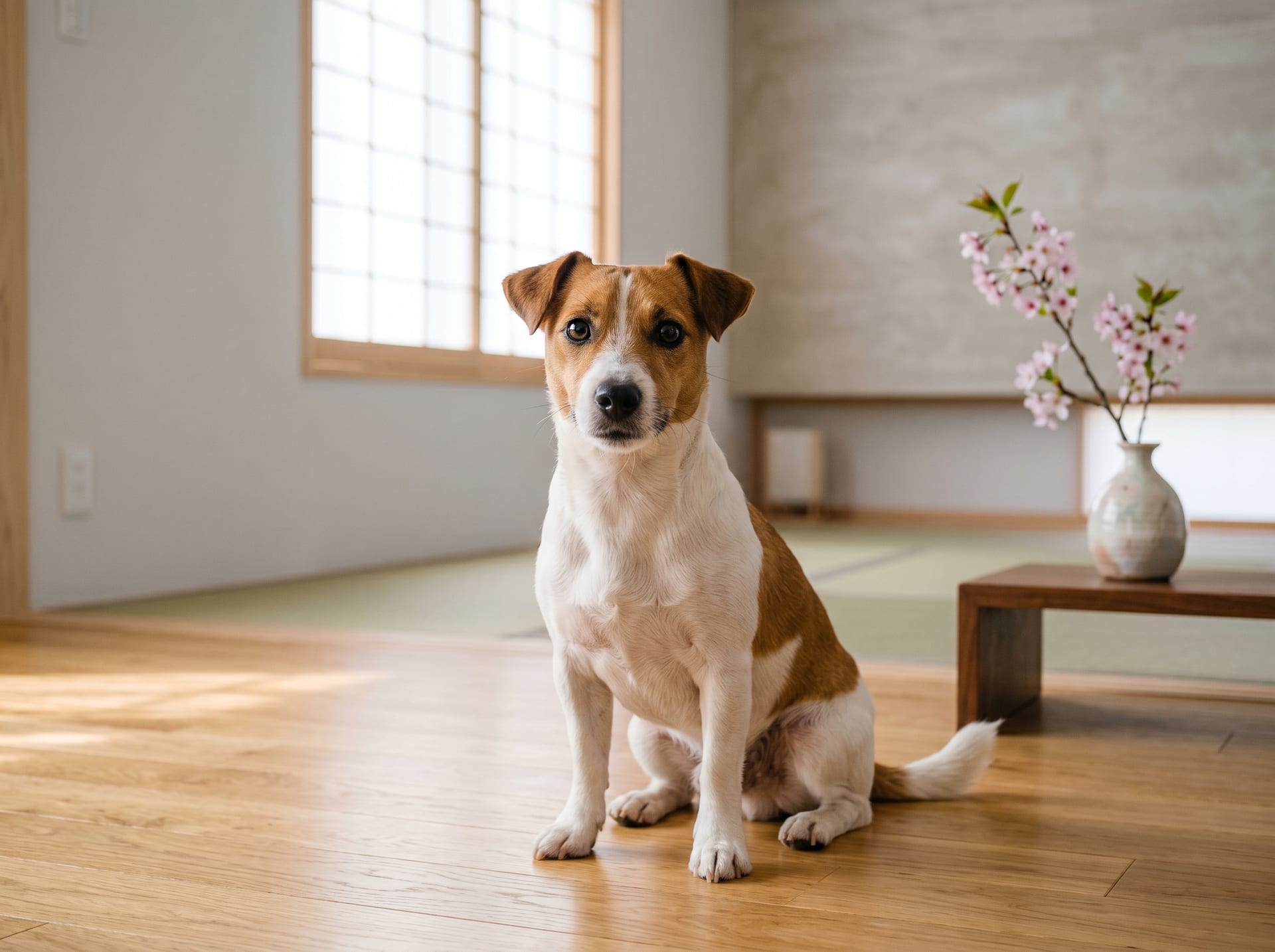
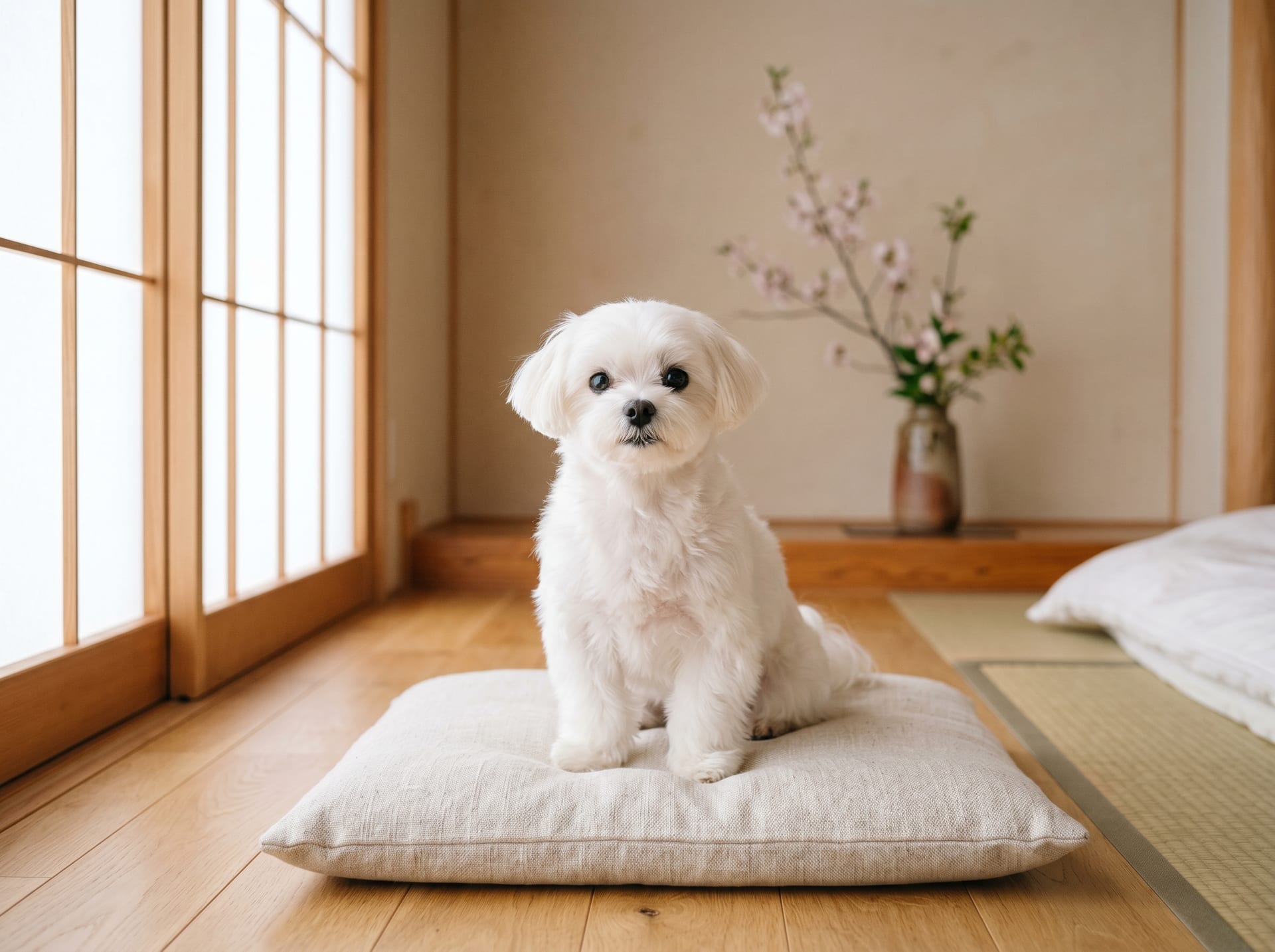

Dog Size Is a "Lifestyle Choice"
One of the most important decisions before bringing home a dog is choosing the right size. Selecting based solely on appearance can lead to problems with exercise requirements or housing space becoming apparent later. Small, medium, and large dogs each have distinct characteristics, and compatibility with the owner's lifestyle and living environment is crucial.
This guide organizes size-specific characteristics from the perspective of exercise needs, housing, diet, and health risks.
Small Dogs (Under 10 kg) - Care Characteristics
Representative Breeds
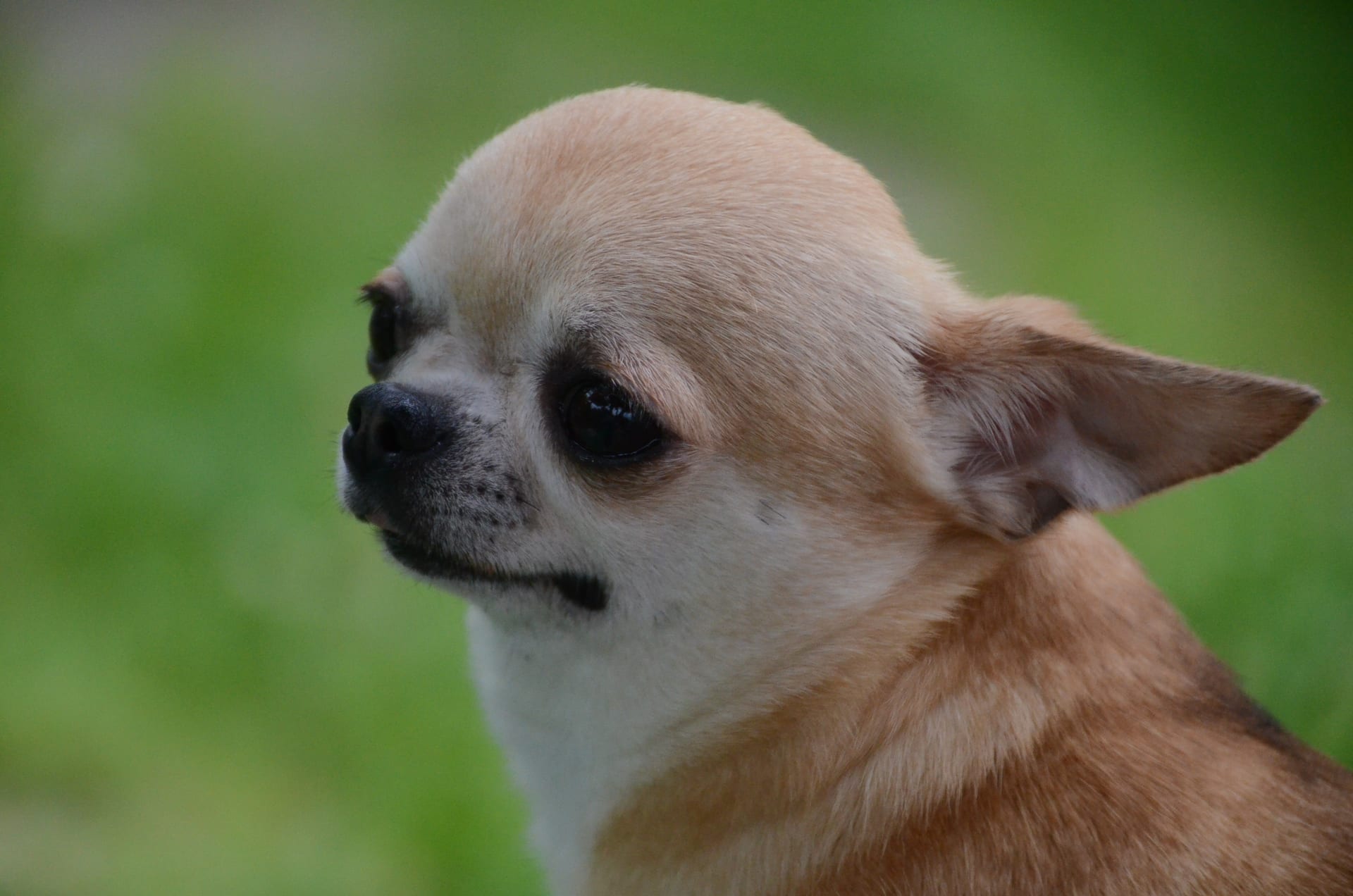
Chihuahua, Miniature Dachshund, Pomeranian, Maltese, Toy Poodle, Shih Tzu, Yorkshire Terrier, and others.
Exercise Needs
Because of their small size, small dogs typically need only 15-30 minute walks once or twice daily. However, active small breeds like Miniature Dachshunds and Jack Russell Terriers tend to have higher exercise needs than their appearance suggests.
Light indoor play can easily supplement their exercise needs, making them well-suited to apartment living in urban areas.
Housing Size
They can be adequately kept in a 1LDK apartment. However, if the building rules specify "small dogs only," verify the weight and height limits. Note that some small breeds have loud barks, so soundproofing considerations are important.
Feeding Amount
Calorie requirements per kilogram of body weight are higher than in large dogs due to faster metabolism. Follow the feeding guidelines on commercial dog food packages based on weight, but adjust according to individual activity levels and age. Weight management is crucial as obesity increases the risk of joint problems like patellar luxation.
Health Risks and Precautions
- Patellar Luxation (Patella): Common in Chihuahuas, Toy Poodles, and Pomeranians. Environments with many steps increase the risk.
- Tracheal Collapse: Harnesses are recommended over collars for many small breeds.
- Hypoglycemia: Requires special attention, especially in puppies.
- Periodontal Disease: Due to smaller mouths and crowded teeth, dental hygiene is especially important.
- Cold sensitivity: Small breeds with thin coats require winter coat care.
Medium Dogs (10-25 kg) - Care Characteristics
Representative Breeds
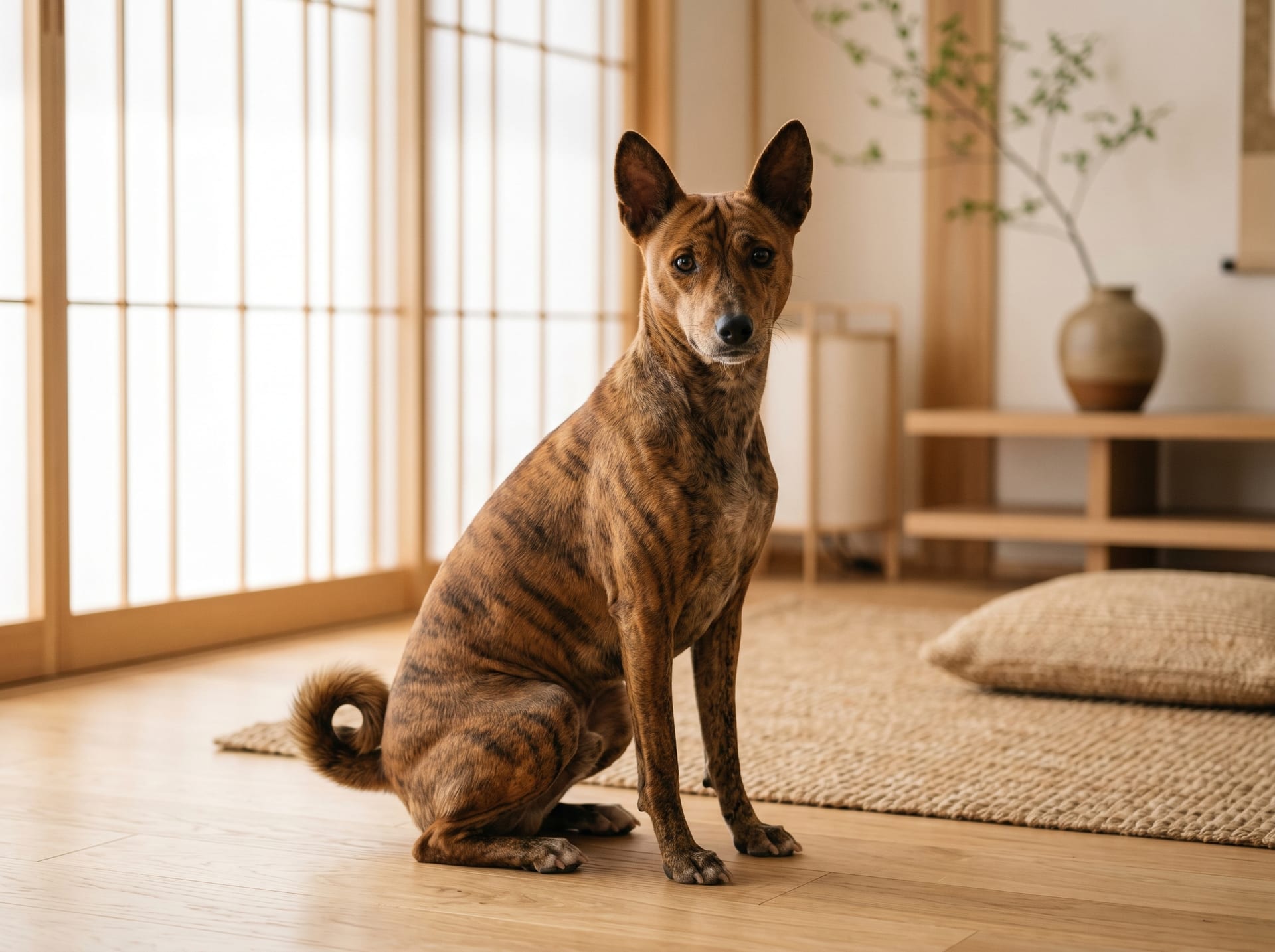
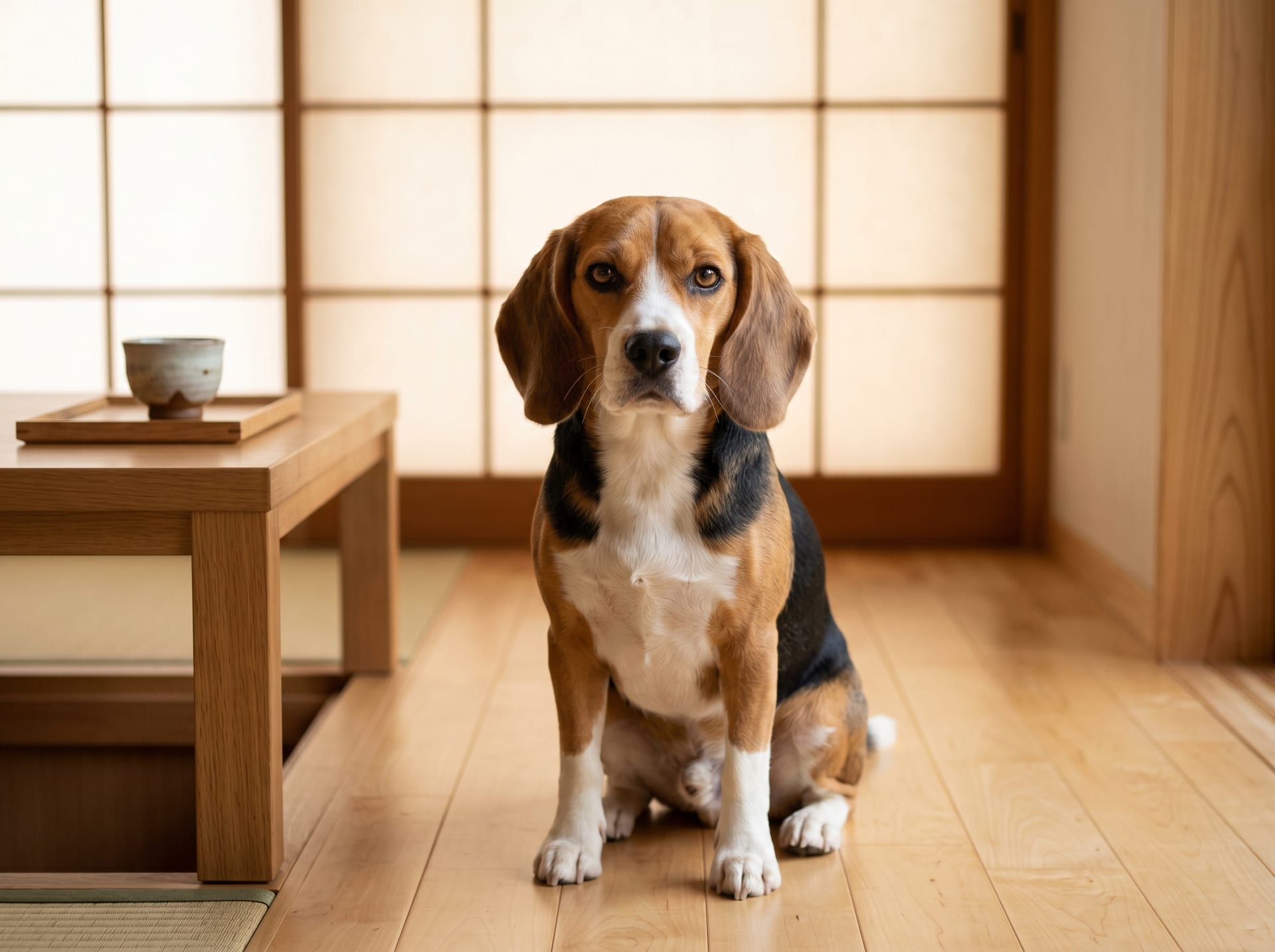
Shiba Inu, Beagle, Cocker Spaniel, Schnauzer, Basenji, and others.
Exercise Needs
Medium dogs typically require 30-60 minute walks twice daily. Japanese breeds like Shiba Inus have high exercise needs and are prone to stress buildup if not walked regularly. Beagles enjoy scent-based activities like exploring trails by nose.
Housing Size
A house or 2LDK apartment is ideal, though a 1LDK may work if daily exercise requirements can be met. A yard increases exercise flexibility, but secure fencing to prevent escape is essential.
Feeding Amount
For a 15 kg medium dog, typically 200-300 grams of adult dry food daily is appropriate (varies by product and activity level). Breeds with strong appetites are prone to obesity, so treat portions should also be controlled.
Health Risks and Precautions
- Allergic Dermatitis: Common in Cocker Spaniels and Beagles.
- Otitis Externa: Drop-eared breeds are prone to ear inflammation due to moisture accumulation.
- Lumbar Spine Disorders: Standard Dachshunds are at risk for herniation.
- Owner relationship is important: Independent-minded breeds require some training experience.
Large Dogs (25 kg and Over) - Care Characteristics
Representative Breeds
Labrador Retriever, Golden Retriever, German Shepherd, Siberian Husky, Great Dane, Bernese Mountain Dog, and others.
Exercise Needs
Most large dogs require 60+ minutes of aerobic exercise once or twice daily. Siberian Huskies have very high exercise needs, and insufficient exercise often leads to problem behaviors like destructiveness and excessive barking. Labradors and Golden Retrievers are friendly and relatively easy to control, making them popular choices for first-time large dog owners.
Housing Size
A house with a yard or spacious apartment (3LDK or larger) is ideal. Large dogs require large crates and beds, necessitating sufficient indoor space. Many apartments prohibit or restrict large dogs, so advance verification is essential.
Feeding Amount
A 30 kg large dog may require 400-600+ grams of food daily. Food costs are 3-5 times higher than for small dogs. Additionally, large dogs are at risk for gastric dilatation-volvulus (GDV), so vigorous exercise immediately after eating should be avoided, and meals should be divided into 2-3 portions daily.
Health Risks and Precautions
- Hip Dysplasia (HD): Common in Labradors, Golden Retrievers, and German Shepherds.
- Gastric Dilatation-Volvulus (GDV): Requires special attention in large, deep-chested breeds.
- Osteosarcoma: A bone cancer common in large and giant breeds.
- Heart Disease: Genetic risk in specific large breeds like Dobermans and Great Danes.
- Shorter Lifespan: Giant breeds typically have a life expectancy of 7-10 years, shorter than small breeds.
Size Comparison Table
| Category | Small Dogs (<10kg) | Medium Dogs (10-25kg) | Large Dogs (>25kg) |
|---|---|---|---|
| Daily Walking Time Guide | 30-60 minutes | 60-90 minutes | 90-120+ minutes |
| Housing Space Guide | 1LDK and up | 2LDK and up | 3LDK and up / with yard |
| Monthly Food Cost Guide | ¥3,000-6,000 | ¥6,000-12,000 | ¥12,000-20,000+ |
| Average Lifespan | 13-16 years | 11-14 years | 8-12 years |
Key Points for Choosing the Right Size
The most important factor in choosing dog size is "whether you can match your lifestyle and provide adequate exercise."
- Apartment living with limited daily walking time → Small dogs are the safest choice
- Daily outdoor activities or a yard available → Medium and large dogs are viable
- Difficulty with physically demanding control → Large dogs are for experienced owners
- Medical and food budget → Larger dogs have higher ongoing costs
Choosing the right-sized dog is the first step toward a happy life together for both dog and owner. Consult with a breeder to select the breed and size that best fits your lifestyle.