Indoor Dogs' Environmental Design Guide | Indoor Housing Space Planning, Safety Measures, and Exercise Management
A guide to creating living spaces for dogs kept entirely indoors. Covers practical topics from safe movement flow design and flooring selection to poison prevention, setting up dedicated dog spaces, and ideas for ensuring adequate exercise even indoors.
Key Takeaways
A guide to creating living spaces for dogs kept entirely indoors. Covers practical topics from safe movement flow design and flooring selection to poison prevention, setting up dedicated dog spaces, and ideas for ensuring adequate exercise even indoors.
Fundamental Concepts of Indoor Housing and Space Design
When living with a dog indoors, space is not merely a "place to live"—it's a critical environment that influences the dog's behavior, safety, and emotional stability. A room comfortable for humans is not necessarily safe or comfortable for dogs. Space design must take into account dogs' sensory characteristics (sharp sense of smell and hearing), instinctive behaviors (exploration, chewing, digging), size, and exercise needs.
✍️
BreederDirect Editorial
The BreederDirect editorial team specializes in care information for animals, covering veterinary care and breeding to deliver beginner-friendly guides.
Find Dogs on BreederDirect
Buy directly from verified breeders
Browse Related Listings
Find Dogs listings related to this article on BreederDirect. Buy directly from verified breeders.
The greatest advantage of indoor housing is the constant proximity to the owner, allowing early detection of changes in health and behavior, and providing an environment less affected by climate fluctuations. Conversely, dogs may face monotonous stimulation, risking chronic exercise deficiency and psychological stress. Space design should be centered on three principles: keeping dogs entertained wherever they are, allowing safe movement, and providing places to rest.
Zoning: How to Divide the Dog's Space
The foundation of safety management is dividing the indoor space into a "free zone" where dogs can move freely and a "restricted zone" requiring access limitations.
Free Zone Design
Floor space: Ensuring a straight-line distance of about 3-5 meters where dogs can run easily reduces exercise stress.
Rest areas (crates and beds): Providing a safe "refuge" that dogs can enter voluntarily is highly effective for emotional stability. Keeping crate doors open creates a den-like private space.
Sunlight and ventilation: Sunny windowside spaces where dogs can bask are preferred. If exposed to direct sunlight for extended periods, heatstroke prevention is necessary.
Restricted Zone Management
Kitchens, bathrooms, and washrooms pose risks of poisoning, drowning, and burns. Use gates and door stoppers to prevent dog access.
Manage electrical cord areas and storage locations for chemicals and detergents carefully.
Safety Measures: Removing Indoor Hazards
Poisoning Risks
Do not keep toxic plants (lilies, lily of the valley, pothos) indoors. Use lidded trash cans. Establish a habit of immediately clearing food from tables (chocolate, grapes, onions, etc.).
Fall and Injury Risks
Falls from sofas and stairs can cause fractures in small dogs. Support climbing with steps or ramps, and consider fencing to restrict high-place access. Installing barriers or nets to prevent balcony escapes is also important.
Flooring Measures
Hardwood flooring places significant strain on dogs' joints and skeletal system. Puppies during growth phases and medium-to-large dogs frequently slip and fall, potentially causing anterior cruciate ligament tears and hip dysplasia. Laying joint mats, cork mats, or carpet tiles along movement paths reduces joint impact.
Temperature and Humidity Control
Dogs are more heat-sensitive than humans and regulate temperature primarily through panting. Keep indoor summer temperatures below 26°C using air conditioning and fans. In winter, use humidifiers to prevent heat-related dryness causing skin irritation and respiratory issues.
Ensuring Exercise: Indoor Solutions
Indoor dogs facing chronic exercise deficiency often develop obesity, stress-related destructive behaviors, and excessive barking. Providing appropriate exercise levels based on breed, age, and health prevents behavioral problems.
Complementing Outdoor Walks
Puzzle toys and food puzzles: Stuffing puzzle feeders or Kongs with food allows dogs to use their brains while satisfying their foraging instincts over time.
Nose work (scent games): Hiding food indoors for dogs to find provides high mental satisfaction and fatigue despite minimal physical exertion.
Tug games: Multiple short interactive play sessions in the living room compensate for exercise deficiency. Avoid repetitive intense jumping or sharp turns that strain skeletal structure and joints.
Treadmill (Indoor)
Canine treadmills are commercially available for weather-independent walking exercise. They're particularly useful during extended rainy periods or post-surgery rehabilitation.
Space Needs and Customization by Breed
Different breeds have very different indoor environmental needs.
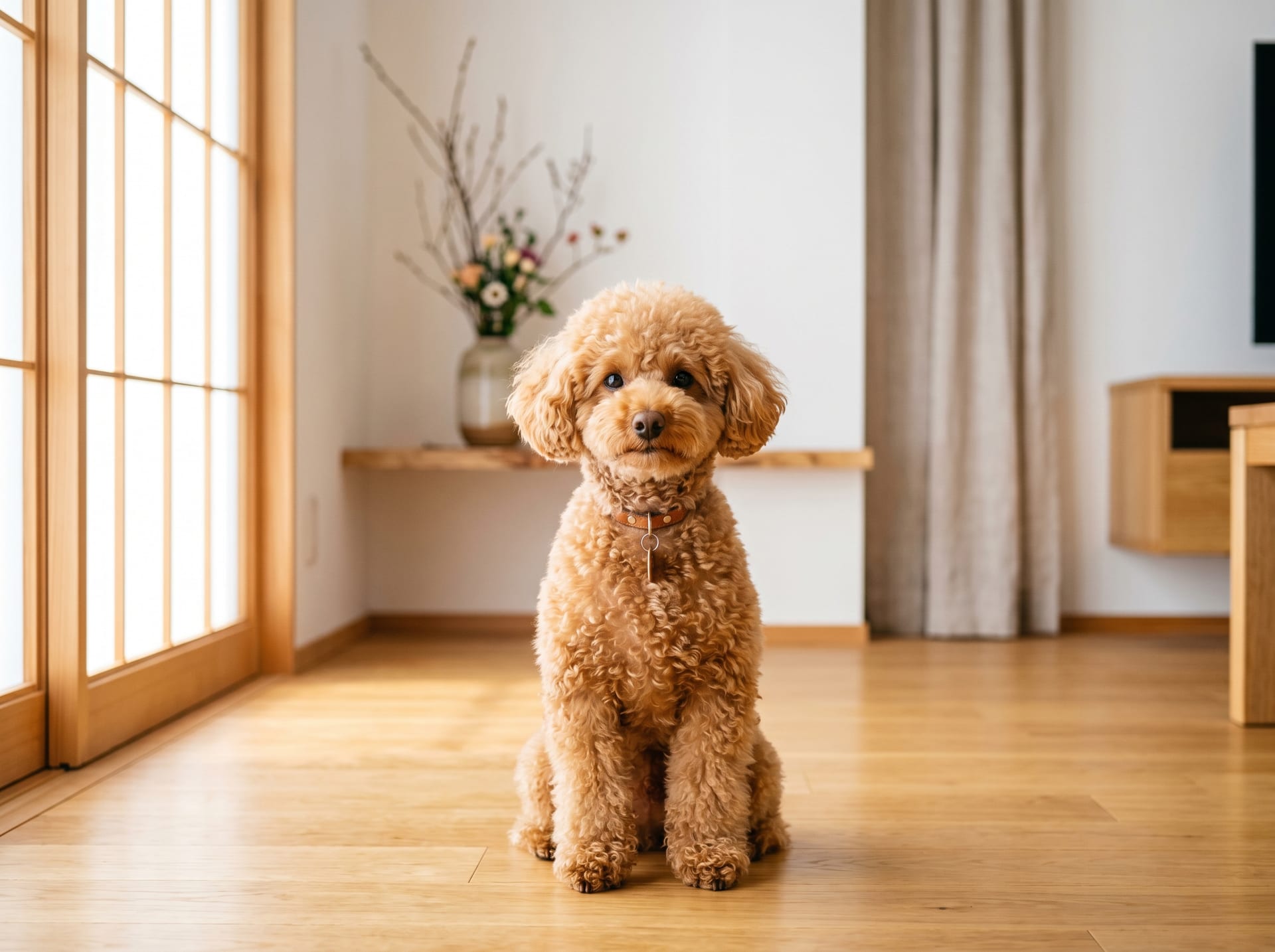
Toy and small breeds (Chihuahuas, toy poodles): Safety measures for elevation changes (sofas, steps) are more critical than floor space. Their small size increases poisoning risks, requiring careful management of small objects.
Medium breeds (Corgis, Spitz): Herding breeds require high mental stimulation (puzzle games, training). Beyond space, providing them with "work" is essential.
Large breeds (Golden retrievers, Labradors): Require adequate walking space and protection against objects knocked over by tails extending from low-standing bodies. Flooring is especially critical for joint protection.
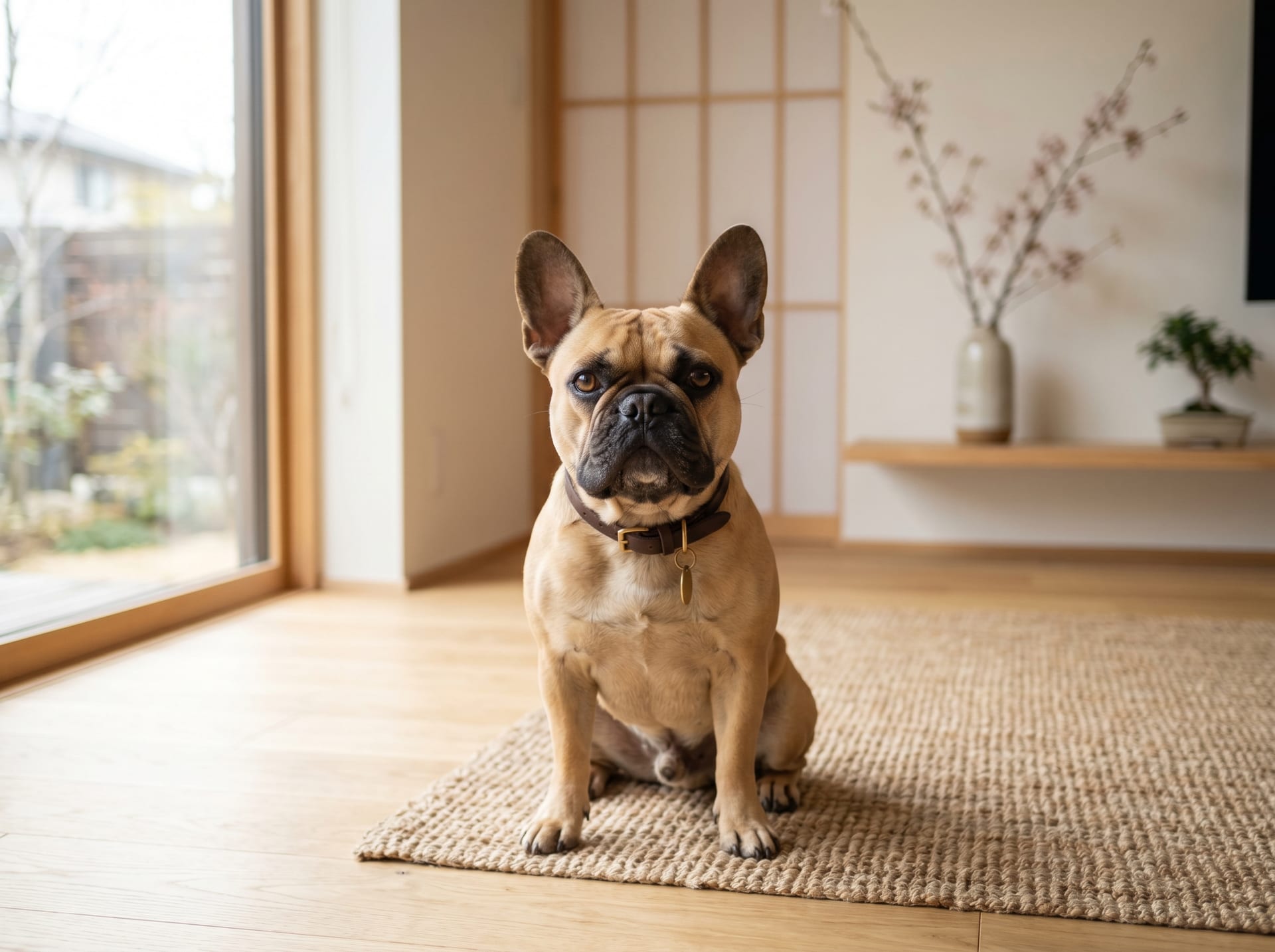
Brachycephalic breeds (French bulldogs, pugs): Temperature management is the top priority as they struggle with heat regulation. Carefully monitor air conditioning operation.
BreederDirect has breeders of diverse dog breeds, allowing you to access information about each breed's lifestyle characteristics and required indoor environments. Preparing a living space suited to your breed before bringing your dog home is an essential first step toward a long, healthy life together.