AI-generated image
Micromussa Amakusensis
IntermediateMicromussa amakusensis
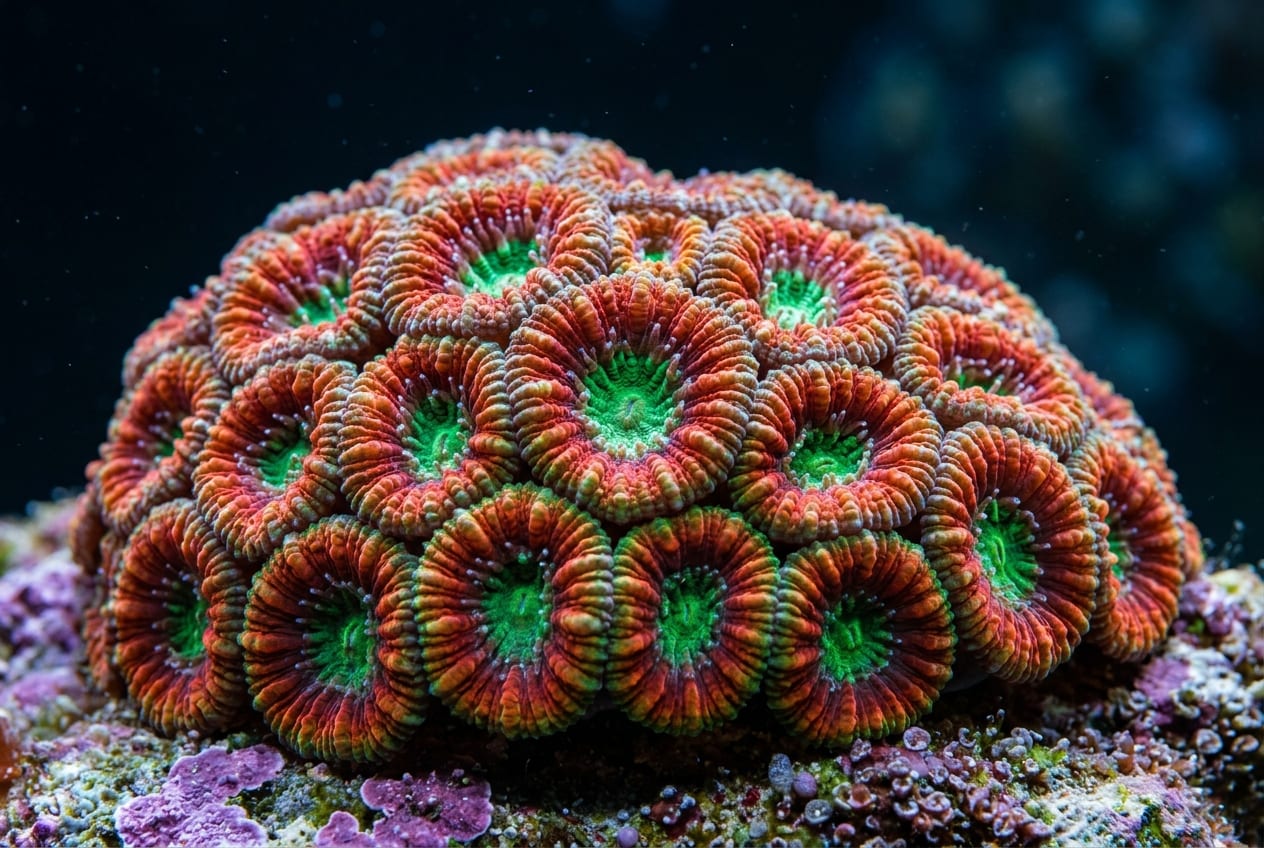
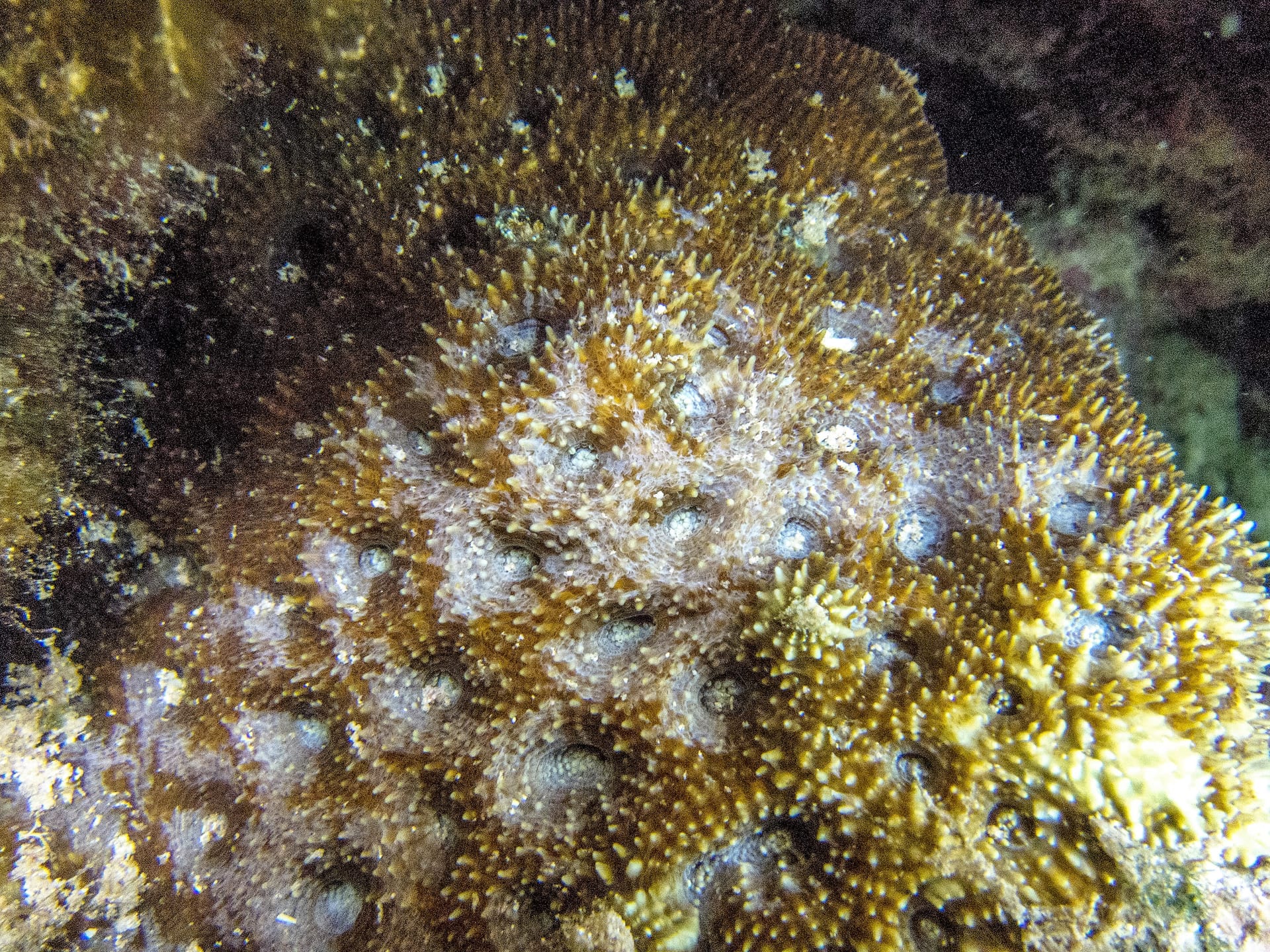
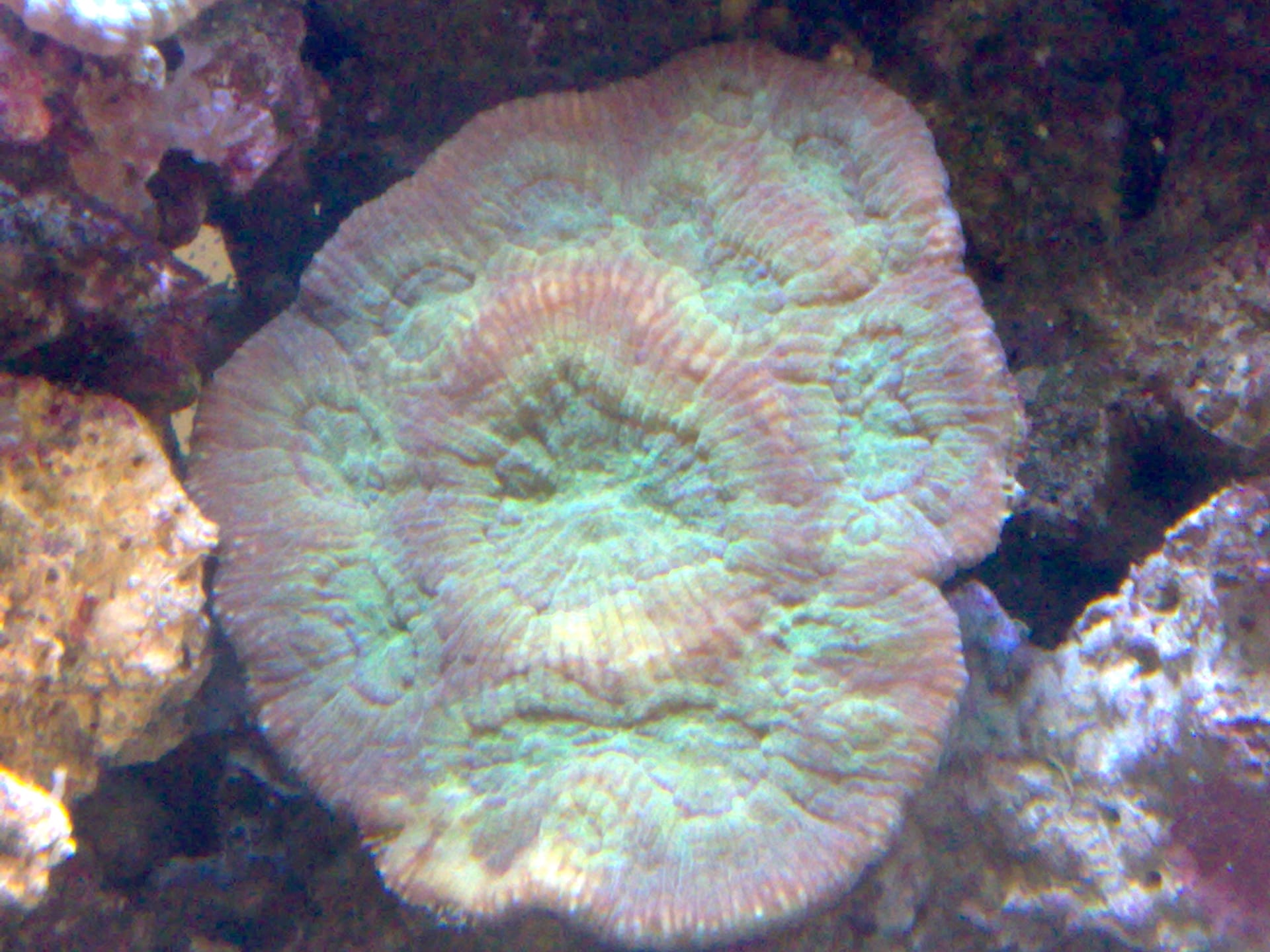
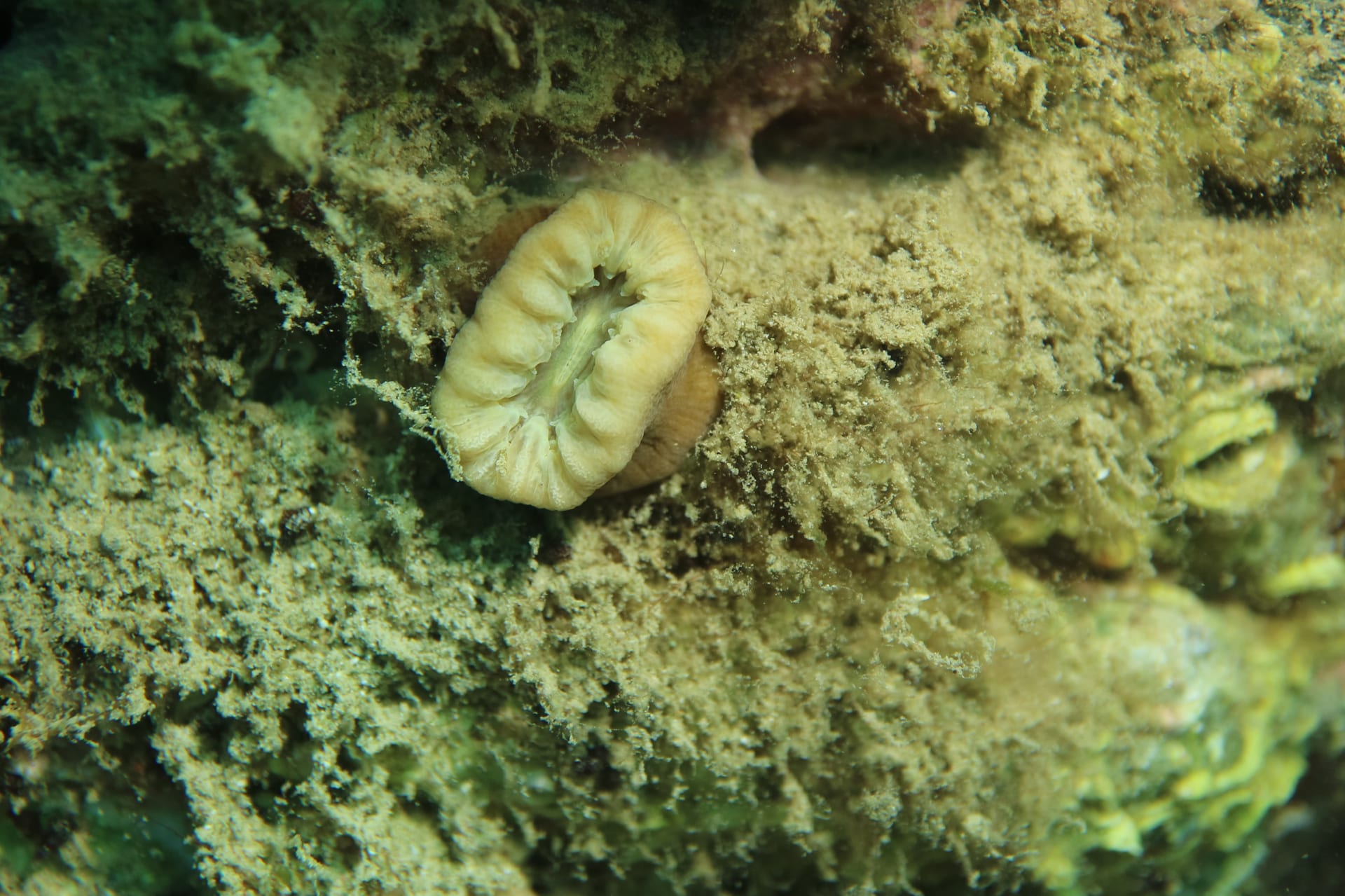
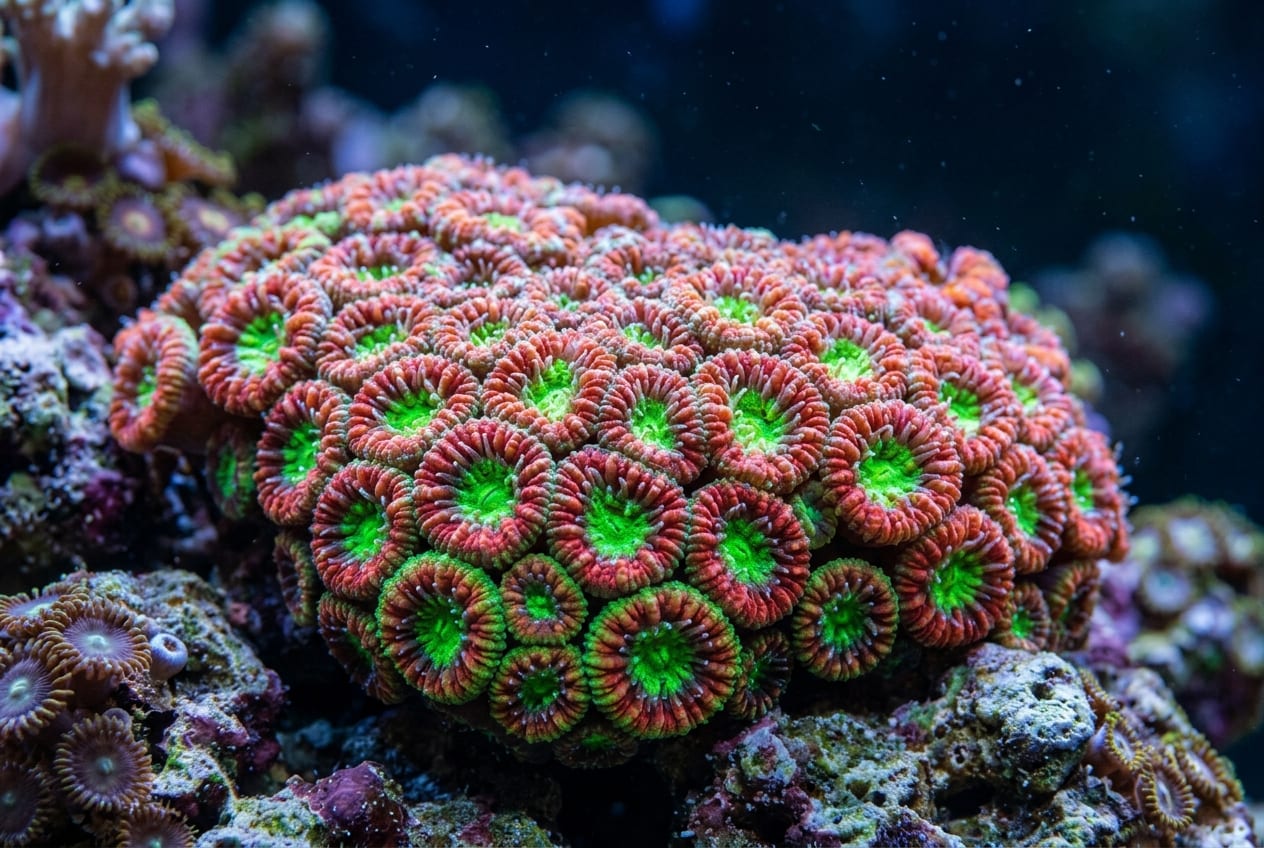
A lobophylliid LPS coral described by Veron in 1990, its epithet referring to Amakusa in Japan. Smaller corallites sit side by side, and green or red forms are kept in aquaria.
Difficulty
Intermediate
Temperature
24〜27℃
Diet
Photosynthesis via zooxanthellae plus meaty foods
About
Micromussa amakusensis is a large-polyp stony coral of the family Lobophylliidae described by Veron in 1990; the epithet amakusensis refers to Amakusa in Kumamoto Prefecture, Japan. It was originally placed in Acanthastrea and traded under that name, but molecular revision moved it to Micromussa, which WoRMS accepts as current. The same genus contains Micromussa lordhowensis, known in the hobby as acan lord. Colonies are built from small, rounded corallites set side by side, each covered by a fleshy polyp. Specimens based on green or red, with contrasting oral discs and margins, are chosen for display. Moderate lighting and low to moderate flow suit it, and target-feeding minced fish to the feeding tentacles it extends at night improves colour and growth.
Source: Wikipedia (CC BY-SA 4.0)
Temperature & humidity for the Micromussa Amakusensis
The ideal temperature for the Micromussa Amakusensis is 24〜27℃.
Basic Info
Origin
Coral reefs of the western Pacific
Temperature
24〜27℃
Diet
Photosynthesis via zooxanthellae plus meaty foods
Care Guide
Lighting
Moderate LED lighting; start low and acclimate, since too much light causes fading.
Care Specifications
- Carbonate (KH)
- 7–12 dKH
- Water Temp.
- 24–27℃
- Specific Gravity
- 1.023–1.025
- Salinity
- 33–35 ppt
- Calcium (Ca)
- 400–450 ppm
- Magnesium (Mg)
- 1300–1400 ppm
LPSLight: Medium (PAR 50-150)Flow: LowPlacement: Bottom
Sources: Wikipedia: Reef aquarium (water parameters) / AlgaeBarn: A Quick Guide to LPS and SPS / WoRMS
References & Sources
Edited & verified by: BreederDirect editorial team
The taxonomic, regulatory, and husbandry data on this page are compiled and verified against the authoritative primary sources below.
Taxonomy & Authority
Accepted name: Micromussa amakusensis (Veron, 1990)
Synonyms: Acanthastrea amakusensis
Authority databases: WoRMS
Nomenclature follows global taxonomic authority databases.
Regulations & Conservation Status
CITES Appendix II
Scleractinia (Micromussa amakusensis, Lobophylliidae). CITES Appendix II.
Sources: DOC NZ / CITES-listed corals (Scleractinia spp. = App. II)
Regulations may change. Always verify the latest information with the relevant authorities.
Micromussa Amakusensis Listings
Loading latest listingsFind listings for this species