Source: Wikimedia Commons
Merten's Carpet Anemone
AdvancedStichodactyla mertensii
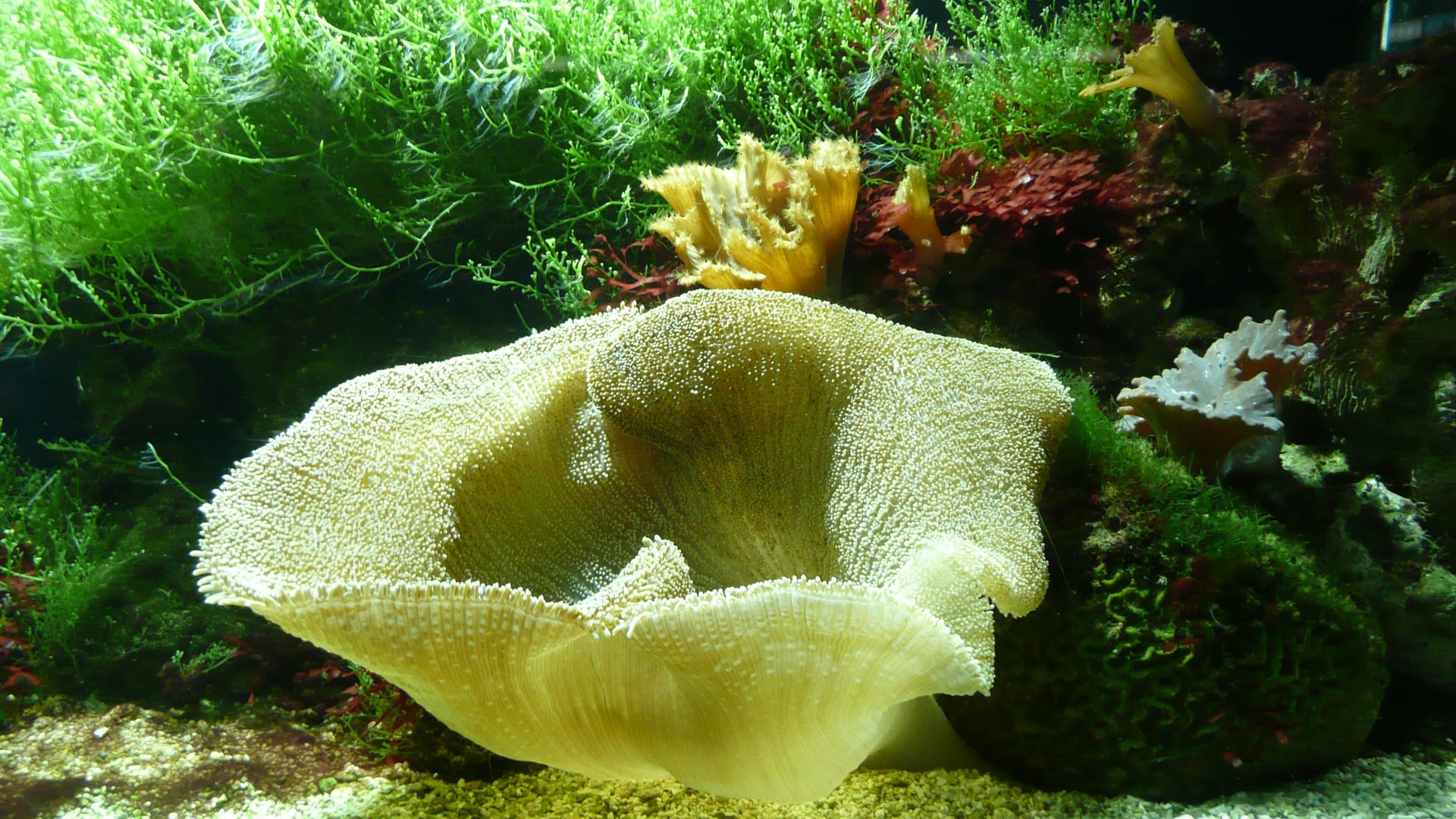
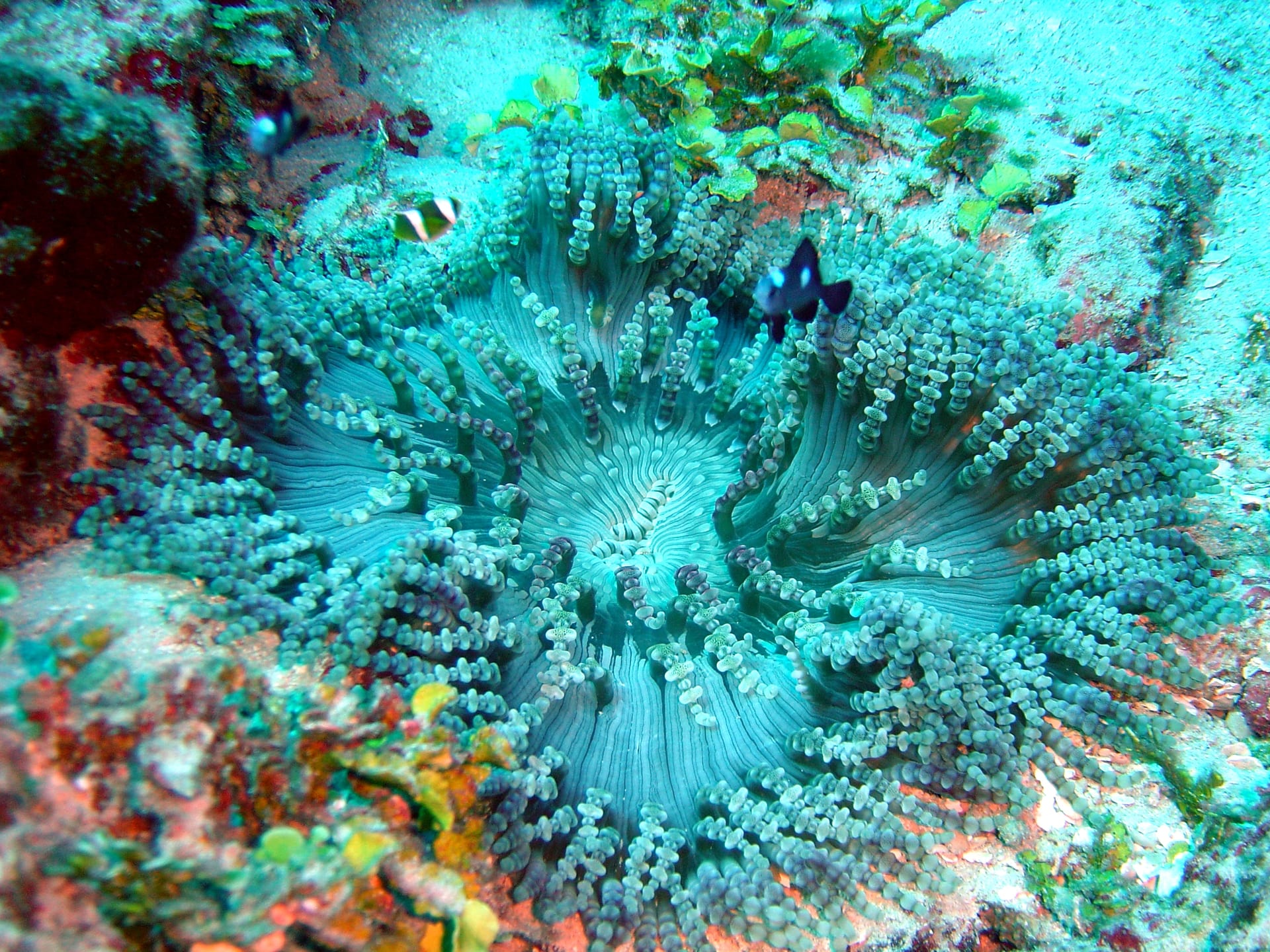
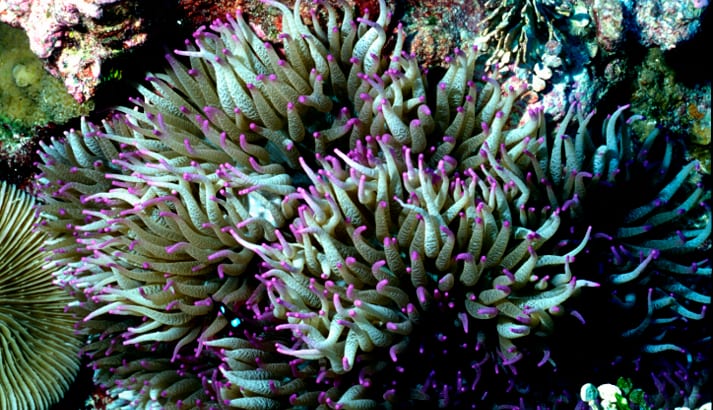
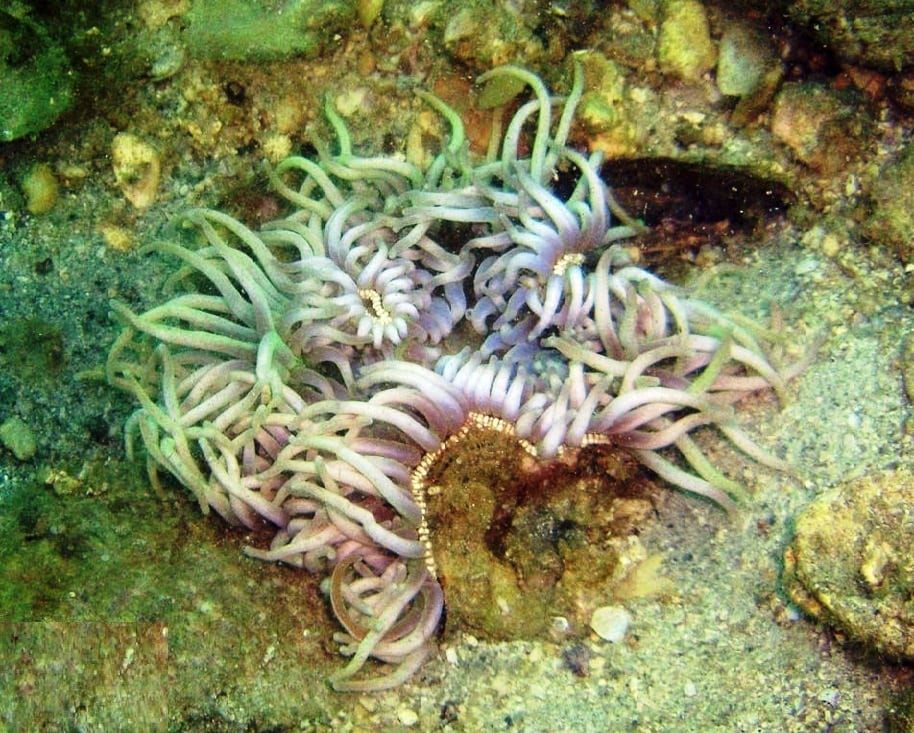
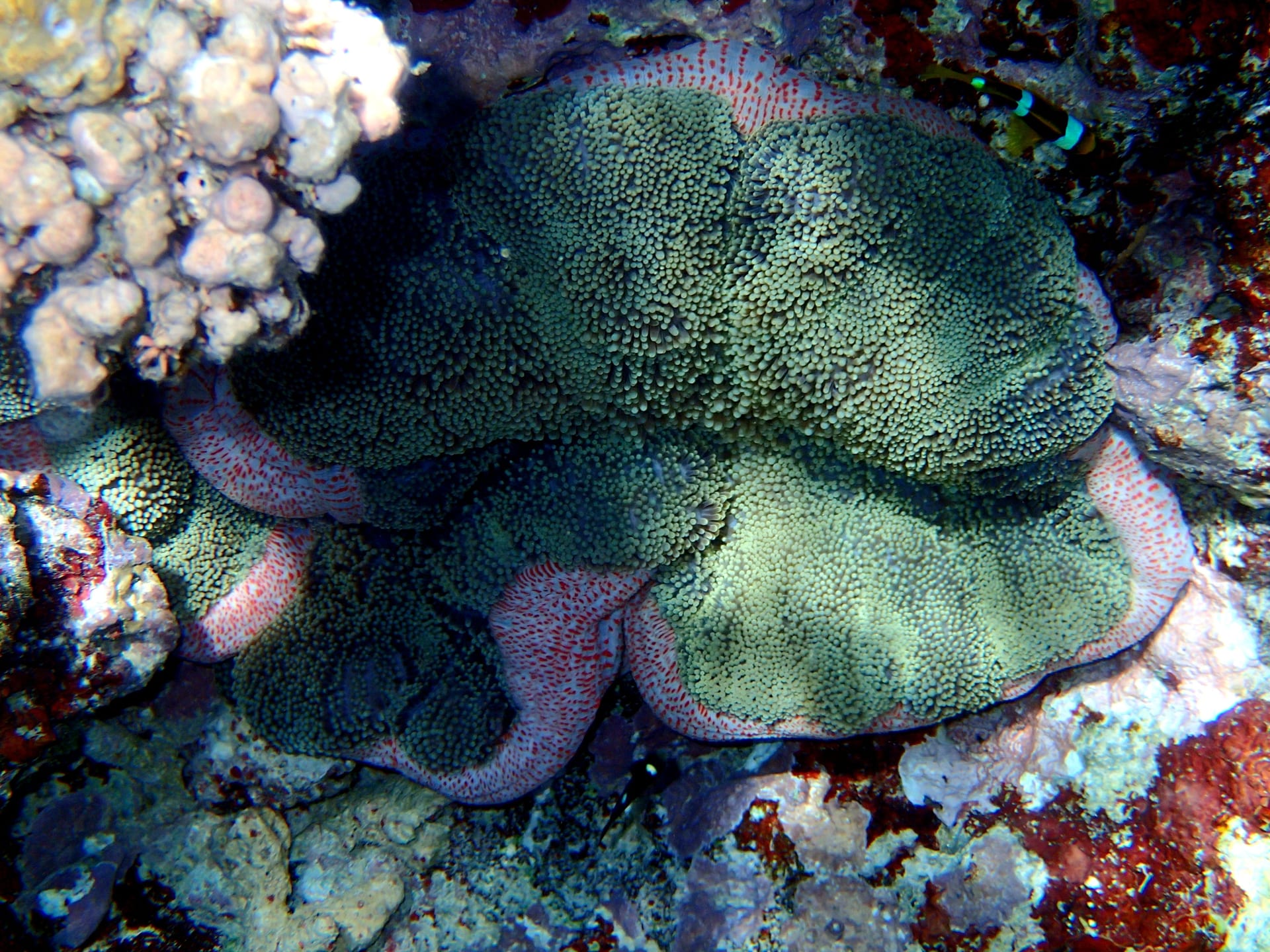
Regarded as the largest sea anemone, at over 1 m across. Its oral disc is more ovoid than circular, contours to the surrounding substrate and attaches by adhesive wart-like verrucae. The tentacles are short, only 1-2 cm.
Difficulty
Advanced
Temperature
22〜26℃
Size
Oral disc over 1 m, tentacles 1-2 cm
Diet
Nutrition from symbiotic zooxanthellae, supplemented about once a week with meaty foods such as fish, shrimp and clam.
About
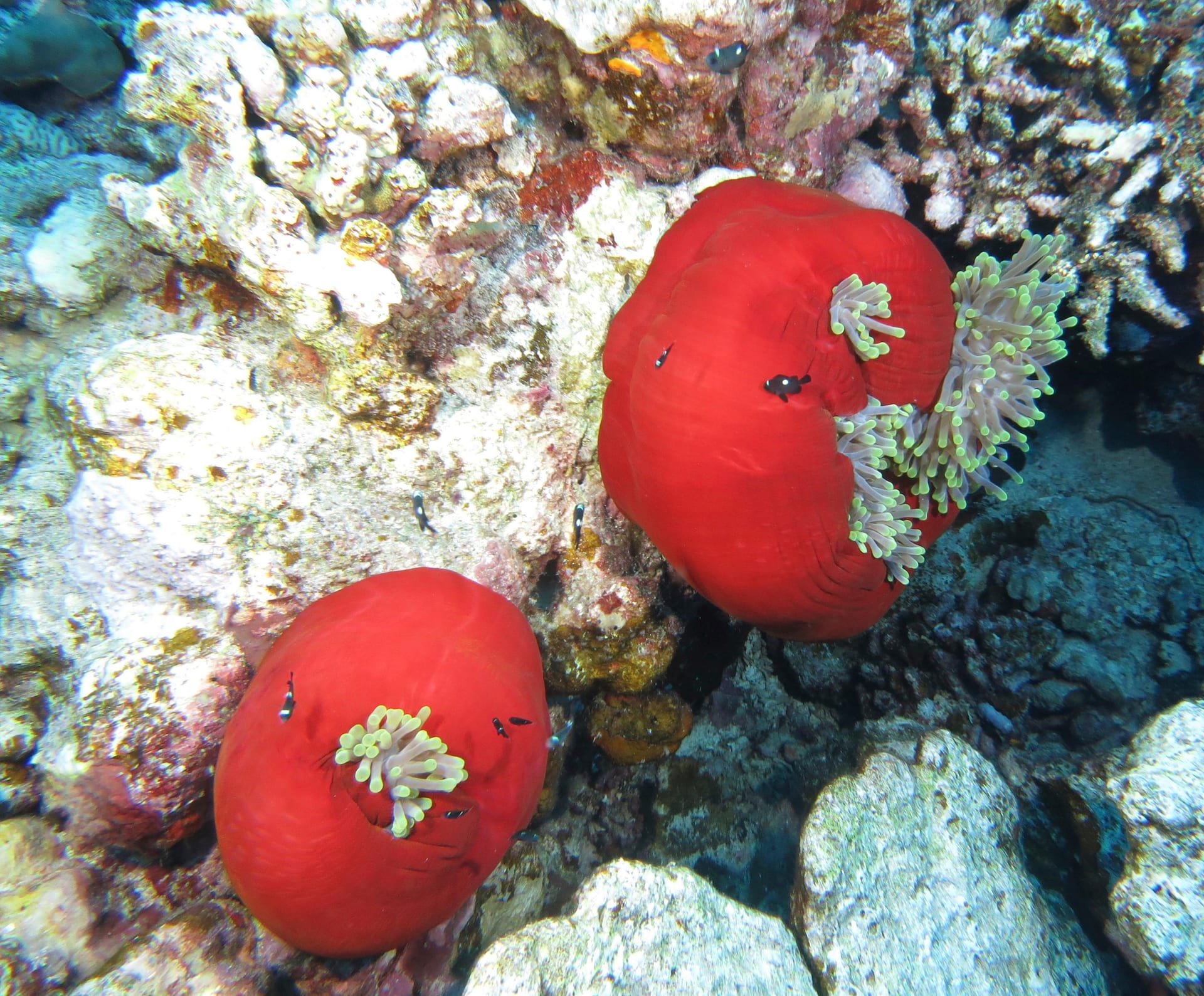
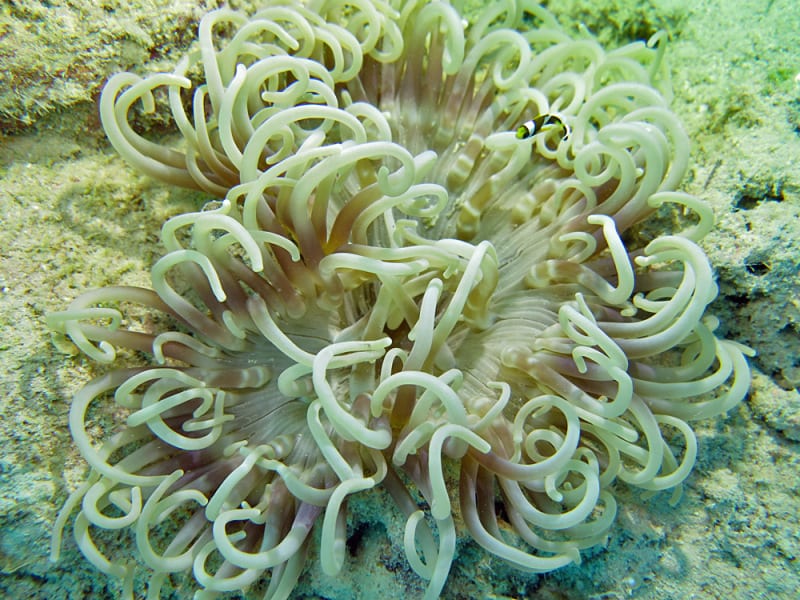
Stichodactyla mertensii is widespread across the tropical and subtropical Indo-Pacific, from Mauritius to Fiji, from the Ryukyu Islands of southern Japan to Australia, and in Hawaii. At over 1 m in diameter it is regarded as the largest sea anemone; the next largest, Radianthus magnifica, has longer tentacles. The oral disc is more ovoid than circular, contours to the surrounding substrate and is attached by adhesive wart-like verrucae. The tentacles are uniformly shaped, blunt or pointed, and only 1-2 cm long. It contains obligate symbiotic zooxanthellae. It can be confused with Stichodactyla gigantea and S. haddoni, but is most easily distinguished by habitat: those two prefer sand while S. mertensii prefers rocky or coral substrate. It hosts at least 13 species of anemonefish, about half of all species, plus the threespot dascyllus.
Source: Wikipedia (CC BY-SA 4.0)
Size of the Merten's Carpet Anemone
The Merten's Carpet Anemone grows to Oral disc over 1 m, tentacles 1-2 cm.
Temperature & humidity for the Merten's Carpet Anemone
The ideal temperature for the Merten's Carpet Anemone is 22〜26℃.
Basic Info
Origin
Tropical and subtropical Indo-Pacific, from Mauritius to Fiji, from the Ryukyu Islands of southern Japan to Australia, and Hawaii
Size
Oral disc over 1 m, tentacles 1-2 cm
Temperature
22〜26℃
Care Specifications
- Water Temp.
- 22–26℃
- Specific Gravity
- 1.023–1.025
Placement: Bottom
Sources: LiveAquaria (care parameters listed for its sea anemones) / SeaLifeBase
References & Sources
Edited & verified by: BreederDirect editorial team
The taxonomic, regulatory, and husbandry data on this page are compiled and verified against the authoritative primary sources below.
Taxonomy & Authority
Accepted name: Stichodactyla mertensii Brandt, 1835
Synonyms: Actinia (Isacmaea) gigantea (Forskal)
Authority databases: WoRMS
Nomenclature follows global taxonomic authority databases.
Regulations & Conservation Status
Not CITES-listed
Sources: CITES Appendices (species not listed)
Regulations may change. Always verify the latest information with the relevant authorities.
Merten's Carpet Anemone Listings
Loading latest listingsFind listings for this species