Why Do Tropical Fish Jump Out of Tanks?
Tropical fish jumping out of tanks is one of the most common issues aquarium hobbyists face. If discovery is delayed, fish can die within minutes, and losing expensive or rare species can be devastating.
By understanding the main causes of jumping, you can take appropriate preventive measures.
Main Causes of Fish Jumping
| Cause | Details |
|---|
| Territorial disputes / chasing | Fish panics when chased by aggressive tank mates |
| Nighttime activity | Nocturnal and crepuscular fish become active after lights turn off |
| Poor water quality / oxygen depletion | Ammonia spikes and low dissolved oxygen trigger abnormal behavior |
| Sudden temperature change | Fish panic from temperature shock |
| Excitement during feeding | Fish jump when crowding at the surface to feed |
| Response to light / sound | Fish jump when startled by external stimuli (lightning, bright light) |
| Instinctive behavior | Fish with spawning or seasonal migration instincts are especially prone to jumping |
Fish Species Prone to Jumping and Their Characteristics
Not all tropical fish have the same risk of jumping. The following species require special attention.
Fish Species with High Jumping Risk
| Species | Risk Level | Reason |
|---|
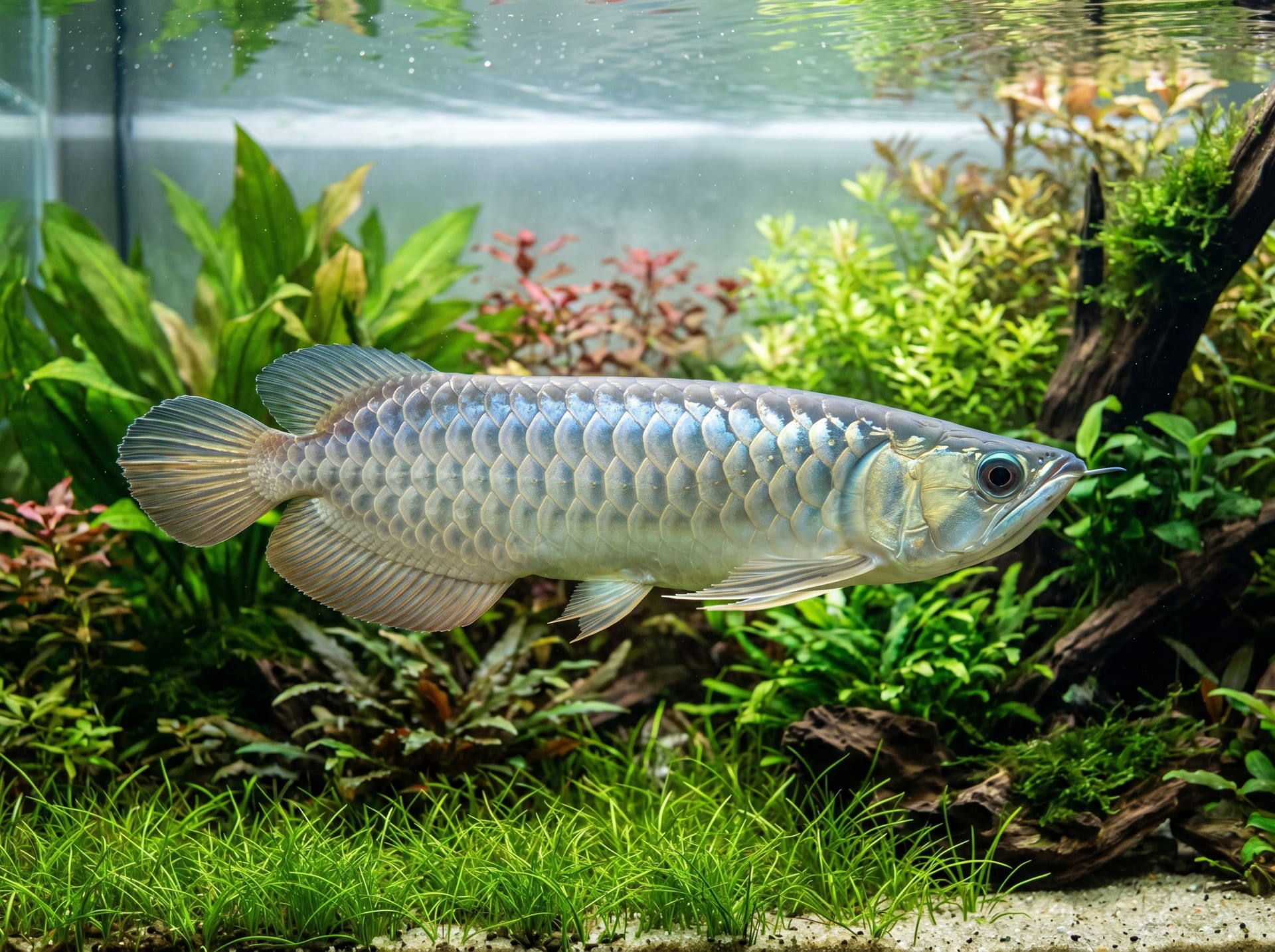
| Arowana | Extremely high | Instinctive aerial predation behavior, large and powerful |
| Gar species | High | Prefer surface areas, fast-moving |
| Snakehead | High | Some species have land-traversal ability, strong escape capability |
| Golden barb / Tiger barb | Medium-High | Easily excitable, sudden jumpers |
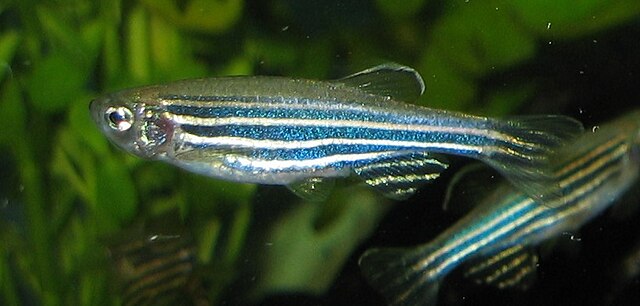
| Zebra danio / Pearl danio | Medium-High | Highly active, jump in response to water current |
| Killifish (annual fish) | High | Instinctively escape through gaps |
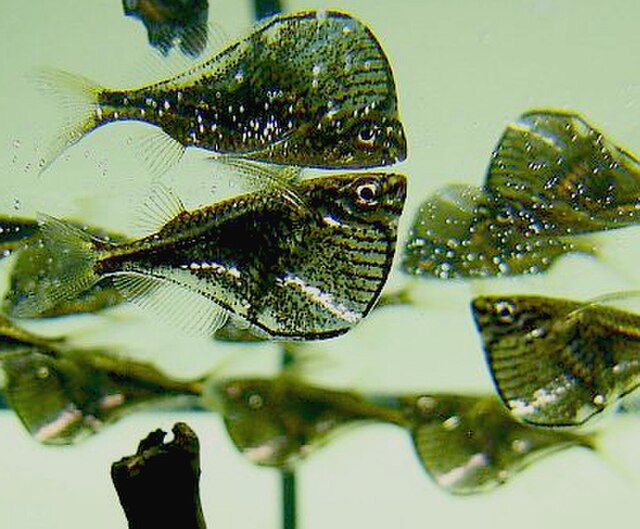
| Hatchetfish | Extremely high | Specialized in jumping out of water to catch insects |
Fish Species Less Prone to Jumping
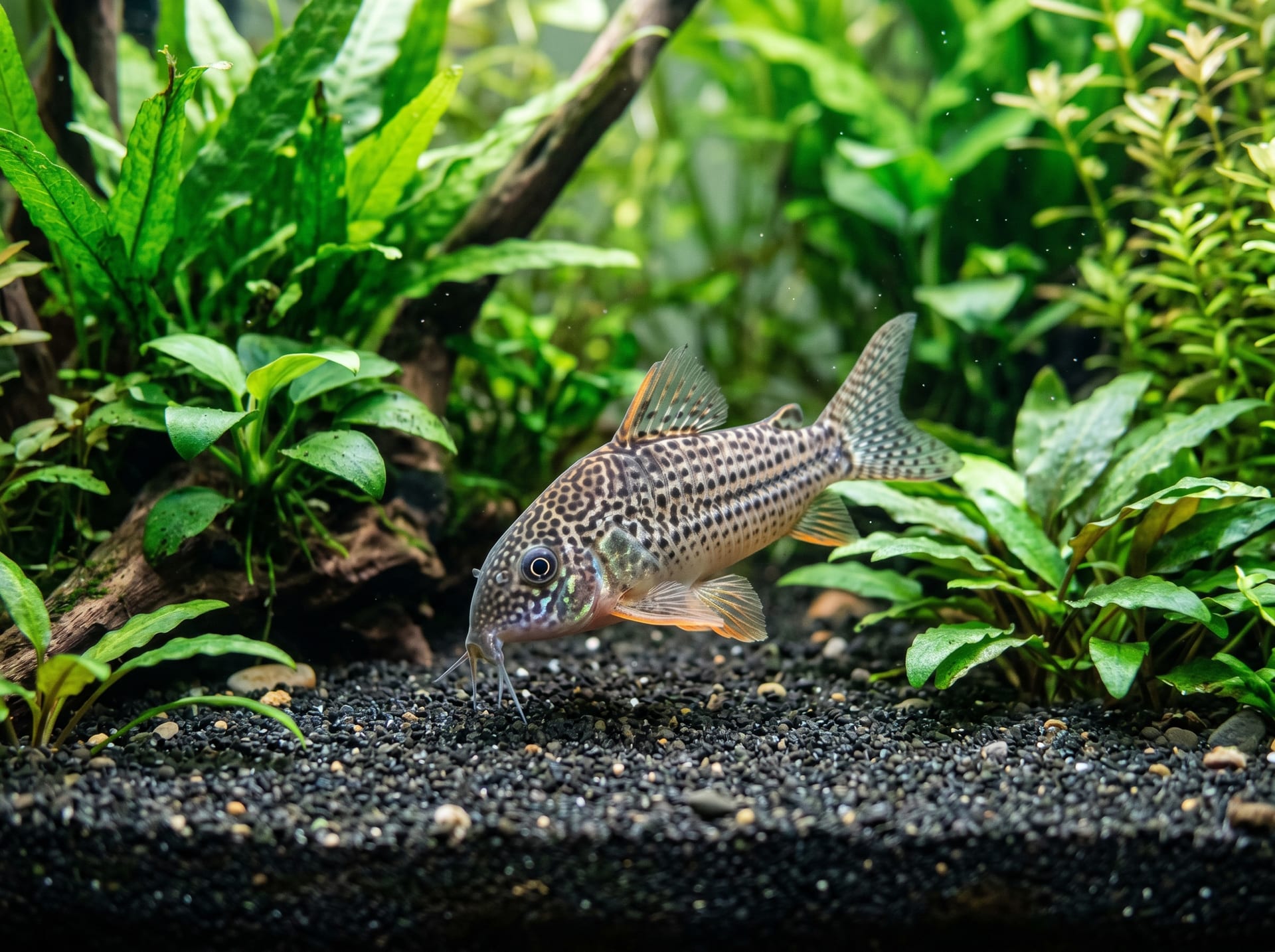
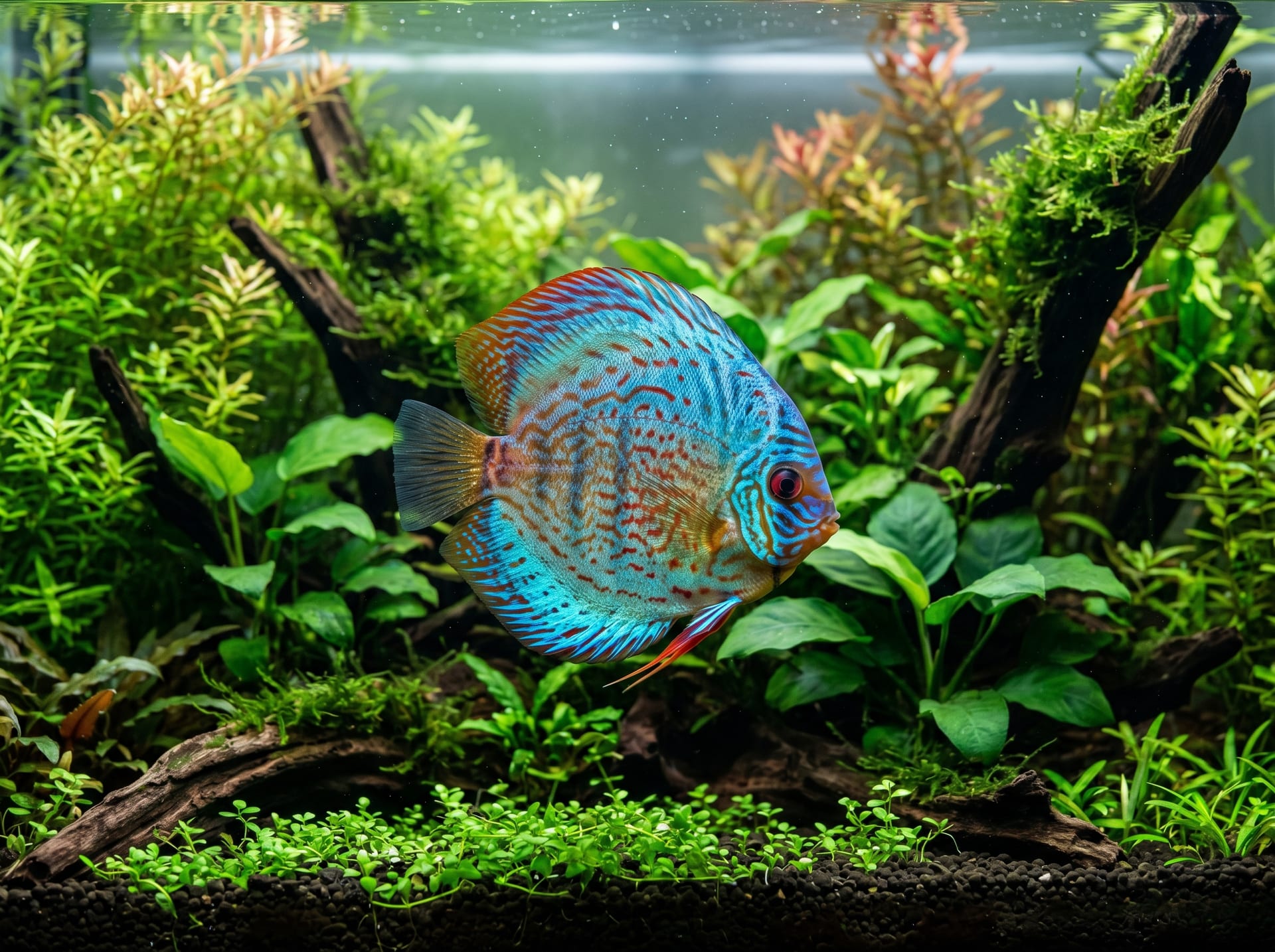
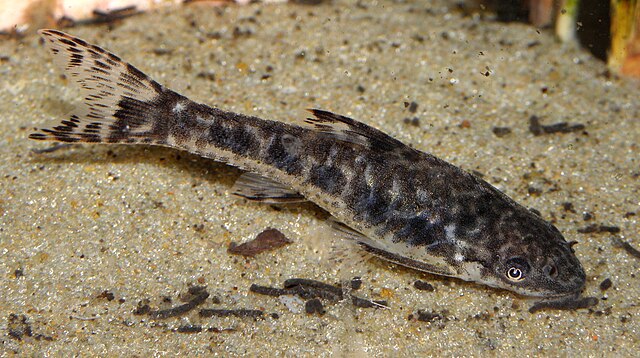
Bottom-dwelling fish such as Corydoras and Otocinclus, as well as Betta fish (rarely jump unless in cup conditions) and Discus fish, have relatively low jumping risk.
Most Effective Prevention: Tank Lids
The foundation of jump prevention is installing an appropriate lid on your tank. However, if you're not careful about choosing and installing the lid, you may compromise water circulation and ventilation.
Types of Tank Lids and Their Characteristics
1. Commercial Glass Lids (Standard)
Glass lids that come with most aquarium kits are the most reliable solution if installed without gaps. However, fish can still escape through the "notches" designed for cords and tubes.
2. DIY Net Lids (Mesh Lids)
This involves creating a custom lid using mesh material to fit your tank size. It offers excellent airflow and prevents heat buildup from lighting. Use spawning net mesh or natural fiber netting, and secure it to the tank frame.
3. Acrylic Lids (Custom-Made)
This involves ordering custom-cut acrylic sheets for your tank size. It's transparent and doesn't compromise aesthetics, and you can drill cord holes anywhere you need. While more expensive, it provides complete sealing.
4. Clip-On Lids for Frameless Tanks
For frameless open tanks, clip-on lids are available and can be fixed securely. Universal models are also commercially available.
Be Careful of Gaps in the Lid
Even the best lids can have gaps where fish escape. Pay special attention to:
- Notches where heater cords, filter hoses, and air tubing pass through
- Overlapping sections of the lid (seams where two-part lids meet)
- Gaps where thermometers and CO2 diffusers pass through
Fill gaps carefully using foam, cut silicone tubing, or polyurethane foam.
Reduce Jumping Risk by Improving Tank Environment
In addition to installing a lid, it's important to eliminate environmental factors that trigger jumping.
1. Review Tank Mate Compatibility
If fish are jumping because they're panicking from aggressive tank mates, reconsidering your stocking plan is the root solution. If territorial disputes are frequent, consider adding hiding spots or relocating fish.
2. Water Quality and Oxygen Management
Rising ammonia and nitrite levels, along with low dissolved oxygen, trigger abnormal behavior. Address these with weekly to bi-weekly water changes and enhanced aeration. Since dissolved oxygen drops sharply when temperature exceeds 30°C (86°F), summer temperature management is crucial.
3. Don't Turn Off Lights Suddenly at Night
Abrupt light-off can startle fish and trigger jumping. It's ideal to use a timer with gradual dimming (utilizing dimmable LEDs in multiple stages).
4. Reduce Surface Disturbance During Feeding
When large numbers of fish crowd the surface at feeding time, they can collide and jump out. Switching to sinking food and distributing food to multiple locations can help.
Tank Water Level Adjustment
Lowering the water level so fish can't reach the tank rim even if they jump is also effective.
- Set water level 5–10 cm below the lid
- For strong jumpers like arowanas and snakeheads, provide 15–20 cm clearance between water surface and lid
However, lowering the level too much reduces filter oxygenation efficiency, so supplement with aeration.
Emergency First Aid for Jumped Fish
If you discover a fish has jumped out, quick action can mean the difference between life and death.
1. Return Fish to Tank Quickly
Most fish die within minutes on the floor. As soon as you discover it, gently pick it up with your bare hand (or wet hand) and return it to the tank immediately.
2. Check if Gills Are Moving
If the gills are moving shortly after returning the fish to the tank, recovery is possible. If the fish is on its side, place it in a flowing area or continuously splash water on its face—it may revive.
3. Keep Fish Isolated in a Quarantine Container
Even if recovery occurs, there's risk of body surface damage and infection. Keep the fish in isolation (hospital tank) for 1–2 days, and consider medicated baths if abnormalities appear.
4. Check How Long the Floor Was Dry
If the fish spent extended time on a dry floor (wood or tile), its protective mucus coating is compromised and bacterial infection risk is high. Use salt baths (0.3–0.5%) while monitoring for complications.
Summary
Tropical fish jumping can be largely prevented through proper lid installation and tank environment improvements. These measures are especially important if you're keeping species prone to jumping, using frameless tanks, or if tank mates are stressed. By carefully sealing all lid gaps and managing water quality, oxygen levels, and tank mate compatibility, you can protect your precious fish for years to come.