Reptile Enclosure Setup Guide | Layout and Equipment Selection
This article explains the types and sizes of enclosures needed for reptile care, equipment placement such as basking lights, UVB lights, and thermostats, and how to choose substrates by species.
Key Takeaways
This article explains the types and sizes of enclosures needed for reptile care, equipment placement such as basking lights, UVB lights, and thermostats, and how to choose substrates by species.
For reptiles, an enclosure is their "entire world." While they roam freely across vast environments in the wild, in captivity they spend their entire lives within a limited space. That's why enclosure setup is not merely "providing a box"—it's environmental design that brings out the animal's natural behaviors and maintains its health.
✍️
BreederDirect Editorial
The BreederDirect editorial team specializes in care information for animals, covering veterinary care and breeding to deliver beginner-friendly guides.
Find Reptiles on BreederDirect
Buy directly from verified breeders
Browse Related Listings
Find Reptiles listings related to this article on BreederDirect. Buy directly from verified breeders.
This article walks beginners through everything from enclosure selection to temperature management, lighting, substrate, and layout in an easy-to-understand way.
Enclosure Selection Basics | Size and Material
Size Guidelines
The minimum enclosure size should ensure the individual animal doesn't feel cramped. As a general guideline, it's recommended to provide a floor area that is 1 to 1.5 times or more the total length of the individual animal.
Here are size guidelines for representative species:
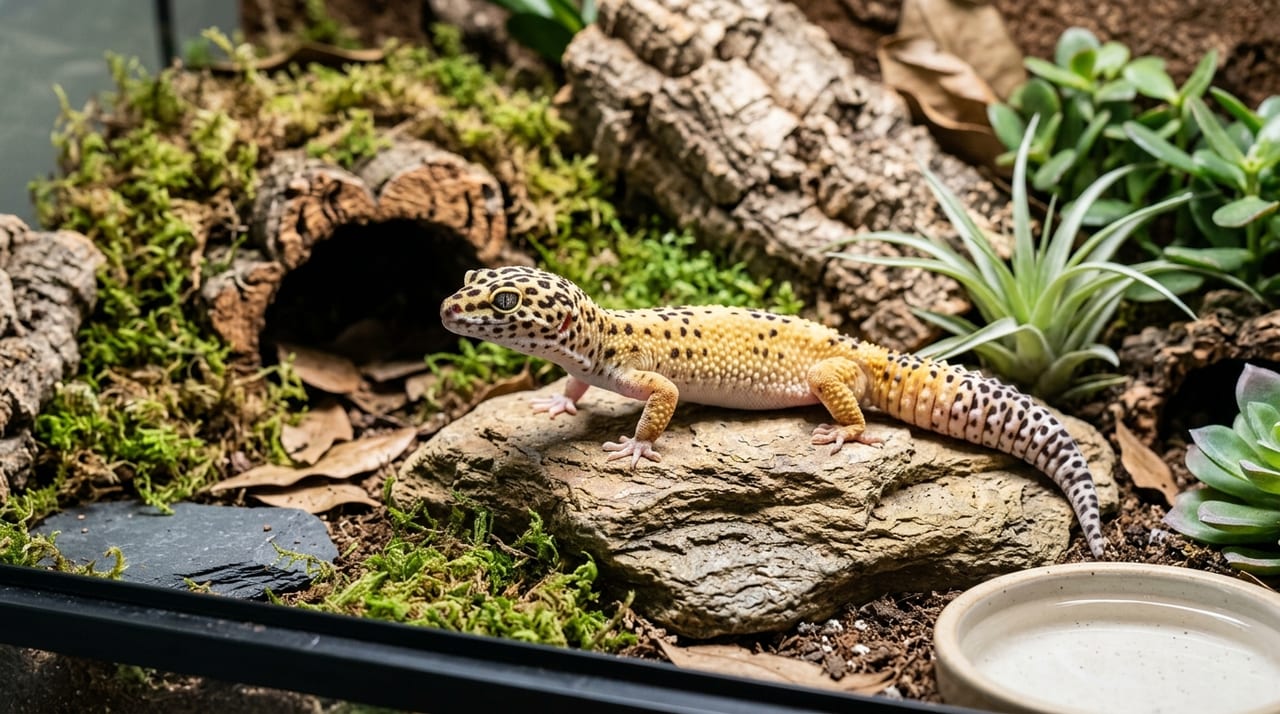
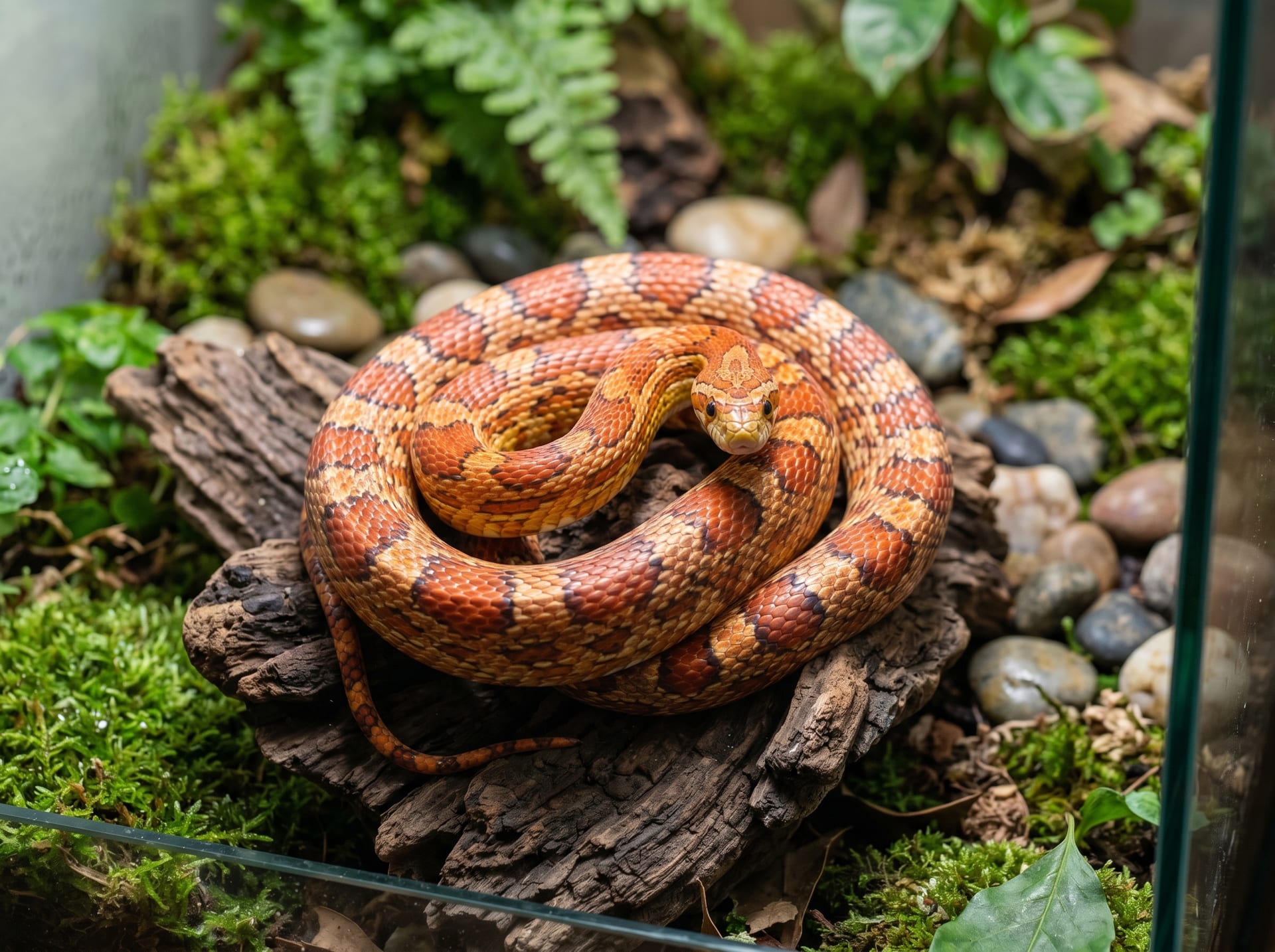
Leopard Geckos & Corn Snakes (adults up to 60cm): Width 45cm × Depth 30cm or larger
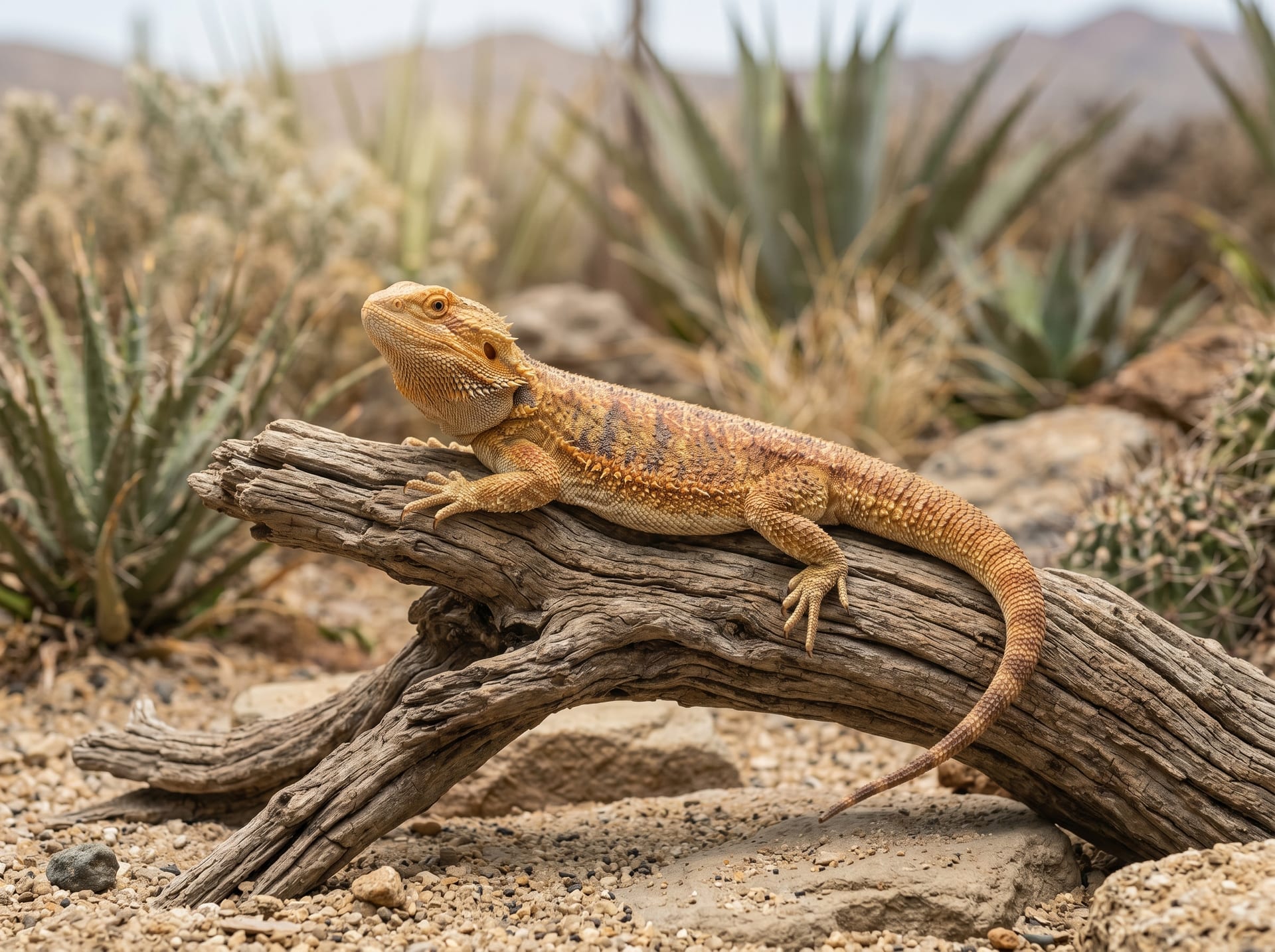
Bearded Dragons (adults): Width 120cm × Depth 60cm or larger
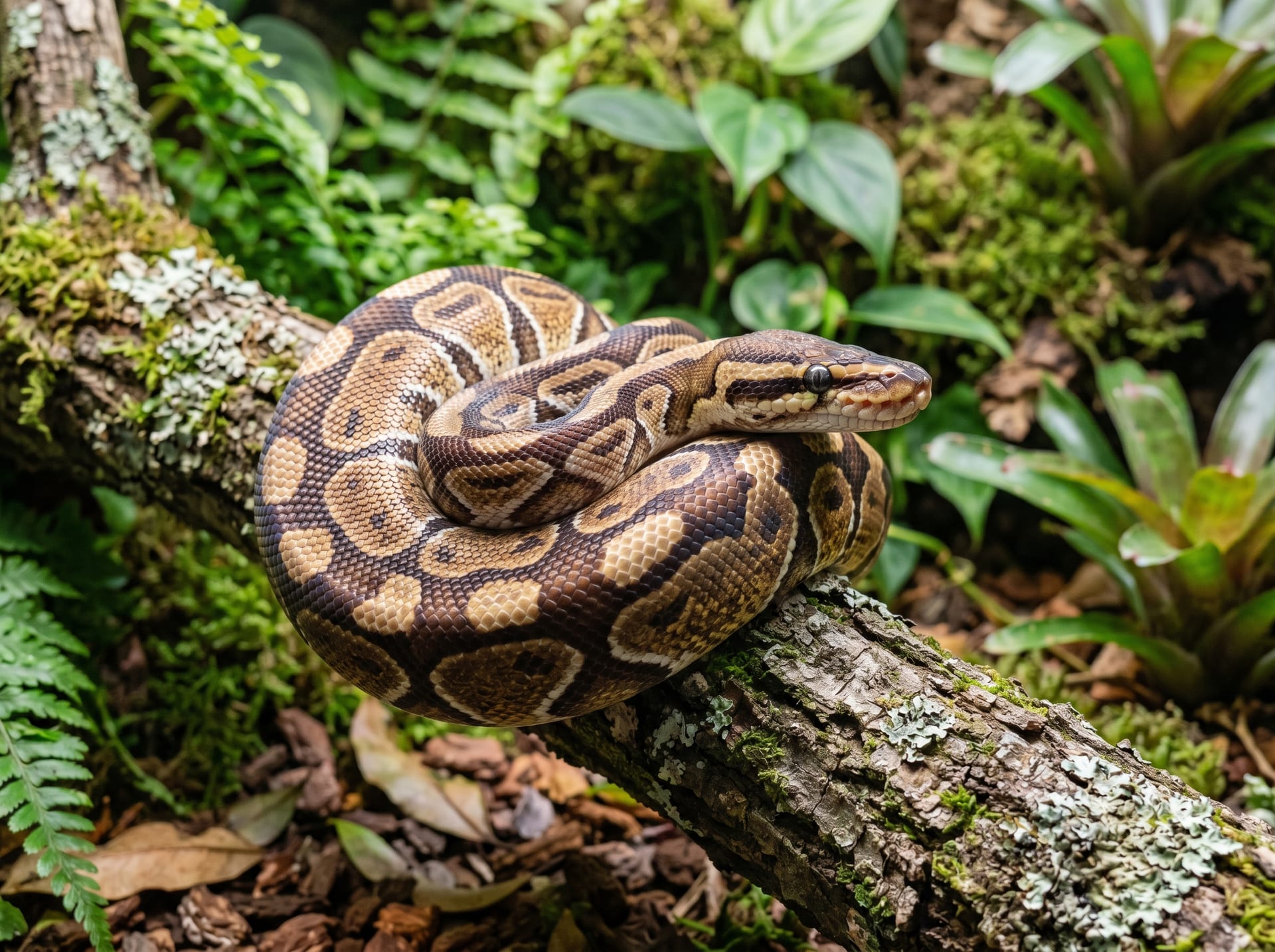
Ball Pythons (adults): Width 90cm × Depth 45cm or larger
Enclosures that are too small cause stress and lack of exercise. Conversely, enclosures that are too large can create situations where, especially young animals or shy individuals feel "too exposed to settle down." It's important to choose an enclosure that matches the individual's temperament and growth stage.
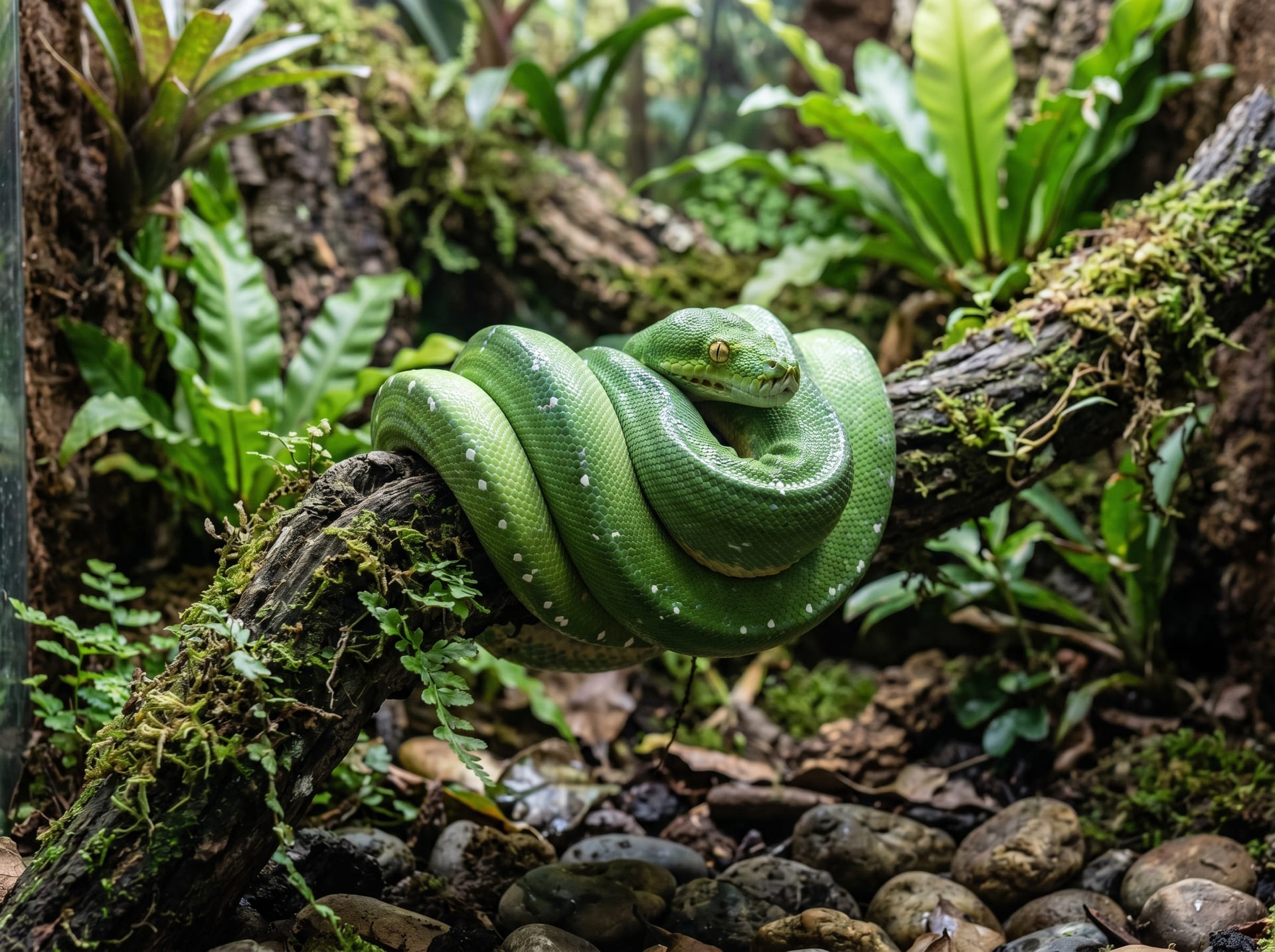
For species that prefer high-humidity environments (such as chameleons and green tree pythons), enclosures with breathable mesh panels are ideal.
Temperature Setup | Creating a Temperature Gradient
Reptiles are ectothermic (cold-blooded) and cannot regulate their body temperature on their own. That's why it's essential to create an environment within the enclosure with a "warm area (basking spot)" and a "cool area (cool zone)" where the individual can self-regulate its temperature—what we call a temperature gradient.
Basic Temperature Gradient Design
Basking Spot: Use a heat panel or heating lamp to warm one corner (end) of the enclosure intensively
Cool Zone: Positioned diagonally opposite to the basking spot. Arrange it so the temperature naturally remains lower
Day/Night Temperature Difference: Setting nighttime temperatures 5-8°C lower than daytime is closer to natural conditions
Temperature Ranges for Representative Species
Leopard Geckos: Basking spot 30-32°C / Cool zone 22-25°C
Bearded Dragons: Basking spot 40-45°C / Cool zone 25-28°C
Ball Pythons: Basking spot 30-32°C / Cool zone 24-27°C
Install thermometers in two places within the enclosure (basking and cool areas) and keep them where you can check them constantly. Using a thermostat enables automatic temperature control and makes winter temperature management significantly easier. For contingency measures during power outages, also refer to Emergency Power Outage Response Manual.
Lighting Setup | UVB and Day-Night Cycle
Lighting serves more than just illumination. It's an important system closely tied to reptile physiology.
UVB Lighting
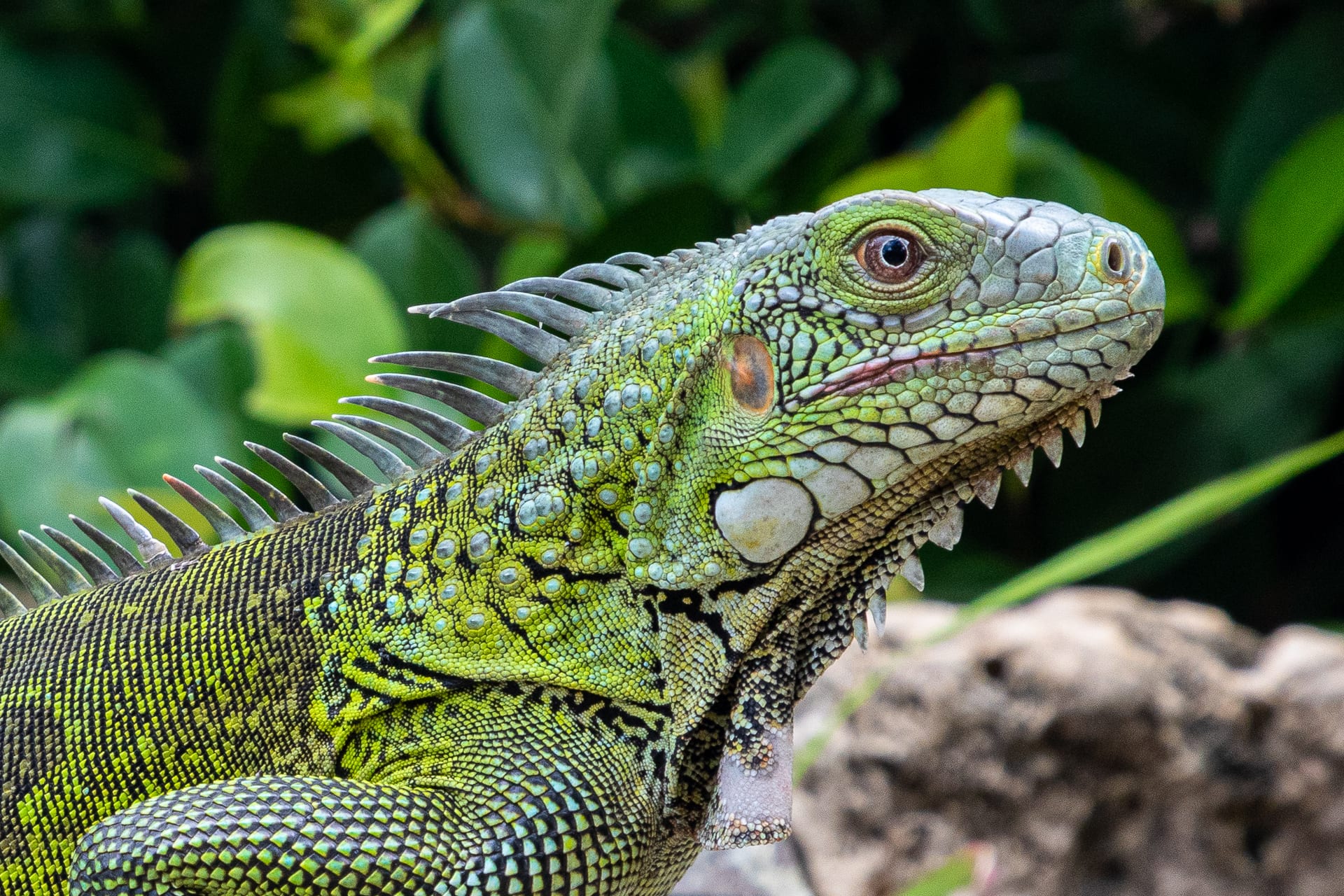
Diurnal reptiles (such as bearded dragons, chameleons, and green iguanas) require UVB lighting. UVB assists in vitamin D3 synthesis and promotes calcium absorption. Insufficient UVB raises the risk of metabolic bone disease.
UVB lights have varying UV output strength (UVI value), and different species require different intensities
Lights have a lifespan, and UV output can decline even if the light appears bright, so replacement every 6-12 months is recommended
Nocturnal species (such as leopard geckos and ball pythons) don't require UVB lighting, but lighting to recreate day-night cycles is beneficial. During the day, room ambient light is often sufficient, but during winter when daylight hours are short or in certain indoor environments, timer-controlled lighting can be helpful.
Choosing Substrate | Selecting by Species and Purpose
Substrate significantly affects enclosure humidity, hygiene, and the animal's behavior. It's important to choose substrate based on the species' ecology, not just appearance.
Substrate
Suitable Species
Characteristics
Paper Towels
Leopard geckos, beginners in general
Easy to manage hygiene, low risk of accidental ingestion
Desert Sand
Leopard geckos, savanna monitors
Promotes natural digging behavior, suitable for arid species
Coconut Husk
Chameleons, green tree pythons
High moisture retention, ideal for humidity-loving species
Artificial Turf
Snakes in general
Easy to clean, cost-effective
Bioactive Substrate
Advanced keepers in general
Naturalistic system where microbes handle decomposition
Paper towels are the easiest to manage for beginners and pose the lowest risk of accidental ingestion, making them a safe choice. As you gain experience, consider upgrading to substrates that more closely resemble natural environments. For detailed substrate selection guidance, see Substrate and Sand Selection Guide.
Shelters and Layout | Environmental Enrichment Approach
Shelters (Hides) Are Essential
A shelter is a "safe zone" where reptiles can retreat when stressed. Without one, they remain in constant tension, which can lead to loss of appetite and immune suppression.
Ideally, place one shelter on the basking side and one on the cool side
Size is best when the individual fits snugly (if too large, security is diminished)
Moist shelters (those with interior moisture) are effective in preventing shedding problems
Bringing Out Natural Behavior Through Layout
By carefully arranging driftwood, cork bark, artificial plants, and rocks, you can create three-dimensional pathways within the enclosure.
Snakes and Geckos: Add climbable driftwood or branches to encourage three-dimensional movement
Lizards: Position rocks or driftwood directly beneath lighting to serve as basking spots
Water Bowl: Choose a heavy, spill-resistant container and prioritize shapes that are easy to keep clean
Varying the layout is important from an environmental enrichment perspective—fulfilling the animal's natural behavioral needs. However, frequent layout changes can stress some individuals, so adjust based on observing your animal's response.
Humidity Management
Humidity directly affects reptile shedding and health. Appropriate humidity varies by species, but here are general guidelines:
Arid species (Leopard Geckos, desert lizards): 30-50%
Moderate species (Corn Snakes, Ball Pythons): 50-60% (raise to 70% or higher before shedding)
Humid species (Green Tree Pythons, Chameleons): 70-90%
Summary | Setup Begins with "Dialogue with Your Animal"
There's no single "perfect answer" to reptile enclosure setup. The optimal solution varies depending on species ecology, individual temperament, and the keeper's environment. What's important is grasping the basics, observing your animal's behavior and condition, and gradually refining your setup.
Manage temperature and humidity by the numbers and check them regularly
Prioritize setting up shelters and temperature gradients
Adjust substrate and layout based on your animal's response
Once your enclosure is set up, the next important step is meeting the right individual. At BreederDirect, you can purchase reptiles directly from experienced breeders. You can ask breeders directly about the animal's condition, care environment, and lineage, allowing beginners to confidently take their first step in welcoming a reptile. Please explore the reptile category to find the perfect individual for you.