Basic Humidity Management Techniques | Maintaining Optimal Humidity for Reptiles and Plants
Explains the fundamentals of humidity management in animal care and plant cultivation. Introduces how to choose humidifiers and misting systems, the correct placement of hygrometers, strategies for preventing condensation in enclosures, and tips for seasonal humidity adjustment.
Key Takeaways
Explains the fundamentals of humidity management in animal care and plant cultivation. Introduces how to choose humidifiers and misting systems, the correct placement of hygrometers, strategies for preventing condensation in enclosures, and tips for seasonal humidity adjustment.
Related Species
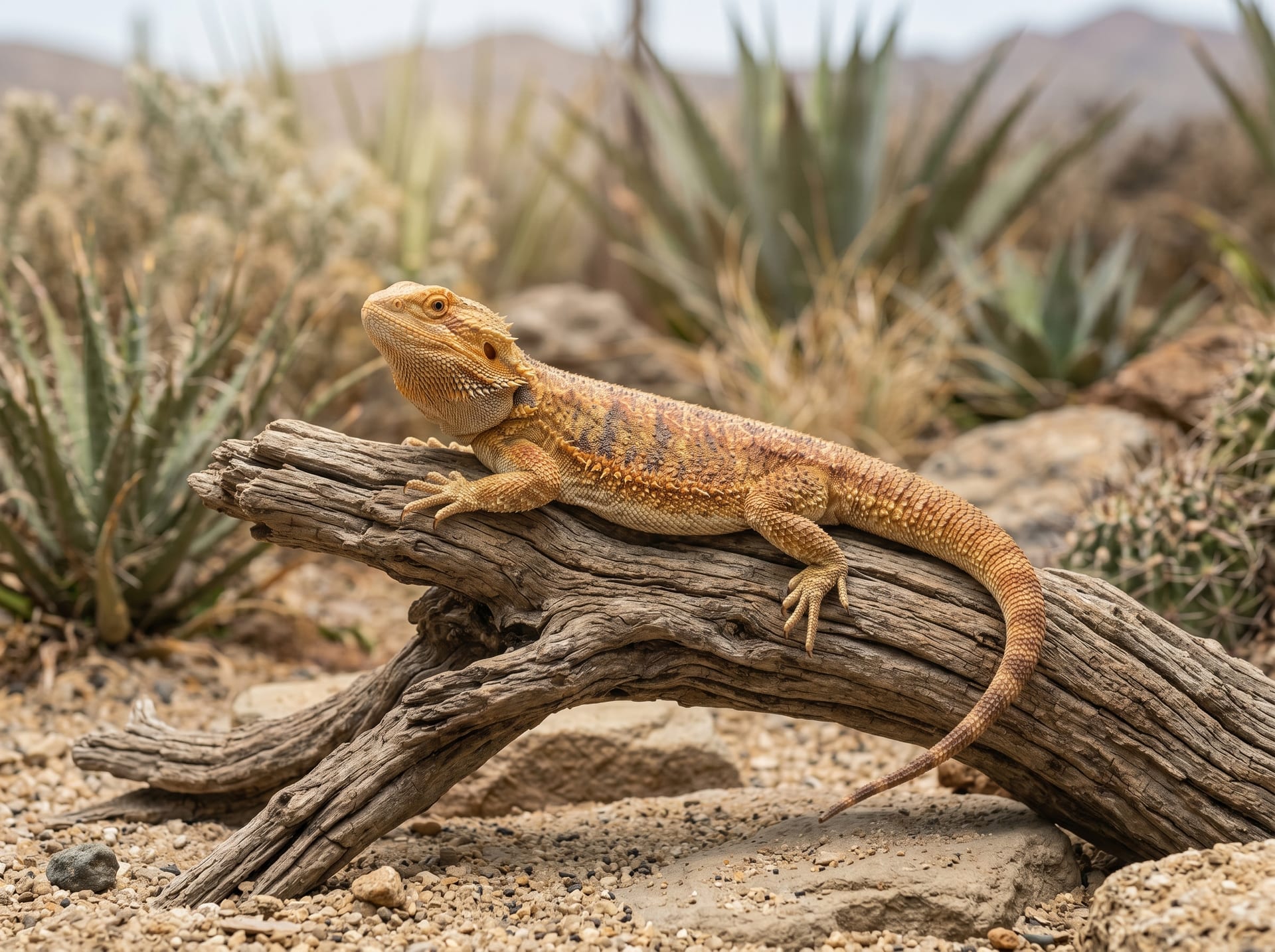
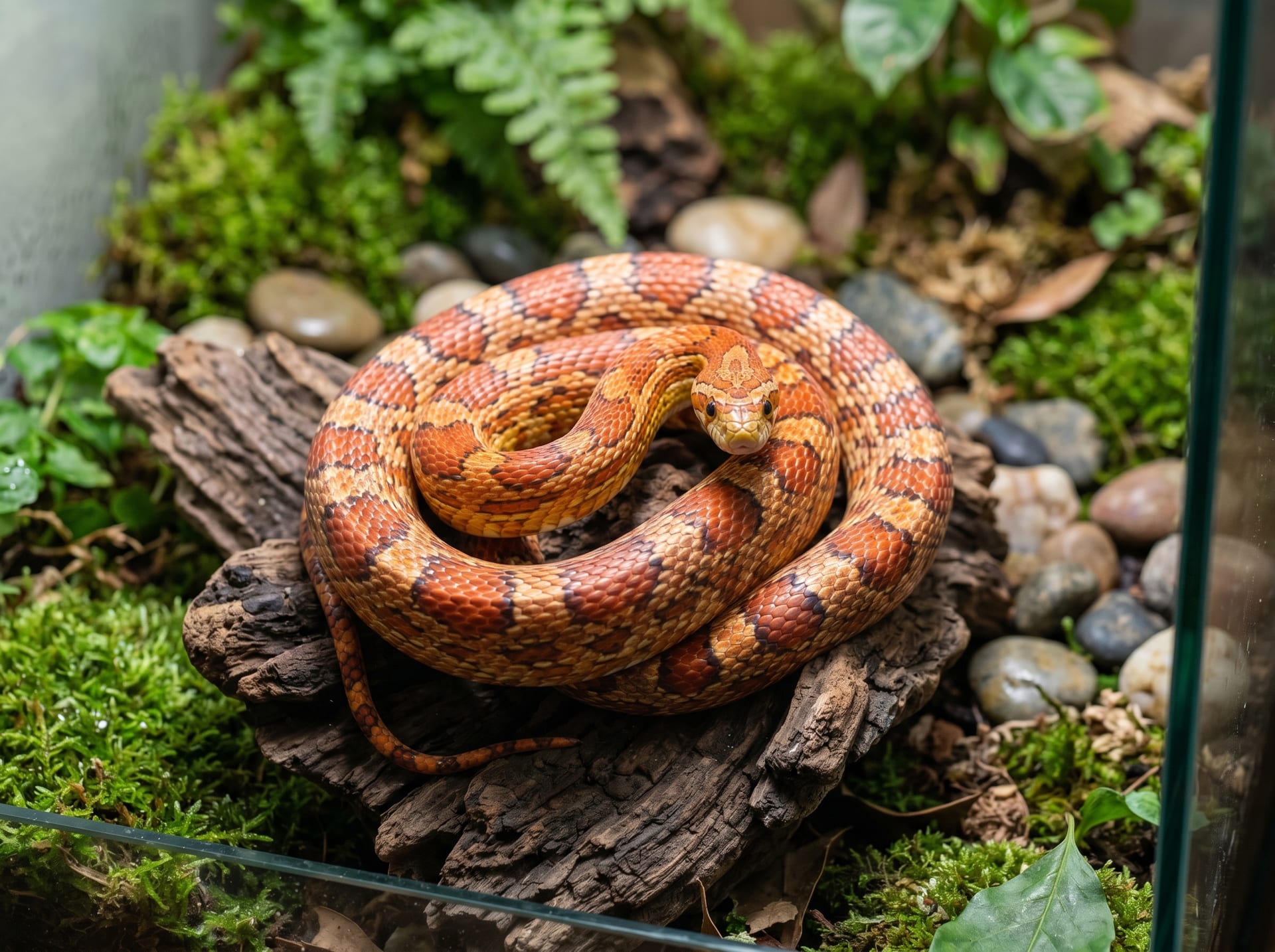
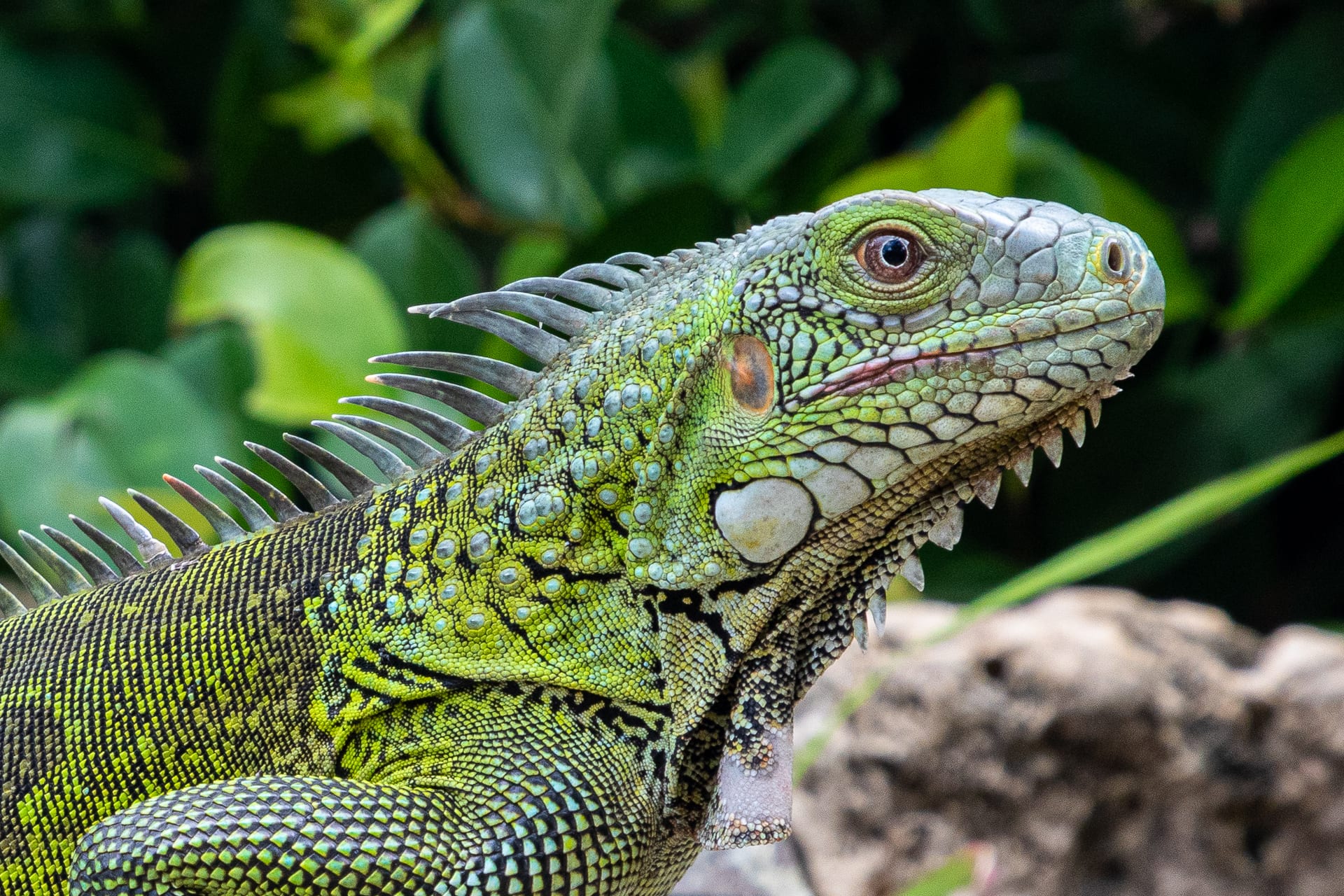
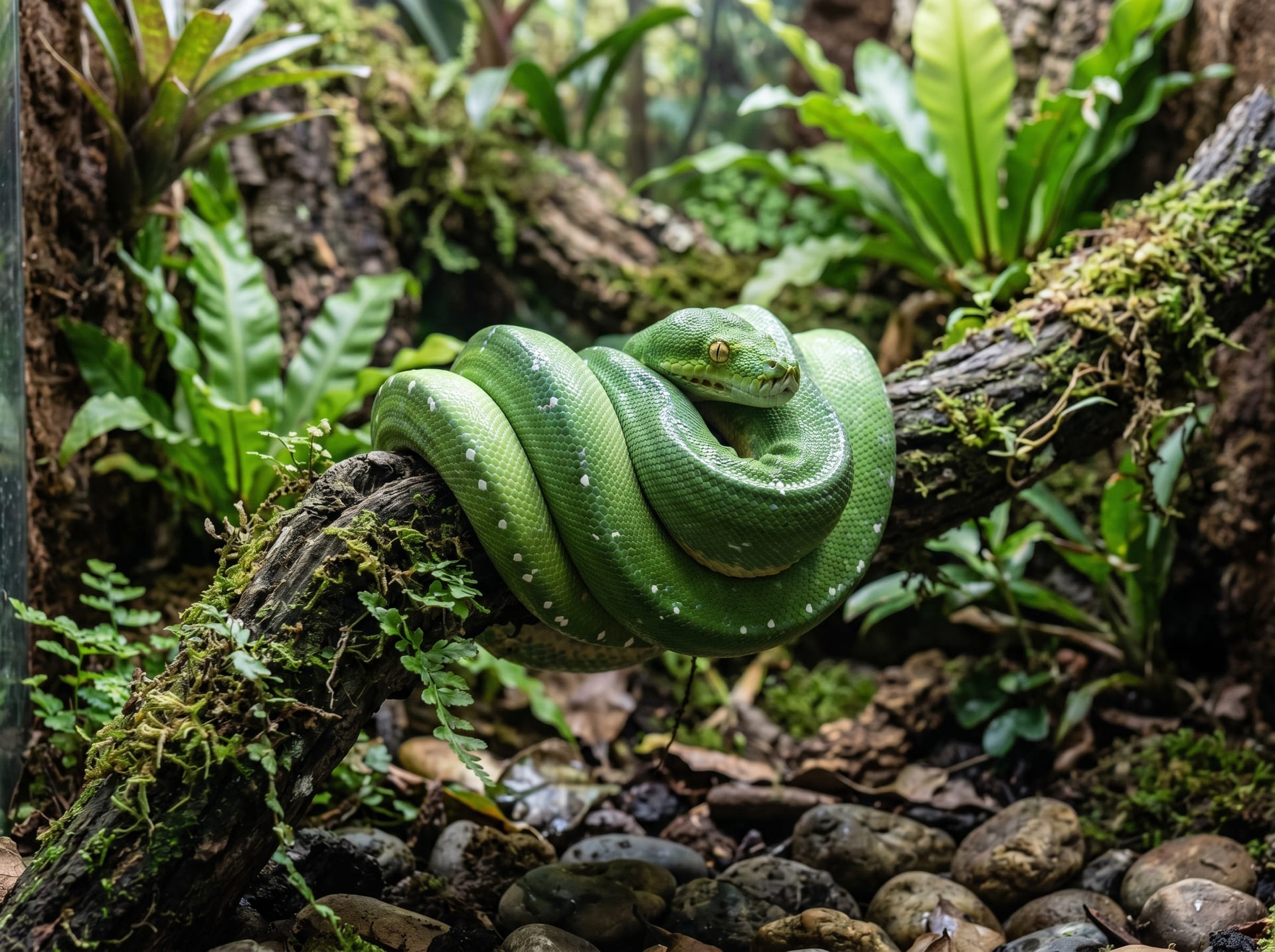
Why Humidity Management Is So Important
In reptile husbandry and plant cultivation, humidity is an environmental parameter nearly as critical as temperature—literally a matter of life and death. Many beginners make the mistake of installing only a thermometer, but appropriate husbandry conditions cannot be achieved without a hygrometer.
In reptiles, humidity that is too low can cause incomplete shedding. If the skin is dry during the shedding process, old skin may tear partway, resulting in necrosis of the tips of fingers, toes, or the tail. Conversely, if humidity is too high, the risk of bacterial dermatitis (red rot) and respiratory infections increases significantly. Similarly for plants, low humidity causes excessive transpiration leading to wilting, while high humidity promotes fungal growth and root rot.
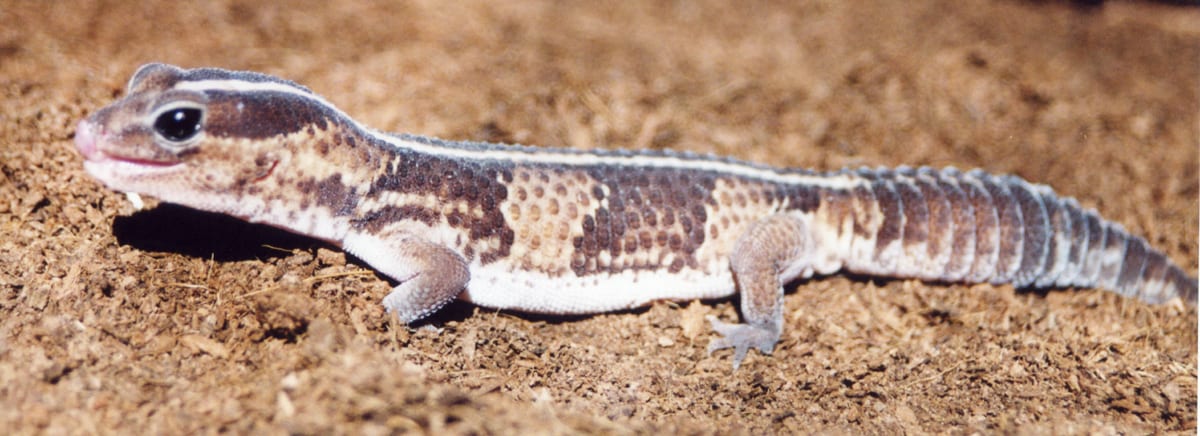
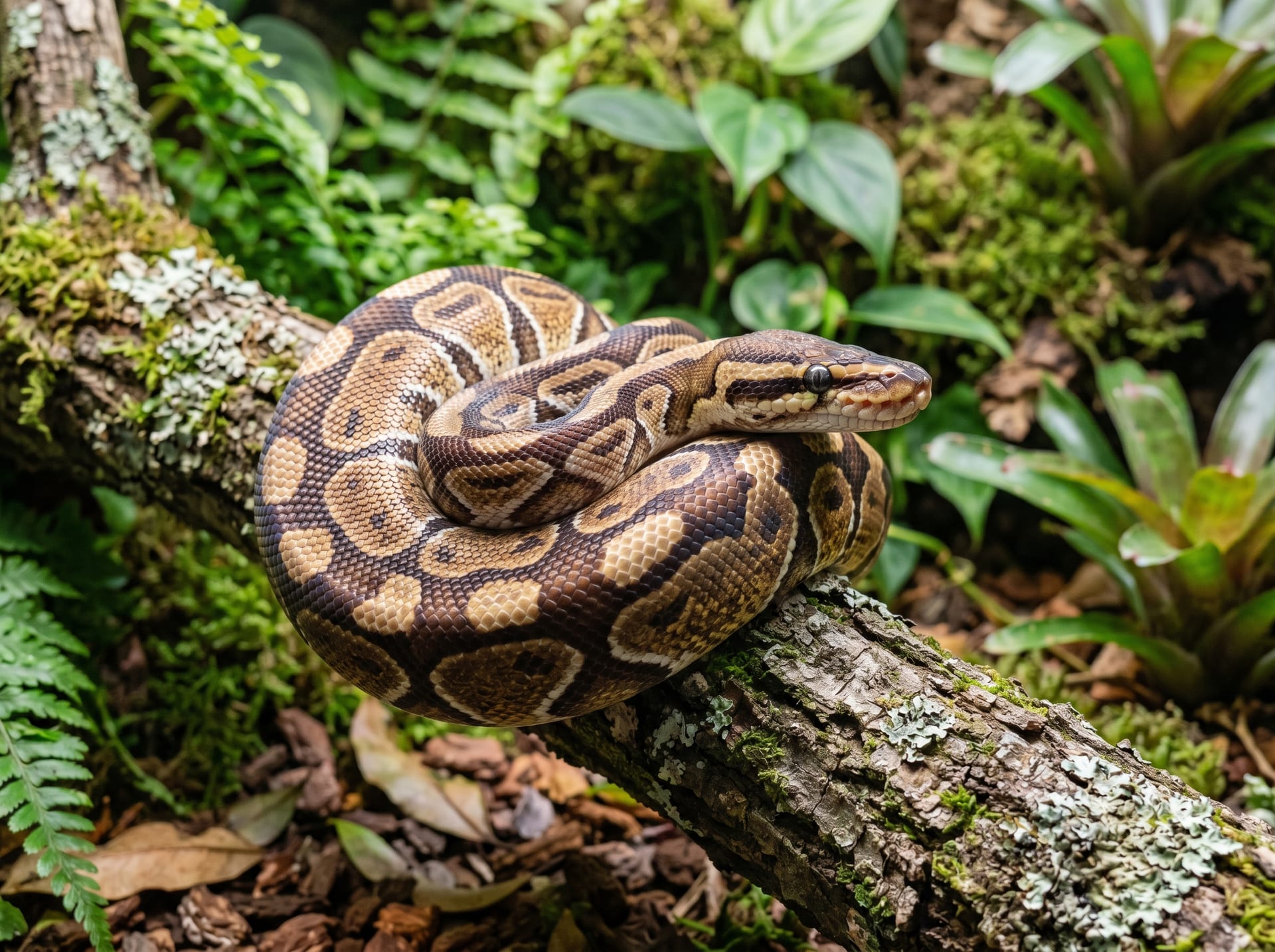
The appropriate humidity level comes down to one simple statement: it varies by species. Desert-dwelling Leopard Geckos require 30–40%, while rainforest-native Green Tree Pythons demand 70–80%. Ignoring this difference and maintaining uniform conditions will inevitably compromise one species or the other.
Target Humidity Reference Table by Species and Purpose
Before implementing actual management, familiarize yourself with the target humidity ranges for representative species and plants.
Reptiles
- Leopard Gecko: 30–40% normally, 60–70% during shedding
- Corn Snake: 50–60%
- Bearded Dragon: 35–45%
- Ball Python: 60–80% (maintain on the higher end especially before shedding)
- West African Dwarf Gecko: 60–70%
- Green Iguana: 70–80%
Plants
- Cacti and succulents: 20–40%
- Foliage plants (Monstera, Pothos, etc.): 50–70%
- Carnivorous plants (pitcher plants, Venus flytraps, etc.): 70–90%
- Orchids (Cattleya type): 50–70%
- Mosses and terrarium plants: 80–95%
These values are guidelines only. Even within the same species, there is variation by locale and individual, so the practical approach is to fine-tune based on observation of the animal's condition—appetite, activity level, and skin appearance.
Specific Methods for Increasing Humidity
When humidity is insufficient, select methods from the following options that suit your environment.
Installing a Wet Shelter
For Leopard Geckos and Corn Snakes, a "wet shelter"—a hide with a depression at the top filled with water—is the simplest and most effective method. Since the animal naturally moves to the high-humidity area during shedding, you can prevent incomplete sheds without maintaining high humidity throughout the entire enclosure.
Misting and Spraying
Misting once or twice daily provides immediate results. However, be careful when spraying toward glass surfaces and decorations to avoid excess water accumulating in the substrate. For nocturnal reptiles, misting at night replicates the natural dew that occurs in their native habitat.
Automatic Misting Systems
Automated misters like the ReptiFogger (Exo Terra) spray on a timer at preset intervals. For species like Ball Pythons and Green Tree Pythons that continuously require high humidity, this investment is worthwhile.
Substrate Selection
Coconut husk, husk chips, and sphagnum moss have high moisture-retention properties and maintain cage humidity for extended periods when kept damp. Conversely, sand-based substrates dry quickly and are better suited for desert reptiles.
Specific Methods for Decreasing Humidity
Japan's hot, humid summers present particular challenges for keepers of arid-climate reptiles and succulents.
Improving Ventilation
Replacing the lid with a mesh top or adding ventilation holes to side panels provides a fundamental solution. Since stagnant air promotes humidity buildup, creating gentle airflow with a small fan is also effective. However, avoid direct drafts, which over-dry conditions; instead, position the fan to circulate air around the outside of the enclosure.
Desiccants and Dehumidifiers
For reducing humidity in the entire room, a household dehumidifier is most effective. Particularly during the rainy season through summer, enclosed breeding rooms can easily exceed 60% without a dehumidifier. Calcium chloride desiccants can be placed in individual enclosures, but be cautious about the risk of accidental ingestion.
Reconsidering Water Bowls
Larger water bowls increase evaporative surface area and raise humidity. For desert species, simply switching to a smaller water bowl can reduce humidity by 2–5%.
Measuring and Recording Humidity
Accurate measurement is essential for precise humidity management.
Inexpensive analog hygrometers often have errors of ±10–15% and are unsuitable for husbandry purposes. Choose a digital model (such as SwitchBot temperature and humidity sensors or Inkbird units) with accuracy within ±3%. If budget allows, a Wi-Fi-enabled model with smartphone remote monitoring is convenient—you can receive alerts on sudden humidity changes even while away from home.
Placement is also important. In reptile enclosures, adjust the sensor height to match the area where the animal primarily occupies (ground level or elevated). For arboreal species like Green Tree Pythons, humidity can vary by 10% or more between ground and canopy levels, so dual-point measurement is ideal if possible.
Responding to Seasonal Fluctuations and Long-Term Management Tips
Japan's climate has large seasonal humidity swings, and a single setup cannot accommodate all seasons throughout the year.
Winter heating can make indoor air extremely dry (sometimes dropping below 30%), while summers become hot and humid. Developing the habit of reviewing enclosure settings each season is key to maintaining long-term healthy husbandry.
It is also crucial not to miss the signs before shedding. Leopard Geckos and Corn Snakes begin showing cloudy (opaque white) eyes 3–5 days before shedding, and their appetite decreases. Once you notice these signs, immediately increase water in the wet shelter and raise overall enclosure humidity by 10–15% above normal levels.
For plants, humidity management aligned with seasonal growth cycles is equally important. Many tropical plants prefer higher humidity during the growing season (spring–summer) and slightly drier conditions during dormancy (winter). The foundation of long-term plant health is referencing species-specific ecological information and making seasonal adjustments accordingly. Humidity management is not a "set and forget" task—it is an ongoing process of daily observation and record-keeping. This consistent attention is the fastest path to improving husbandry quality.