How to Make and Manage Reptile Egg-Laying Substrates: Differences Between Oviparity and Viviparity, Nesting Box Design, and Substrate Selection
A comprehensive guide to creating and managing egg-laying substrates (lay boxes) in reptile breeding, one of the most critical steps in reproduction. This breeder-focused resource covers comparisons of vermiculite, perlite, and sphagnum moss, inducing digging behavior, post-laying care, and species-specific considerations.
Key Takeaways
A comprehensive guide to creating and managing egg-laying substrates (lay boxes) in reptile breeding, one of the most critical steps in reproduction. This breeder-focused resource covers comparisons of vermiculite, perlite, and sphagnum moss, inducing digging behavior, post-laying care, and species-specific considerations.
Related Species
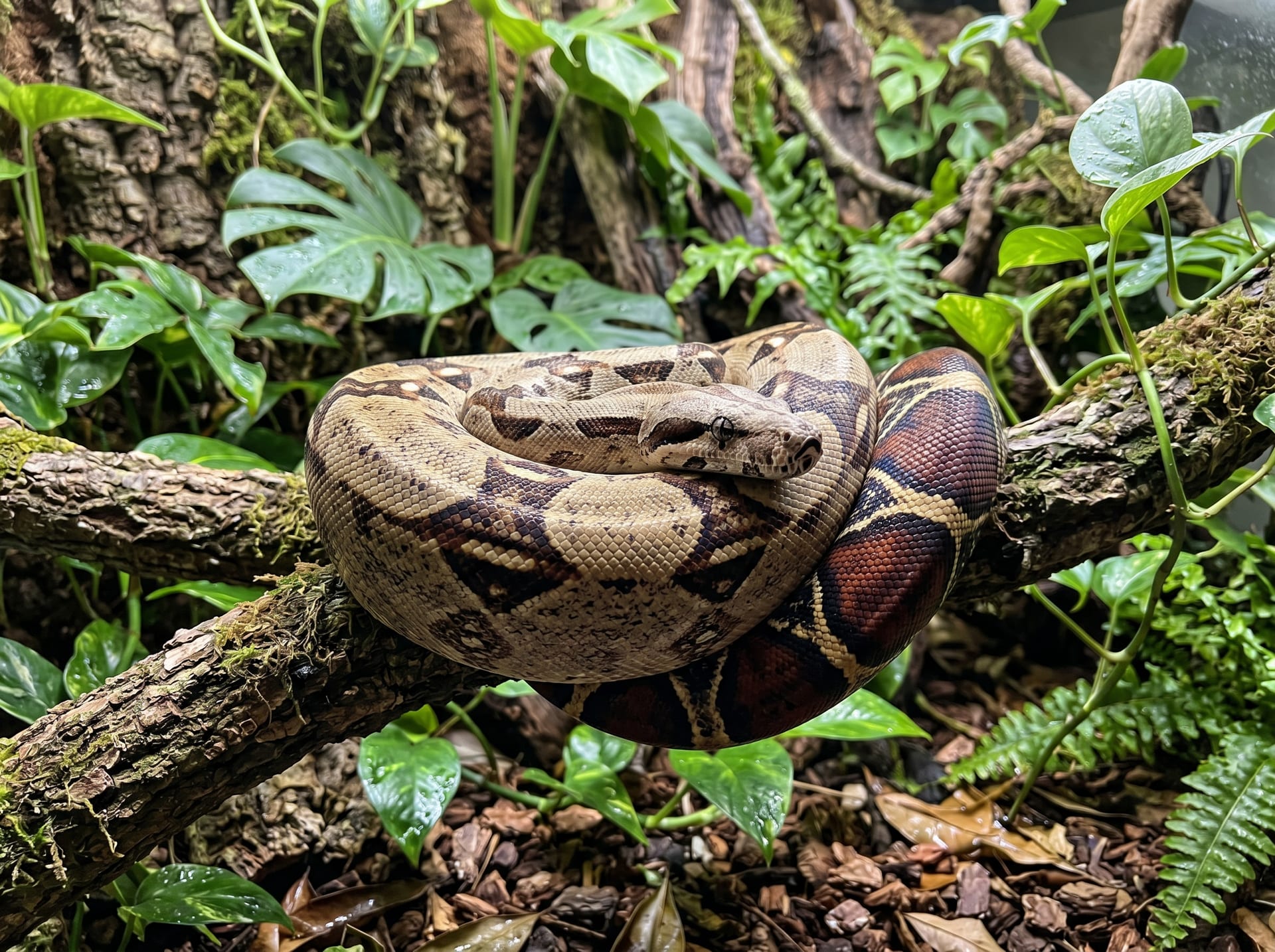
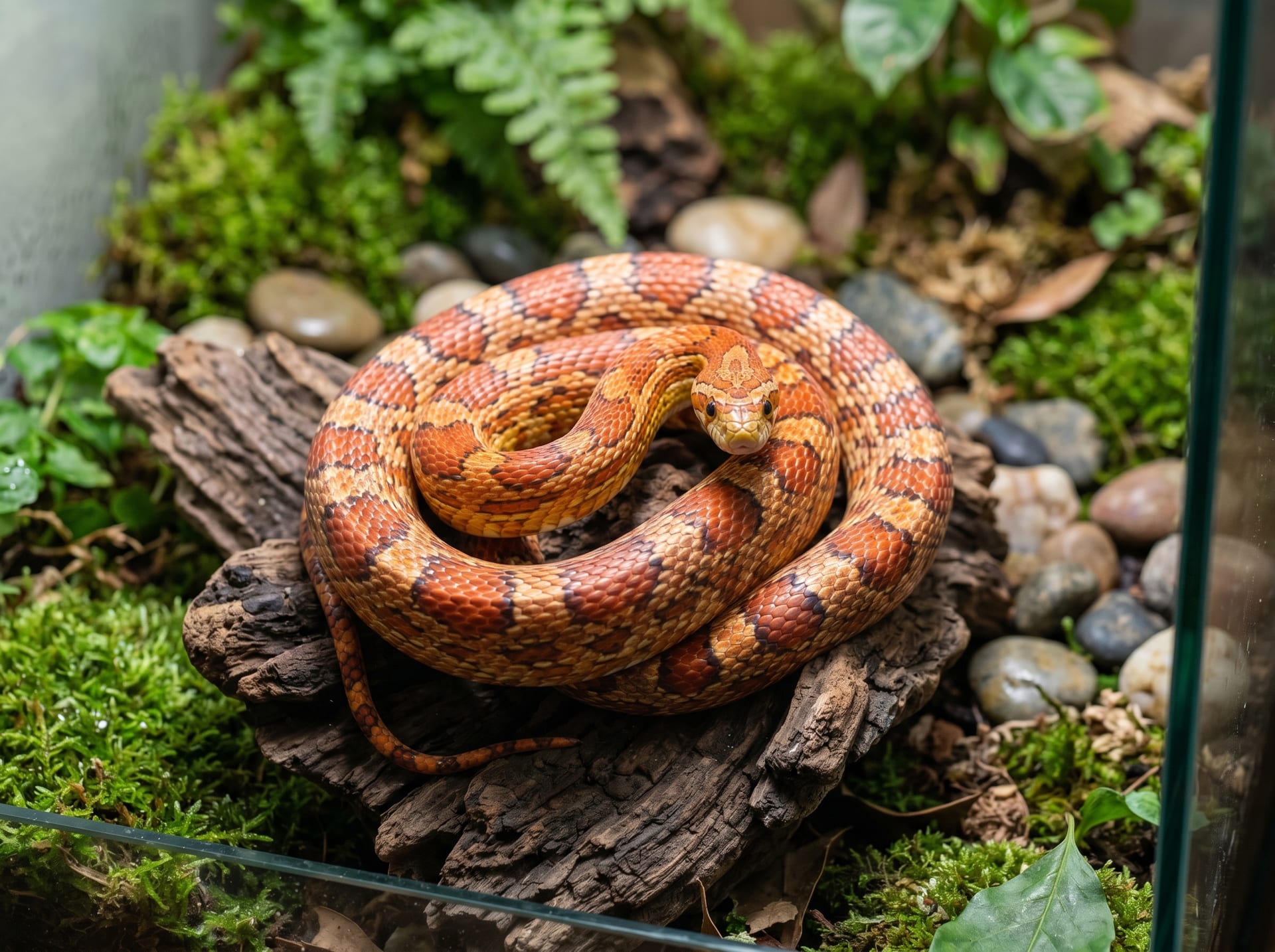
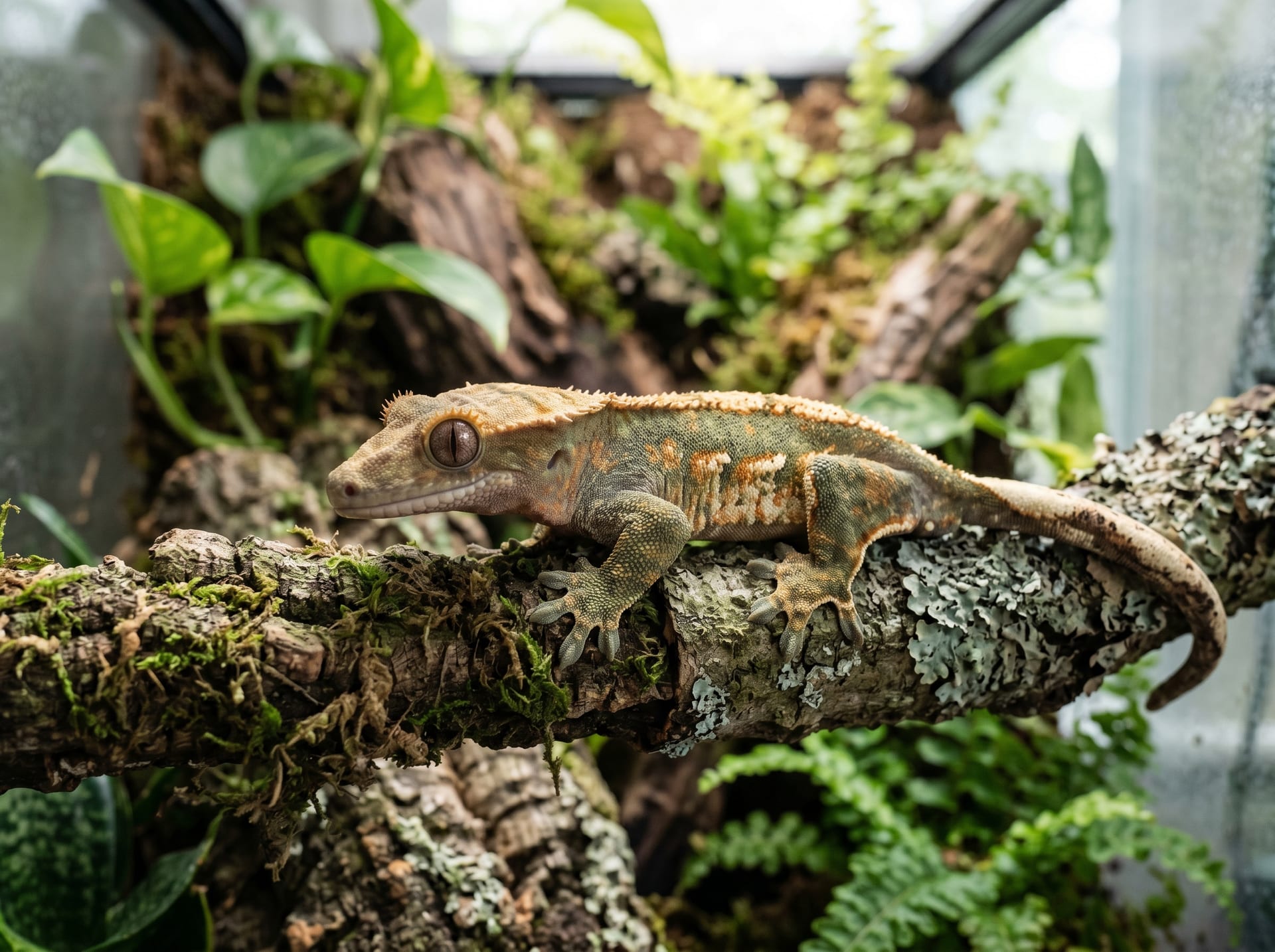
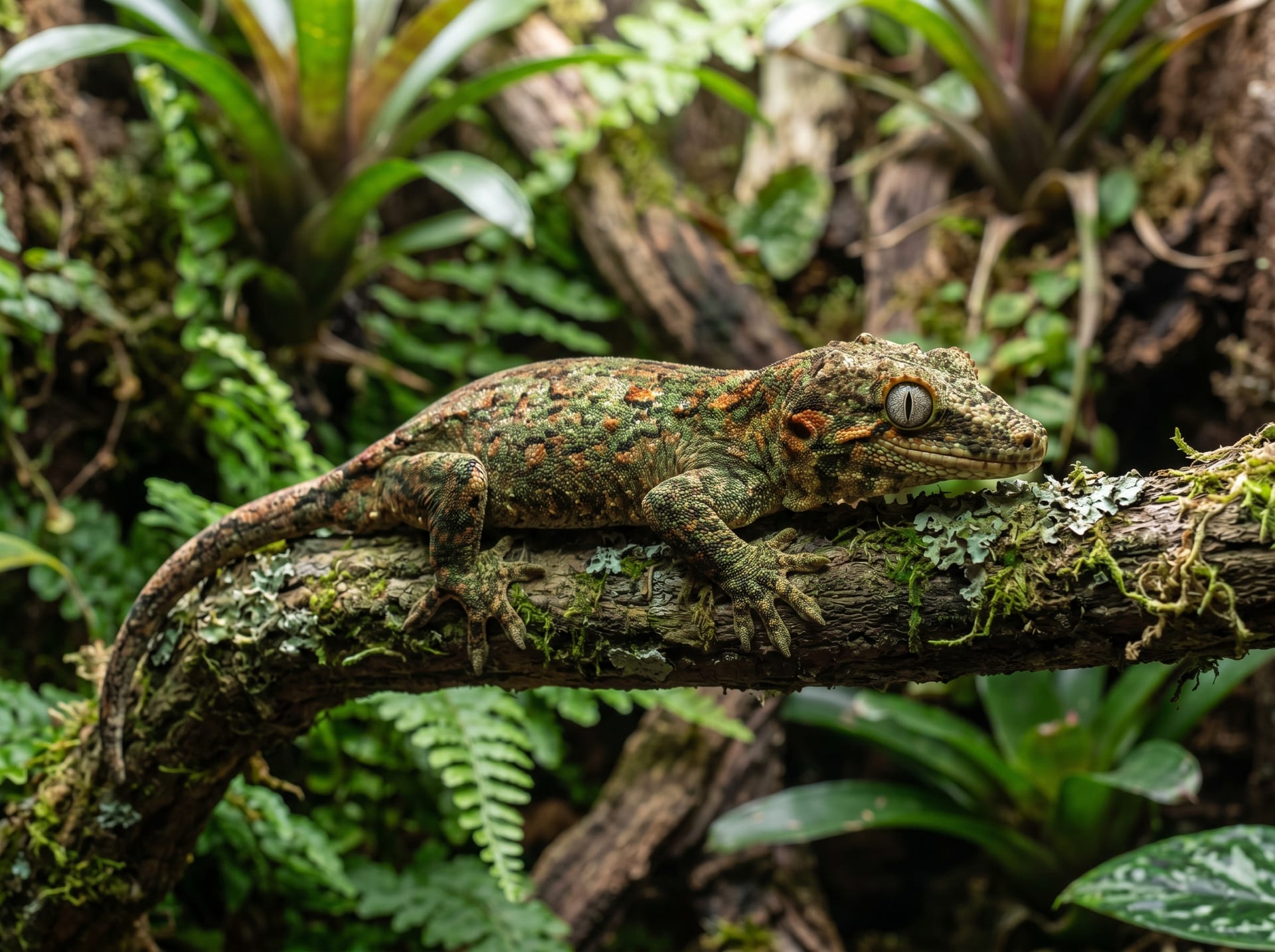
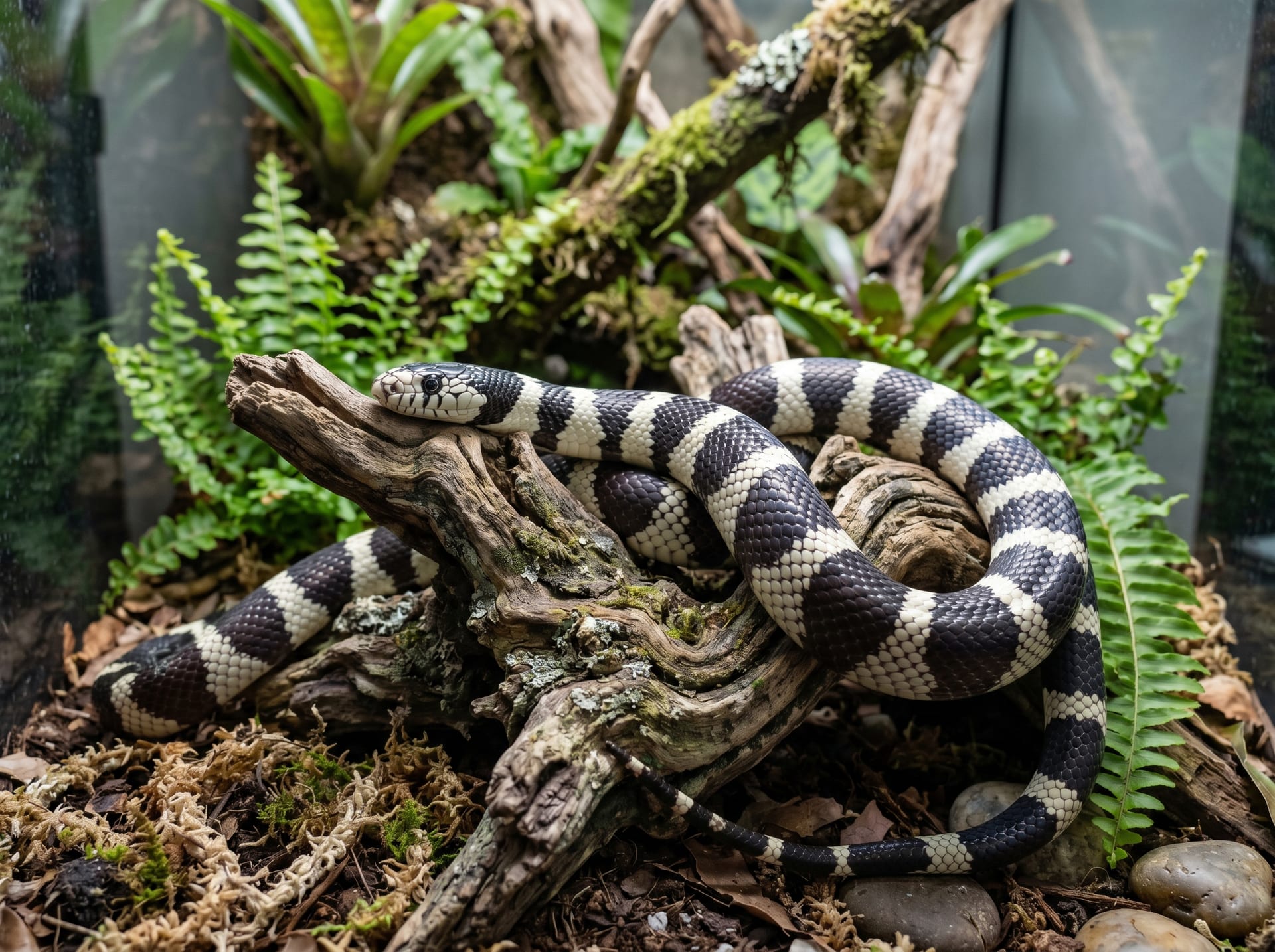
Reptile Reproduction Forms: Oviparity and Viviparity
Reptile reproduction is broadly divided into two forms. While egg-laying substrates are only necessary for oviparous (egg-laying) species, proper pre-laying care is equally important for viviparous species, making it essential to understand both.
Oviparity
A reproductive method in which eggs are laid and hatch outside the body. The majority of reptiles use this method.
Representative Oviparous Species:
- Snakes: Corn snakes, king snakes, hognose snakes, most python species
- Geckos: Leopard geckos, crested geckos, gargoyle geckos
- Lizards: Bearded dragons, chameleons, iguanas, tegus, blue-tongued skinks
- Turtles: Most terrestrial and aquatic turtles
For oviparous species, if an egg-laying substrate (lay box) is not prepared in advance, females may fail to find an appropriate laying site, resulting in egg binding (egg retention), a life-threatening condition.
Ovoviviparity / Viviparity
A reproductive method in which eggs are retained within the body and young are born live. No lay box is needed, but proper environmental management before laying is critical.
Representative Viviparous Species:
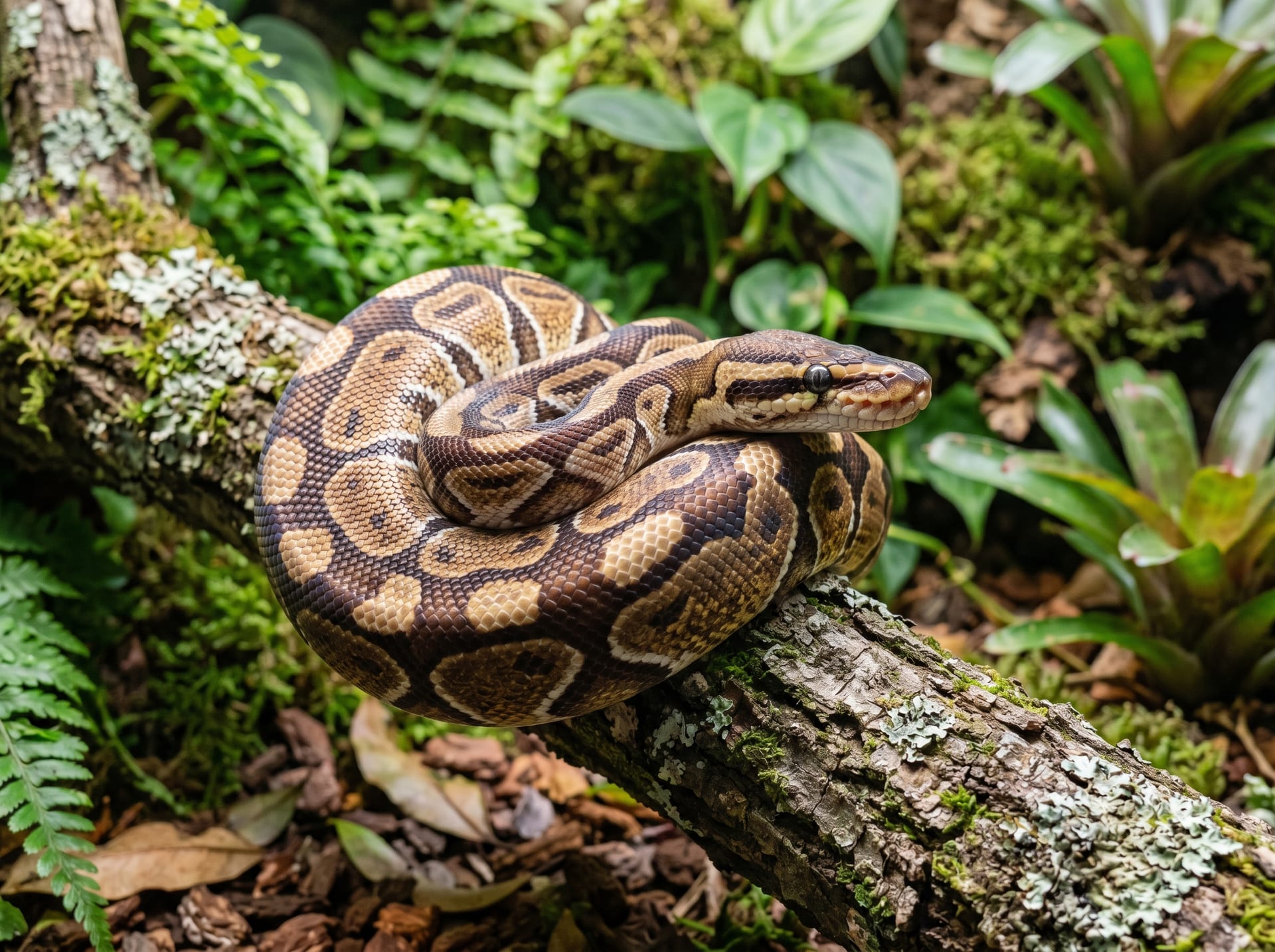
- Snakes: Ball pythons (some populations), boa constrictors, garter snakes
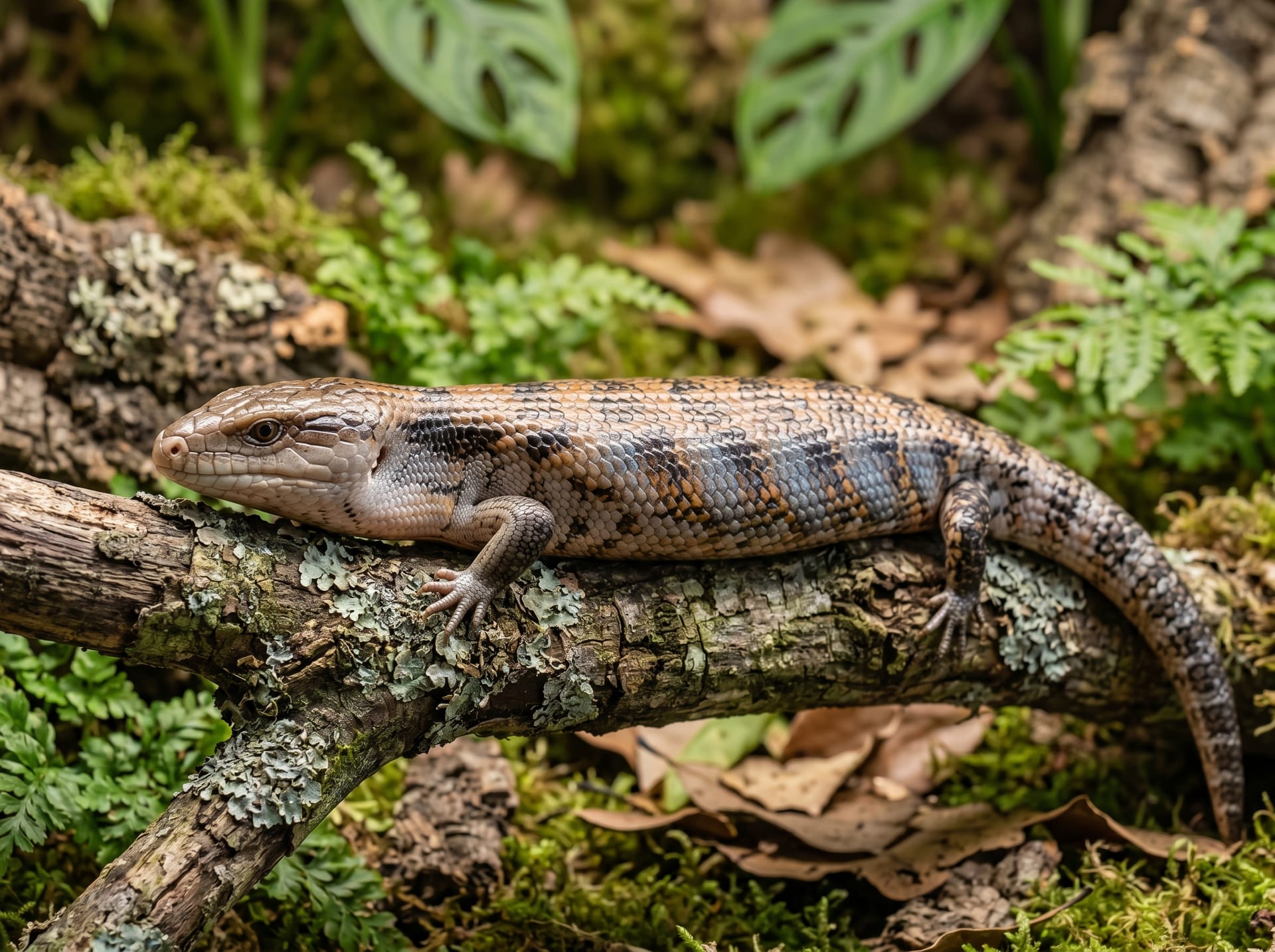
- Lizards: Some blue-tongued skinks, some blue-tailed skinks
- Many other small lizard species
Not Missing the Signs of Egg-Laying
As females approach the egg-laying period, various behavioral and physical signs appear. Recognizing these signs is crucial for setting up the nesting box at the right time.
Common Pre-Laying Signs
Behavioral Changes:
- Restless pacing throughout the enclosure: Searching for a laying site
- Digging behavior (burrowing): Intensely digging at the substrate
- Loss of appetite or refusal to eat: Often begins 1–3 weeks before laying
- Attempting to climb glass or walls: Increased escape-like behavior
Physical Changes:
- Abdominal swelling: Eggs or young may be visible through the skin
- Rapid weight gain: Particularly in leopard geckos, eggs are often visible in the abdomen
- Swollen appearance: Eggs may be translucent beneath the skin
Pre-Laying Signs in Viviparous Species
- Significant decrease in appetite
- Increased basking time
- Large abdominal swelling
- Often remaining motionless in one spot just before birth
Egg-Laying Substrate (Lay Box) Design and Construction
Basic Structure
An egg-laying substrate should be a "dark, moist space where the female feels comfortable digging."
Essential Elements:
- Appropriate size: Large enough for the female to fit comfortably
- Lid or dark environment: Ensures privacy and allows relaxed egg-laying
- Substrate that maintains proper humidity: Materials that retain adequate moisture
- Sufficient depth: Varies by species, but deep enough for the body to be fully buried is ideal
Size Guidelines:
| Species | Minimum Nesting Box Size |
|---|---|
| Leopard Gecko | 15×20×10cm (depth) or larger |
| Corn Snake | 20×30×15cm or larger |
| Ball Python | 30×40×20cm or larger |
| Bearded Dragon | 30×40×20cm or larger |
| Terrestrial Tortoise (small to medium) | 40×60×30cm or larger |
Choosing the Container Material
Plastic Containers / Tupperware (Most Common):
- Inexpensive and readily available
- Cut an entrance hole (5–7cm diameter) in the lid
- Transparent containers are easy to monitor internally
Wooden Nesting Boxes:
- Good ventilation
- Natural texture may help females feel secure
- Difficult to clean and disinfect; best used as disposable
Specialized Reptile Lay Boxes:
- Sold by some manufacturers
- Properly designed for appropriate size and shape
Egg-Laying Substrate Material Comparison and Selection
The choice of substrate material directly impacts laying success.
1. Vermiculite
The most popular egg-laying substrate.
Characteristics:
- Lightweight and easy to handle
- High water retention; maintains proper humidity for extended periods
- Sterile; resistant to pathogen growth
- Fine particles make it easy for snakes and lizards to dig
How to Use: Mix water and vermiculite at a 1:1 weight ratio (the mixture should clump when squeezed but not release water). Depth should be 5–15cm depending on species body size.
Suitable for: Corn snakes, king snakes, ball pythons, hognose snakes, bearded dragons, and most gecko species
2. Perlite
A lightweight expanded material similar to vermiculite.
Characteristics:
- High drainage; less prone to becoming overly moist
- White color makes eggs highly visible
- Resistant to bacterial growth
- Somewhat more expensive
How to Use: Mix at a 1:1 water-to-perlite weight ratio, similar to vermiculite. Alternatively, use a drier setup.
Suitable for: All snakes, arid-adapted lizards
3. Sphagnum Moss
Natural moss with exceptional moisture-retention properties.
Characteristics:
- Antimicrobial and antifungal (highly resistant to mold)
- Extremely high water-holding capacity (retains 20+ times its weight in water)
- Relatively expensive
- Ideal for species preferring humid environments
How to Use: Rehydrate dried moss with water and gently wring out excess.
Suitable for: Chameleons, gargoyle geckos, crested geckos, tropical lizards
4. Akadama Soil / River Sand (For Terrestrial Tortoises)
Soil-based substrates are most appropriate for tortoise egg-laying.
Characteristics:
- Tortoises prefer substrates similar to natural environments
- Allows deep digging, promoting natural laying behavior
- Difficult to manage and heavy, but essential for tortoises
How to Use: Moisten lightly (firm but crumbly), with depth of 20–30cm or more.
Timing and Placement of the Egg-Laying Substrate
Timing for Installation
Snakes, Geckos, Small Lizards:
- 4–6 weeks after successful mating
- When eggs are visibly swollen in the abdomen
- When refusal to eat begins
Bearded Dragons:
- When eggs are visibly bulging (1–2 weeks before laying)
- When restless behavior begins
Terrestrial Tortoises:
- Spring to summer (4–8 weeks after mating)
- Especially important when outdoor animals begin digging
Placement Location
- Cool side of the enclosure is preferred
- Not excessively cold; approximately 20–26℃ is ideal
- Dark location, away from direct light
Post-Laying Care and Egg Removal
Confirming Egg-Laying
After the female exits the lay box, check inside for eggs. However, never disturb the female during the laying process (interruption increases the risk of egg binding).
How to Remove Eggs
Move eggs to an incubator immediately after laying is confirmed.
Critical: Do Not Change Egg Orientation
After laying, the embryo position is fixed at the top of the egg. Inverting the egg risks embryonic drowning and death.
Procedure:
- Carefully remove eggs one at a time from the substrate
- Mark the top of each egg with a marker before removal
- Arrange all eggs in the incubator in the same orientation
- Never force-separate adhered eggs (a leading cause of failure)
Care for Females After Laying
Post-laying females are severely depleted of energy.
- Soaking: Place in 30–35℃ lukewarm water for 10–15 minutes to rehydrate and aid waste elimination
- Calcium and Vitamin Supplementation: Laying depletes significant calcium reserves; increase nutritional support
- Resume Feeding: Begin offering small meals 48–72 hours after laying. Start with easily digestible, appropriately-sized prey
- Monitor Weight Recovery: Track body weight before and after laying to assess recovery
Species-Specific Laying Guidelines
A summary of laying data for major species.
| Species | Mating to Laying Period | Clutch Size | Recommended Substrate |
|---|---|---|---|
| Leopard Gecko | 4–6 weeks | 2 eggs | Vermiculite |
| Ball Python | 30–60 days | 3–11 eggs | Vermiculite / Sphagnum moss |
| Corn Snake | 4–6 weeks | 10–30 eggs | Vermiculite / Perlite |
| Bearded Dragon | Laying signs 1–2 weeks before | 20–35 eggs | Vermiculite (20cm+ depth) |
| Crested Gecko | 4–6 weeks | 2 eggs | Sphagnum moss (high humidity) |
Leopard Gecko
- Lay 4–6 weeks after mating (2 eggs per clutch)
- Produce multiple clutches per year, making calcium management especially critical
- Optimal substrate temperature: 28–30℃
- Sex is determined by temperature-dependent sex determination (TSD); incubation temperature is crucial
Ball Python
- Lay 30–60 days after mating (3–11 eggs per clutch)
- Females may coil around eggs (brooding behavior)
- Do not feed brooding females; provide water only
- Decide in advance whether to allow natural incubation (female-attended) or artificial incubation (incubator)
Corn Snake
- Lay 4–6 weeks after mating (10–30 eggs per clutch)
- Separate female from eggs immediately after laying and transfer eggs to incubator
- Some females lay a second clutch; continue monitoring after first laying
Bearded Dragon
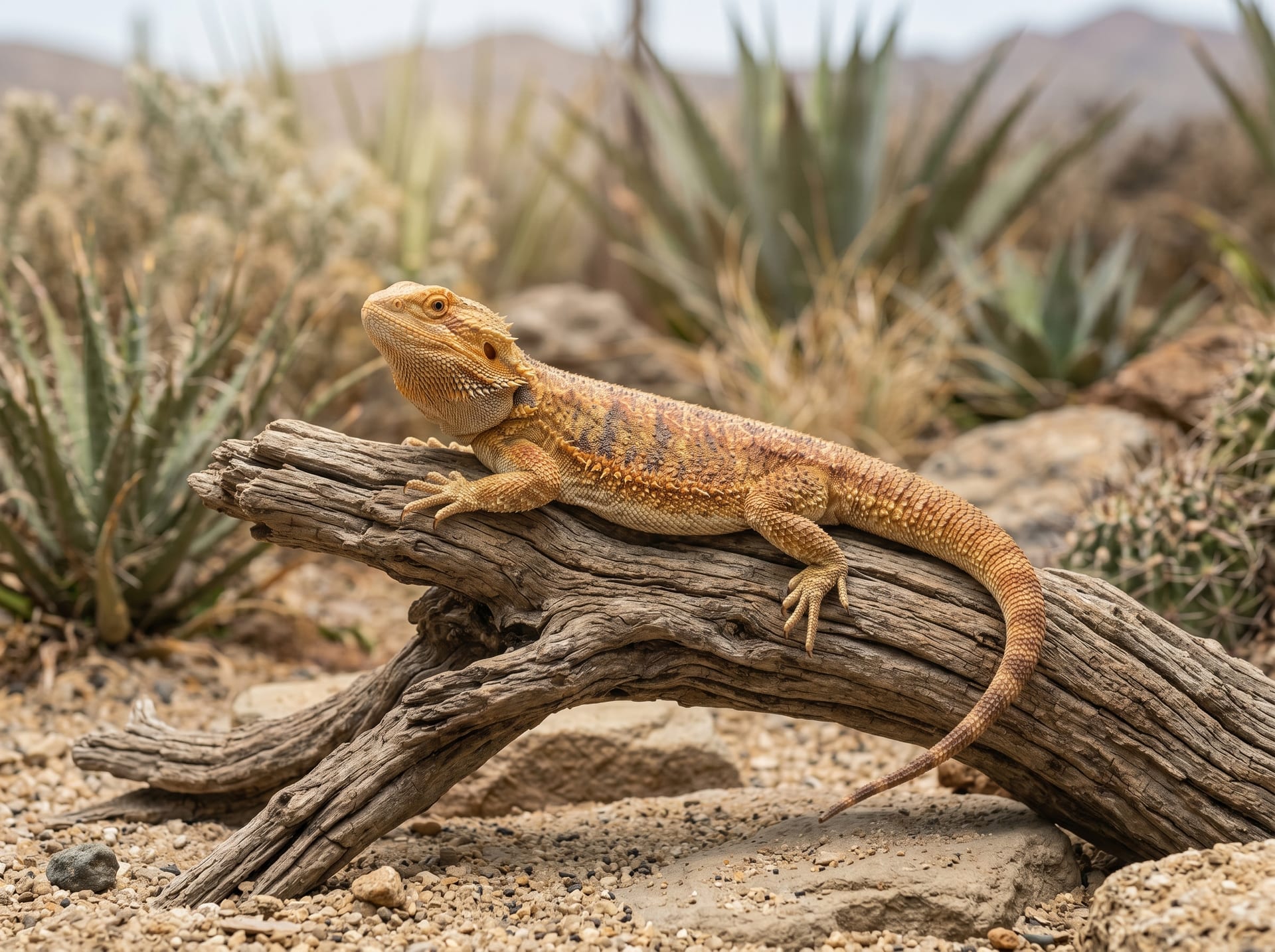
- Bury 20–35 eggs deeply (20cm or more)
- Substrate sand should be firmly packed; adequate moisture is necessary
- Post-laying appetite loss is normal; do not force-feed
Conclusion
Proper installation and management of egg-laying substrates is one of the most fundamental skills a reptile breeder must master. Egg binding—a serious condition that can result in death—occurs when females lack an appropriate laying site.
By recognizing laying signs early, preparing a properly designed substrate with appropriate materials, and continuing post-laying care, breeders can minimize stress on females and maximize egg viability. Maintaining breeding records (laying date, clutch size, hatch rate) builds knowledge for improved success in future seasons.