How to Create a Bioactive Vivarium | Recreating a Reptile's Natural Environment
An explanation of the basic concepts and practical methods for creating a bioactive vivarium. This guide covers the composition of drainage and substrate layers, introducing cleanup crews, selecting plants, and maintenance methods.
Key Takeaways
An explanation of the basic concepts and practical methods for creating a bioactive vivarium. This guide covers the composition of drainage and substrate layers, introducing cleanup crews, selecting plants, and maintenance methods.
Related Species
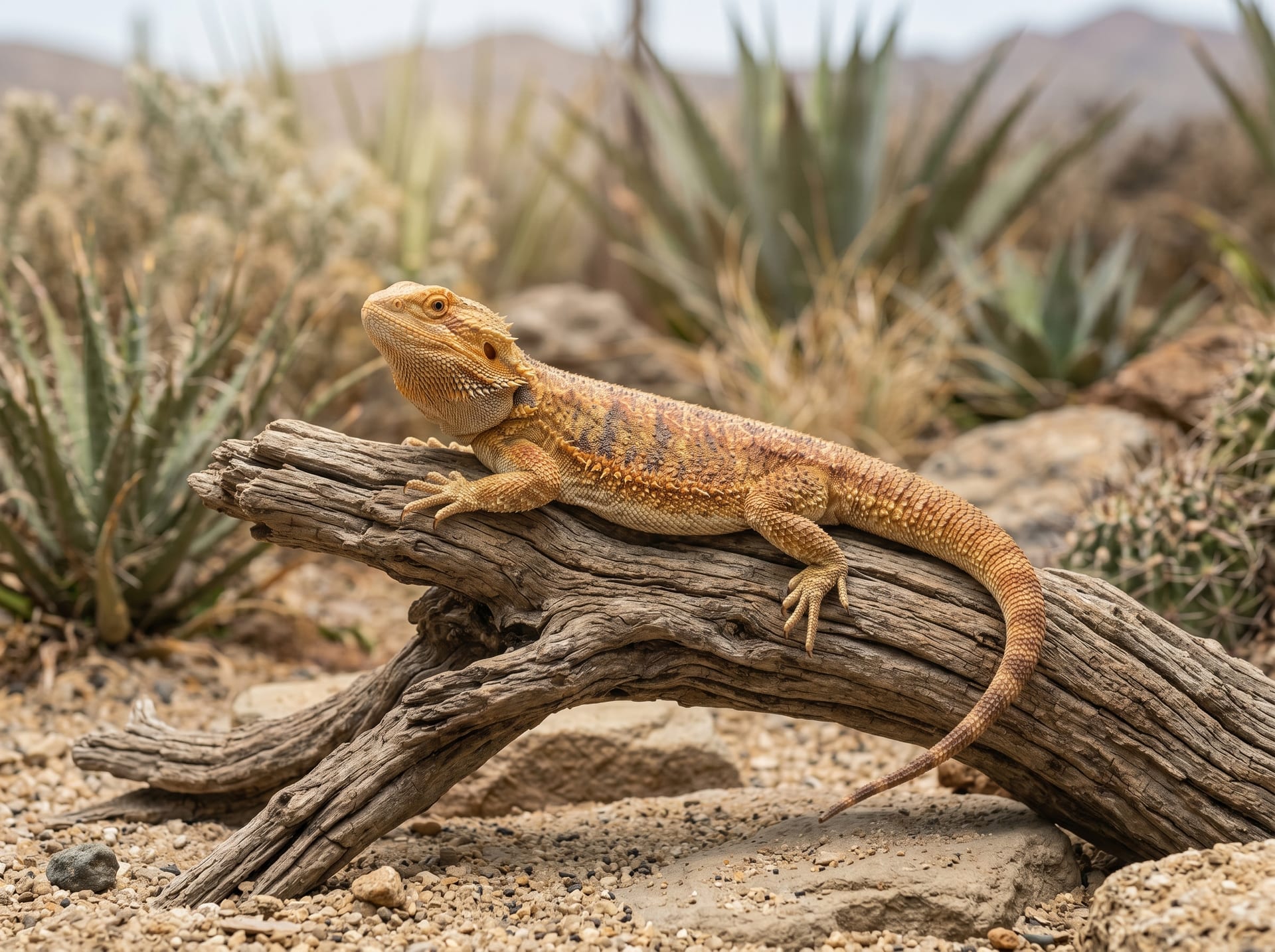
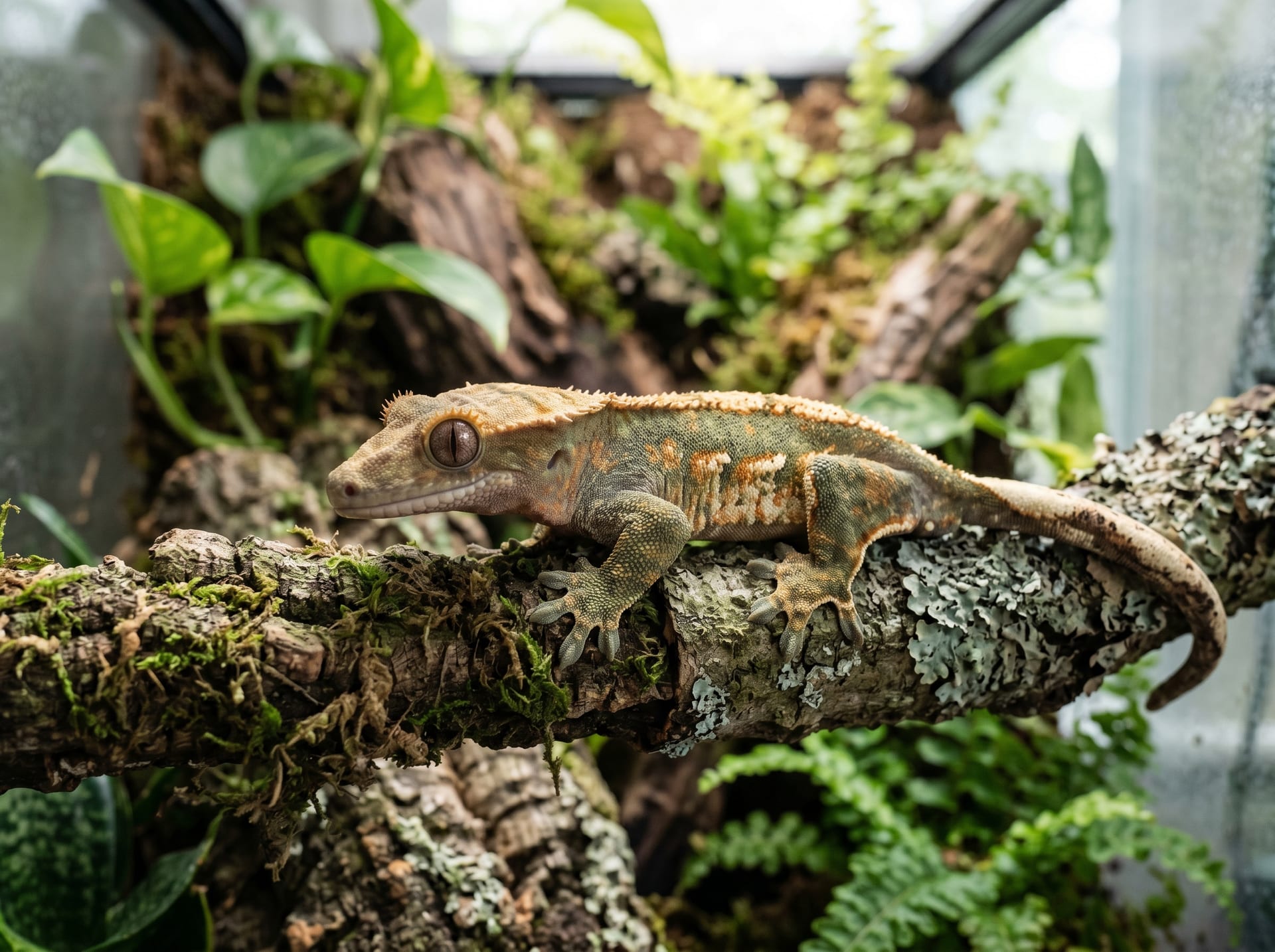
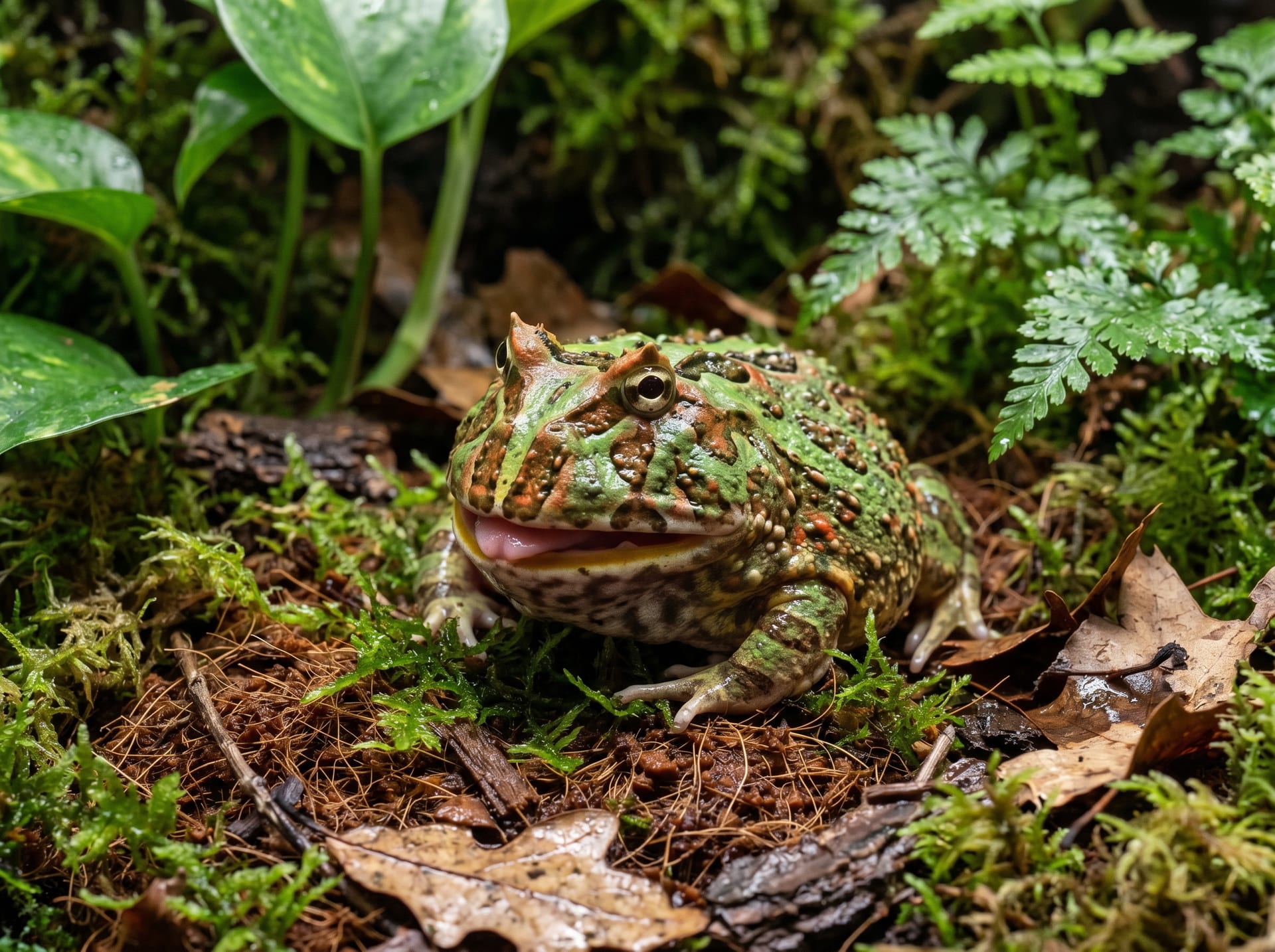
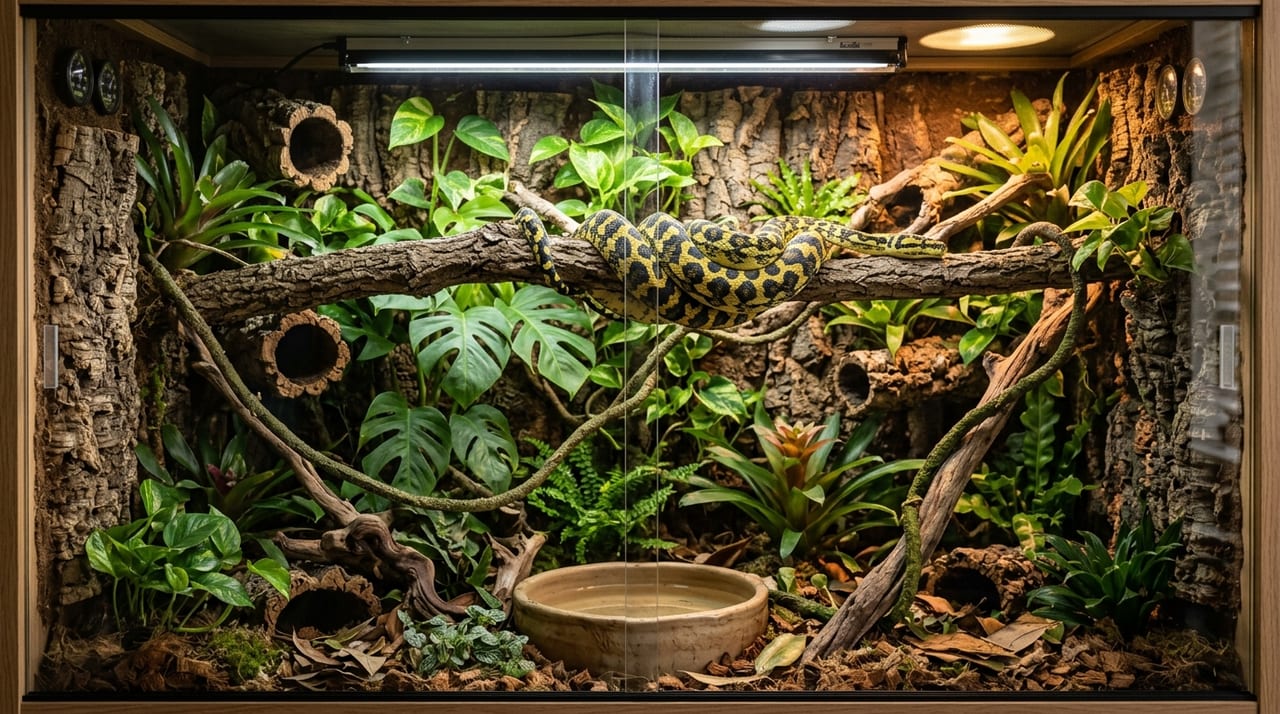
A bioactive vivarium is an approach to constructing an ecosystem within an enclosure where microorganisms and small invertebrates break down organic matter. Traditional reptile keeping involves using pet sheets or kitchen paper as bedding, with waste removed manually as it is found. In a bioactive vivarium, much of this cleaning is entrusted to organisms called "cleanup crews," allowing reptiles to be kept in a more natural environment.
Benefits of a Bioactive Vivarium
A bioactive vivarium offers many benefits.
- First is reduced maintenance. Since cleanup crews break down waste and uneaten food, complete bedding changes are unnecessary. The system can be maintained with only light tasks such as topping up water and trimming plants.
- Second is recreating a natural environment. A vivarium where live plants, soil microorganisms, and decomposers coexist provides an environment close to a reptile's natural habitat. This makes it easier for natural behaviors such as burrowing and hiding among plants to emerge.
- Third is reduced odor. When microbial decomposition functions properly, ammonia odor from waste is greatly reduced. Harmful substances that cause bad odors are converted into harmless substances by microorganisms.
- Fourth is stable humidity management. Live plants and moisture-retaining substrate naturally maintain humidity levels, making this system ideal for species that require high-humidity environments, such as horned frogs and crested geckos.
Vivarium Layer Structure
A bioactive vivarium consists of multiple layers.
- Drainage layer: Place pumice or hydroton (expanded clay) 2–5 cm thick in the lowest layer. Excess moisture collects here, preventing the substrate layer from becoming waterlogged. Place a terrarium mesh screen (nonwoven fabric sheet) above the drainage layer to prevent the upper substrate from falling into it.
- Substrate layer: This is the heart of the bioactive system. A blend called ABG mix is widely used. The basic ABG mix composition is equal parts coconut husk chips, charcoal, peat moss, sphagnum moss, and bark chips. Adding a small amount of beetle larva bedding increases microbial diversity. Spread 5–10 cm thick. If the species being kept digs, make it thicker.
- Leaf litter layer: Cover the surface of the substrate with fallen leaves from oak or similar trees. Fallen leaves serve as both food and shelter for cleanup crews. They also prevent substrate drying and give a natural appearance. Pet shops and terrarium supply stores sell pesticide-treated fallen leaves.
Introducing Cleanup Crews
Cleanup crews (cleaner organisms) are essential to a bioactive vivarium.
- Springtails: Tiny arthropods measuring 1–2 mm long that feed on mold and decomposing organic matter. They effectively suppress mold growth and are essential to a bioactive vivarium. They are easy to culture and can be bred using damp yeast as food on activated charcoal.
- Isopods (pill bugs): The primary decomposers that break down waste and fallen leaves. Porcellio pruinosus (commonly called powder blue isopods) have high reproductive rates and are widely available for vivarium use. Dwarf white isopods are also popular for their small size and rapid breeding.
- Timing of introduction: Introduce cleanup crews 1–2 weeks after planting, once the substrate has stabilized. Ideally, introduce the reptiles 2–4 weeks after that, after the cleanup crews have sufficiently multiplied and established themselves for a more stable system.
Plant Selection and Planting
Choose plants for the vivarium based on the environmental conditions suitable for the reptile species being kept.
- High-humidity environments: Pothos, Ficus pumila, Fittonia, Peperomia, and Bromeliads are standard choices. These thrive in high humidity and moderate light.
- Slightly drier environments: Succulents such as Sansevieria, Aloe, and Graptopetalum are suitable. However, maintaining a bioactive system becomes difficult in completely dry (desert-like) environments.
- Plants to avoid: Avoid plants toxic to reptiles. Dieffenbachia, some ivy species, and Poinsettia are poisonous. Spiky cacti should also be avoided as they may injure reptiles.
The key to planting is arranging plants so they don't obstruct the reptile's movement. Large reptiles can trample plants as they move, so plant them in hard-to-reach areas such as under driftwood or rocks, or mount them on the walls.
Vivarium Design by Species Type
Vivarium design varies depending on the reptile species being kept.
- Arboreal species (crested geckos, chameleons, etc.): Create vertical movement pathways in a tall enclosure. Attach cork bark or coconut fiber to the back panel and allow Pothos or Ficus to climb. Position branches and driftwood diagonally to create climbing structures.
- Terrestrial species (leopard geckos, bearded dragons, etc.): Use a wide, horizontal enclosure with thicker substrate for burrowing. Provide multiple hides using driftwood or rocks and clearly separate warm and cool zones for temperature gradients. For leopard geckos, adjust the substrate mix to lower water retention since they need a slightly drier environment.
- Semi-aquatic species (newts, etc.): Use a paludarium format with both aquatic and terrestrial areas. Install a small aquarium filter in the aquatic section and use bioactive substrate in the terrestrial area.
Maintenance and Long-Term Care
Maintaining a bioactive vivarium is easier than traditional methods, but it cannot be completely neglected.
Daily tasks include managing humidity with a mister and changing the water dish. Remove dead leaves and trim plants about once a week. Large waste may exceed the cleanup crew's processing capacity, so remove it if found.
Check the substrate condition about once a month. If the substrate has become muddy and compacted, it is a sign of poor air circulation. Loosen it gently and add air. Replenish leaf litter as it decomposes and decreases.
A properly maintained bioactive vivarium can be sustained for several years without substrate replacement.
Find Naturally-Raised Reptiles on BreederDirect
By keeping reptiles in a bioactive vivarium, you enable them to display natural behaviors in a less stressful environment. BreederDirect allows you to source reptiles directly from breeders who prioritize care environments—animals raised in settings close to nature. You can also consult with breeders on vivarium design and receive advice on creating optimal environments for each species.