Comprehensive guide to preventing reptile escapes: species-specific risks, enclosure locks, lid security, and search strategies if an escape occurs.
Key Takeaways
Comprehensive guide to preventing reptile escapes: species-specific risks, enclosure locks, lid security, and search strategies if an escape occurs.
Reptile escape is one of the most dreaded troubles for keepers. Escaped reptiles not only go missing indoors but, if they escape outdoors, can cause ecological and legal problems. Additionally, the reptiles themselves face the risk of dying from exposure to inappropriate environments. Escape is not something to deal with "after it happens"—prevention and making sure it "doesn't happen" is the golden rule.
✍️
BreederDirect Editorial
The BreederDirect editorial team specializes in care information for animals, covering veterinary care and breeding to deliver beginner-friendly guides.
Find Reptiles on BreederDirect
Buy directly from verified breeders
Browse Related Listings
Find Reptiles listings related to this article on BreederDirect. Buy directly from verified breeders.
Related Tools
Related Articles
Browse by Category
🪸Coral
🐠Marine Fish
🐟Tropical Fish
🐡Goldfish
🐟Medaka
🦎Reptiles
Share
Causes of Reptile Escape
Escape causes fall into three main categories.
Structural issues with the enclosure: These include gaps in the lid, loose sliding doors, oversized ventilation holes, and cracks from cage deterioration. Reptiles can squeeze through spaces smaller than you'd imagine. If their body width fits, they can escape through surprisingly narrow gaps.
Owner carelessness: The most common cause is forgetting to close or lock the lid during feeding or cleaning. Complacency like "it's just for a moment" can be fatal.
Environmental problems with the enclosure: Sometimes reptiles attempt escape due to stress from improper conditions (temperature too low, humidity incorrect, no hiding spots). Improving the environment can sometimes reduce escape attempts altogether.
Escape Risk by Species
Different reptile species have different escape methods and risks.
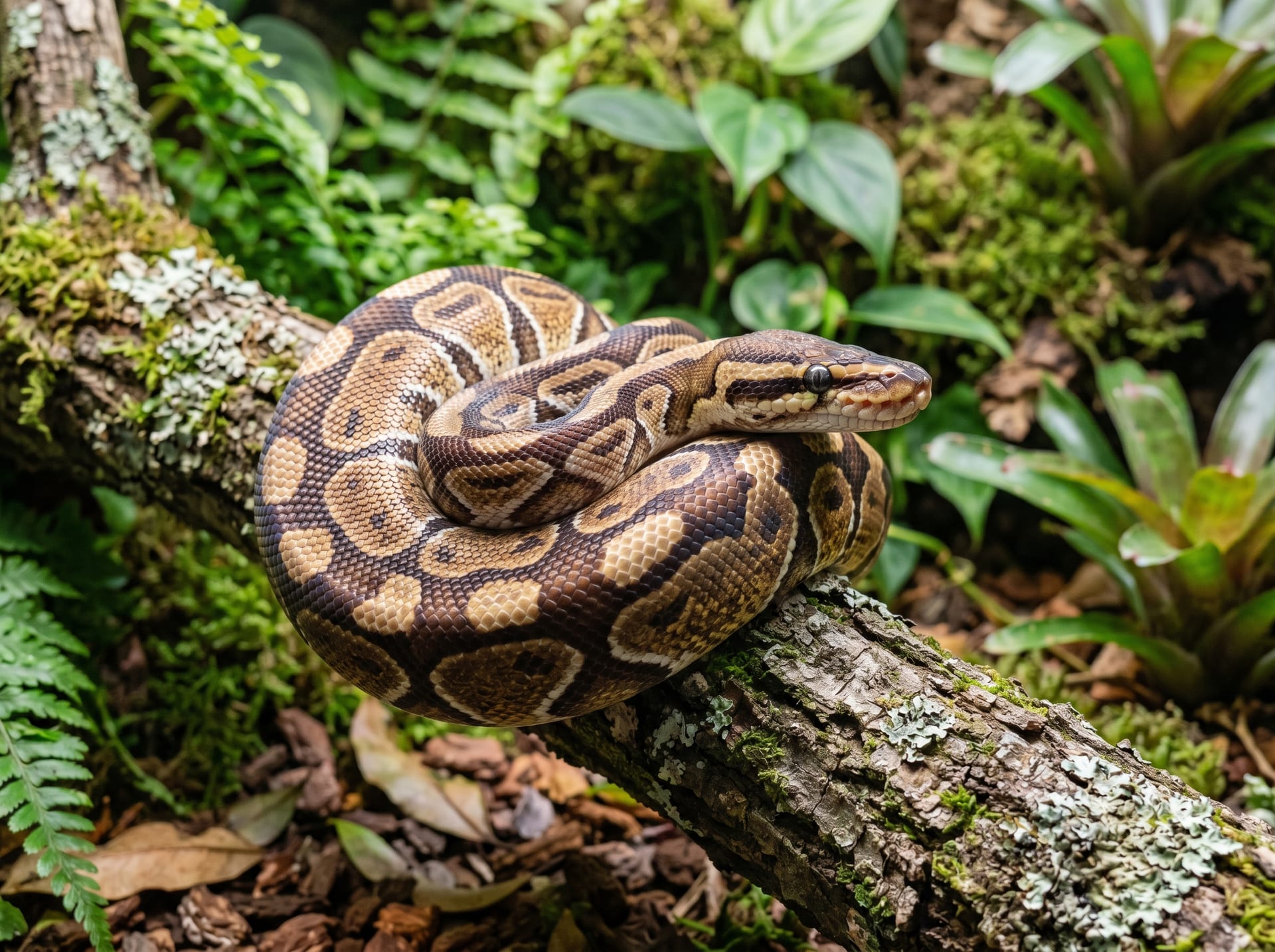
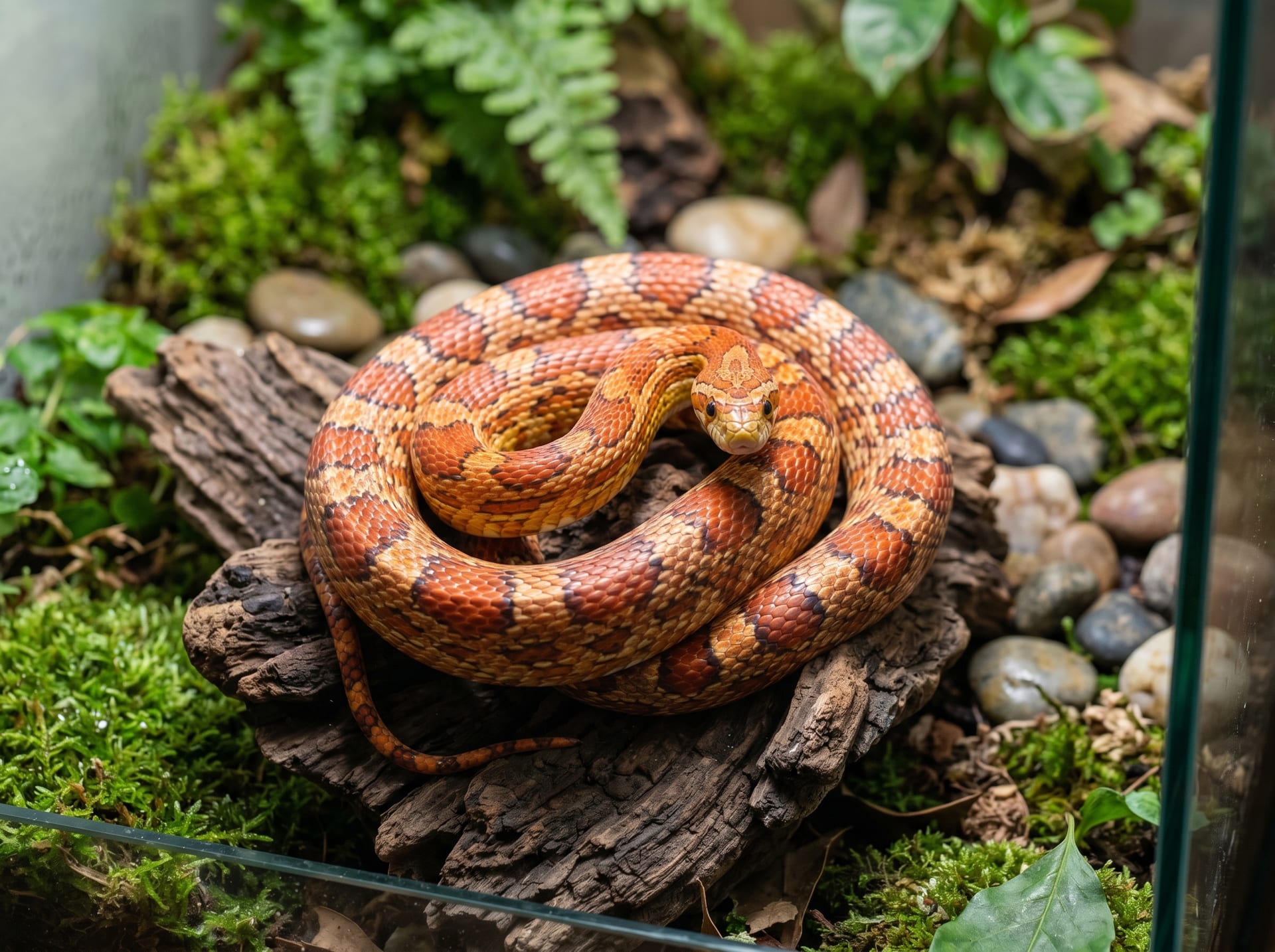
Snakes: This group has the highest escape risk. With flexible bodies and strong muscles, they can slip through minimal gaps. Young corn snakes and ball pythons, in particular, can escape through gaps that adults couldn't imagine. They exploit every weak point—slight warping at the lid edge, gaps around cord entry ports, distorted ventilation mesh. Many snake species are nocturnal and often attempt escape while owners sleep.
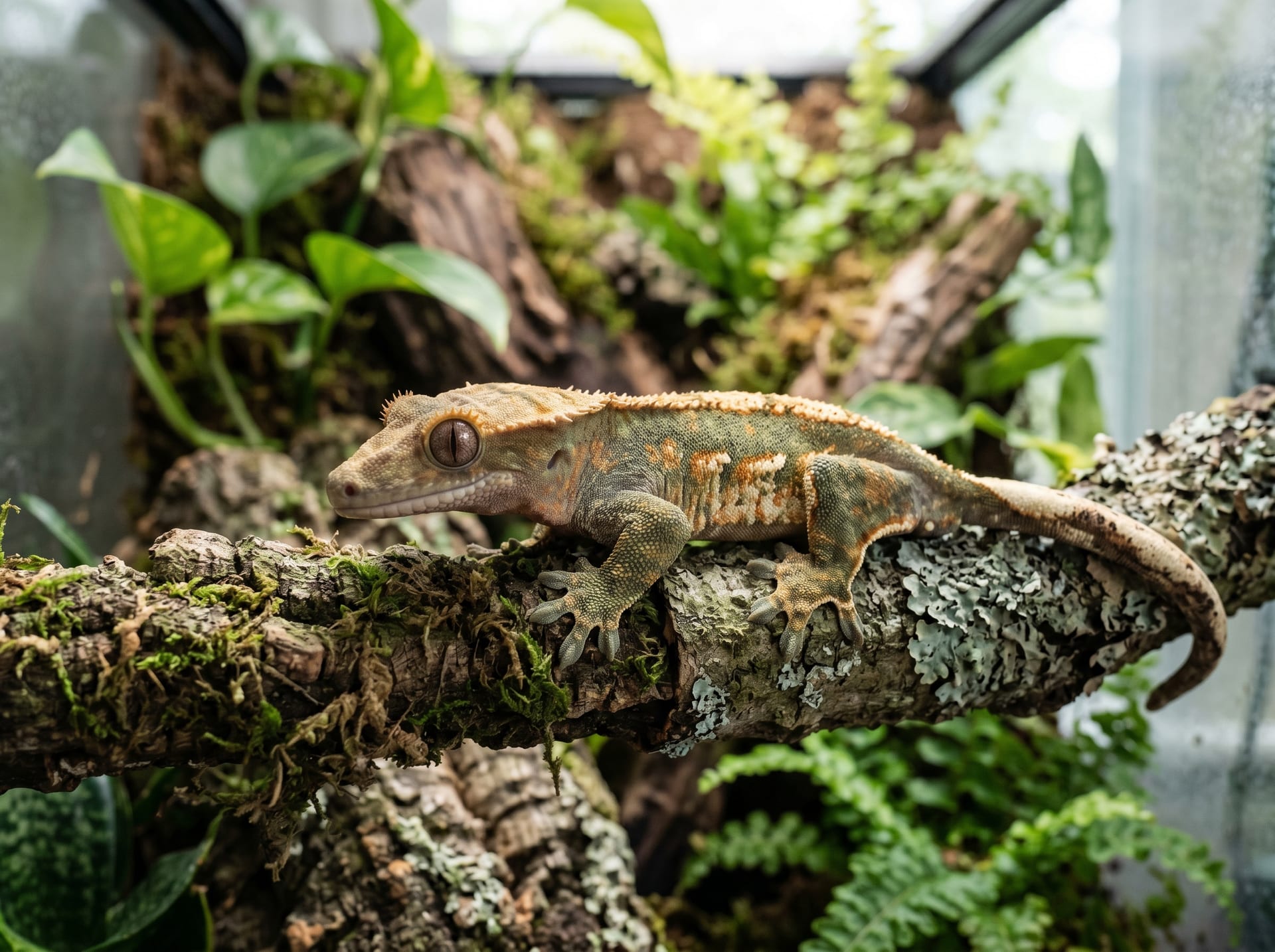
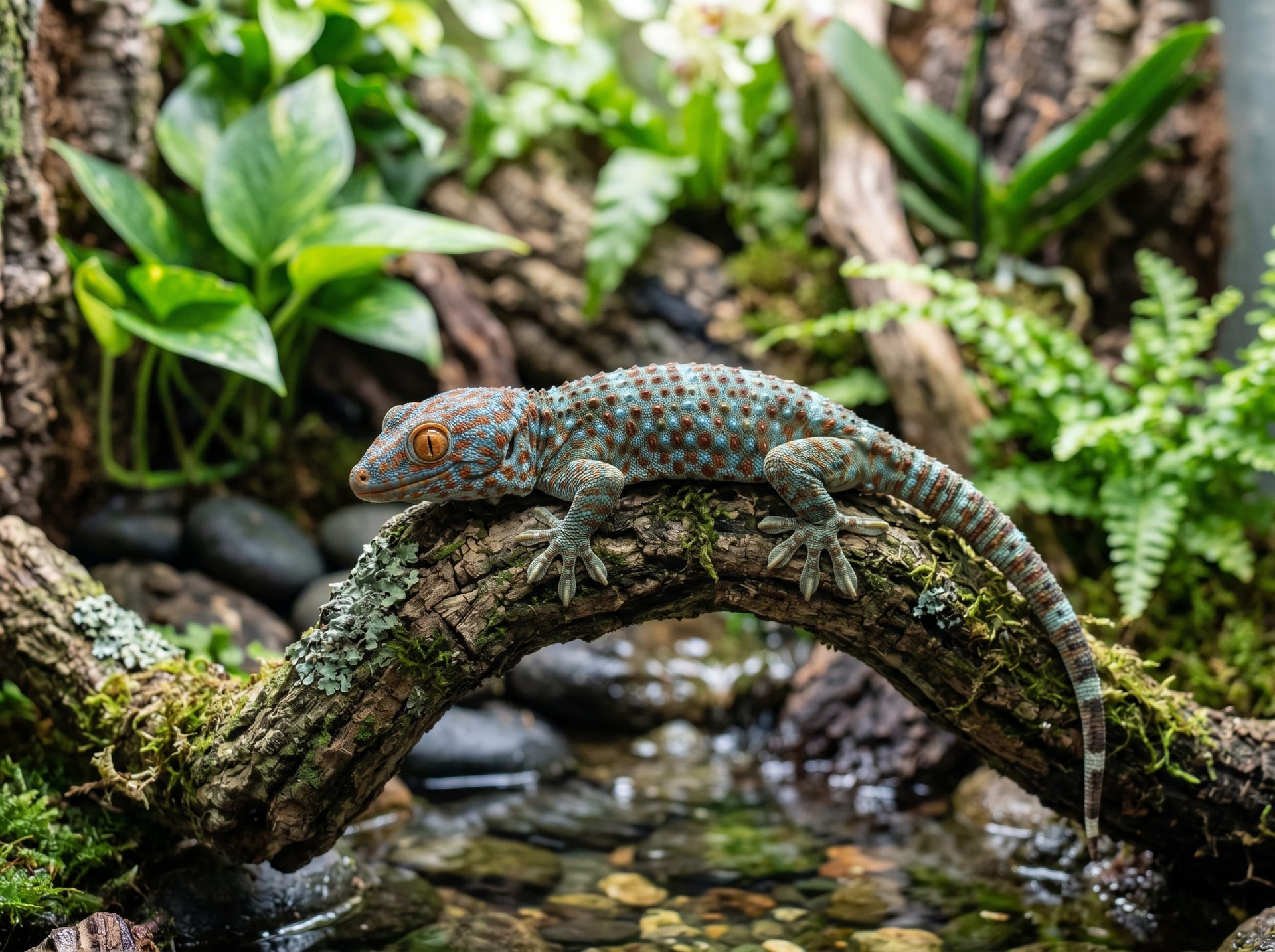
Geckos (wall-climbing species): Crested geckos and tokay geckos with adhesive toe pads can move freely on vertical and glass surfaces. Escape risk is high through the top or gaps in the lid. Their jumping ability means they can bolt when the lid opens.
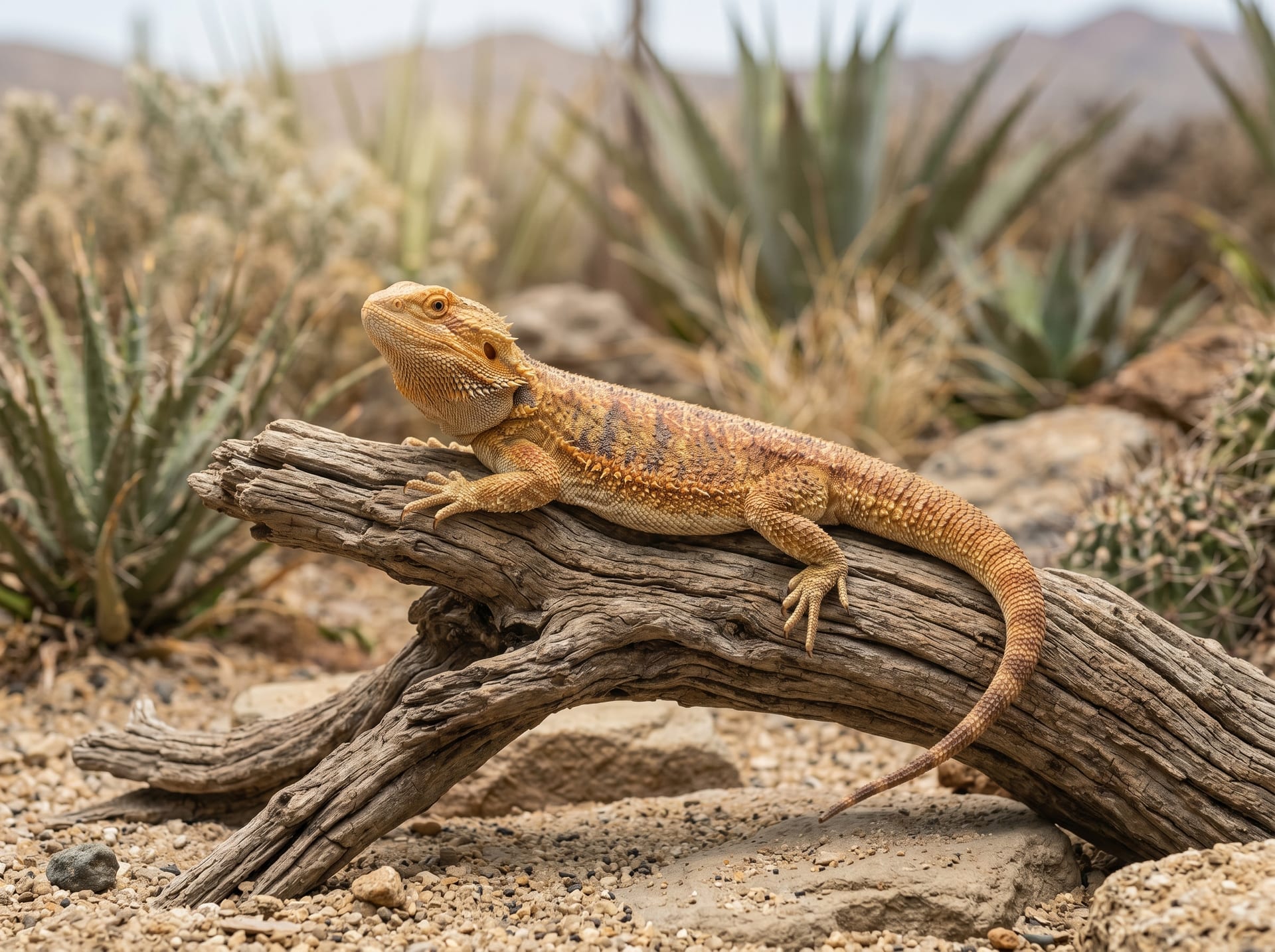
Lizards: Ground-dwelling species like bearded dragons and leopard geckos have lower climbing ability and lower escape risk, but will naturally escape if the lid is open. Chameleons move slowly but will eventually exit through open lids or gaps, given time.
Turtles: Tortoises have strong legs and can push up light lids to escape. Aquatic turtles can traverse from water to land to escape. Large tortoises in outdoor enclosures sometimes dig under barriers to escape.
Choosing the Right Enclosure and Safety Measures
Escape prevention starts with choosing the right enclosure.
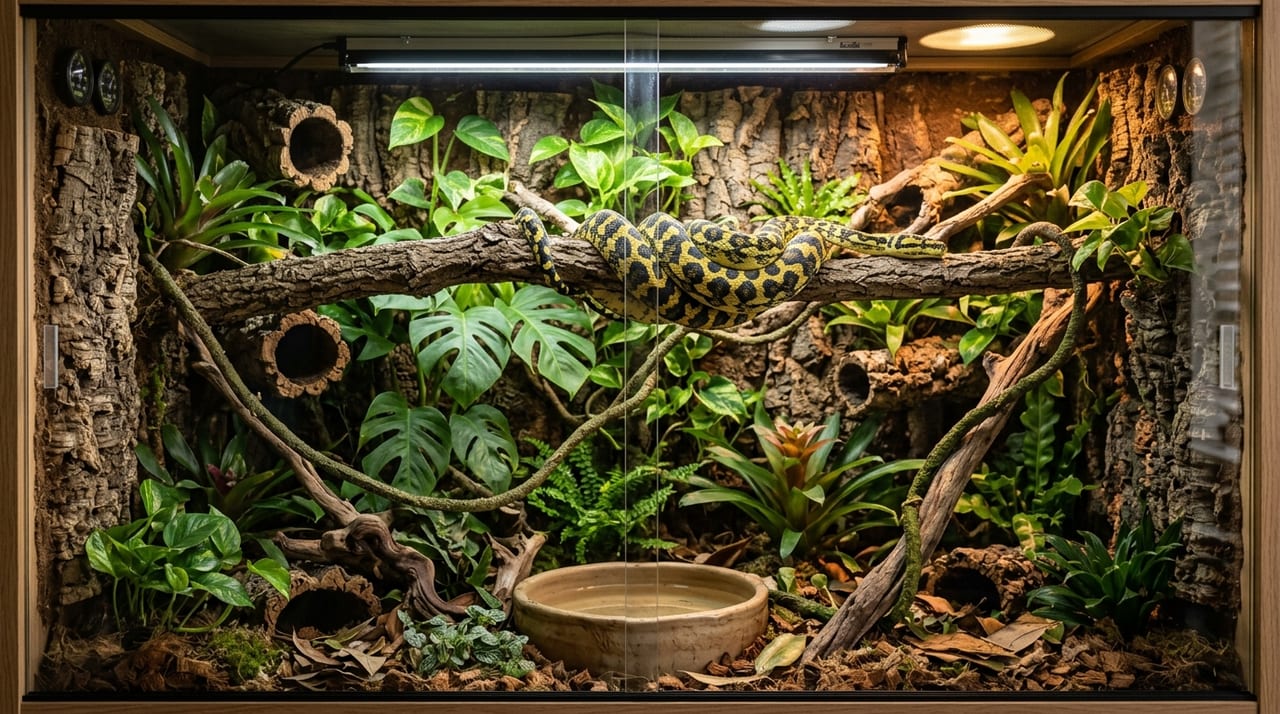
Glass enclosures (front-sliding door): Dedicated enclosures like Exo Terra or Gravarium feature front-sliding glass doors with locking mechanisms and fine mesh lids on top, making escape less likely. However, forgetting to lock the door makes the safety useless—build a habit of locking.
Acrylic enclosures: Reptile boxes and small acrylic enclosures have few gaps and good sealing. However, products with magnet or slide-lock lids can be pushed open by strong snakes from inside, so consider additional locks.
Modified storage containers: Some people modify plastic storage boxes to save money, but lid sealing can be questionable. Secure the four corners with clips or bands and seal ventilation holes with fine mesh.
Wooden enclosures: Homemade wooden enclosures develop gaps when door hinges wear. Regularly maintain hinges and locks.
Locking Mechanisms and Securing Methods
Enclosure locks are the final line of defense against escape.
Locks built into the enclosure: Many dedicated enclosures have locking mechanisms, but inexpensive products may have poor lock precision. Verify the lock works properly before purchase.
Additional locking methods: If you're concerned about the enclosure's lock, implement additional measures. Small padlocks, wire locks, zip ties, and carabiner hooks work well. Additional locks are especially recommended for snake enclosures.
Weight on the lid: For enclosures with lids on top, place a brick or heavy book on the lid to prevent pushing from inside. Snakes can push with several times their body weight, making light lids dangerous.
Sealing gaps: Cord entry ports and tube penetrations are common escape points. Seal these gaps with foam or silicone caulk. Make it a habit to regularly check for gaps.
Daily Escape Prevention Checklist
Build a habit of daily checks to prevent escape.
Confirmation after feeding and cleaning: Always point-check that the lock is secure after opening the cage
Regular inspections: Once a month, inspect the entire enclosure for mesh distortion, loose hinges, and degraded seals
Multi-person management: If kept by multiple family members, communicate who's opening/closing the cage and prevent forgetfulness
Maintenance precautions: When thoroughly cleaning the enclosure, place the reptile in a sealable alternative container. Putting them in open containers like sinks carries high escape risk
Search Methods If Escape Occurs
Despite best efforts, escape sometimes happens. Know how to search.
First, seal the room: When you discover an escape, immediately close doors and windows. If the reptile reaches another room, the search area expands and finding it becomes difficult.
Search warm places: Reptiles are ectothermic and congregate in warm areas. Search behind appliances (refrigerator, TV, computer), near heating equipment, and sunny windowsills.
Search dark, tight spaces: Snakes and geckos hide in dark, confined areas. Check furniture gaps, drawer interiors, closets, inside shoes, and behind bookshelves.
Night searches: Nocturnal species become active in darkness. Dim the room and listen quietly—sound can help locate them. Sprinkling powder (flour) on the floor leaves trails showing their passage, helping narrow the location.
Set traps: Make simple traps using a bottle with the opening folded inward, filled with a damp towel (for humidity-seeking species) or a warm hand warmer.
Getting Proper Care Advice from Br-choku
The foundation of escape prevention is providing an environment where your reptile thrives. When they're comfortable, the motivation to escape diminishes. At Br-choku, you can get direct advice from breeders on proper enclosure sizes and environmental settings for each species. With proper enclosure selection and thorough escape prevention measures in place, enjoy a worry-free life with your reptile.