A Guide to Enjoying Reptile Cafes | Etiquette and Recommended Ways to Spend Time for Beginners
An introduction to enjoying reptile cafes for beginners. We introduce store etiquette, tips for interaction, clothing considerations, and characteristics of popular reptile cafes.
Key Takeaways
An introduction to enjoying reptile cafes for beginners. We introduce store etiquette, tips for interaction, clothing considerations, and characteristics of popular reptile cafes.
Reptile cafes are gaining popularity as spots where visitors can interact with reptiles before starting to keep them at home. For those who are interested in reptiles but hesitant to take on the responsibility of keeping one suddenly, cafes provide the perfect trial experience. This article introduces essential etiquette and precautions for maximizing your enjoyment at a reptile cafe.
✍️
BreederDirect Editorial
The BreederDirect editorial team specializes in care information for animals, covering veterinary care and breeding to deliver beginner-friendly guides.
Find Reptiles on BreederDirect
Buy directly from verified breeders
Browse Related Listings
Find Reptiles listings related to this article on BreederDirect. Buy directly from verified breeders.
Related Tools
Related Articles
Browse by Category
🪸Coral
🐠Marine Fish
🐟Tropical Fish
🐡Goldfish
🐟Medaka
🦎Reptiles
Share
What Are Reptile Cafes?
Reptile cafes are facilities where you can enjoy beverages and light refreshments while interacting with reptiles such as snakes, lizards, turtles, and geckos. Similar in concept to cat cafes and owl cafes, they have the following characteristics:
Multiple diverse reptile species can be viewed at once (many stores carry dozens of species)
You can hear explanations about husbandry methods directly from staff
You can experience handling (having them on your hand)
Extremely useful as a "trial" experience before keeping reptiles at home
Many stores allow photography and are popular as Instagram-worthy spots
Basic Etiquette to Know Before Entering
Reptile cafes have rules in place for the safety of both animals and humans. First-time visitors should familiarize themselves with these rules beforehand.
Thorough Hand Washing and Sanitizing
Washing hands and sanitizing upon entry and exit is a basic rule
Do not touch your face or mouth with hands that have touched reptiles
If you have other pets at home, this is especially important to prevent bringing in infections
Rules for Handling
Do not open enclosures without permission from staff
As some animals can be touched while others cannot, always check with staff first
When picking up reptiles, support them from underneath and handle gently
Never grab the tail, squeeze hard, or drop from a height
Do not touch animals that are eating or around the time of shedding as they stress easily
Photography Rules
Flash photography is prohibited at many stores
Be considerate not to have other customers in the background
Rules about posting on social media and hashtag usage vary by store
Recommended Clothing and What to Bring
There are several points to consider when choosing what to wear to a reptile cafe.
Clothing Tips
Long sleeves are recommended (reptile claws can cause minor scratches on arms)
Avoid knits with long pile and fur materials as reptile claws can catch on them
It's safer to remove accessories (to prevent accidental ingestion or catching)
Wearing bright colors rather than dark colors may help reptiles feel more at ease
Avoid perfume and strong scents (many reptile species have sensitive olfaction)
What to Bring
Camera or smartphone (for photography)
Hand towel (to use after washing hands)
Notepad (to record species you're interested in learning more about)
Ways to Enjoy the Cafe
Reptile cafes offer more than just viewing animals—there are various ways to enjoy them.
Enjoying Hands-On Interaction
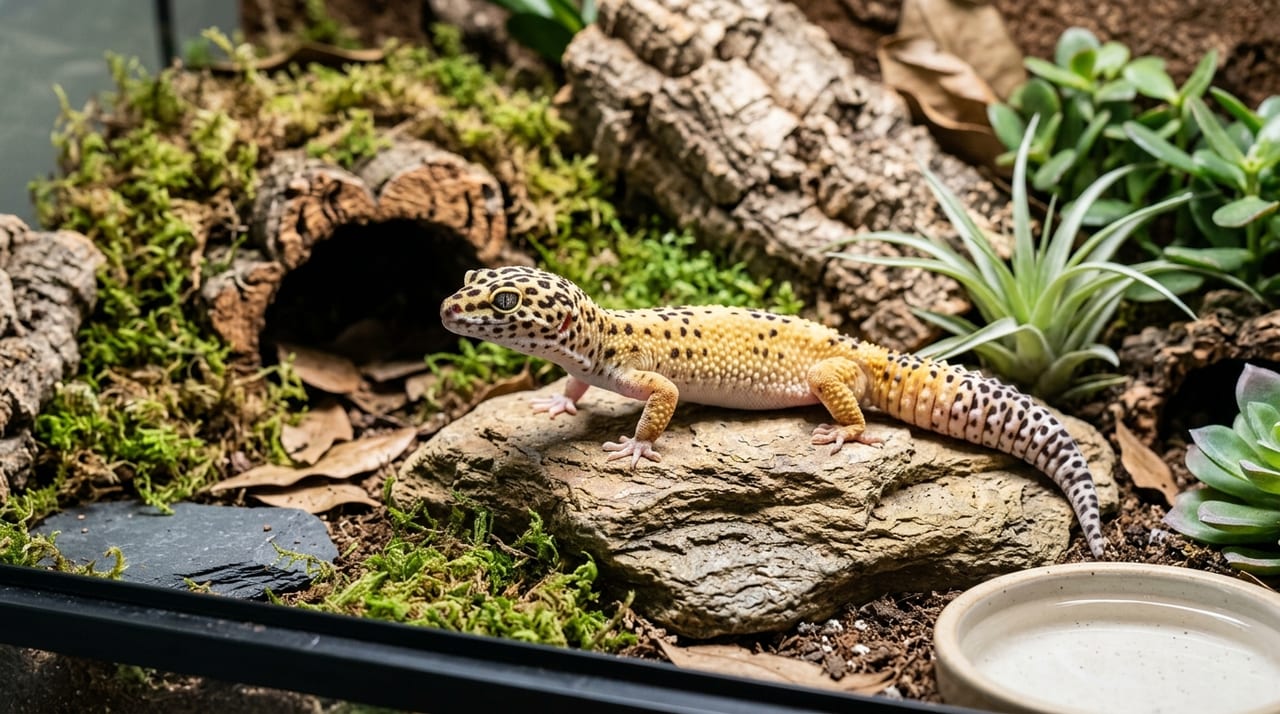
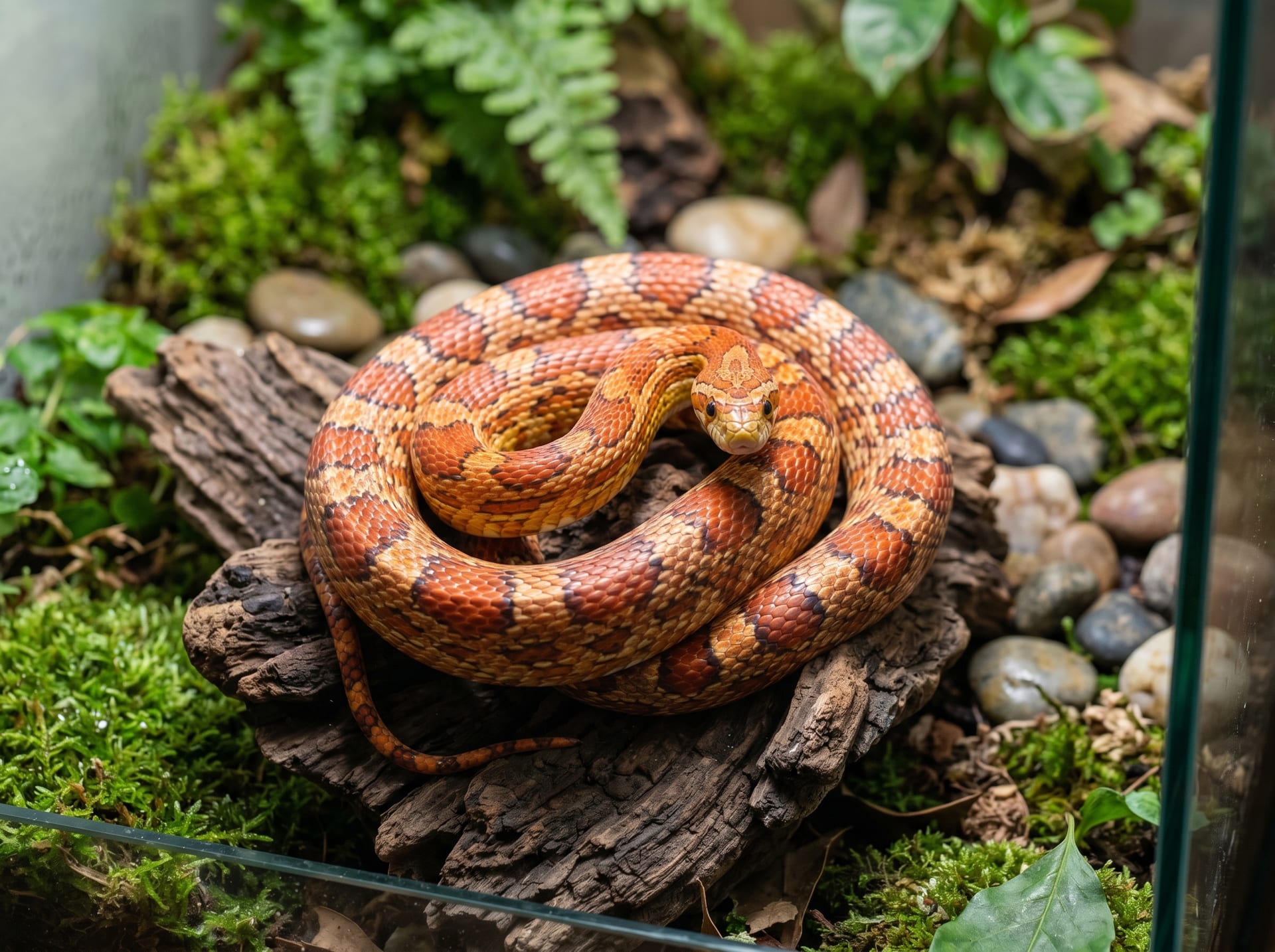
Beginners should start with docile species (such as leopard geckos and corn snakes)
Having a snake wrap around your neck is a popular experience at many cafes
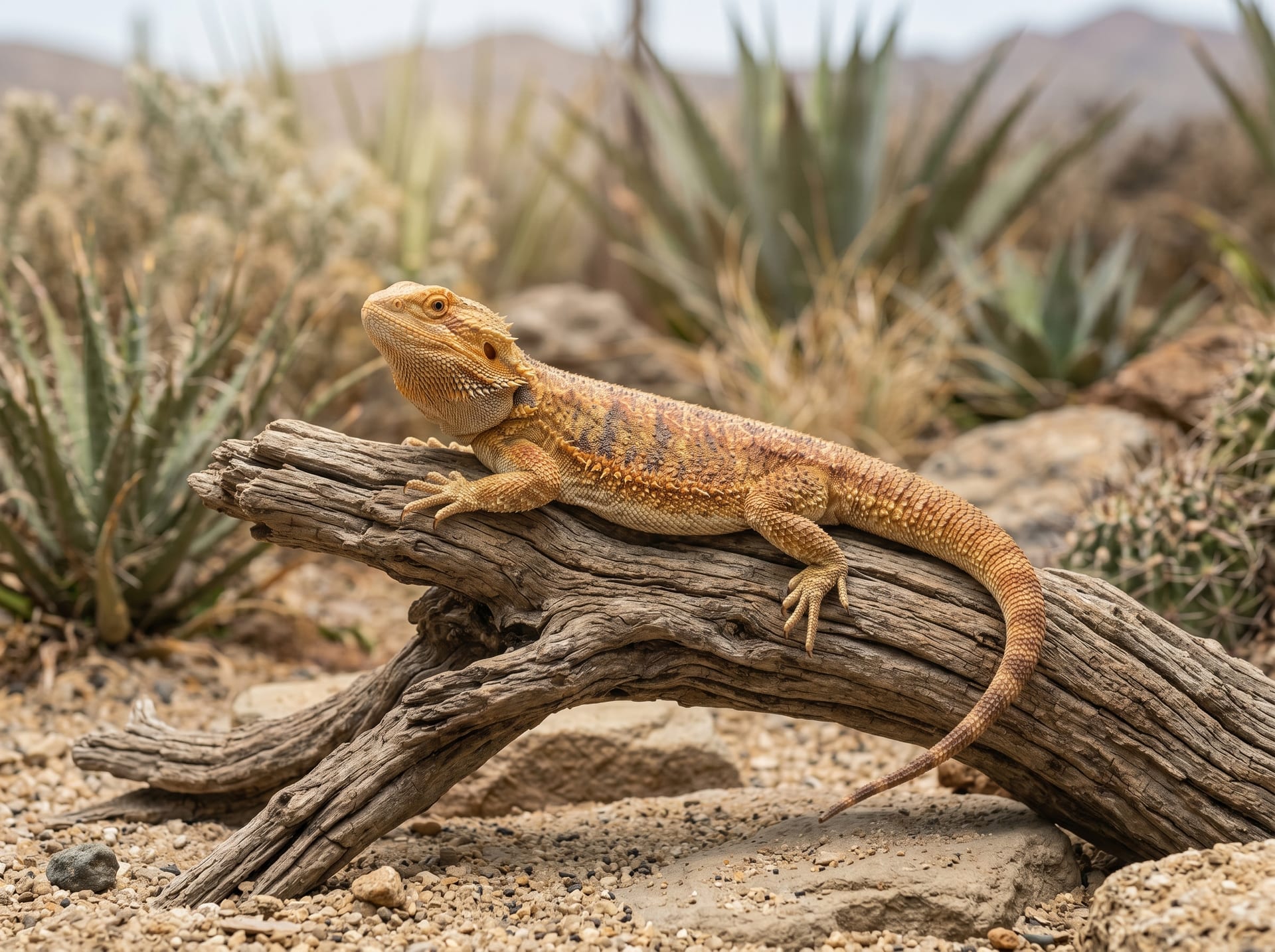
Bearded dragons are docile and ideal for hand-handling experiences
Observing color changes in chameleons up close is also fascinating
Enjoying Conversations with Staff
If you're considering keeping a particular species, you can hear genuine experiences from keepers
Asking specific questions about food types and quantities, temperature management, etc. will get you detailed answers
You can also get recommendations for husbandry supplies and shops
Staff are often reptile enthusiasts and you can enjoy discussing specialized topics
Observing Carefully
Observing natural behavior in enclosures helps you visualize what keeping reptiles would be like
Compare the differences in movement and changes in expression between species
At stores with feeding times, you may be able to observe predatory behavior
Using Reptile Cafes as a Trial Before Starting Husbandry
Reptile cafes are an ideal place to gather information before starting to keep reptiles.
Confirm actual size: You can experience the real size of reptiles, which is difficult to gauge from photos
Learn about smell and texture: You can actually feel the texture of their skin and their body temperature
Imagine the care involved: By seeing enclosure layouts and food types, you can envision what keeping them at home would entail
Overcome hesitation: Even if you feel nervous at first, affection often develops through interaction
Find your preferred species: By comparing multiple species, you can find one that suits you
Taking the First Step from Reptile Cafes to Keeping Reptiles at Home
Once you've found a species you like at a cafe, it's time to start preparing for actual husbandry. While it's good to ask cafe staff about initial costs and necessary equipment, we recommend purchasing directly from a breeder when bringing your new pet home.
On BreederDirect, you can search for breeders with species you've taken a liking to at cafes and bring home a healthy individual with confirmed lineage. Breeders are well-versed in the temperament and care requirements of each individual, so after-sales support is comprehensive. Why not use your cafe experience as a starting point to find your ideal reptile on BreederDirect?
Things to Know Before Visiting a Reptile Cafe
First-time visitors to reptile cafes should check the official website and social media in advance to confirm business hours, pricing systems, and whether reservations are needed. Many cafes operate on a time-based system with drinks included, and extension fees may apply. Weekends and holidays can be crowded, so visiting on weekdays will likely be more comfortable. If bringing small children, check in advance whether there are age restrictions. Parents should provide proper supervision for children of an age where they might try to grab animals forcefully. Additionally, checking for seasonal events and new animal arrivals will make your visit more rewarding. Some stores offer membership programs or loyalty card systems for regular customers, so if you plan to become a repeat visitor, ask about these options during your first visit.