Legal Regulations Guide for Reptile Keeping | Designated Species, CITES, and Animal Protection Act Basics
A guide to the legal regulations you should know when keeping reptiles in Japan. This beginner-friendly overview covers designated species under the Designated Animal system, import restrictions under CITES (Convention on International Trade in Endangered Species), and compliance requirements under the Animal Protection and Management Law.
Key Takeaways
A guide to the legal regulations you should know when keeping reptiles in Japan. This beginner-friendly overview covers designated species under the Designated Animal system, import restrictions under CITES (Convention on International Trade in Endangered Species), and compliance requirements under the Animal Protection and Management Law.
Reptiles are becoming increasingly popular due to their distinctive appearance and unique ecology. However, unlike dogs and cats, keeping reptiles involves multiple laws and treaties that are complexly intertwined. Purchasing without sufficient knowledge can easily result in legal violations. There are cases where "I didn't know" is not an acceptable excuse. Therefore, before considering welcoming a reptile into your home, you should always understand the basics of legal regulations. In this article, we will explain in easy-to-understand terms the main legal regulations that apply to keeping and purchasing reptiles in Japan as of 2026.
Designated Animal System | Dangerous Species with Prohibited Pet Ownership
"Designated Animals" under the Animal Protection and Management Law refers to animals designated by cabinet order as likely to pose a danger to human life and body. The following reptile species, among others, are designated:
All Crocodilia species (saltwater crocodile, Nile crocodile, etc.)
Large species of Boidae and Pythonidae (reticulated python, African rock python, etc.)
All species of Helodermatidae (Gila monster, etc.)
Komodo dragon
Following the June 2020 amendment to the Animal Protection and Management Law, new pet ownership of designated animals is prohibited in principle. Individuals that were already being kept with permission from prefectural governors prior to the law amendment may continue to be kept, but currently, new permits for keeping these animals are only granted for academic research or exhibition purposes.
Violations may result in imprisonment for up to 6 months or a fine of up to 1 million yen. It is strictly forbidden to acquire such animals for reasons like "they're rare" or "they look cool." Before acquiring a reptile, be sure to check the Designated Animal List published by the Ministry of the Environment to confirm that your desired species is not designated.
CITES (Convention on International Trade in Endangered Species) | Understanding Species with Regulated International Trade
✍️
BreederDirect Editorial
The BreederDirect editorial team specializes in care information for animals, covering veterinary care and breeding to deliver beginner-friendly guides.
Find Reptiles on BreederDirect
Buy directly from verified breeders
Browse Related Listings
Find Reptiles listings related to this article on BreederDirect. Buy directly from verified breeders.
Related Tools
Related Articles
Browse by Category
🪸Coral
🐠Marine Fish
🐟Tropical Fish
🐡Goldfish
🐟Medaka
🦎Reptiles
Share
CITES (Convention on International Trade in Endangered Species of Wild Fauna and Flora) is an international treaty designed to protect ecosystems from excessive international trade in wild animals. Japan is a signatory to this convention, and strict rules are established for trading in designated species.
The CITES appendices are divided into three levels.
Appendix I (International Commercial Trade is Prohibited in Principle)
Species listed here are facing the risk of extinction. Galapagos land iguanas, Indian pythons, and similar species are included, and commercial import and export are not permitted.
Appendix II (Trade Permitted with Exporting Country License)
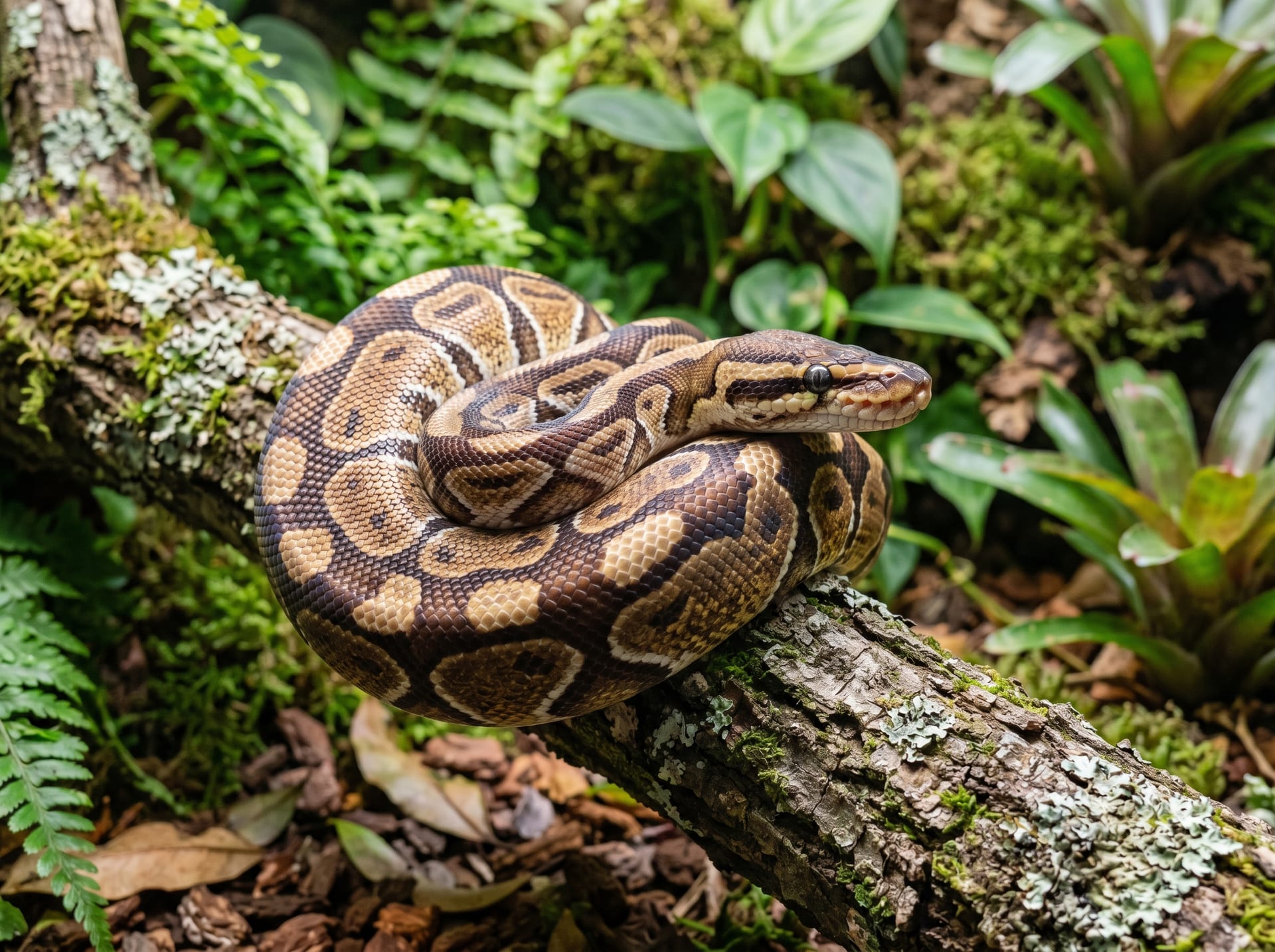
Species listed here are not currently facing extinction risk, but could reach critical status if traded without regulation. Ball pythons, many chameleon species, and most tortoise species are included. A permit issued by the exporting country's management authority is required.
Appendix III (Species for Which Certain Countries Request Protection)
These are species registered by signatory countries for purposes of protection within their own borders. Certificates of origin and similar documentation are required for trade.
When purchasing CITES-designated species within Japan, domestically bred individuals (CB individuals) are generally not problematic. However, we strongly recommend carefully preserving documentation that proves the legal acquisition pathway of the individual (such as receipts or transfer certificates showing the acquisition history). Since smuggled wild-caught individuals (WC individuals) may circulate in the market, the principle is not to purchase individuals with unknown origin. Some species, such as red-eared sliders, involve both import restrictions and domestic keeping regulations, so be sure to check the specific regulatory requirements before purchase (Red-Eared Slider Care Guide | Legal Requirements, Tank Environment, and Hibernation Management Fully Explained).
Animal Protection and Management Law | Responsibilities Required of All Pet Owners
The Animal Protection and Management Law is the fundamental law that applies to all pet owners, including those who keep reptiles. Under this law, pet owners are required to fulfill the following obligations and responsibilities.
Ensuring Proper Housing and Care Environment
You have a duty to provide a housing environment appropriate to the species, habits, and ecology of the animal. For reptiles, temperature and humidity control are essential, and keeping them without proper equipment violates proper care standards.
Preventing Escapes
Strict locking and management of enclosures is required. Escape incidents involving large snakes and lizards have been reported nationwide, and their impact on neighboring residents is significant, making physical escape prevention measures essential. In the event of an escape, please promptly contact your local government or police.
Principle of Lifelong Care
Abandoning reptiles outdoors for reasons such as "keeping them becomes difficult" or "I can no longer keep them due to moving" is a crime. You may face imprisonment for up to 1 year or a fine of up to 1 million yen. Depending on the species, reptiles can live for over 20 years and are long-lived creatures. Before acquiring one, seriously consider whether you can commit to caring for it throughout its life.
Municipal Ordinances and Business Registration | Local Rules and Sales Regulations
Separate from the Animal Protection and Management Law, some municipalities have their own ordinances that restrict reptile keeping. Since regulatory requirements vary by municipality of residence, we recommend confirming with your local animal protection center or health department before starting to keep reptiles.
Additionally, in apartment buildings and condominium complexes, pet care rules are often stipulated in the management rules, and there are cases where reptiles are excluded. To avoid problems, prior confirmation with the management association or landlord is essential.
Furthermore, if you breed reptiles for sale or transfer, you must register as a Class 1 Animal Handler (sales). Even if it appears to be a hobby, repeatedly and continuously transferring animals for compensation may be subject to business registration requirements. Selling without registration is a legal violation, so those considering breeding and selling must confirm the requirements in advance. The specific requirements for registration and application procedures are summarized in Animal Dealer Registration Guide for Reptile Breeders | Class 1 Registration Application, Requirements, and Procedures.
BreederDirect's Safety and Security System
Because reptile regulations are complex, choosing a trustworthy source for acquisition is most important. Only breeders registered with a Class 1 Animal Handler license are registered on BreederDirect.
Individual origins and lineage are clear, and acquisition pathway documentation is also in order
Direct communication with breeders allows you to consult about husbandry questions and concerns before and after purchase
Low risk of illegal wild-caught or smuggled individuals being mixed in
When purchasing, be sure to confirm the formal species and subspecies name, acquisition pathway, and CITES documentation status if applicable, and carefully preserve all documentation received. Purchasing in compliance with laws is an important action that contributes to the conservation of reptiles as living creatures. With correct knowledge, start your long life with reptiles with confidence.