Reptile Care Laws & Regulations Guide | Designated Animals, CITES, Local Ordinances
Explains the designated animal permit system, CITES appendices, local ordinances, and relationships with animal welfare laws.
Key Takeaways
Explains the designated animal permit system, CITES appendices, local ordinances, and relationships with animal welfare laws.
Related Species
To enjoy keeping reptiles, it is essential to correctly understand the related laws and regulations. There are legal risks that cannot simply be ignored, and violations can result not only in penalties but potentially in having to surrender your cherished pet. This article systematically explains the major laws and regulations related to reptile keeping in accordance with their implementation as of 2026.
Designated Animal Breeding Permit System
The "Animal Welfare and Management Act" designates animals that may pose a danger to human life or body as "designated animals." Many reptile species are included in this designation.
- Major reptile species designated as designated animals: All crocodilians, some Pythonidae species (large boas and pythons), all venomous lizards (Helodermatidae), Komodo dragons, and venomous snakes in general (Elapidae, Viperidae, etc.)
- 2020 Law Amendment: With the June 2020 amendment, breeding designated animals for pet purposes was generally prohibited for new acquisitions. Individuals being kept prior to the amendment may continue to be kept if properly registered.
- Breeding License Requirements (Academic/Exhibition Purposes): Permission from the prefectural governor is required. Breeding facilities must meet structural standards (escape prevention measures, locked cages, etc.). Regular facility inspections and reporting obligations apply.
- Penalties for Violations: Unauthorized breeding can result in imprisonment for up to 6 months or a fine of up to 1 million yen. Allowing a designated animal to escape is also subject to penalties.
- Individual Identification Measures: Individual identification through microchip implantation and similar means is mandatory. Registration is also required when transferring individuals.
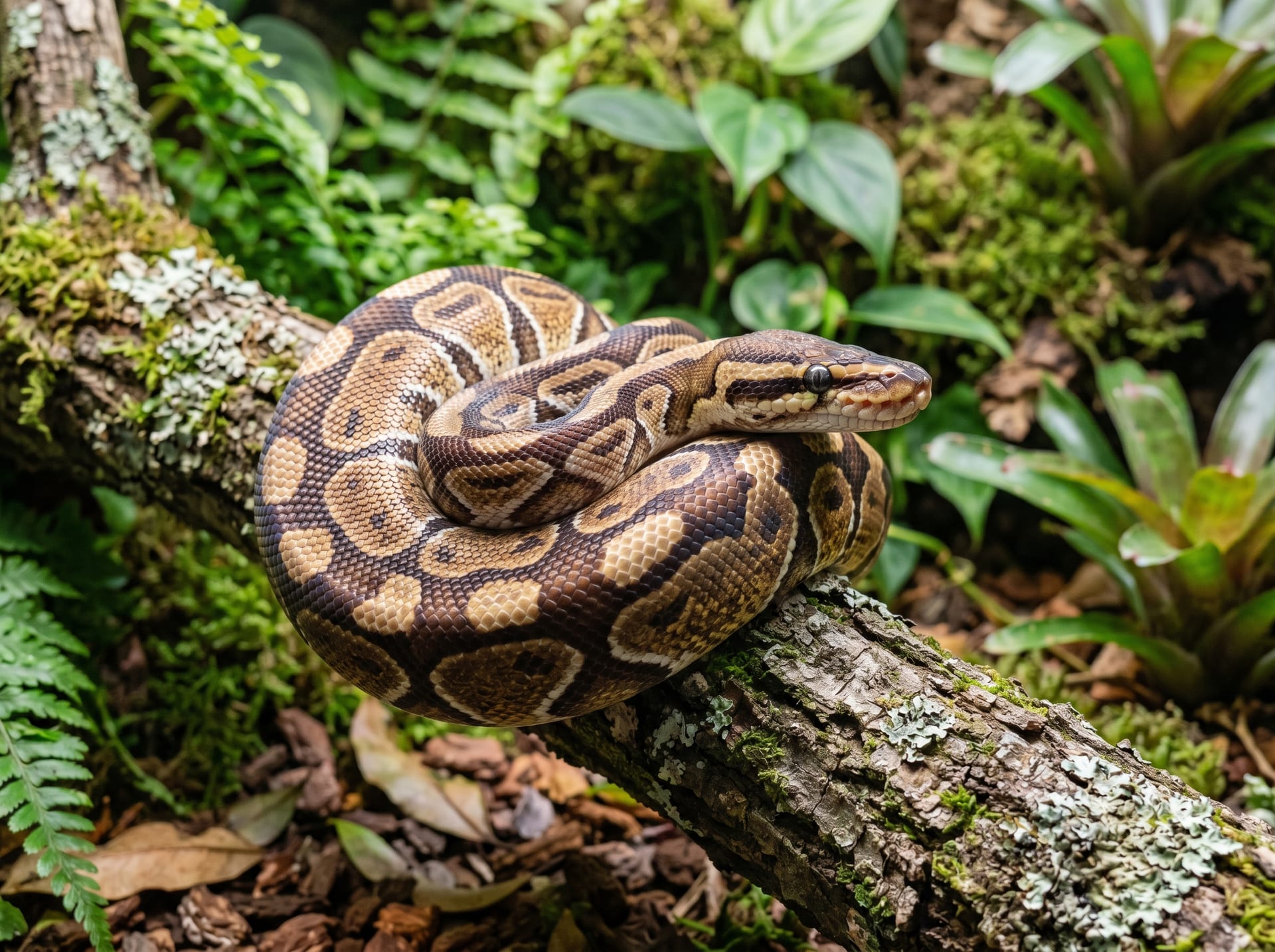
Note that ball pythons and other pythonid species commonly traded as pets are often small species that do not fall under the designated animal classification, so it is recommended to confirm with a breeder or seller before purchase whether a species is designated. Basic care information, including morphs, can also be found in Ball Python Care Complete Guide.
CITES (Washington Convention) and Reptiles
CITES (Convention on International Trade in Endangered Species of Wild Fauna and Flora) is a treaty that regulates international trade in wild animals. Many reptile species are subject to this treaty.
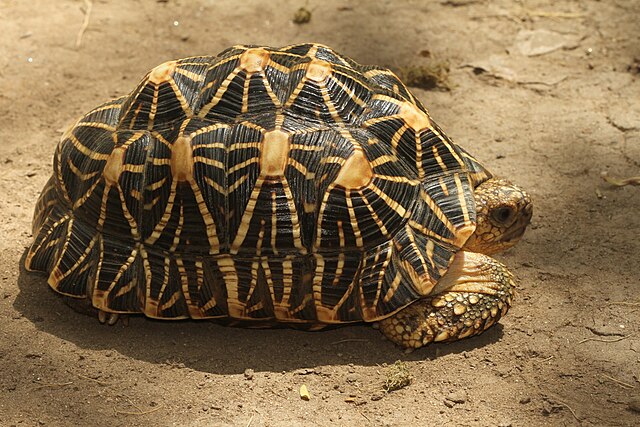
- Appendix I (Strictest Regulation): International commercial trade is generally prohibited. Examples include Galápagos land iguanas, Indian star tortoises (upgraded from Appendix II in 2019), and certain sea turtles. Even captive-bred (CB) individuals have strict restrictions on international trade.
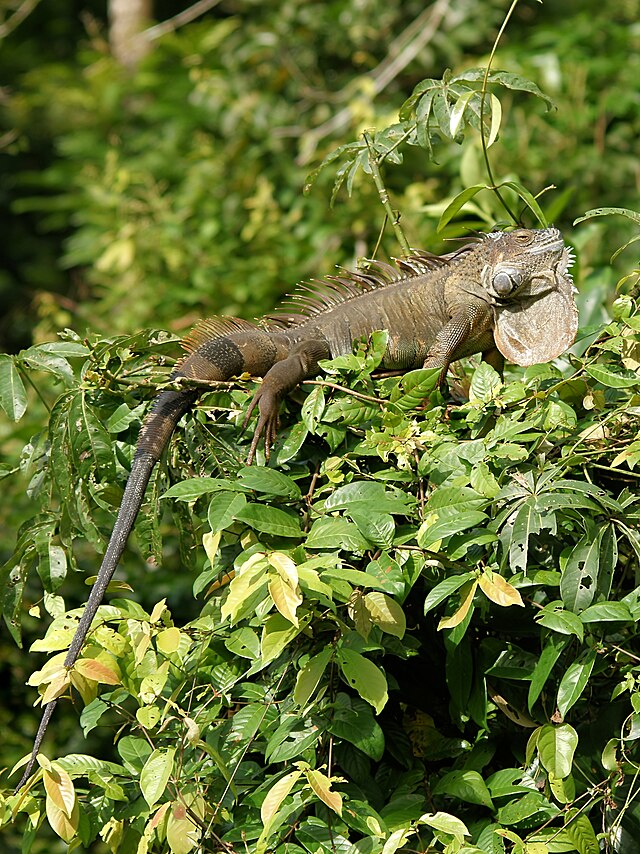
- Appendix II (Permit Required for Trade): Commercial trade is possible with permission from the exporting country. Ball pythons, green iguanas, most chameleons, and most tortoises fall into this category. Most reptiles sold in pet shops are in this category.
- Appendix III (Species Listed by Specific Countries for Protection): Species that specific countries have requested be listed to protect their own populations. Country of origin documentation is required for trade.
- Relationship with Domestic Law: CITES is implemented domestically through the "Foreign Exchange and Foreign Trade Control Act" and the "Law for the Conservation of Endangered Species of Wild Fauna and Flora." Trading illegally imported individuals is also prohibited.
- Verification Items at Purchase: When purchasing a CITES-listed species, confirm that it has been legally imported. It is important to request the seller to provide proof of import permits and breeding certificates.
As with the Aldabra giant tortoise, one of the largest tortoises in the world, breeding scale itself may be subject to legal regulation depending on the species. Individual legal regulations and care requirements are covered in detail in the Aldabra Tortoise Care Guide.
Law for the Conservation of Endangered Species (Protection of Domestic Rare Species)
The "Law for the Conservation of Endangered Species of Wild Fauna and Flora" is legislation to protect rare species both domestically and internationally.
- Domestic Rare Wild Fauna and Flora Species: Certain species of pond turtles (note that Japanese pond turtles are not currently designated, but future changes should be monitored), and some lizards and snakes endemic to the southwestern islands are designated. Capture, transfer, and sales are generally prohibited.
- International Rare Wild Fauna and Flora Species: Primarily species listed on CITES Appendix I. A "registration certificate" is required for commercial transfer within Japan. Sales or transfers without a registration certificate are illegal.
- Registration System: Domestic trade in Appendix I species requires registration with the Ministry of Environment. Since registration certificates are tied to individual animals, they must be transferred along with the animal.
- Penalties: Violations can result in imprisonment for up to 5 years or a fine of up to 5 million yen (up to 100 million yen for corporations). It is important to recognize the severity of these penalties.
Animal Welfare and Management Act and Owner Responsibilities
The Animal Welfare and Management Act imposes responsibilities on owners not only for designated animals but for all kept animals.
- Duty of Proper Care: Owners have an obligation to ensure the health and safety of their animals. They must provide appropriate temperature, humidity, food, and living space for reptiles.
- Lifelong Care Principle: Once an animal is acquired, the owner has an obligation to care for it responsibly until the end of its life. Irresponsible abandonment is a crime (imprisonment for up to 1 year or a fine of up to 1 million yen).
- Animal Dealer Registration: Sales and breeding for sale of reptiles require registration as a "Class 1 Animal Dealer." Unregistered sales are illegal. Non-commercial transfers between individuals are exempt, but repeated or ongoing transfers may require registration.
- Prohibition of Animal Abuse: Weakening due to improper care conditions can constitute "abuse." If reported, administrative inspections may be conducted.
- Legislative Trends: The Animal Welfare and Management Act is reviewed every 5 years, with ongoing discussions about expanded microchip mandates and strengthened regulations on online sales. It is recommended to regularly check the Ministry of the Environment's published materials for the latest amendment information.
Local Ordinances and Regulations
In addition to national laws, local municipalities may have their own ordinances regulating reptile keeping. Be sure to check the ordinances in your area.
- Tokyo Case: Under Tokyo's Animal Welfare Ordinance, notification may be required for keeping reptiles of a certain size even if they are not designated animals. Confirmation with condominium management rules is also necessary.
- Other Municipalities: Each prefecture and designated city has its own animal welfare ordinance. Since permissible species and conditions vary, verification is necessary when relocating.
- Condominium Rules: Even if there are no legal issues, pet keeping may be restricted under condominium or rental property management rules. While reptiles may be permitted in "no-pet" properties in some cases, some properties clearly prohibit them.
- Noise and Odor Regulations: Cricket sounds from live food and odors from improper management can cause neighbor disputes. Pay attention to local ordinances regarding noise and odors.
- Invasive Species Act: Reptiles designated as specified invasive species (such as common snapping turtles and green anoles) are generally prohibited from being kept, transported, or released. Violations can result in imprisonment for up to 3 years or a fine of up to 3 million yen.
Documents and Procedures to Verify at Purchase
To properly purchase a reptile, be sure to verify the following points. Document deficiencies can lead to significant problems later.
- Seller Registration Verification: Confirm the animal dealer registration number. Check that the registration has not expired. Online sales also require registration.
- CITES Documentation: For imported individuals, verify a copy of the CITES export permit. Registration certificates are essential for Appendix I species.
- Breeding Proof: Proof that the individual is domestically bred (CB). Purchasing from a reputable breeder ensures you acquire an individual with clear origins.
- Microchip Information: Microchip implantation is mandatory for designated animals. For other species, microchipping can be helpful for identifying the individual in case of escape.
- Sales Contract: Obtain a contract that includes species name, sex, date of birth (estimated), sale price, health status, and warranty conditions. This becomes important evidence in case of disputes.
Safe Transactions with Legal Compliance at BreederDirect
At BreederDirect, you can purchase reptiles directly from trusted breeders. Since registered, legitimate breeders are listing animals, safe transactions compliant with regulations are possible. Since you can verify the individual's origins and required documentation directly with the breeder, you can begin keeping reptiles without worrying about legal risks.