Reptile Supplements and Nutrition Management Guide | Calcium and Vitamin Supplementation
A comprehensive guide to supplements and nutrition management essential for maintaining reptile health. We explain the importance of calcium and vitamin D3, dusting methods, gut-loading practices, and nutrition management tips specific to different species.
Key Takeaways
A comprehensive guide to supplements and nutrition management essential for maintaining reptile health. We explain the importance of calcium and vitamin D3, dusting methods, gut-loading practices, and nutrition management tips specific to different species.
Related Species
In reptile keeping, nutritional supplementation through supplements is an essential element for maintaining health. Captive reptiles have limited dietary diversity compared to wild environments, making them prone to deficiencies in specific nutrients. In particular, insufficient calcium and vitamin D3 can cause metabolic bone disease, a serious condition, so proper supplement management is necessary.
Essential Nutrients for Reptiles
Let's understand the nutrients necessary for reptiles to live healthily.
- Calcium (Ca): The most important mineral for bone formation and maintenance. It is also involved in muscle contraction, nerve transmission, and egg formation. It is the most commonly deficient nutrient in captivity and is the centerpiece of supplement management.
- Phosphorus (P): A component of the skeletal system, but it is rarely deficient because insect prey is rich in phosphorus. Rather, the ratio of calcium to phosphorus (Ca:P ratio) is important, with an ideal ratio of 1.5–2:1. Excess phosphorus inhibits calcium absorption.
- Vitamin D3: A vitamin that promotes calcium absorption from the intestine and deposition into bone. In nature, it is synthesized in the body through exposure to ultraviolet B (UVB) rays, but in captivity, it must be supplied through UVB lighting or supplementation.
- Vitamin A: Involved in vision, immune function, and skin health. Herbivorous and omnivorous species such as chameleons and bearded dragons can obtain it from vegetables containing beta-carotene, but insectivorous species need to supplement it with supplements. However, vitamin A toxicity can occur with excessive supplementation, so care must be taken not to oversupply.
- B Vitamins: Involved in energy metabolism and are primarily obtained from food. Thiamine (vitamin B1) can be broken down when thawing frozen mice, so snake keepers may supplement with supplements in some cases.
Types of Calcium Supplements
There are several types of calcium supplements available on the market.
| Type | Features | Frequency Guide |
|---|---|---|
| Pure Calcium (without Vitamin D3) | A calcium carbonate powder and the most basic supplement. If UVB lighting is used, vitamin D3 is synthesized in the body, so calcium without D3 is sufficient. | Use at every feeding. |
| Calcium + Vitamin D3 | Used when UVB lighting is not installed or as a supplement to UVB. Since D3 is a fat-soluble vitamin that accumulates in the body, excessive supplementation can cause hypercalcemia. | Use only 1–2 times per week. |
| Calcium + Multivitamin | A product containing calcium plus complex vitamins such as vitamins A, D3, and E. | Typically used 2–4 times per month. |
Representative products include the following.
- RepCal (Calcium)
- RepCal Herptivite (Multivitamin)
- Repashy Calcium Plus (All-in-one)
- Zoo Med Reptivite (Multivitamin + Mineral)
How to Dust
Dusting is a method of coating feeder insects with supplement powder.
Basic Method: Place a small amount of supplement powder in a plastic bag or container, add the feeder insects, and shake gently. The ideal is to coat the entire insect body thinly and evenly. If too much powder is applied, the insects may not be able to move or the reptile may refuse to eat due to the taste, so aim for thin, even coverage.
Frequency Guide: Juveniles in the growth stage should be dusted with calcium at every feeding, with calcium + D3 1–2 times per week and multivitamins approximately 2 times per month. Adults should have calcium reduced to 3–4 times per week, with D3 and multivitamins approximately 2 times per month. However, females during breeding season consume large amounts of calcium for egg formation, so dusting at every feeding is recommended.
Gut-Loading in Practice
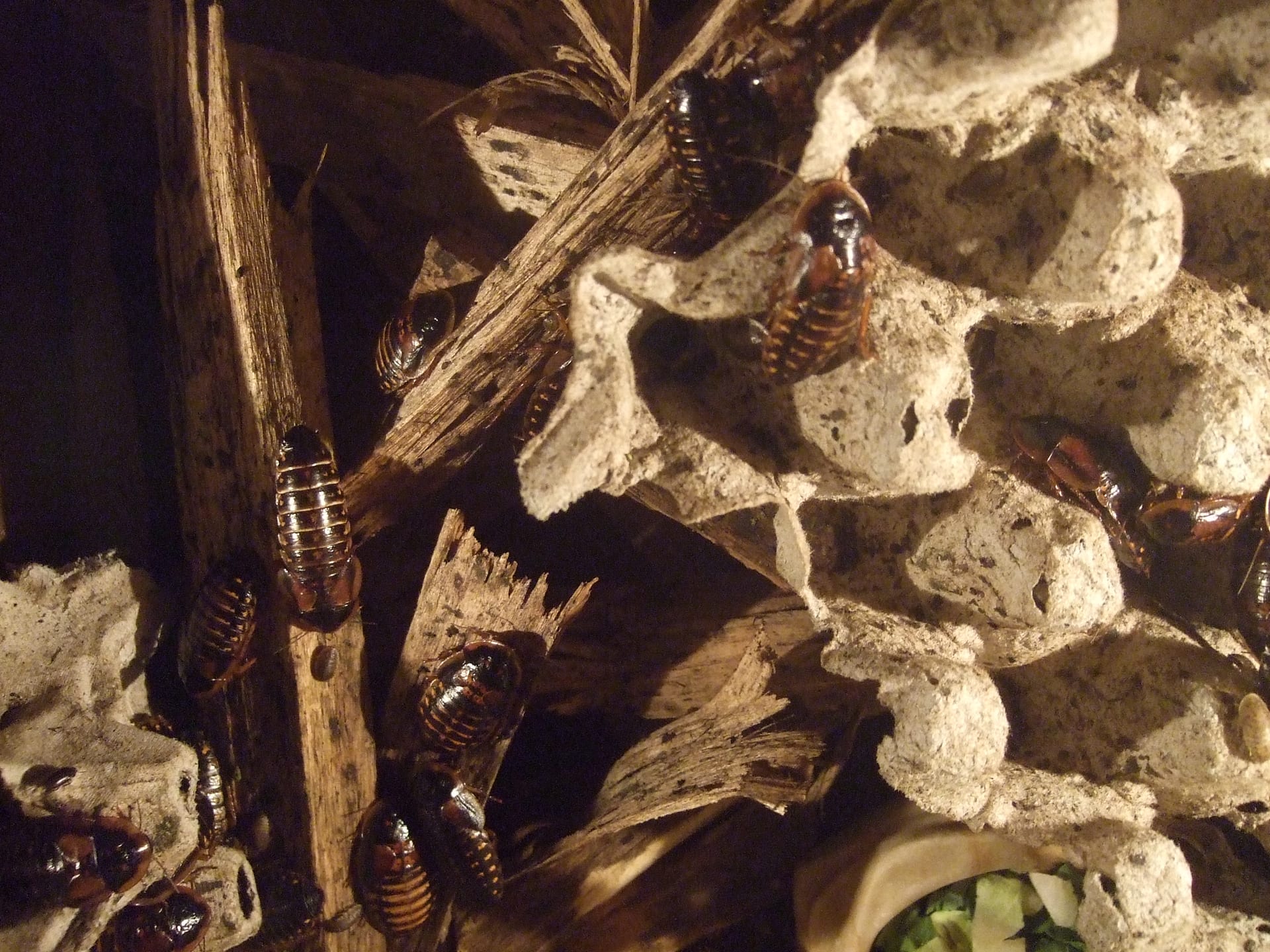
Gut-loading is a method of feeding nutritious food to feeder insects so that nutrients are delivered to the reptile through the insect. Used in combination with dusting, it allows for more complete nutritional supplementation.
Gut-Loading Method: Feed insects (such as crickets and dubia roaches) nutritious food for 24–48 hours before feeding them to the reptile. The goal is to provide the insects to the reptile with their digestive tracts loaded with nutrients.
Recommended Gut-Loading Foods: Fresh vegetables and fruits such as carrots, pumpkin, sweet potato, mustard greens, bok choy, apples, and oranges are suitable. Commercial gut-loading foods (such as Repashy Bug Burger and Arcadia Insect Fuel) also have well-calculated nutritional balance and are convenient.
Foods to Avoid: Lettuce and cucumber are inappropriate because they are mostly water and have low nutritional value. Avoid spinach as its oxalic acid inhibits calcium absorption.
Prevention of Metabolic Bone Disease (MBD)
Metabolic bone disease is the most common nutritional disease caused by calcium and vitamin D3 deficiency.
Early Symptoms are as follows.
- Loss of appetite
- Decreased activity
- Trembling of limbs
- Soft jaw (rubber jaw)
Advanced Symptoms are as follows.
- Bone deformity (especially in the spine and limbs)
- Fractures
- Difficulty walking
- Difficulty feeding due to jaw deformity
Three Pillars of Prevention are as follows.
- Proper use of calcium supplements
- Installation of UVB lighting (with appropriate output for the species)
- Diet with appropriate Ca:P ratio
Following these three points will almost certainly prevent metabolic bone disease.
UVB lights lose output over 6–12 months, so regular replacement is necessary. The distance between the light and basking spot is also important; follow the manufacturer's recommended distance. UVB is greatly diminished through glass or plastic covers, so mesh lids are recommended.
Species-Specific Nutrition Management Points
We introduce nutrition management points to note for representative reptile species.
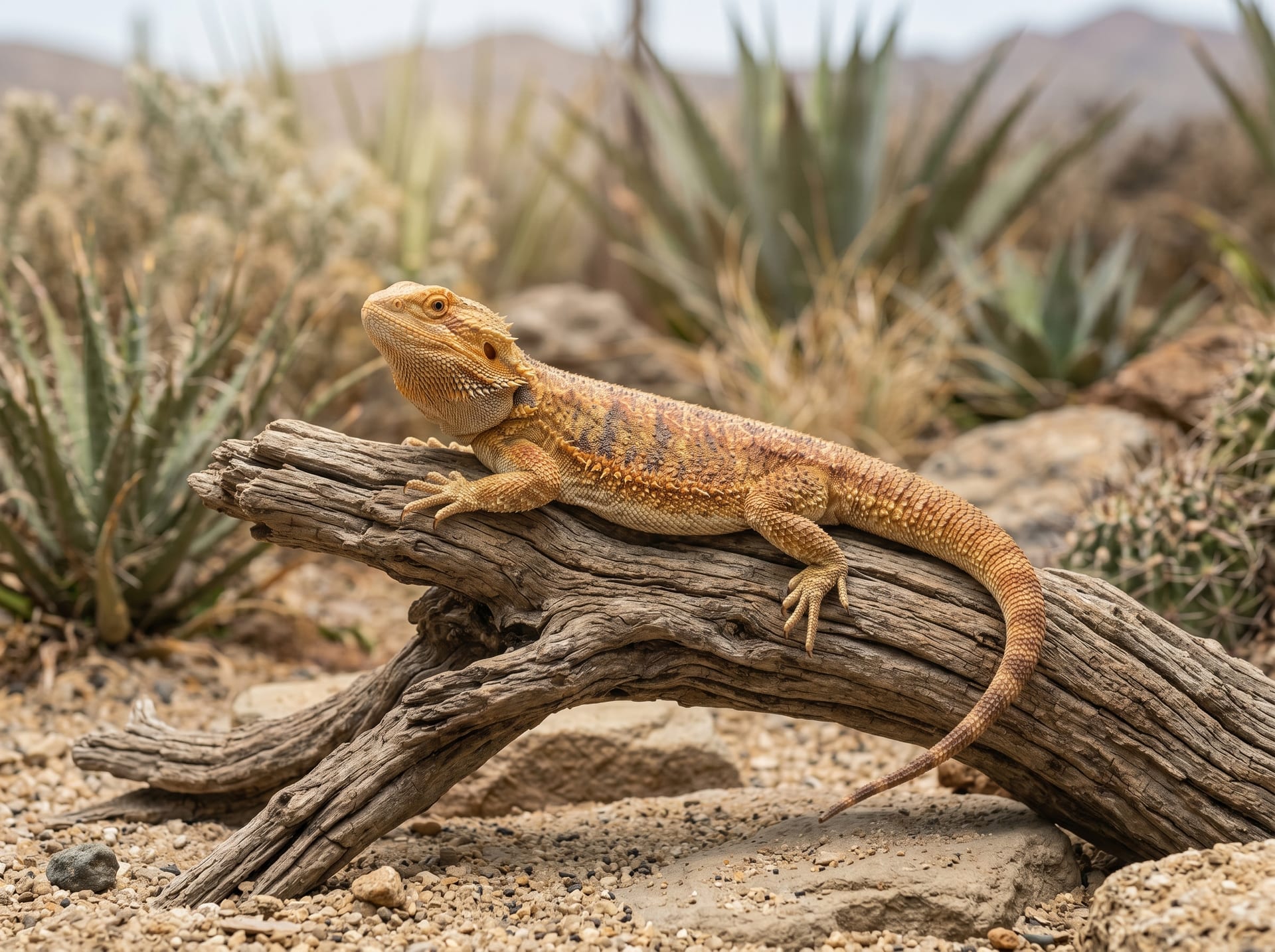
- Leopard Gecko: Long considered to have low UVB requirements as a nocturnal species, but weak UVB provision is now recommended. Using calcium with D3 is important, and the method of permanently placing a calcium dish in the cage is also common.
- Bearded Dragon: An omnivore that also eats vegetables, so actively feed calcium-rich mustard greens and bok choy. Strong UVB is required, with UVB index at the basking spot set to 3–5.
- Chameleon: Care must be taken not to underfeed vitamin A. Some species have poor beta-carotene absorption efficiency, so vitamin A supplementation 1–2 times per month may be recommended. Administer small amounts while being careful of overdose.
- Tortoise: A herbivorous species with high calcium requirements. Placing cuttlebone in the cage allows them to gnaw freely and replenish calcium. Diet should center on low-protein, high-fiber wild plants and vegetables.
Consult Expert Breeders on BreederDirect for Nutrition Management
The optimal approach to reptile nutrition management varies by species and individual. On BreederDirect, you can receive direct advice from breeders with years of keeping experience on specific supplement brands, frequency of use, and gut-loading methods. The value of buying directly from breeders is not only getting healthily raised individuals but also gaining nutrition management knowledge.