Complete Guide to Raising Chameleons | Cage, Misting, Food Management and How Color Changes Work | ブリちょく
Reptiles| ✍️ BreederDirect Editorial
Complete Guide to Raising Chameleons | Cage, Misting, Food Management and How Color Changes Work
A thorough explanation of cage selection, humidity and temperature management, and feeding methods necessary for raising chameleons. We've compiled the information beginners should know, from how color changes work to health check tips.
Key Takeaways
A thorough explanation of cage selection, humidity and temperature management, and feeding methods necessary for raising chameleons. We've compiled the information beginners should know, from how color changes work to health check tips.
Related Species
What Kind of Creature Are Chameleons? Basic Knowledge You Should Know Before Raising Them
Chameleons are arboreal lizards with three characteristics not found in other reptiles: independently moving eyes, a long sticky tongue that extends, and the ability to change body color. Originating from tropical and subtropical regions centered on Africa and Madagascar, they live in nature by quietly waiting for prey on branches.
The main types available as pets are as follows:
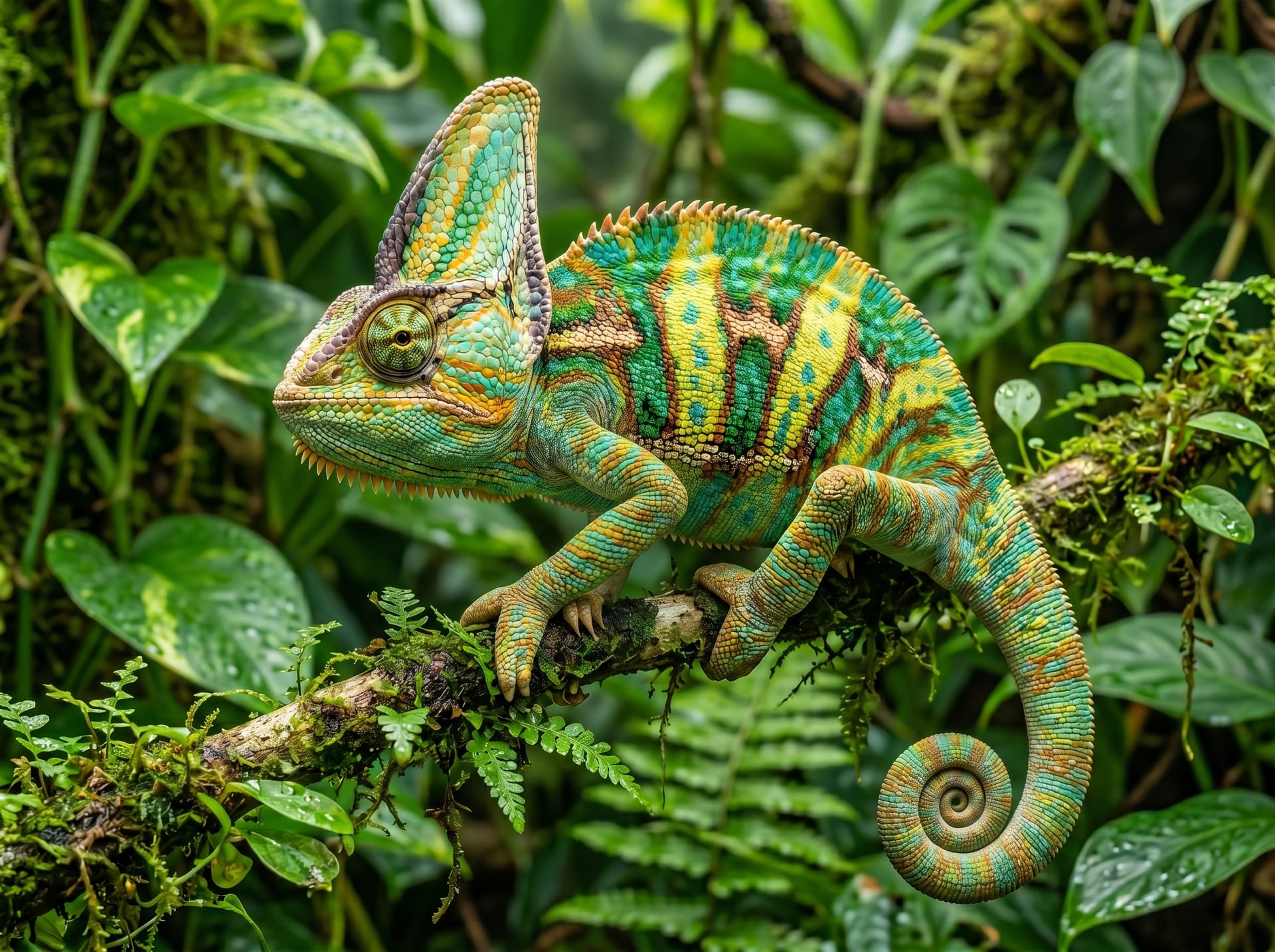
Veiled Chameleon: Native to Yemen. Relatively hardy and popular as a beginner species
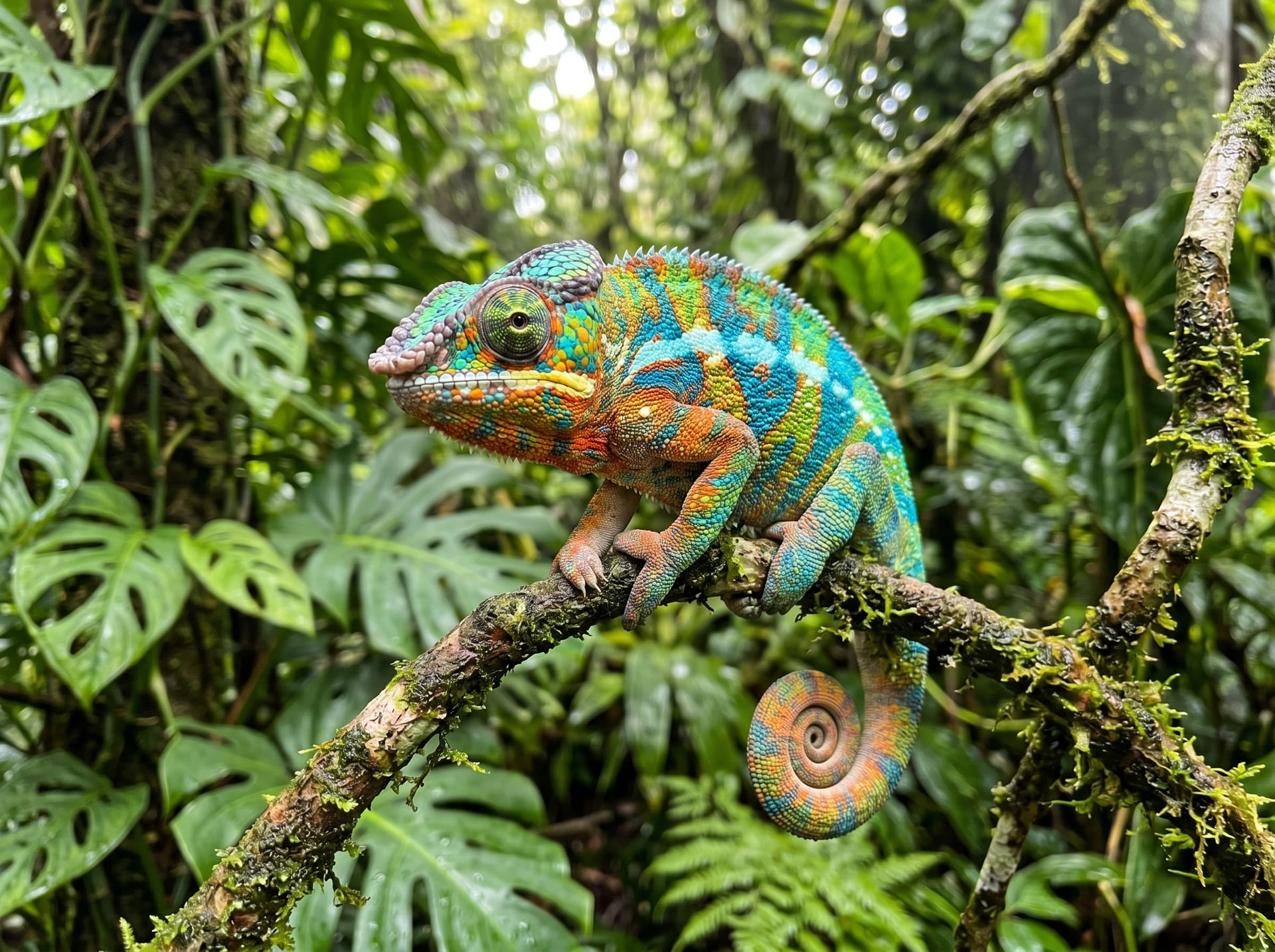
Panther Chameleon: Native to Madagascar. Extremely vibrant coloration with high ornamental value
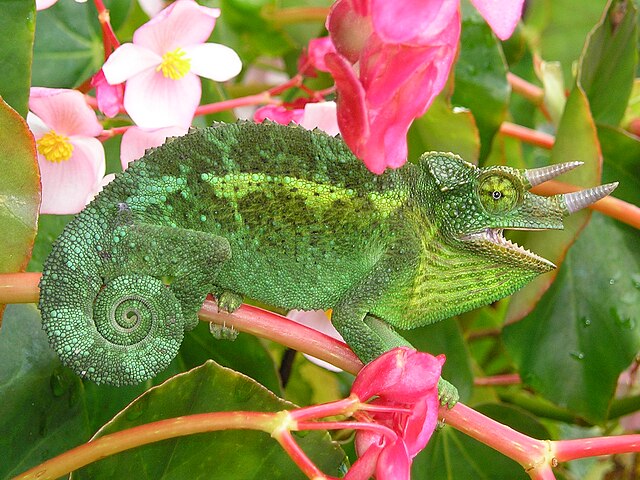
Jackson's Chameleon: Native to Kenya and Tanzania. Males have three horns, giving them a distinctive appearance
Care difficulty is moderately high. You must properly manage temperature, humidity, ultraviolet light, and water intake, but long-term keeping is entirely possible if the environment is set up correctly. If you're considering getting a chameleon, first ask yourself: "Can I enjoy the effort required?"
---
Choosing a Cage and Setup Tips
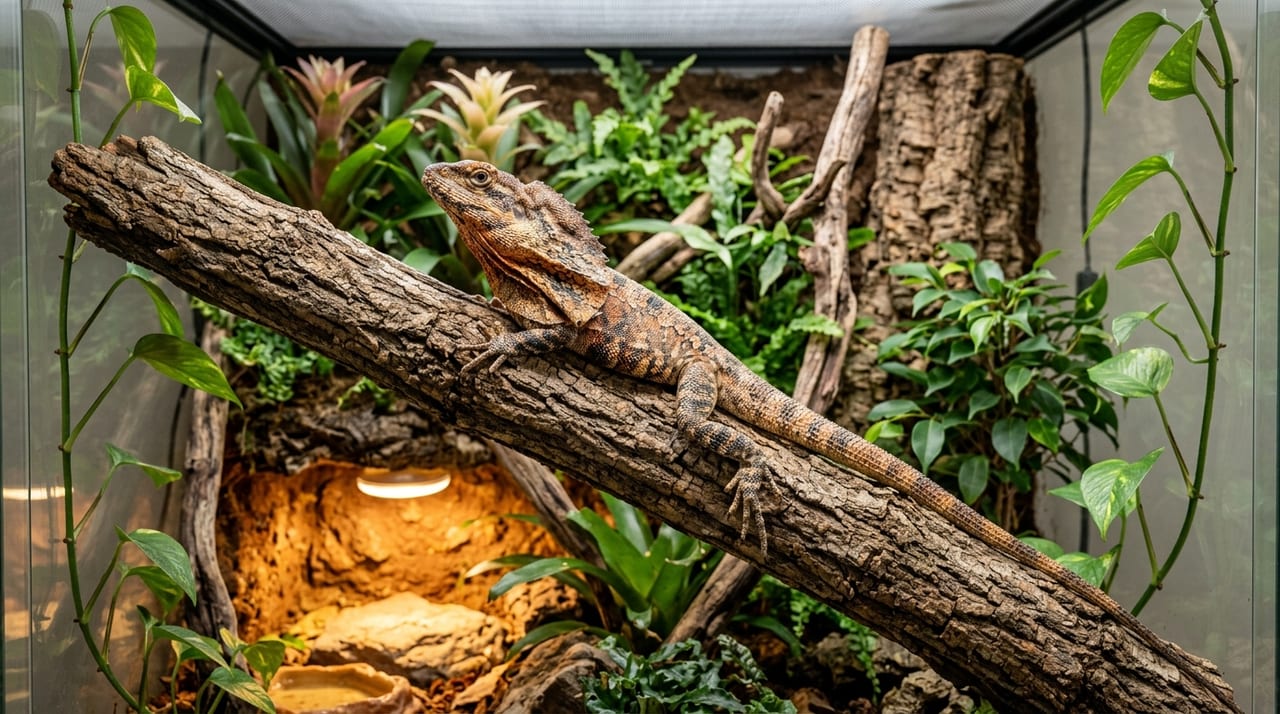
One of the most important environmental conditions for chameleons is "ventilation." Sealed glass terrariums trap moisture, causing respiratory disease. Always choose a specialized cage that uses mesh panels extensively.
Recommended Sizes
Species
Minimum Size (Width × Depth × Height)
Veiled Chameleon
60cm × 45cm × 90cm
Panther Chameleon
✍️
BreederDirect Editorial
The BreederDirect editorial team specializes in care information for animals, covering veterinary care and breeding to deliver beginner-friendly guides.
Find Reptiles on BreederDirect
Buy directly from verified breeders
Browse Related Listings
Find Reptiles listings related to this article on BreederDirect. Buy directly from verified breeders.
Inside the cage, place multiple non-toxic plants (such as pothos, ficus, monstera, etc.) and position branches of varying thickness horizontally to create movement paths. Chameleons rarely descend to the ground and prefer high places.
To avoid accidental ingestion, kitchen paper or newspaper is sufficient as substrate. Additionally, chameleons experience strong stress from being viewed from above. Position the cage higher than human eye level.
---
Temperature and Humidity Management and Proper Misting Technique
Temperature Settings
Since chameleons are ectothermic, temperature management is fundamental to maintaining health.
Basking Spot (Sunbathing Area): 27–32°C (varies by species; Veiled and Jackson's up to 29°C, Panther around 32°C max. Above 35°C risks overheating)
Overall Cage Environment: 24–28°C
Night: 20–22°C is acceptable
Creating a day-night temperature difference is crucial for regulating chameleon metabolism. Focus on reproducing natural temperature fluctuations rather than maintaining constant high heat.
Humidity and Hydration
Maintain humidity at 50–70% as a target. However, maintaining consistently high humidity is not correct. By repeatedly misting to temporarily raise humidity and then allowing it to dry thoroughly, you prevent mold growth while creating conditions closer to nature.
Misting twice daily—morning and evening—is standard. Automatic misting systems significantly reduce management effort. Using a dripper (drip water system) alongside misting is also recommended.
Important Point: Chameleons do not drink from standing water. They hydrate by licking water droplets that drip on leaves. When misting, ensure droplets remain on the plant leaves. If the eyes appear sunken, it's a sign of dehydration requiring immediate attention.
---
Food Types, Feeding Methods, and Supplement Management
Primary and Secondary Foods
The main diet of chameleons consists of live insects. Typical food options and their characteristics are as follows:
Crickets (House Crickets): Easily digestible and readily available. Easy to use as the staple diet
Two-Spotted Crickets: High nutritional value but loud and pungent
Dubia Roaches: Easy to maintain with good nutritional balance. Ideal as a supplementary staple
Silkworms: Easily digestible and easy to feed even during illness
Waxworms: High fat content—avoid overfeeding. Treat as an occasional snack
Feed adults 3–4 times per week, approximately 5–8 insects per feeding. Feed juveniles small crickets daily, increasing prey size as they grow.
Using Supplements
Nutritional deficiency directly impacts chameleon health. Follow these guidelines:
Calcium Powder: Dust on every feeding
Vitamin D3 Supplement: Use 1–2 times per week
Multivitamin: Supplement 2–3 times per month
Adequate UVB light allows chameleons to synthesize vitamin D3 internally, but light degradation and improper positioning often cause deficiency. Make supplementing with products a habit. Remove uneaten insects after feeding, as they may bite the chameleon.
---
How Color Changes Work and How to Read Health Status
Color changes in chameleons are often thought to be camouflage, but they actually occur primarily for emotional expression, thermoregulation, and communication.
Deep within the skin are specialized cells called iridophores containing nanocrystals arranged in a regular pattern. When nerve signals change the spacing between these crystals, the wavelength of reflected light shifts, causing the apparent color change we see.
Health Signs Read from Body Color
Color/Condition
Possible Meaning
Bright, vibrant coloration
Relaxation, mating displays, good health
Dark, dull coloration persists
Stress, low temperature, illness
Darkened and immobile
Possibly severe illness
Mouth held open
Sign of respiratory infection
Sunken eyes
Dehydration
Daily observation helps you recognize your chameleon's normal color pattern, enabling early detection of changes. If abnormalities persist, consult a veterinarian experienced with reptiles promptly.
---
Meet Your Chameleon with Confidence and Safety at br-choku
Chameleons are extremely sensitive to stress during transport. Individuals displayed at pet shops for extended periods often arrive already in poor health.
At br-choku, you can acquire chameleons directly from breeders who specialize in their reproduction. Breeders provide detailed information about the individual's birth date, parentage, previous care environment, and current diet. This makes post-arrival adaptation smooth, allowing even beginners to start with confidence.
An additional major benefit is the ability to consult breeders directly with husbandry questions after purchase. Having an accessible breeder to discuss even minor changes like "stopped eating" or "unusual color" supports long-term chameleon care.
While caring for chameleons requires effort, the joy of observation is equally special. Daily color changes, slow hunting moments, and their unique presence as they acclimate—find a trustworthy breeder at br-choku and welcome your ideal chameleon.