Substrate & Bottom Sand Selection Guide | Optimal Bedding by Species and Replacement Cycle
From reptile bedding to aquarium substrate, comprehensive guide to choosing the right substrate for your animals. Compare safety, functionality, and cost-effectiveness, and learn the timing for replacement.
Key Takeaways
From reptile bedding to aquarium substrate, comprehensive guide to choosing the right substrate for your animals. Compare safety, functionality, and cost-effectiveness, and learn the timing for replacement.
Related Species
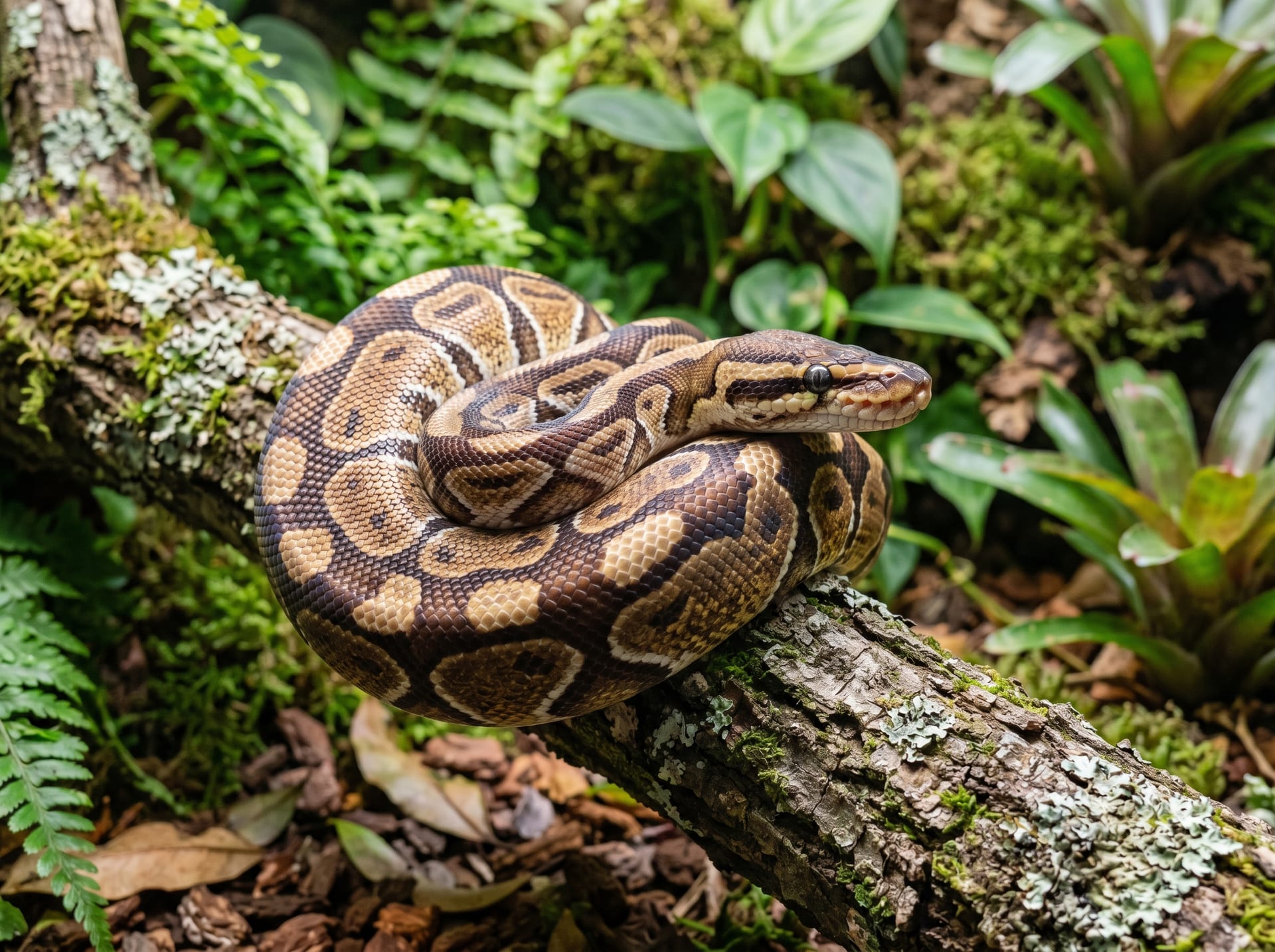
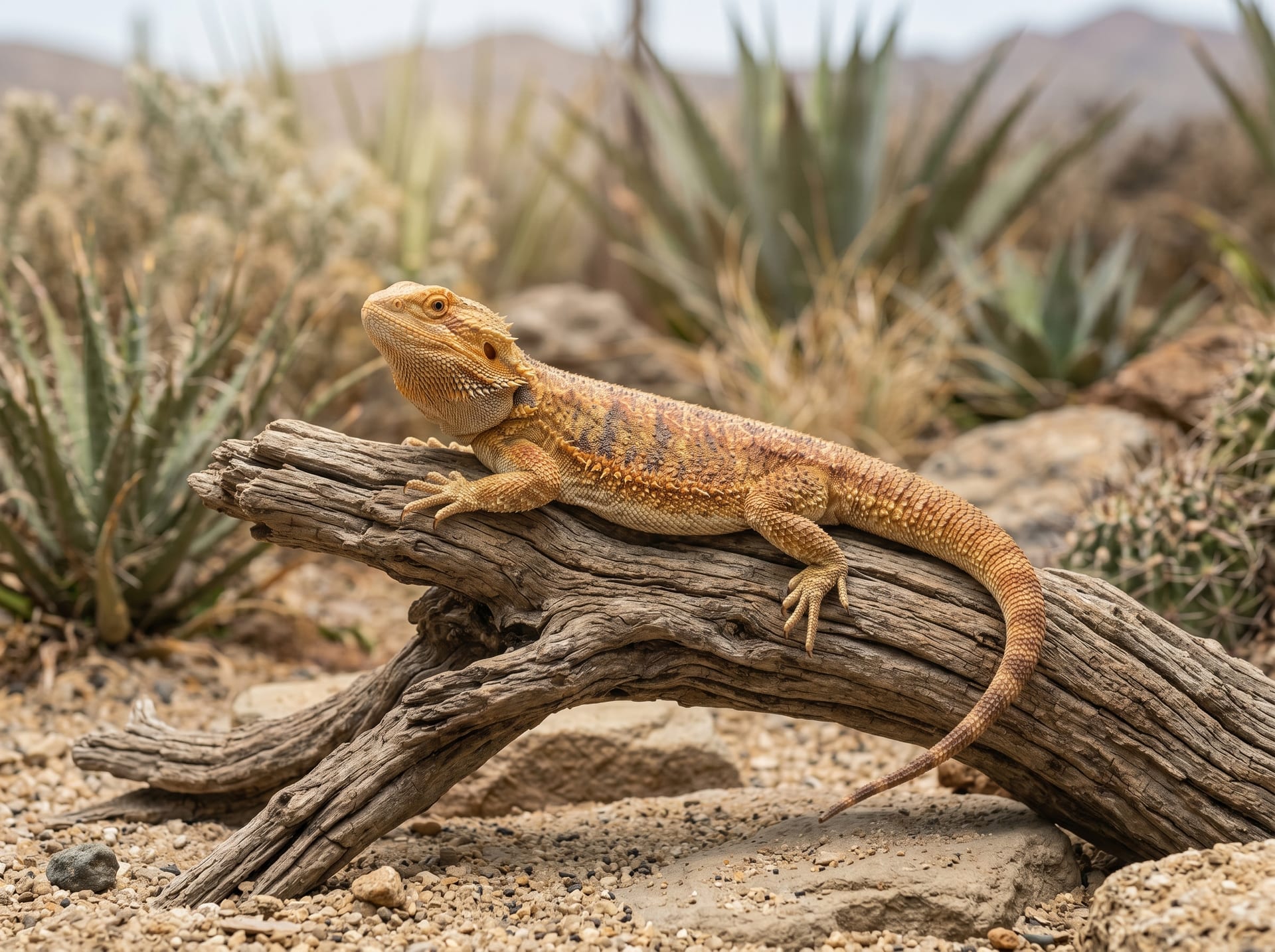
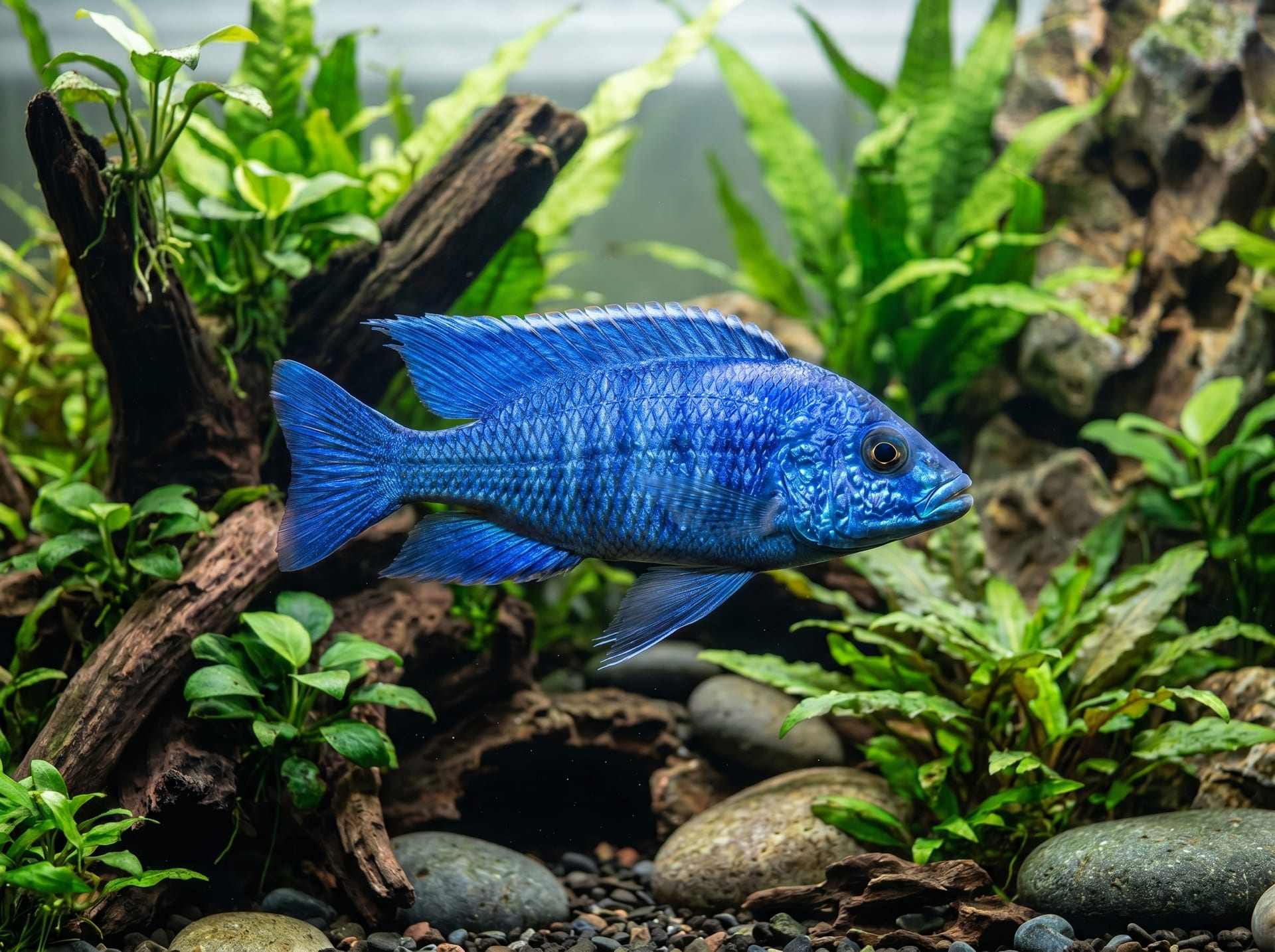
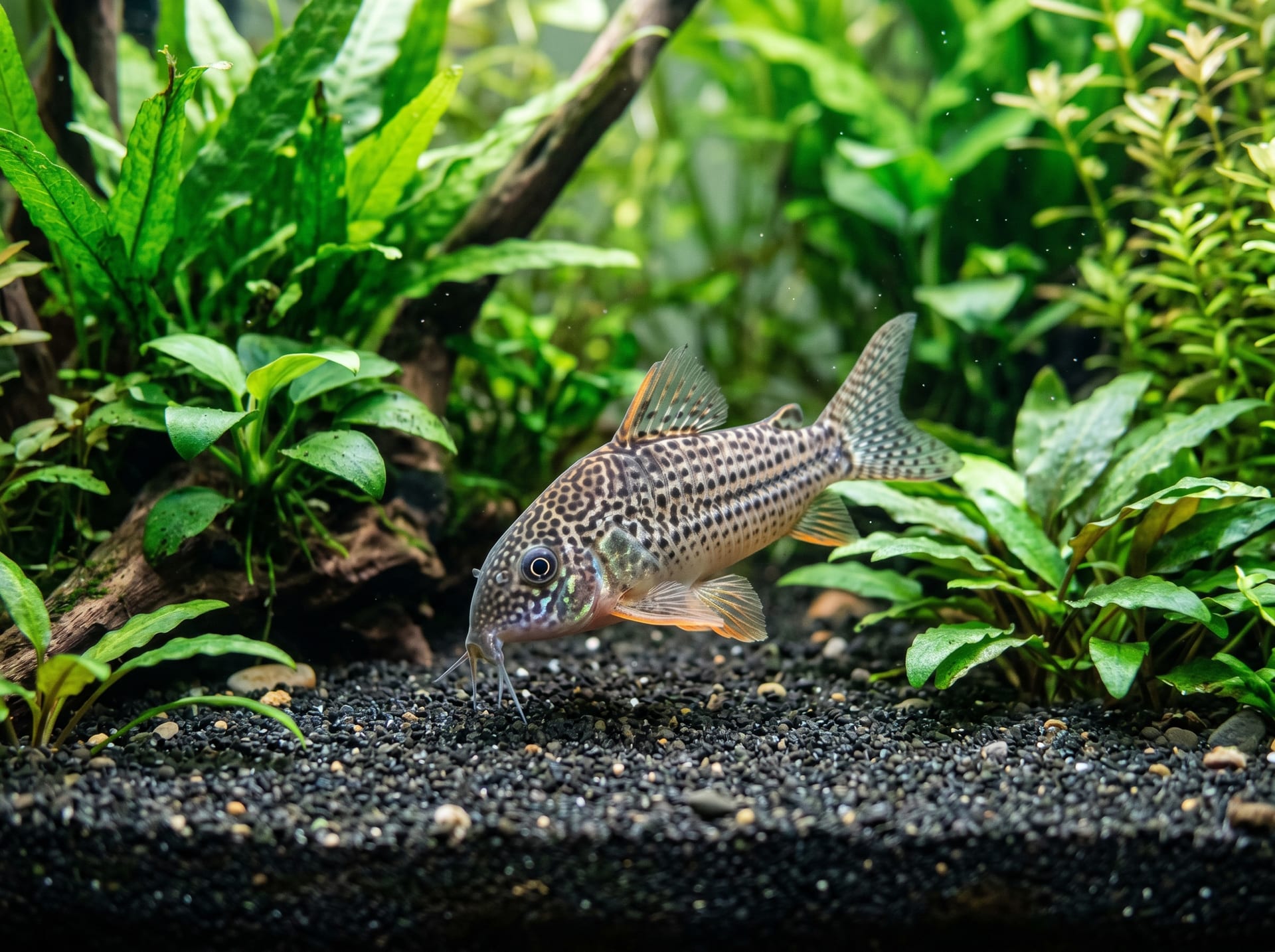
The choice of bedding and substrate is an important factor that greatly influences the health of your animals and the comfort of keeping them. Choosing based on appearance alone risks accidental ingestion and inappropriate humidity levels. Conversely, by selecting a substrate that matches your animal's natural habitat and your breeding purpose, you can reduce maintenance effort while recreating an environment close to nature. This article explains the optimal bedding and substrate for the main species kept in captivity.
Types and Characteristics of Reptile Bedding
Reptile bedding is divided into two main categories: "granular" and "sheet" types.
Granular Types
- Desert sand (calcium sand) is used for arid reptiles, but is not recommended for juveniles due to the risk of impaction from accidental ingestion.
- Coconut husk chips (coco chips) have high moisture retention and are suitable for ball pythons and tree pythons that prefer humid environments.
- Red lava stone is readily available in Japan and offers a versatile option with good balance between moisture retention and breathability.
- Bark chips have a natural appearance and provide moderate moisture retention.
Sheet Types
- Kitchen paper is the most hygienic and easy to replace. It is ideal for managing juveniles and sick animals, but the appearance is plain.
- Pet pads have high water absorption and are suitable for large reptiles.
- Artificial turf is economical as it can be washed and reused, but is not suitable for species with claws that may snag.
Each material has its pros and cons, so choose based on the ecology of the species you are keeping and your maintenance style.
Choosing Aquarium Substrate
Aquarium substrate directly affects water quality, so careful selection is necessary.
- Oiso sand is the most versatile and economical option. It has minimal impact on water quality and can be used long-term, but new material often contains shell fragments that can raise pH, so acid-wash before use.
- Aqua soil is the standard for planted aquariums and easily maintains slightly acidic soft water. Nutrient-rich soil contains nutrients needed for aquatic plants, while absorptive soil absorbs harmful substances. However, soil breaks down easily and requires replacement within 1-2 years.
- Coral sand and aragonite sand are used in saltwater aquariums and African cichlid tanks, maintaining high pH and KH.
Particle size of substrate is also important.
- Fine sand (1mm or smaller) is suitable for bottom-dwelling fish like corydoras, but has the disadvantage of easily creating anaerobic zones.
- Coarse gravel (3-5mm) has good water permeability and works exceptionally well with undergravel filters.
The thickness of substrate is generally 3-5cm, but if planting aquatic plants, maintaining a thickness of 5-8cm will promote better root development.
Timing and Signs for Substrate Replacement
The timing for substrate replacement varies depending on the material and usage conditions.
| Substrate | Replacement Guide |
|---|---|
| Reptile granular bedding | Perform spot cleaning regularly, with full replacement approximately every 2-3 months. Replace immediately if odor persists or mites are detected |
| Kitchen paper/Pet pads | Basic rule is to replace as needed, with full replacement at least 2-3 times per week |
| Aquarium soil | Signs of replacement include when pellets break down into mud or when aquatic plant growth declines. Typically replacement is every 1-1.5 years, but varies with number of animals and feeding amount |
| Oiso sand/Lava sand | Essentially no replacement needed. It is good practice to remove and rinse every few years |
When replacing, note that in a bioactive environment, replace gradually 1/3 at a time rather than all at once to maintain beneficial microorganisms. When replacing a large amount of aquarium substrate, beneficial bacteria are also lost, so avoid washing filter media at the same time.
Accidental Ingestion Risk and Safety Measures
The most important thing to watch for when using granular bedding is accidental ingestion by animals. Reptiles can swallow bedding along with prey when catching prey with their tongues. Juveniles of leopard geckos and bearded dragons in particular have high risk of accidental ingestion, so using materials without ingestion concerns such as kitchen paper and pet pads is recommended. Even for adults, large amounts of calcium sand ingestion can cause impaction, so vigilance is essential.
Effective measures include the following:
- Avoid feeding directly on bedding; use a feeding dish
- Use tweezers to feed directly to the mouth
- Replace bedding in feeding spots with tiles or slate
Signs of accidental ingestion include:
- Decreased appetite
- Abdominal swelling
- Constipation
- Unnatural posture
If these symptoms are observed, consult a veterinarian promptly.
Cost-Effective Substrate Selection
Consider substrate costs comprehensively, including not just initial cost but also ongoing maintenance expenses.
| Substrate | Price/Replacement Frequency | Estimated Annual Cost |
|---|---|---|
| Kitchen paper | Low unit cost, but replace approximately once daily | ¥3,000-5,000 |
| Coconut husk chips | ¥800-1,500 per 10 liters, replace every 2-3 months | ¥3,200-9,000 |
| Red lava stone | ¥300-500 per 14 liters—very inexpensive—but breaks down easily and requires replacement every 2-3 months | ¥1,200-3,000 (most economical) |
| Aquarium soil | ¥2,000-4,000 per 8 liters, replacement cycle every 1-1.5 years | ¥1,300-4,000 |
| Oiso sand | Approximately ¥500-1,000 per 5kg, essentially no replacement needed | Initial cost only |
When purchasing animals from BreederDirect, it is helpful to ask breeders what bedding they currently use. Using the same bedding minimizes stress from environmental changes for your animals. While substrate selection may seem mundane, it is an important element that fundamentally supports the quality of animal care.