Multi-Species Reptile Care and Dedicated Room Setup | Layout and Hygiene Management
Explains how to set up a room for keeping multiple reptiles. Covers cage placement, efficient temperature management, hygiene measures, and electrical safety.

Key Takeaways
Explains how to set up a room for keeping multiple reptiles. Covers cage placement, efficient temperature management, hygiene measures, and electrical safety.
Related Species
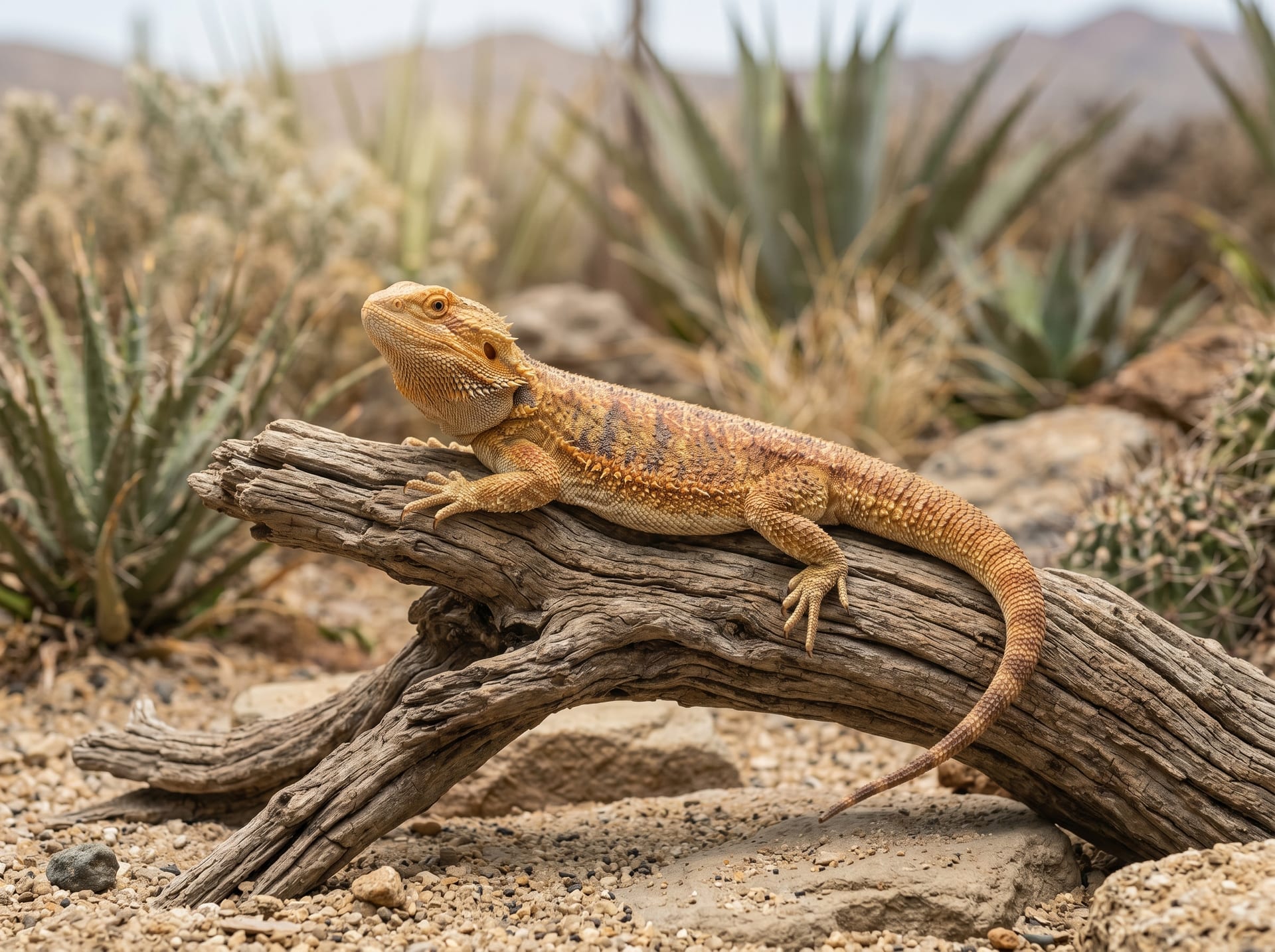
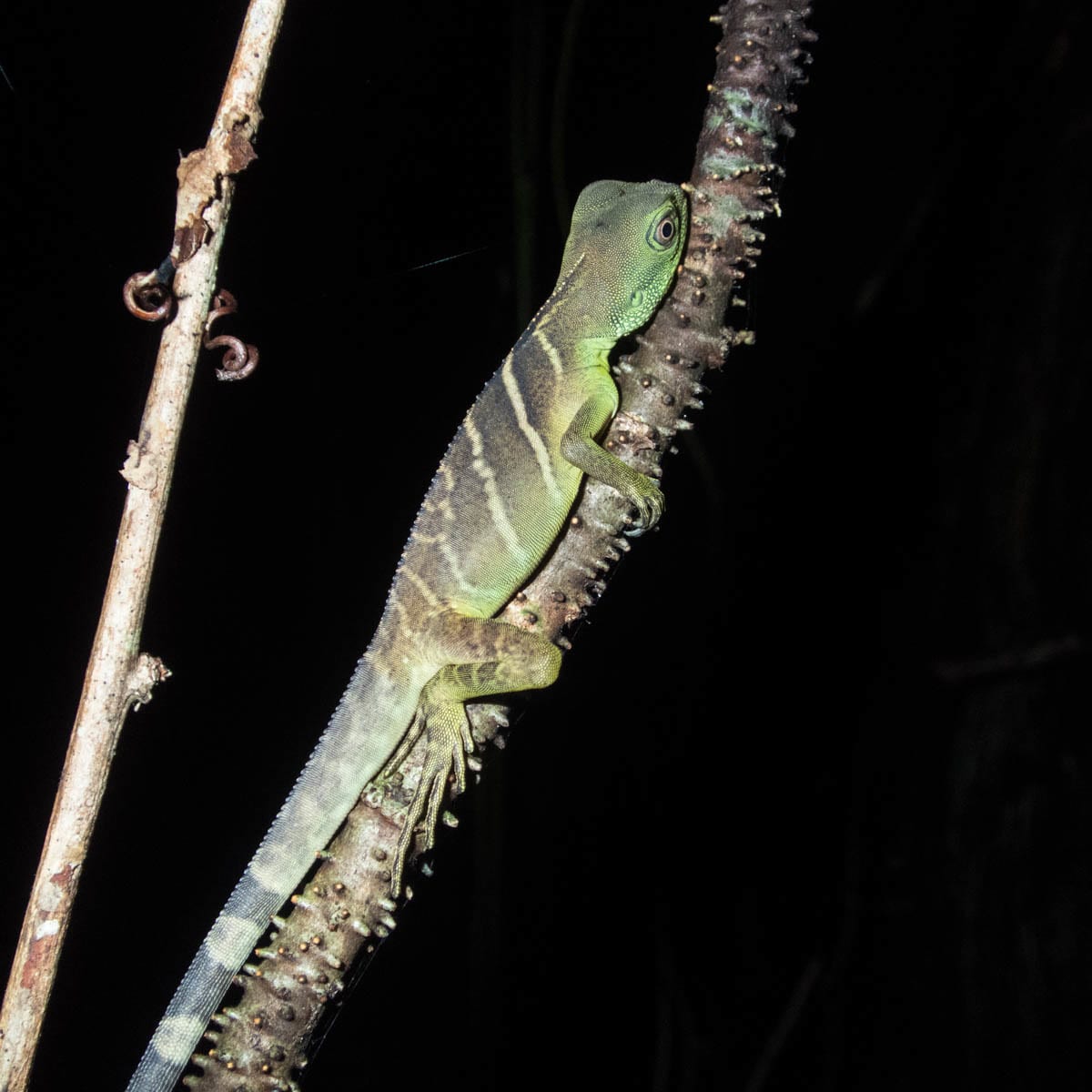
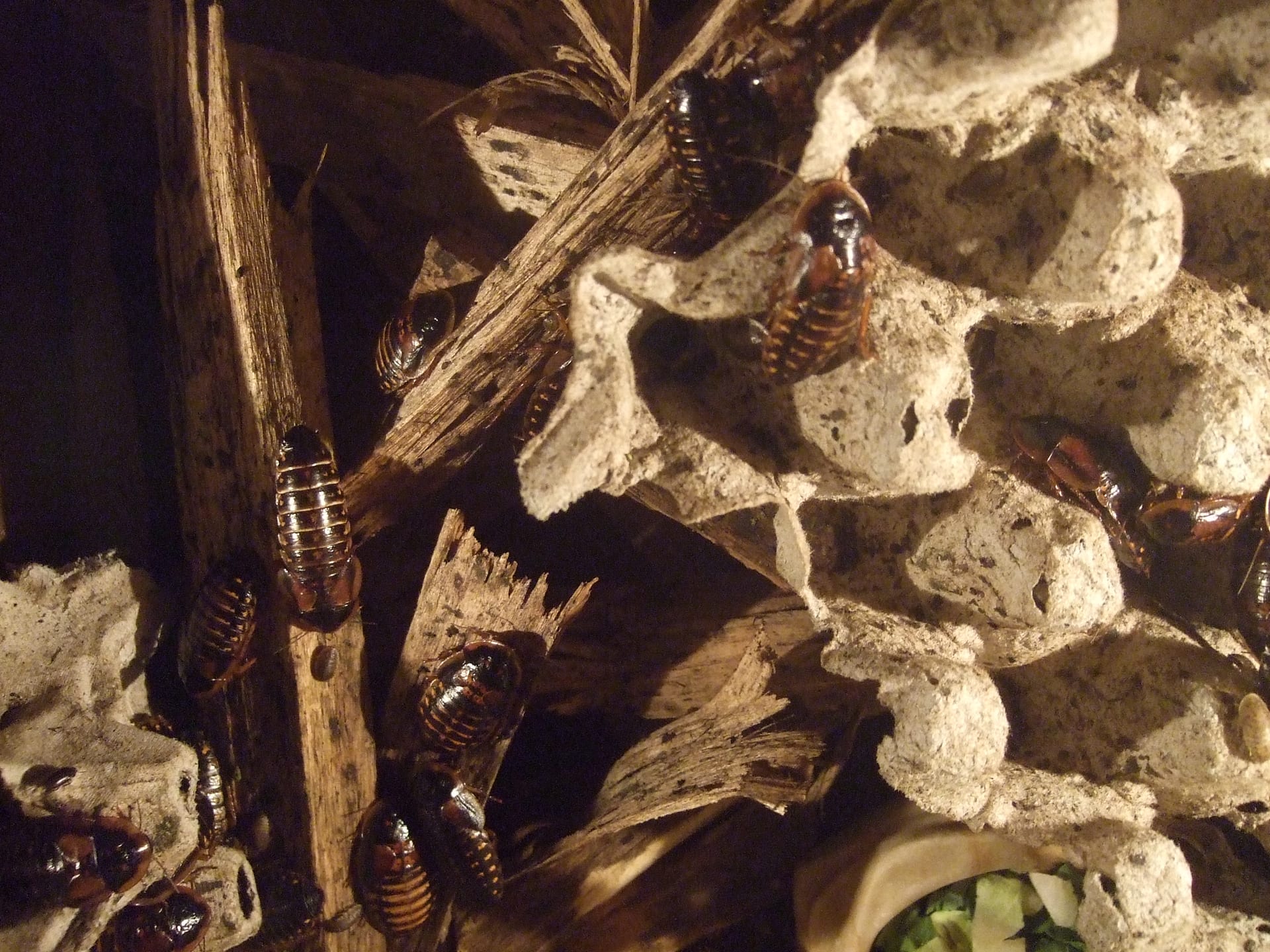
Once you get hooked on reptile keeping, it's a common experience among enthusiasts to find your cages multiplying before you know it. When managing multiple species in the same room, you need to plan your room setup carefully in terms of temperature, electricity, and hygiene. This article explains the know-how for setting up a dedicated reptile room—from design to daily management—to ensure your multi-species collection is kept safely and efficiently.
Choosing a Room and Basic Layout
For your dedicated reptile room, choose a location in your home where temperature fluctuates least, if possible. Different room orientations have the following characteristics.
| Orientation | Advantages | Cautions |
|---|---|---|
| North-facing | Easy to avoid direct summer sunlight | Needs insulation measures as it cools easily in winter |
| South-facing | Warm in winter | Watch out for high temperatures in summer |
Stacking cages on metal racks is space-efficient and economical. Place cork sheets or insulation mats on the rack shelves to prevent heat from lower cages affecting upper ones. For cage placement, you can leverage the room's temperature gradient by putting species that prefer high temperatures (such as Central Bearded Dragons) on upper shelves and species that prefer lower temperatures on lower shelves. Workflow is also important—ensure sufficient space in front of the cages for feeding and cleaning. Aim for a minimum aisle width of 60cm or more.
Electrical Safety
The most critical concern in multi-species keeping is electrical safety. Since you use 2–5 electrical devices per cage, power consumption becomes enormous as you add more cages. The main electrical devices are as follows.
- Basking light
- UVB light
- Panel heater
- Thermostat
To use these devices safely, pay attention to the following points.
- Check your room's breaker capacity and calculate whether the total watts of your devices exceed it
- Daisy-chaining power outlets is strictly prohibited as it causes fires
- Connect power strips directly to wall outlets, keeping the total wattage of devices connected to one strip at 1,500W or less
- Choose waterproof and dustproof power strips, and never place them where water can splash
- Using a timer and thermostat together to automate lighting and temperature control greatly reduces management effort
Optimizing Temperature and Humidity Management
Oil heaters or air conditioning are effective for heating the entire room. If you keep the whole room at around 22–25°C during winter, the heating burden on each cage decreases, saving on electricity bills too. When using air conditioning, adjust the airflow direction so it doesn't blow directly on the cages. Since humidity requirements vary by species, it's ideal to place dry-habitat species (such as Leopard Geckos) separately from high-humidity species (such as Water Dragons). Manage the room's overall humidity at around 50–60%, and adjust high-humidity species' cages individually using misting systems or wet shelters. Of course, install thermohygrometers in each cage, but having a data logger to monitor the entire room makes management significantly easier.
Hygiene Management and Disease Prevention
When keeping multiple reptiles in the same room, you must always be aware of the risk of disease transmission. The most important thing is not to share tools between cages. Prepare dedicated tools for each cage.
- Tweezers
- Water dishes
- Spray bottles
If you must share tools, disinfect them with alcohol or hot water each time you use them. When bringing in a new individual, establish a minimum 30-day quarantine period and do not house it in the same space as existing individuals. During quarantine, carefully observe the following points.
- Fecal condition
- Appetite
- Abnormalities on the body surface
In addition to removing feces daily, perform a full cage cleaning and disinfection once a month. When cleaning, start with healthy individuals and leave those with health concerns for last.
Cost Management and Record-Keeping
With multi-species keeping, costs for electricity, food, and consumables increase. To keep track of monthly expenses, I recommend recording spending in a spreadsheet or similar. Installing a power monitor lets you check the room's total power consumption in real time and spot waste more easily. You can reduce food insect costs through bulk buying or home breeding. Home breeding of Dubia roaches is recommended—it requires low initial investment and allows stable supply. Additionally, keeping the following records for each individual helps you notice changes in health early.
- Feeding records
- Weight records
- Shedding records
- Defecation records
Using your smartphone's notes app or a pet management app minimizes the effort needed for record-keeping.
Expand Your Collection with BreederDirect
The appeal of multi-species keeping is being able to enjoy the charm of various species daily. When acquiring new individuals, it's important to source healthy animals from reliable sources. With BreederDirect, you can purchase directly from breeders of each species, so you can confidently bring home animals after confirming their health status and rearing history. If you share your current care setup with a breeder, they can also suggest species that would be a good fit.
The Greatest Risk to Watch in Multi-Species Keeping
The greatest risk to watch for in multi-species keeping is "cross-infection." When different reptile species share the same room, pathogens carried by one species (such as Cryptosporidium) may infect another. The basic approach is to maintain sufficient distance between cages and use separate cleaning tools for each cage. To prevent aerosol infection, always house high-risk individuals in a separate room.