When to Replace UV Lights and How to Choose Them | Don't Overlook UVB Output Degradation
A guide to the proper replacement timing for UV lights essential to reptile care, the mechanism behind UVB output degradation, and how to select the right type. We also introduce how to use a UV meter.
Key Takeaways
A guide to the proper replacement timing for UV lights essential to reptile care, the mechanism behind UVB output degradation, and how to select the right type. We also introduce how to use a UV meter.
Related Species
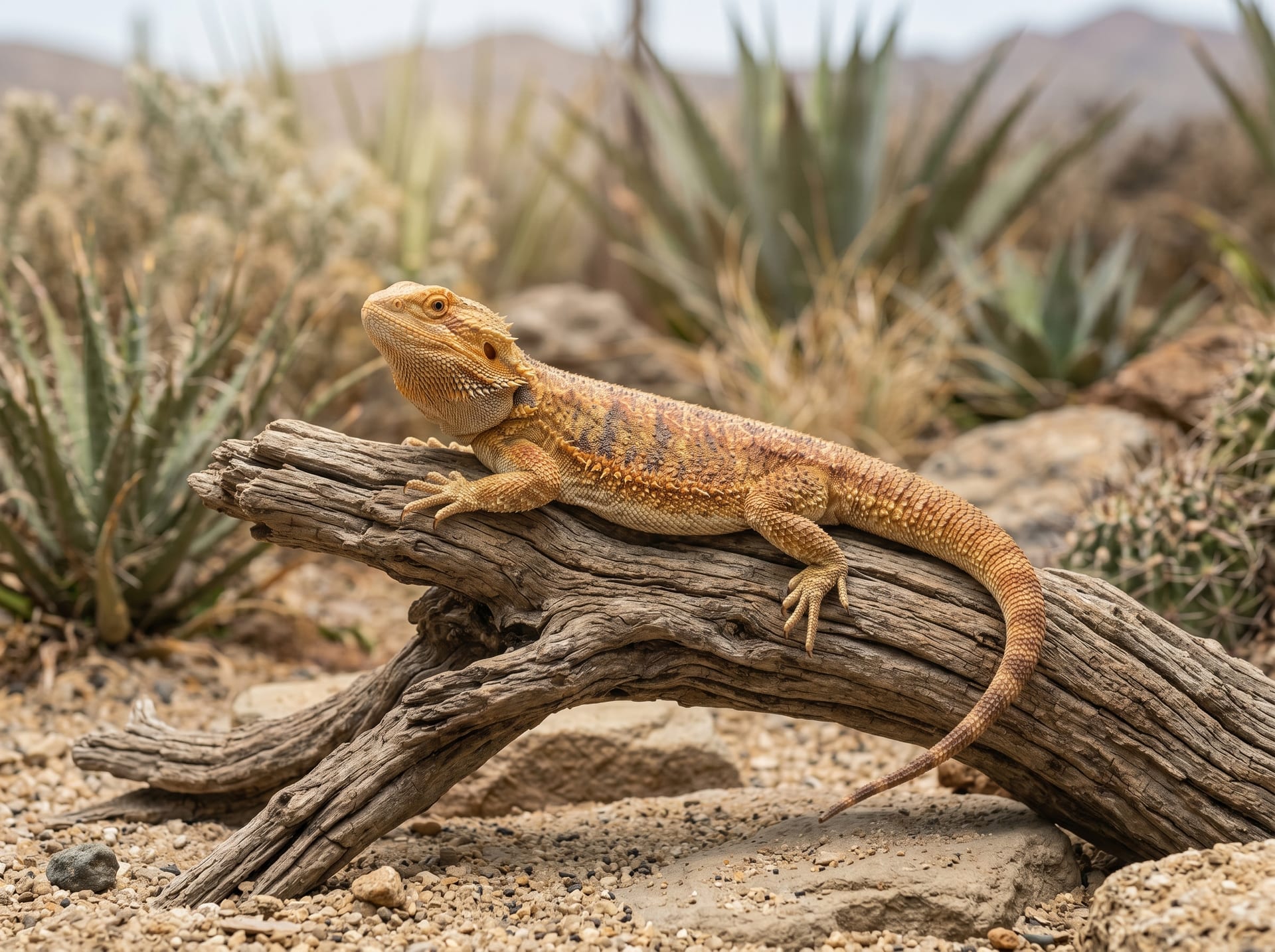
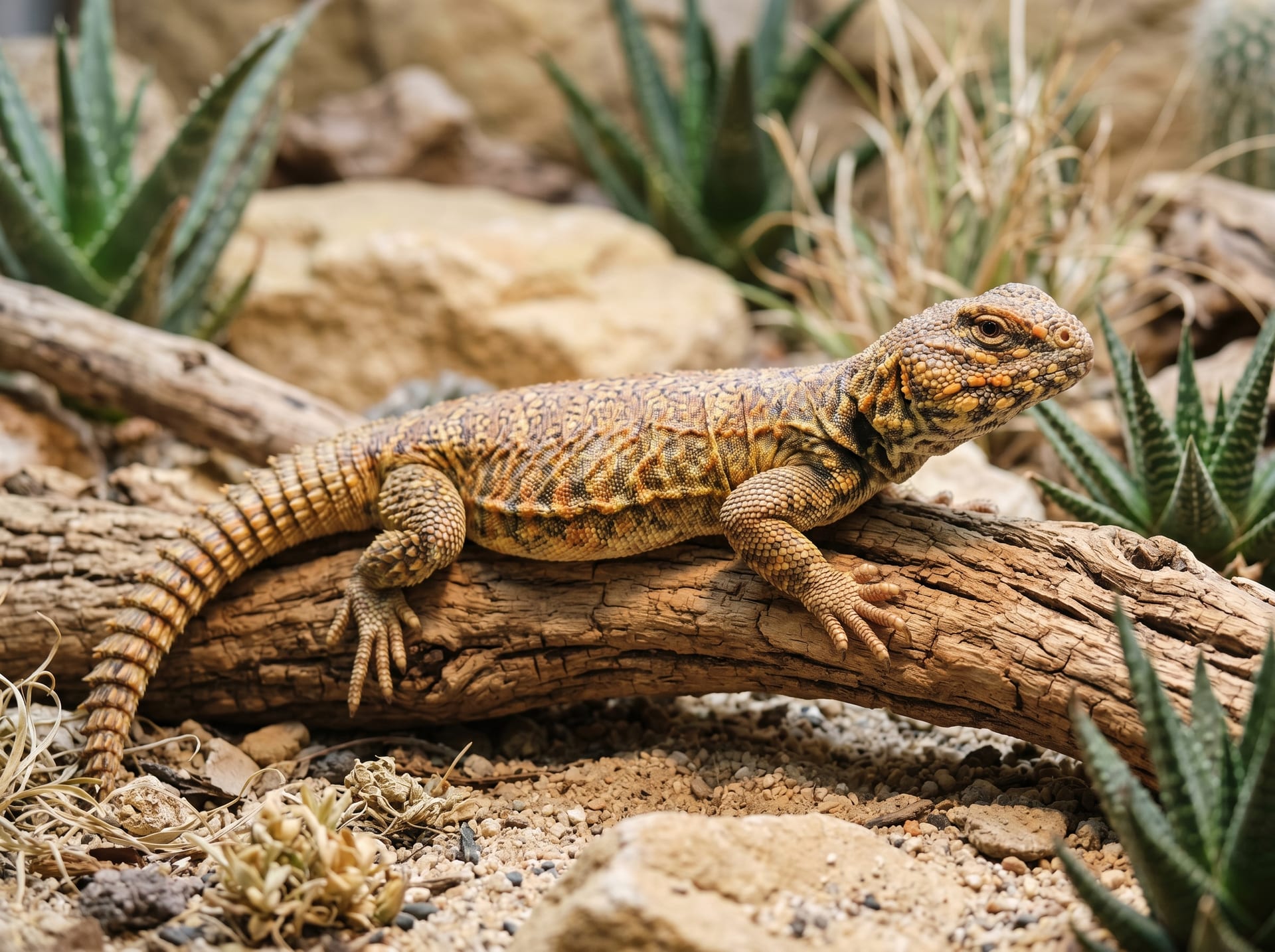
In reptile care, ultraviolet (UV) light is one of the most critical pieces of equipment supporting the health of your animals. However, even when a UV light is on, its UVB output gradually decreases over time, making it impossible to judge replacement timing based on appearance alone. Neglecting timely replacement risks your reptile developing metabolic bone disease. This article explains the degradation mechanism of UV lights and when to replace them correctly.
Understanding the types and characteristics of UV lights
UV lights fall into three main categories.
- Fluorescent tube type (linear):Emits uniform UVB across a wide area and is ideal for covering an entire enclosure. Available in T5HO (high output) and T8 types, with T5HO offering stronger UVB output and longer radiation distance as its defining feature.
- Compact fluorescent type (coil):Suitable for small enclosures, but has a narrow radiation area and shorter UVB reach.
- Metal halide lamp (mercury vapor) type:An all-in-one that emits UVB, UVA, visible light, and heat. High-output with long radiation distance, ideal for large enclosures or free-roaming environments, but expensive with high power consumption.
LED-type UVB lights are emerging but remain underdeveloped, with few products offering adequate UVB output. Always check the UVB output specs before purchasing.
UVB output degradation mechanism and replacement timing guidelines
The phosphor in UV lights degrades with use, causing UVB output to decline. Visible brightness barely changes, making "it's still lit, so it's fine" a common and critical mistake. General replacement timing guidelines are below.
| Type | Replacement timing |
|---|---|
| Fluorescent tube (T5HO) | Approximately 12 months |
| Fluorescent tube (T8) | Approximately 6 months |
| Compact fluorescent type | Approximately 6 months |
| Metal halide lamp | Approximately 12–18 months |
These are only guidelines and vary by manufacturer and product. Budget products tend to degrade faster, so caution is needed. Frequent on-off cycling accelerates degradation. Set a consistent schedule with a timer and avoid unnecessary on-off cycles.
Manage scientifically with a UV meter
A UV meter (UVB radiometer) is the most reliable way to judge replacement timing accurately. The Solarmeter 6.5R is a representative product that measures UV index, priced around 20,000–30,000 yen, but offers solid return on investment for those keeping multiple reptiles. To measure, take a reading at the basking spot (keeping the distance from the light fixed) and record the UV index. Record the value for a new light and measure at the same conditions regularly (about once per month) to track degradation numerically. Below are typical UV index targets by species.
| Species | Target UV index |
|---|---|
| Bearded dragon | 4.0–6.0 |
| Leopard gecko (generally UVB-unnecessary but if provided) | 1.0–2.0 |
| Chameleons | 3.0–5.0 |
| Tortoises | 3.0–6.0 |
If readings fall below the required level, replacement is necessary immediately.
Species-specific UV light selection tips
UV requirements vary greatly by species.
- Desert-dwelling diurnal species (bearded dragons, spiny agamas, etc.):High UVB (10–14% type) is necessary. A T5HO type with long radiation distance is ideal; aim for UV index 4.0 or above at the basking spot.
- Forest-dwelling diurnal species (chameleons, day geckos, etc.):Medium UVB (5–7% type) is appropriate. In nature they bathe in softer UVB filtered through leaves and branches, so indirect exposure is closer to natural conditions.
- Aquatic turtles:Set a basking spot on water and direct UVB light there. UVB is weakened by water surface reflection, so choose a slightly stronger output.
- Nocturnal species (leopard geckos, etc.):UVB is not considered essential, but providing weak UVB (2% type) may promote vitamin D3 synthesis and support skeletal health, according to some research.
Best practices and cautions for replacement
There are several tips for replacing UV lights.
- Break-in period:When replacing with a new light, avoid full power immediately; keep the distance longer than usual and run a break-in period for several days. Reptiles accustomed to old lights may develop photosensitivity if suddenly exposed to strong UVB.
- Record replacement dates:Keep a record of replacement dates. Placing a sticker with the date on the enclosure side makes it easy to see when the next replacement is due.
- Stagger replacement costs:If managing multiple enclosures, stagger replacement dates to spread purchase costs.
- Disposal:Old UV lights can be disposed of the same way as regular fluorescent bulbs, but follow your local guidelines.
- Check with the breeder:When purchasing a reptile from BreederDirect, ask the breeder about the optimal UV light type and distance for that species. They can often share the specific brands or products they use.
Common mistakes and how to avoid them
UV light mistakes boil down to one assumption: "It's lit, so it works."
Mistake 1: Assuming it's fine because it's glowing Even if visible light is present, UVB drops significantly within six months to a year. Whether it powers on is not a useful guide for replacement. Write the start date on the fixture and replace on schedule.
Mistake 2: Ignoring mesh attenuation UVB loses 30–50% through screening. If placing the light above a mesh lid, either shorten the distance or choose a higher-output product.
Mistake 3: Not reassessing distance at replacement New lights have higher output, so maintaining the same distance can result in overexposure. At replacement, always confirm the distance from the basking spot and verify shelter availability.