[2026 Guide] 15 Small Animals Recommended for Beginners | How to Choose & Tips for Keeping Them
15 species carefully selected for beginners to small animal keeping. Complete guide to difficulty, cost, and temperament of hamsters, rabbits, hedgehogs, and more.
Key Takeaways
15 species carefully selected for beginners to small animal keeping. Complete guide to difficulty, cost, and temperament of hamsters, rabbits, hedgehogs, and more.
Related Species
Small animals have the appeal of requiring less space and money compared to dogs and cats, making them easy to keep in apartments. As of 2026, small animals continue to grow in popularity as pets that can be easily welcomed in single-person households and shared housing. Here we've carefully selected 15 species that even beginners can keep with confidence.
Points to Consider When Choosing a Small Animal as a Beginner
Noise and odor: These two points are most important in shared housing
Lifespan: Some live over 10 years. Be prepared to take responsibility through the end
Nocturnal or diurnal: Check compatibility with your own lifestyle
Veterinary care: Check in advance for a veterinary clinic equipped to handle exotic animals
15 Recommended Small Animals
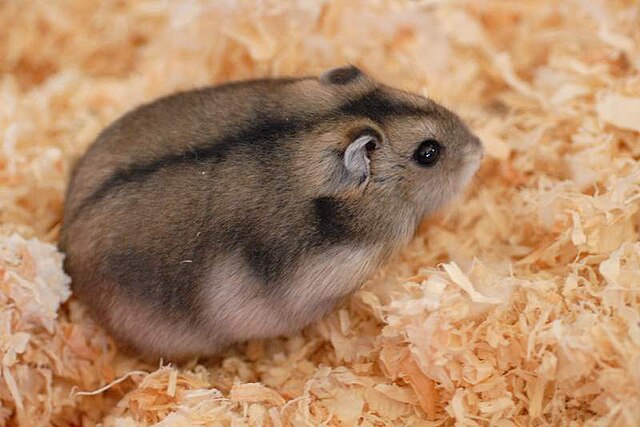
1. Dwarf Hamster (Djungarian Hamster)
Difficulty: ★☆☆☆☆ / Price: ¥1,000–¥3,000 / Body Length: 7–12 cm / Lifespan: 2–3 years
Pros: An excellent starter species. Small, space-efficient, and relatively easy to care for. Comes in many color varieties.
Cons: Nocturnal and sleeps during the day. Some individuals have a biting habit. Short lifespan.
Keeping Tips: Choose a quiet-running exercise wheel. Use plenty of bedding. Solo housing is best.
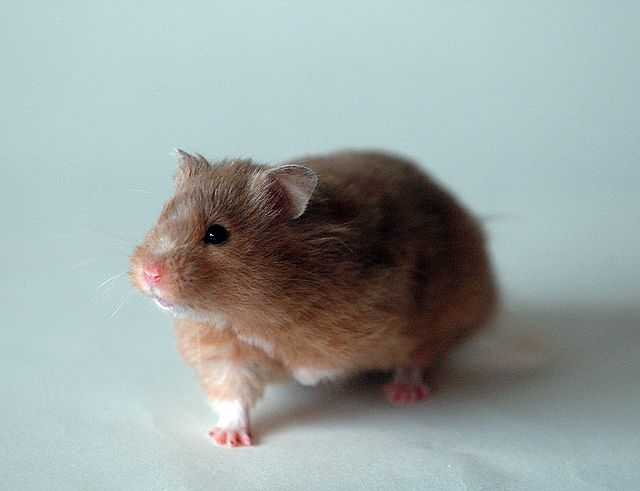
2. Syrian Hamster (Golden Hamster)
Difficulty: ★☆☆☆☆ / Price: ¥1,000–¥3,000 / Body Length: 15–18 cm / Lifespan: 2–3 years
Pros: Larger than Dwarf Hamsters and often more tame. Easier to handle.
Cons: Requires a larger cage than Dwarf Hamsters. Must be housed alone due to aggressive fighting with others of the same species.
Keeping Tips: Provide a cage of at least 45 cm. A nest box and exercise wheel are essential.
✍️
BreederDirect Editorial
The BreederDirect editorial team specializes in care information for animals, covering veterinary care and breeding to deliver beginner-friendly guides.
Find Small Animals on BreederDirect
Buy directly from verified breeders
Browse Related Listings
Find Small Animals listings related to this article on BreederDirect. Buy directly from verified breeders.
Related Tools
Related Articles
Browse by Category
🪸Coral
🐠Marine Fish
🐟Tropical Fish
🐡Goldfish
🐟Medaka
🦎Reptiles
Share
3. Netherland Dwarf Rabbit
Difficulty: ★★☆☆☆ / Price: ¥30,000–¥60,000 / Body Length: 25–30 cm / Lifespan: 7–10 years
Pros: Small with an adorable round face. Can be litter-trained. Fun to let roam around the room.
Cons: Requires nail trimming and brushing. Monthly hay costs. Fragile bones.
Keeping Tips: Use timothy hay as the main diet. Pellets should be about 1.5% of body weight. Provide daily room time for exercise.
4. Hedgehog (African Pygmy Hedgehog)
Difficulty: ★★☆☆☆ / Price: ¥15,000–¥30,000 / Body Length: 15–20 cm / Lifespan: 4–6 years
Pros: Adorable when curled up. Easy to keep even as a solo person. Barely makes any sound.
Cons: The spines require careful handling technique. Temperature control (25–28°C) is essential. Nocturnal.
Keeping Tips: Keep warm with a heat pad. Use hedgehog-specific food as the main diet. Provide an exercise wheel to prevent obesity.
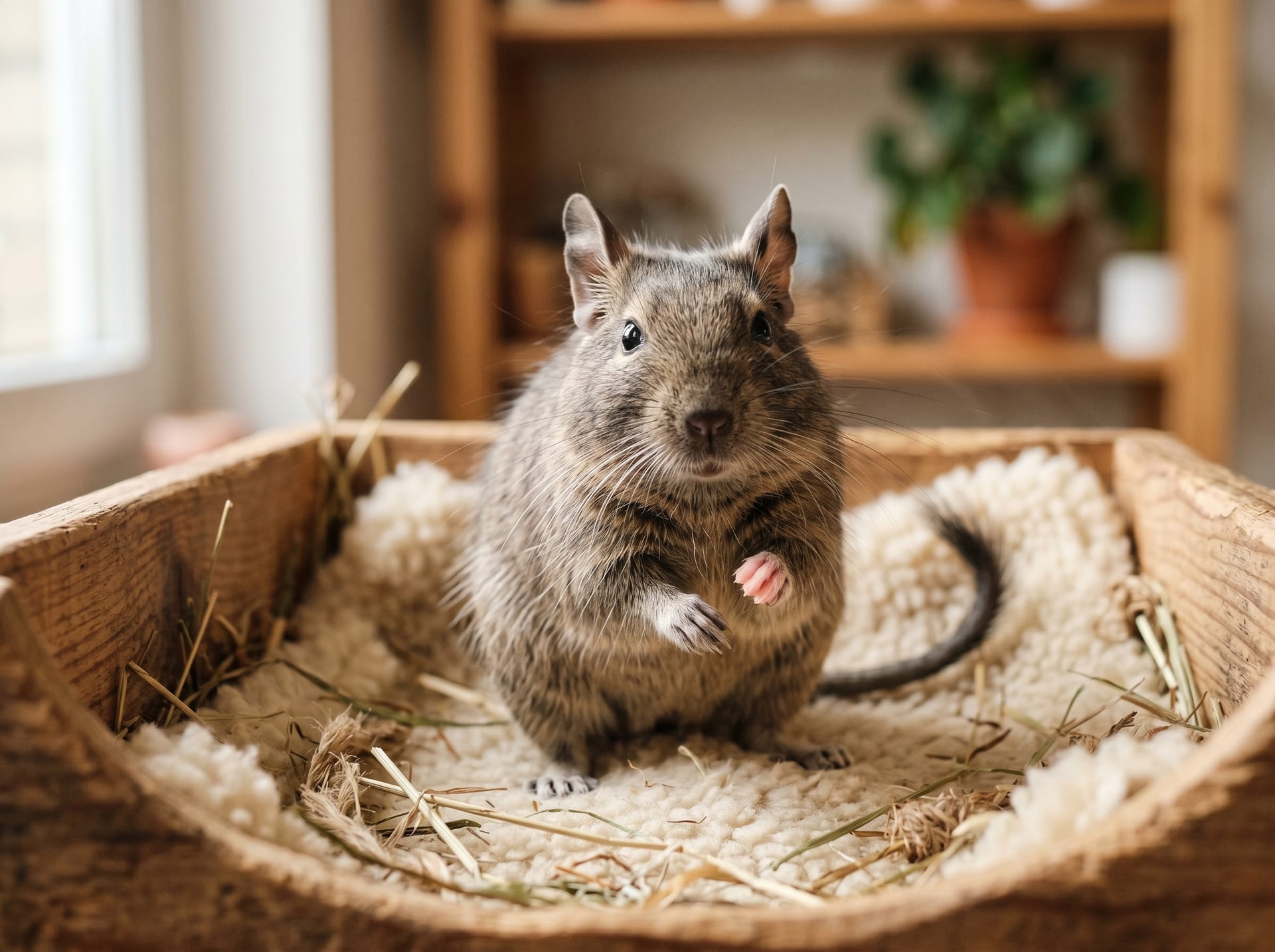
5. Degu
Difficulty: ★★☆☆☆ / Price: ¥5,000–¥15,000 / Body Length: 12–15 cm / Lifespan: 5–8 years
Pros: Diurnal, so fits well with human schedules. Highly social and bonds well with owners. Highly intelligent.
Cons: Moderately loud vocalizations. Requires dust baths. Prone to diabetes.
Keeping Tips: Always provide dust bath sand. Strictly avoid sugary foods (diabetes risk). Pair housing is ideal.
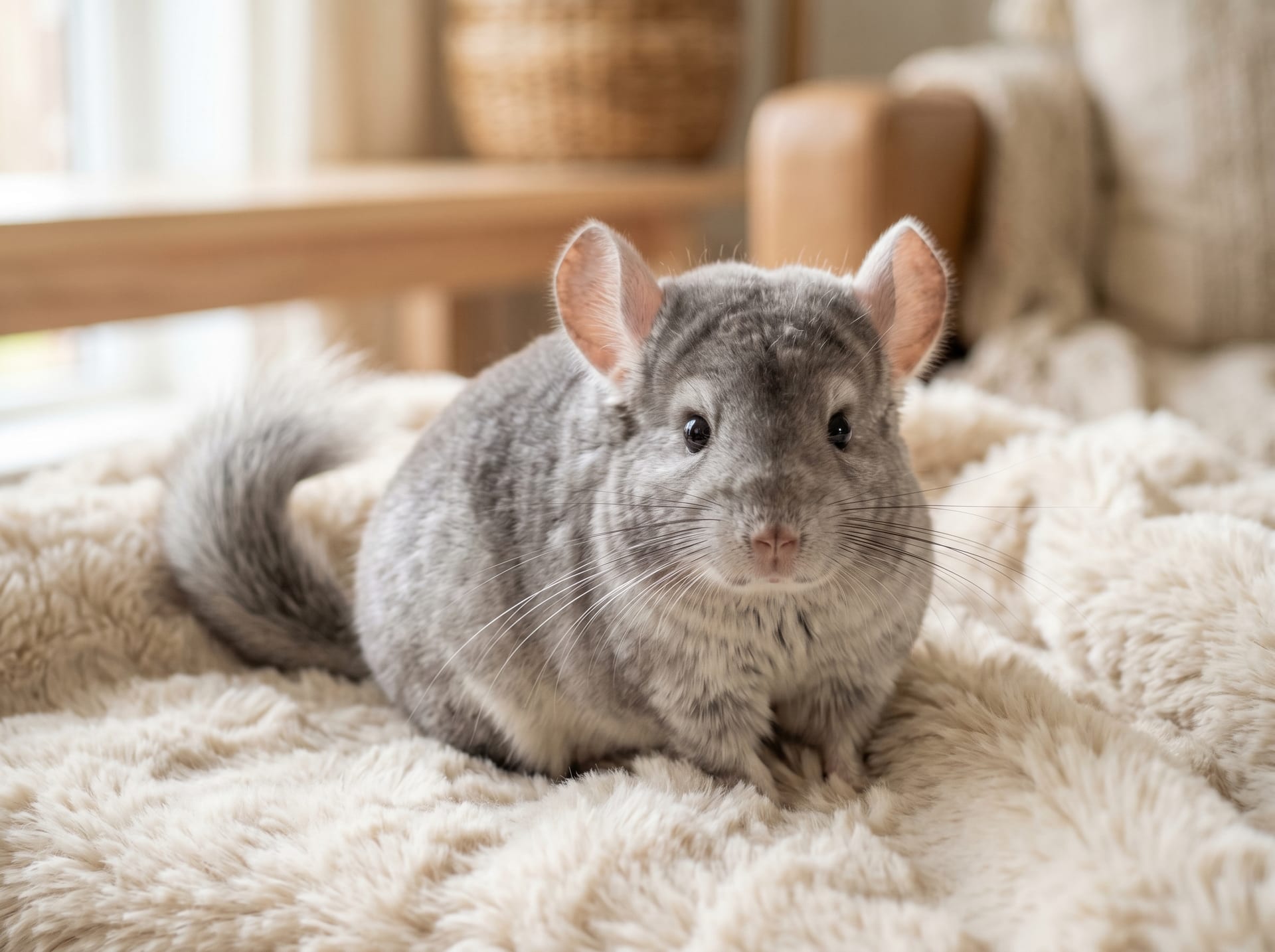
6. Chinchilla
Difficulty: ★★★☆☆ / Price: ¥30,000–¥80,000 / Body Length: 25–35 cm / Lifespan: 10–20 years
Pros: Incredibly soft, ultra-dense fur is the main attraction. Long lifespan allows for a lasting relationship. Often very tame.
Cons: Very sensitive to heat (below 25°C recommended). Air conditioning essential. Dust from sand baths can be messy.
Keeping Tips: Run air conditioning 24/7 in summer. Provide daily dust baths with chinchilla-specific sand. Set up shelves in a tall cage.
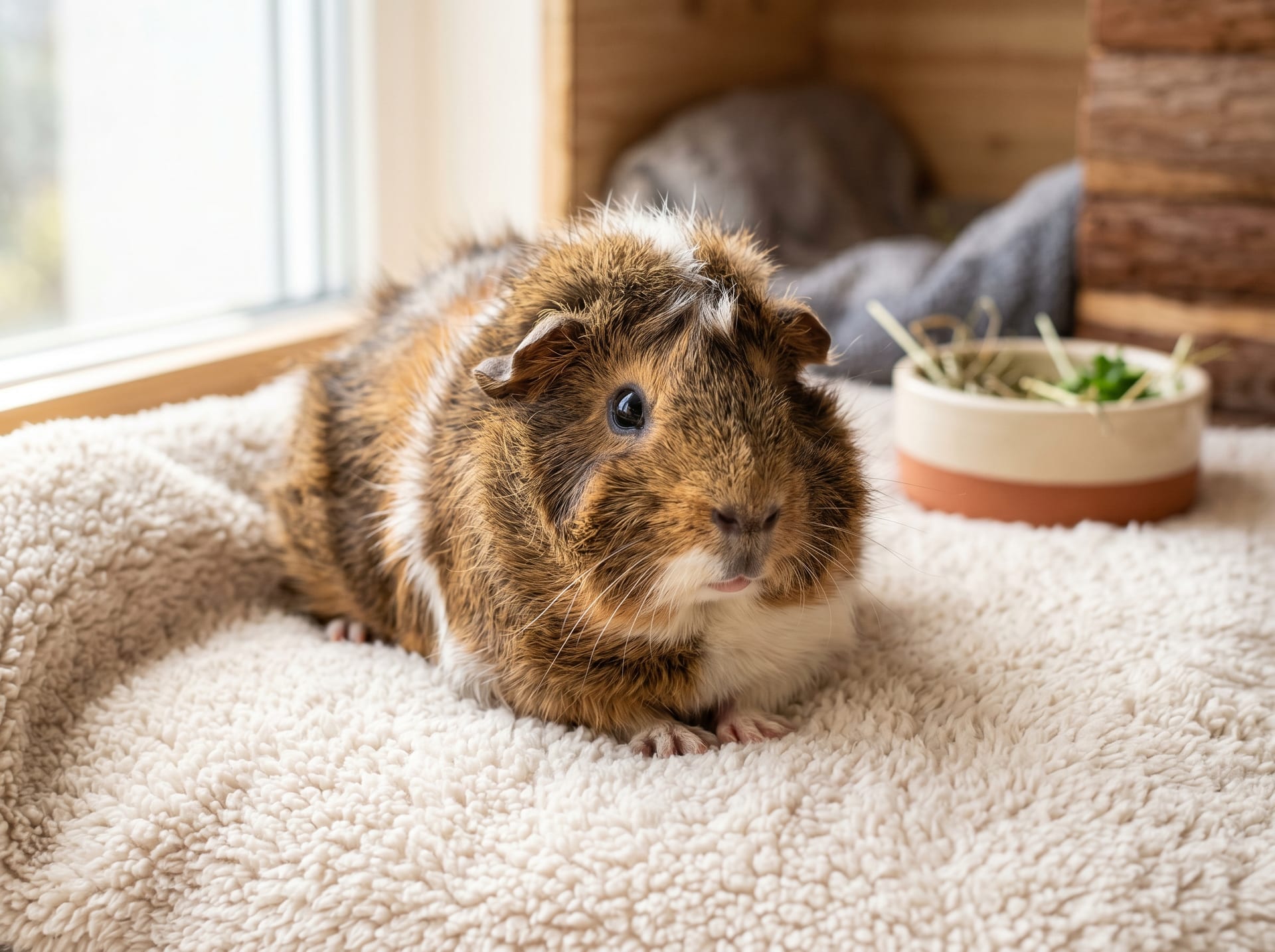
7. Guinea Pig
Difficulty: ★★☆☆☆ / Price: ¥3,000–¥10,000 / Body Length: 20–30 cm / Lifespan: 5–8 years
Pros: Gentle and rarely bites. Their cute "wheep wheep" vocalizations. Happy to sit on your lap.
Cons: Cannot synthesize vitamin C, so it must be supplied through diet. High waste output.
Keeping Tips: Provide vitamin C-rich vegetables daily (bell peppers, broccoli). Use timothy hay as the main diet.
8. Ferret
Difficulty: ★★★☆☆ / Price: ¥30,000–¥80,000 / Body Length: 35–50 cm / Lifespan: 6–10 years
Pros: Dog-like affection and playfulness. Can be litter-trained. Curious and loves to explore everywhere with their slender bodies.
Cons: Distinctive odor (even after scent gland removal, body odor remains). Prone to adrenal disease.
Keeping Tips: Provide 1–2 hours of free play daily. Use ferret-specific food as the main diet. Don't skip regular veterinary checkups.
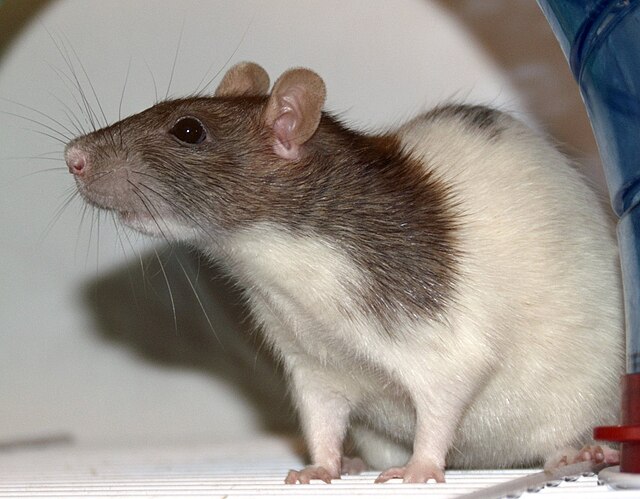
9. Fancy Rat
Difficulty: ★★☆☆☆ / Price: ¥1,000–¥5,000 / Body Length: 20–25 cm / Lifespan: 2–3 years
Pros: Highly intelligent—can learn their name and tricks. Bond strongly with owners. Very social.
Cons: Short lifespan. Social prejudice against "rats." Prone to tumors.
Keeping Tips: Keep at least two of the same sex. Daily interaction is essential.
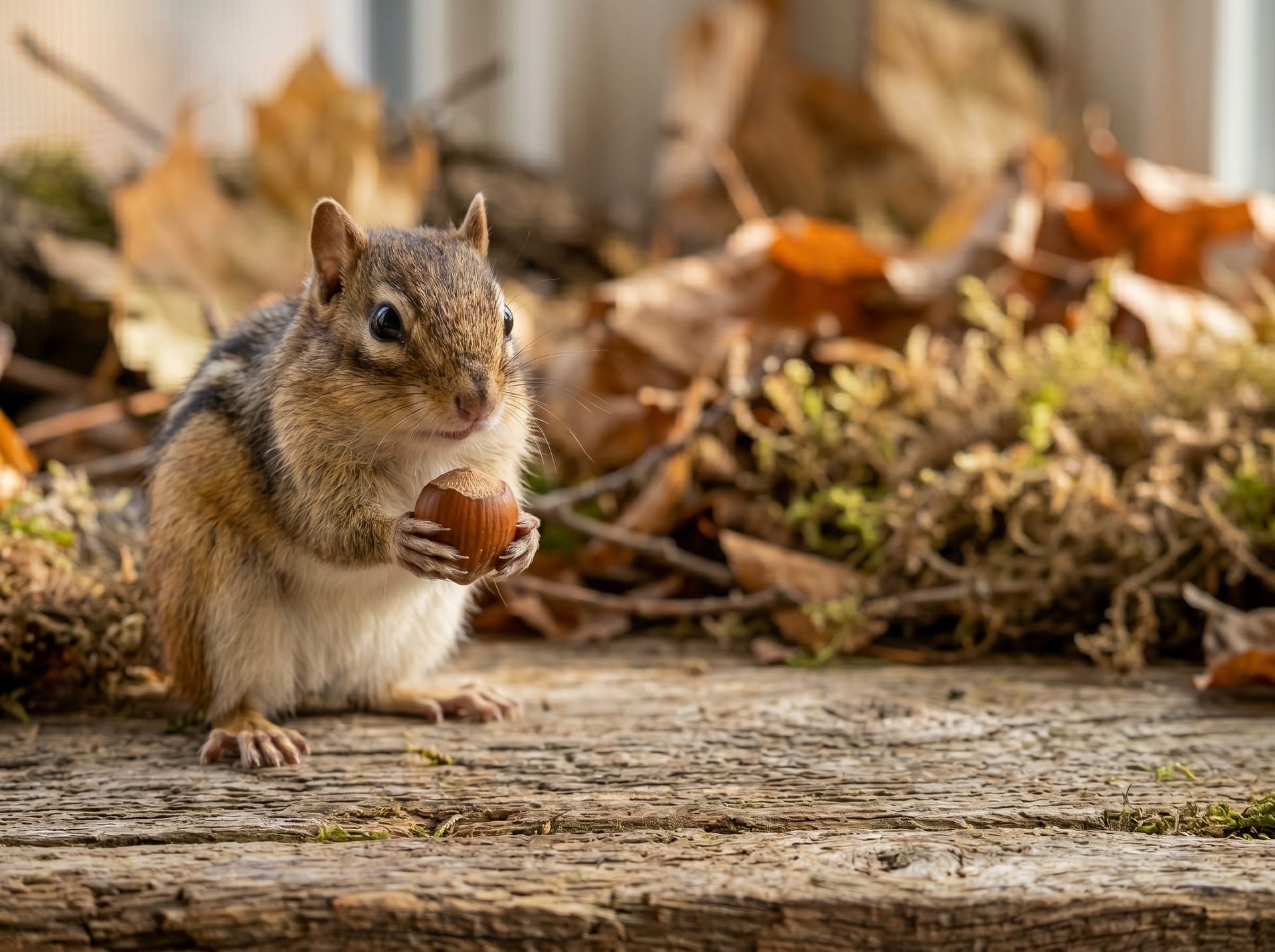
10. Striped Squirrel (Siberian Chipmunk)
Difficulty: ★★★☆☆ / Price: ¥8,000–¥20,000 / Body Length: 12–15 cm / Lifespan: 6–10 years
Pros: Adorable when stuffing food in cheek pouches. Diurnal and easy to observe. Will eat from your hand.
Cons: Becomes aggressive in autumn/winter ("tiger period"). Expert escape artist.
Keeping Tips: Avoid handling during tiger period. Choose an escape-proof cage.
11. Roborovski Dwarf Hamster
Difficulty: ★★☆☆☆ / Price: ¥1,000–¥3,000 / Body Length: 5–7 cm / Lifespan: 2–3 years
Pros: The smallest hamster species. Cute eyebrow-like markings. Entertaining quick movements. Can be housed with others of the same species.
Cons: Shy and difficult to handle. Tends to be observation-only pets.
Keeping Tips: Best enjoyed as observation pets. Provide a spacious cage with a sand bath area.
12. Gerbil (Jerbil)
Difficulty: ★★☆☆☆ / Price: ¥2,000–¥5,000 / Body Length: 10–12 cm / Lifespan: 3–5 years
Pros: Very little odor. Diurnal. Adorable sand baths. Can be kept in pairs or same-sex groups.
Cons: Strong chewing power. Plastic cages are easily destroyed.
Keeping Tips: Glass tank housing is safest. Use deep bedding to allow tunneling and burrowing.
13. Sugar Glider
Difficulty: ★★★☆☆ / Price: ¥20,000–¥50,000 / Body Length: 15–20 cm / Lifespan: 10–15 years
Pros: Gliding with their membrane wings is mesmerizing. Can be carried in a pouch. Bond strongly with owners.
Cons: Nocturnal and may vocalize at night. Somewhat odorous. Temperature control required (25–28°C).
Keeping Tips: Provide a tall, spacious cage. Use bonding pouches to strengthen bonds. Balance fruit, insects, and specialized diet.
14. Mini Rabbit
Difficulty: ★★☆☆☆ / Price: ¥5,000–¥20,000 / Body Length: 25–40 cm / Lifespan: 5–10 years
Pros: More affordable than Netherland Dwarfs. Hybrid vigor makes them robust. Individual temperaments vary, but most are gentle.
Cons: Despite the "mini" label, they can grow larger than expected (2–3 kg).
Keeping Tips: Care is similar to Netherland Dwarfs. Use timothy hay as the main diet.
15. Leopard Tortoise (Pancake Tortoise)
Difficulty: ★★★☆☆ / Price: ¥15,000–¥30,000 / Body Length: Approx. 15 cm / Lifespan: 20–30 years
Pros: Uniquely flat shell. Small enough for indoor housing. Long lifespan allows for lasting companionship.
Cons: UVB lighting is essential. Veterinary care options are limited.
Keeping Tips: Install both UVB and basking lights. Provide a vegetable-based diet. Offer warm baths for hydration.
Beginner Setup Guide (Hamster Example)
Item
Budget
Notes
Cage
¥3,000–¥8,000
45 cm or larger recommended
Exercise Wheel
¥1,000–¥3,000
Quiet type
Nest Box
¥500–¥1,500
Bedding
¥500–¥1,000/month
Wood shavings or paper material
Water Bottle
¥500–¥1,000
Food
¥500–¥1,000/month
Total
Approx. ¥6,000–¥15,500
Frequently Asked Questions (FAQ)
Q. Which small animals can be kept in apartments?
A. Hamsters, hedgehogs, and fancy rats make little to no noise and are suitable for shared housing. Rabbits are also relatively quiet.
Q. Which small animals are best for families with children?
A. Guinea pigs are the top recommendation. They're gentle, rarely bite, and are easy for children to interact with.
Q. Can I keep a small animal as a single person?
A. Hamsters, hedgehogs, and degus are suitable for single living. Arrange care arrangements in advance before traveling.
Q. Which small animals have the least odor?
A. Gerbils (jerbils) have the least odor. Rabbits also have minimal odor with proper management.
At BreederDirect, you can purchase small animals directly from expert breeders who raise them with care. You can consult with them before bringing your pet home, so choosing your first animal is stress-free. Find your favorite small animal and start an enjoyable pet life at a comfortable pace.
![[2026 Guide] 15 Small Animals Recommended for Beginners | How to Choose & Tips for Keeping Them](https://img.br-choku.com/column-images/small-animal-health-checklist/hero-1778567063391.jpg)