A Beginner's Guide to Choosing Your First Pet | Recommended Animals and Breeds by Lifestyle
A guide to choosing pets that fit your lifestyle for first-time pet owners. This article introduces recommended pets and selection checkpoints by life pattern: single living, dual-income households, child-raising families, and seniors.
Key Takeaways
A guide to choosing pets that fit your lifestyle for first-time pet owners. This article introduces recommended pets and selection checkpoints by life pattern: single living, dual-income households, child-raising families, and seniors.
Related Species




Before You Start Living with a Pet
Deciding to get a pet is a wonderful choice that enriches your life, but it also comes with 10 to 20 years of responsibility. Starting to keep a pet only because "it's cute" or "it's trending" can lead to unhappy outcomes for both owner and pet.
The most important thing in choosing a pet is selecting an animal that fits your lifestyle. Consider the time required for daily care, housing conditions, financial burden, family composition, and even what your life will be like 10 years from now, then find the ideal companion. This article provides detailed explanations ranging from specific recommended breeds by lifestyle to the reality of costs and how to choose a source for acquisition.
Recommended Pets and Breeds by Lifestyle
Single Living with Full-Time Employment
For those who are away from home 8 to 10 hours or more during the day, it is important to choose pets with high independence and good separation abilities.
Recommended:
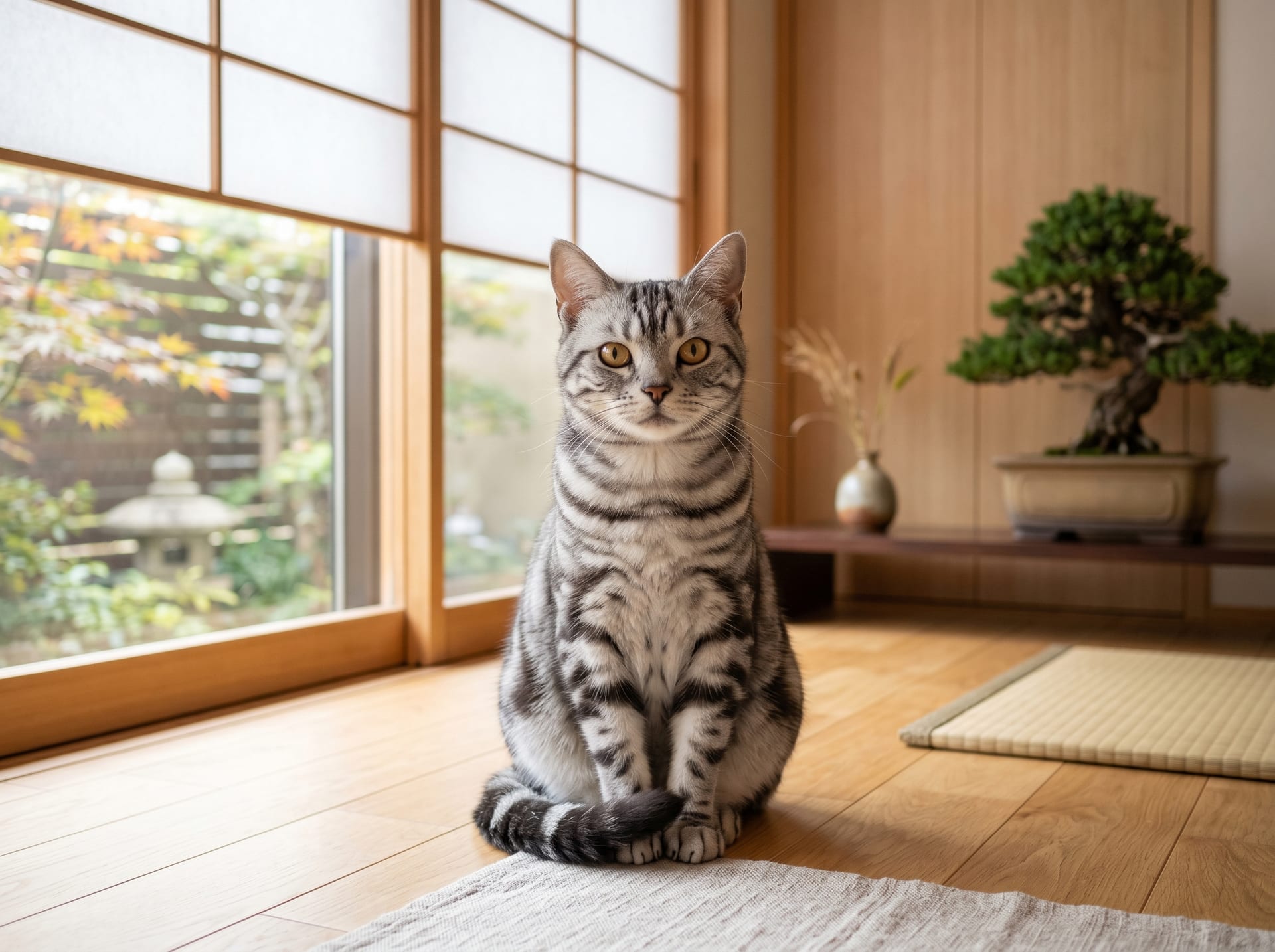
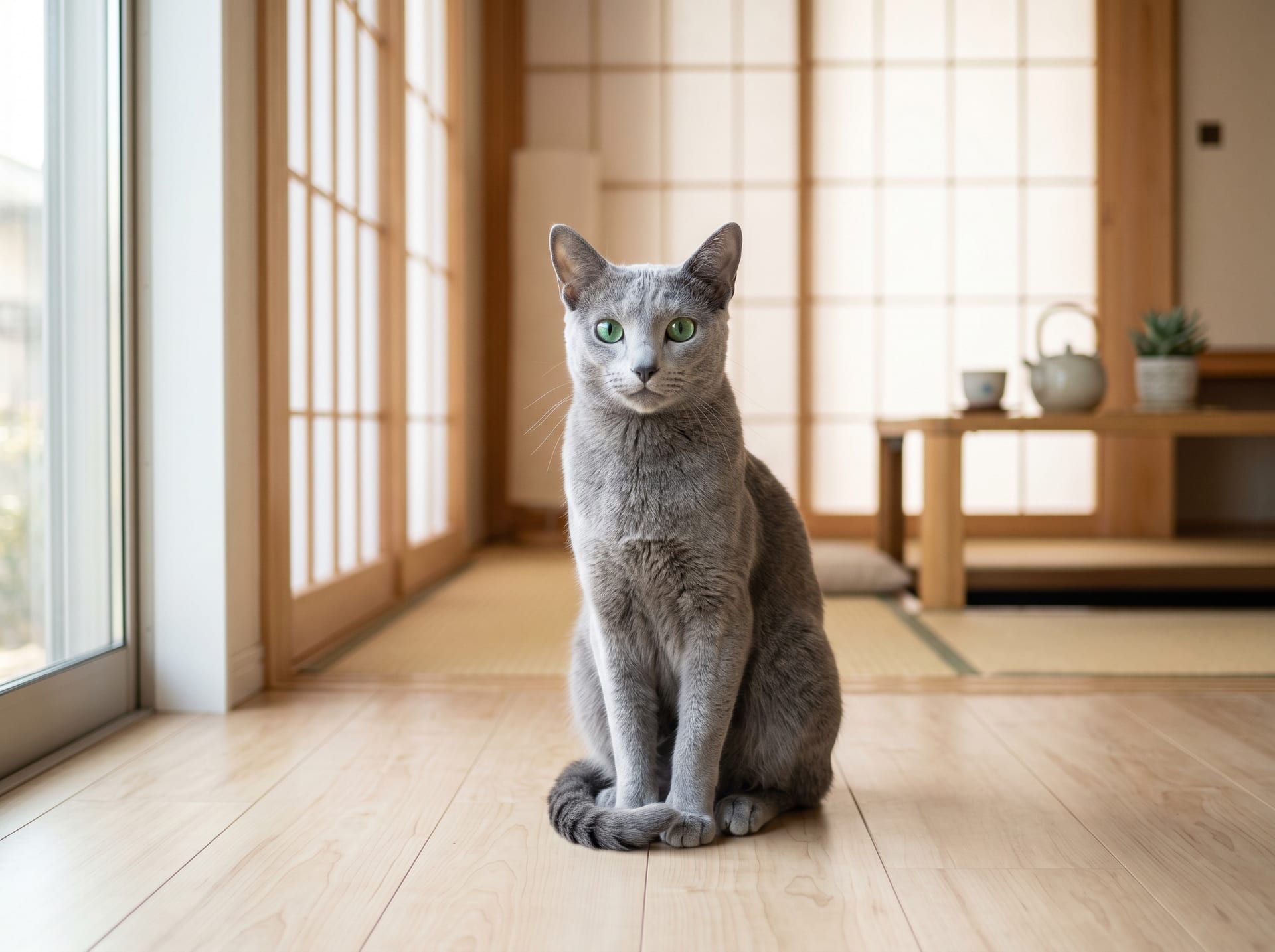
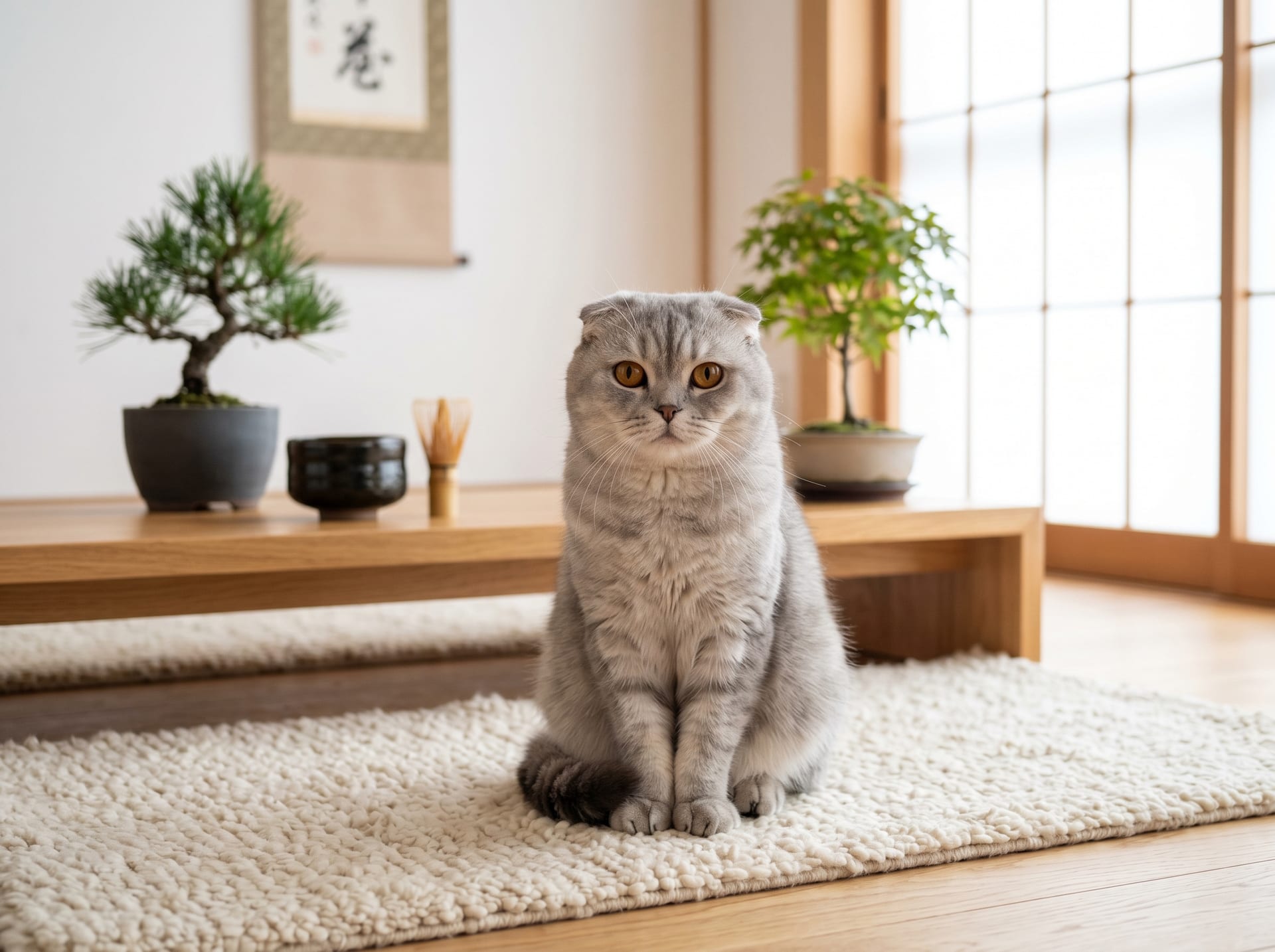
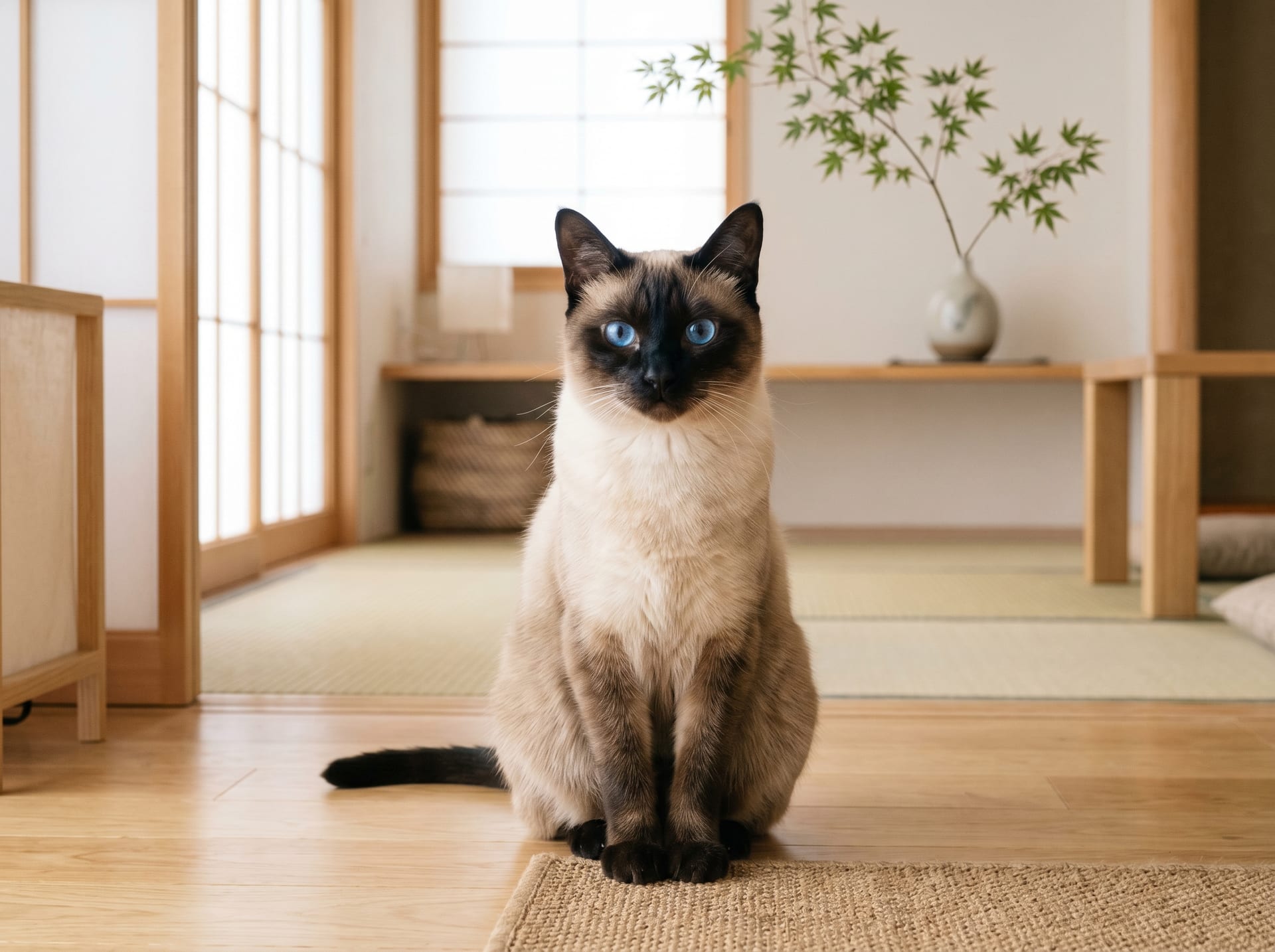
- Cats (American Shorthair, Scottish Fold, etc.): Independent-minded and relatively good at being alone. However, note that clingy breeds such as Russian Blue and Siamese are prone to loneliness.
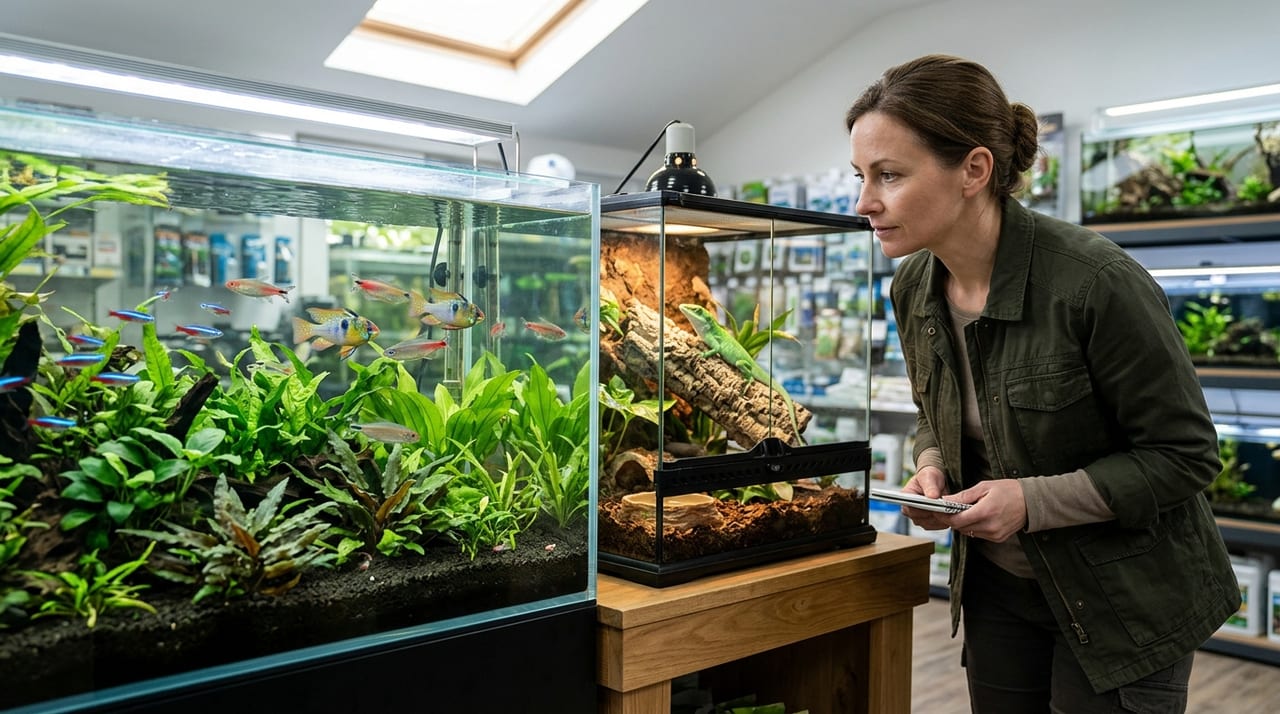
- Tropical Fish (Bettas, Tetras): Can be maintained with morning and evening feeding and timer-controlled lighting. Even with just one 60cm aquarium, you can enjoy a full-scale aquascape. Bettas are kept solo as a rule, making management simple.
- Reptiles (Leopard Geckos): Nocturnal, so they rest during the day; feeding only once every 2 to 3 days. With proper temperature and humidity control, their hardiness allows them to tolerate extended trips away.
To Avoid: Active dog breeds such as puppies and Shiba Inu. Extended periods of solitude lead to stress-induced behavioral problems (excessive barking, destructive behavior).
Dual-Income Couples
By incorporating a pet into both of your daily routines, you can balance shared care responsibilities with bonding.
Recommended:
- Dogs (Miniature Schnauzer, French Bulldog): Morning and evening walks can be shared in alternation. Interaction after returning home also enhances communication between partners.
- Cats: The most balanced pet to own while both working. When adopting two, they play with each other while you're away, reducing stress.
- Planted Aquariums (Nature Aquariums): A hobby you can enjoy together. Creating time to trim plants and select aquatic life together.
Child-Raising Families
The most important factors are the child's age, compatibility with the pet, and safety considerations.
Households with School-Age Children and Older:
- Dogs (Golden Retriever, Beagle): Ideal for children's emotional education. They naturally learn responsibility and respect for life. Golden Retrievers are gentle and highly patient with children.
- Goldfish and Killifish: Beginner pets for learning the value of life. Killifish can be kept in outdoor biotopes, making them a gateway to nature observation.
Caution for Households with Infants:
- Never leave young children and pets alone together (to prevent bites and scratches).
- Small animals like hamsters risk being squeezed by children, which can lead to fractures or fatal accidents.
- Reptiles carry a Salmonella risk, so thorough handwashing after handling is essential.
Seniors and Elderly
Pets reduce loneliness in seniors and help establish a regular daily routine. However, it is essential to arrange in advance who will care for the pet if you become unable to do so.
Recommended:
- Cats (Adult Cats from Shelters): No walks required and low physical burden, allowing for a peaceful lifestyle. Adult cats aged 5 and over have stable personalities and adapt well to quiet living.
- Adult Small Dogs (Adopting Senior Dogs): They don't require intense exercise like puppies, and many are satisfied with short walks.
- Budgerigars and Japanese White Eyes: Singing and interaction are enjoyable, and they are said to have positive effects on brain activation. Hand-tamed individuals also offer direct tactile interaction.
Pet Selection Checklist
Before getting a pet, check the following items.
Housing Environment:
- If renting, confirm pet ownership is allowed ("pet-friendly consultation" and "pet-friendly" may differ).
- For dogs, check if there are nearby walking routes or parks.
- Space for aquarium placement and floor load capacity (a 60cm aquarium with water weighs approximately 80kg).
Time and Setup:
- Time available for daily care (feeding, cleaning, interaction).
- Arranging pet sitters or boarding for trips and visits home.
- Whether you have family or acquaintances who can help with unexpected situations like extended hospitalization or job transfers.
The Reality of Costs:
| Pet | Initial Cost | Monthly Maintenance | Annual Veterinary (Estimate) |
|---|---|---|---|
| Dog (Medium) | ¥150,000–400,000 | ¥10,000–30,000 | ¥30,000–100,000 |
| Cat | ¥50,000–200,000 | ¥5,000–15,000 | ¥20,000–50,000 |
| Tropical Fish (60cm Aquarium) | ¥30,000–80,000 | ¥3,000–5,000 | Minimal |
| Reptile (Leopard Gecko) | ¥30,000–80,000 | ¥2,000–5,000 | ¥5,000–20,000 |
| Budgerigar | ¥10,000–30,000 | ¥2,000–3,000 | ¥5,000–20,000 |
Veterinary costs for dogs and cats especially increase significantly as they age. Consider pet insurance early.
Five Points for Identifying Healthy Individuals
Regardless of which animal you choose, the health of the individual you first bring home becomes the foundation of a long pet-keeping life.
- Eyes, Nose, Ears: Check that there is no excessive discharge or nasal mucus. Are there no dark deposits in the ears (sign of ear mites)?
- Coat and Skin: Is the coat lustrous with minimal hair loss and dandruff? Is the skin free of redness and rashes?
- Movement and Posture: Does it move on its own without dragging its feet? Is it not hunched or trembling?
- Appetite and Excretion: Does it have a good appetite? Are stools neither too hard nor too soft?
- Breeder/Seller Information Disclosure: Can you verify the health check results of the parents, vaccination history, and whether pedigree documentation is available?
With direct breeder sales, the greatest advantage is being able to confirm such information directly with the breeder.
How to Choose a Source and Important Cautions
There are four main sources for acquiring pets.
- Direct Breeder Sales: You can inquire in detail about pedigree, health status, and rearing history. Excellent after-sales support often allows you to consult about pet care questions even after purchase.
- Pet Shops: Easy to see and compare individuals in person. However, the individual's background (such as parent health status) may sometimes be unclear.
- Shelters and Rescue Adoption: A social contribution that helps reduce euthanasia. Adult dogs and cats already have stable personalities, making it easier to judge whether you can live with that individual.
- Specialized Events and Expos: Opportunities to purchase directly from breeders and specialists. Easier to meet rare species and specific breeds.
When choosing your first pet, it is important to avoid impulsive purchases and make decisions based on thorough information gathering and self-reflection. With the perspective of "still living together 10 years from now," make choices that account for a long life with your pet.