Buyer's Guide to Rare Species and Specialty Varieties | How to Purchase, Price Comparisons, and Identifying Counterfeits
A guide to purchasing rare pets and plants, covering acquisition methods through events, direct sales, and SNS, standards for determining fair prices, how to identify counterfeits and mislabeling, and CITES regulations and legal considerations.
Key Takeaways
A guide to purchasing rare pets and plants, covering acquisition methods through events, direct sales, and SNS, standards for determining fair prices, how to identify counterfeits and mislabeling, and CITES regulations and legal considerations.
Related Species
The Appeal and Risks of Rare Species
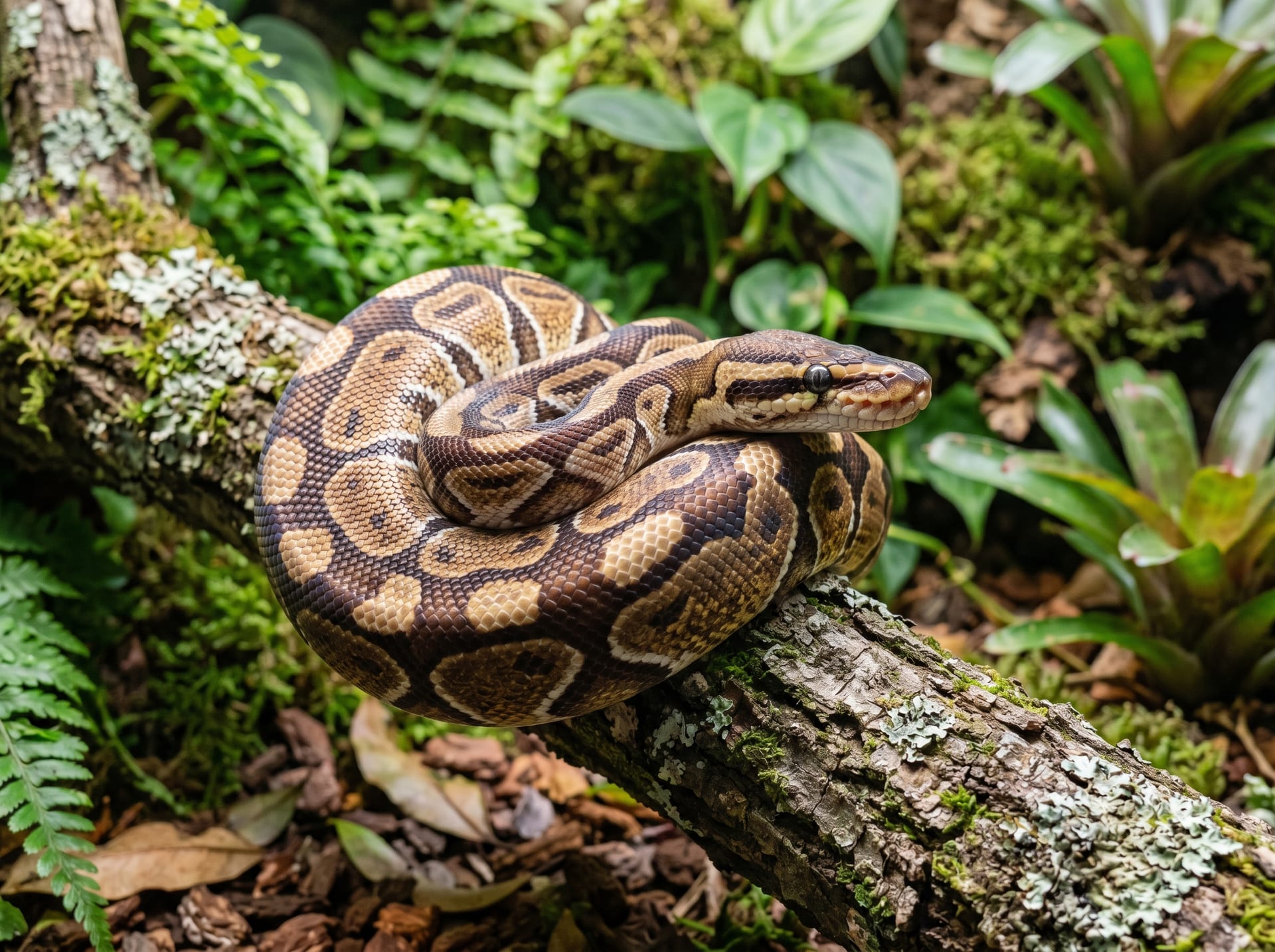
As interest in pets and plants deepens, many hobbyists find themselves drawn to rare species and specialty varieties rather than common selections. Whether it's reptiles with rare color morphs, wild-type orchids sourced from their native habitats, or selectively bred Agave cultivars, the desire to collect unusual specimens becomes a powerful motivation.
However, rare species transactions carry risks not present in ordinary purchases. High prices make these items particularly vulnerable to counterfeits and mislabeling, and many rare species fall under CITES regulations. Additionally, limited supply leads to unstable pricing and makes assessing fair market values difficult. Approaching rare species purchases with proper knowledge—rather than simply chasing the word "rare"—is the surest path to a safe and rewarding collection.
Primary Channels for Acquiring Rare Species
Specialty Shops
The safest acquisition route. Reputable specialty retailers understand the provenance of their animals, and guarantee their health status. While prices tend to be higher, you benefit from after-sales support and reliable assistance if issues arise. Specialty shops are especially recommended for beginners.
Events and Expos
Events such as Buri-Kura and Reptiles Fever for reptiles, succulent plant fairs, and orchid exhibitions are highly regarded as venues for encountering rare specimens. Speaking directly with breeders allows you to verify the animal's condition, feeding history, and genetic information from the parents in detail.
Tips for making the most of events:
- Head straight to your target booths when doors open (popular specimens can sell out within 15 minutes)
- Check breeders' SNS announcements beforehand for listings
- Bring cash in larger amounts (many vendors don't accept cards)
- Plan appropriate transport containers for taking your purchase home
Online and SNS Sales
Instagram, X (formerly Twitter), and specialized forums enable individual transactions that transcend geographic boundaries, connecting you with excellent breeders across the country and around the world. However, always be aware of these risks:
- Photos may not match the actual specimen (lighting and editing can distort colors)
- Shipping problems (mortality during transit, transport stress, temperature control failures)
- Scams where communication ceases after payment is received
- Proceed cautiously with sellers who have minimal transaction history or reviews
Before making a purchase, verify the seller's transaction history and multiple reviews, and request video confirmation of the specimen if possible.
BreederDirect Sales Platforms
In recent years, more direct sales services specializing in live animals have emerged, creating safer frameworks connecting breeders and buyers. These platforms reduce the anxieties of peer-to-peer trading while expanding your opportunities to find specimens unavailable at events or shops.
Market Prices and Assessing Fair Value
How to Understand Market Rates
Rare species prices fluctuate significantly based on supply and demand. These methods are effective for determining fair prices:
- Compare selling prices across multiple specialty shops and breeders
- Keep notes on actual sale prices at events to build a database
- Reference international prices on overseas sales platforms (MorphMarket, Etsy, etc.)
- Search SNS hashtags to investigate past transaction prices
"Suspiciously Low Prices" Are Warning Signs
Prices that fall significantly below market rates always have a reason:
- The specimen has health problems (anorexia, infection, congenital defects)
- The morph or variety label is deliberately or mistakenly mislabeled
- The item has questionable origins related to smuggling or illegal acquisition
- The posted photos show a different specimen than what you'll actually receive
Develop the habit of pausing when a deal seems too good to be true, and ask the seller directly why the price is so low.
Identifying Counterfeits and Mislabeling
Reptiles (Morph Fraud)
Morph misrepresentation in reptiles is the most common source of problems. Cases of ordinary leopard geckos and ball pythons being sold as rare designer morphs at inflated prices continue to occur.
Safeguards:
- Study the phenotype and genetic patterns of the desired morph through images before purchase
- Always verify information about the parents (genotype and photos)
- Understand that specimens marked "possible het" do not show the definite phenotype before purchasing
- Purchase from breeders with established track records of reliability
Plants (Variety Fraud and Seedling Mixing)
In plants like Agave titanota and Pachypodium, cases occur where common seedlings are sold as expensive specimens from famous origins or breeders.
Safeguards:
- Cross-reference variety characteristics (serration shape, leaf width, spine color, etc.) against multiple trusted images
- When buying vegetatively propagated plants (offsets, cutting cuttings), request photo proof of the parent plant
- Understand that seedlings show individual variation; be wary of seedlings priced significantly above market rates
- Review the seller's other transaction history and ratings
CITES Regulations and Buyer Responsibility
The Convention on International Trade in Endangered Species of Wild Fauna and Flora (CITES) regulates international trade in species facing extinction risk, creating legal obligations for purchasers as well.
Appendix Classifications
- Appendix I: International commercial trade is generally prohibited. Import requires permits from both exporting and importing countries
- Appendix II: Trade is permitted but requires an export permit from the exporting country. Many corals, reptiles, and orchids fall into this category
- Appendix III: Designated by specific countries to protect their own species
Points to Verify Before Purchase
- Imported specimens must have valid CITES permits (import documentation and customs certificates)
- Even when purchasing from domestic breeders, verify that the original parent animals were legally imported
- For corals and marine fish, check the regulatory status for each species beforehand
- When in doubt, consult with the Ministry of the Environment or professional legal advisors
CITES violations carry criminal penalties even if you claim ignorance. Careless purchases support smuggling routes.
Identifying Trustworthy Sellers
Ultimately, the best strategy for minimizing risk in rare species purchases comes down to selecting trustworthy sellers.
- They have extensive transaction history with multiple high-rating reviews
- They actively disclose the provenance, health status, and living conditions of their animals
- They answer questions honestly and in detail
- Their return and refund policies for troubleshooting are clearly stated
- They maintain continuous activity on SNS and events with a good reputation in the community
Collecting rare species is a deeply rewarding hobby that becomes increasingly enjoyable as knowledge and experience deepen. With proper risk management and legal compliance as your foundation, you can build an environment where you can enjoy this pursuit safely and sustainably.