Family Pet Buying Guide for Households with Children — Age-Appropriate Species and Safe Keeping Practices
A guide for families with children on choosing the right pet: age-appropriate species recommendations, safety rules, educational benefits, and allergy considerations.
Key Takeaways
A guide for families with children on choosing the right pet: age-appropriate species recommendations, safety rules, educational benefits, and allergy considerations.
Related Species
A Guide to Pet Ownership for Families With Children | Age-Appropriate Species and Safe Ways to Start
"I want my child to have a pet"——many families consider raising animals as an opportunity for children to learn the importance of life and to develop a sense of responsibility.
However, purchasing a living animal for a family with children requires a different perspective than for adults alone. Child safety, animal safety, and whether the entire family can continue caring for the animal without undue burden——there are surprisingly many things to consider before making a purchase.
This guide will share expert insights on choosing species appropriate for your child's age, creating a safe living environment, and maximizing learning opportunities through animal care.
Five Things Families Should Discuss Before Purchasing
1. Who will ultimately bear responsibility for care?
It's quite common for families to bring home an animal "for the child's education," only to have the child lose interest and the parent end up doing all the caregiving tasks.
The fundamental premise is that children are "helpers" in animal care, and the final management responsibility must always rest with adults. Especially for children in early elementary school or younger, it's unrealistic to expect them to consistently handle daily feeding, water changes, and cleaning on their own.
Before purchasing, it's reassuring to decide the following as a family:
- Who will handle daily feeding and water changes?
- Who will manage veterinary visits and emergencies?
- Where will the animal stay during family trips or extended absences?
- Is the parent prepared to take over if the child stops helping?
2. Animal lifespan and family future plans
Animals are not toys——depending on the species, they can live 10, 20, or even longer.
- Goldfish: 10-15 years with proper care
- Turtles: 30+ years
- Large parrots: 50-80 years
- Dogs: 10-15 years
- Cats: 15-20 years
- Small tropical fish: 3-5 years
- Reptiles (leopard geckos, etc.): 15-20 years
- Insects (beetles, etc.): Several months to 1 year as adults
When your child enters high school or college and leaves home, who will care for that animal? Consider the animal's lifespan alongside your family's life plans.
3. Estimating animal care costs
Beyond the purchase price, consider equipment, food, and medical expenses. Balance these against your child's education expenses and household budget.
Rough monthly cost estimates:
| Species | Monthly Cost (approx.) |
|---|---|
| Medaka/Goldfish | ¥500-2,000 |
| Tropical fish (small tank) | ¥1,000-3,000 |
| Hamster | ¥2,000-4,000 |
| Leopard gecko | ¥2,000-5,000 |
| Rabbit | ¥5,000-10,000 |
| Dog (small breed) | ¥10,000-20,000 |
| Cat | ¥8,000-15,000 |
Includes electricity costs (heaters, lighting, air conditioning). Medical expenses are additional.
4. Pre-purchase allergy screening
Animal allergies are common in children. We recommend these confirmations before purchasing:
- Visit animal cafes or breeders to have actual contact with the species
- Observe whether eye itching, sneezing, or skin rashes develop after contact
- Consider getting an allergy test (RAST test) if concerned
- Reptiles and fish pose lower allergy risks than mammals
Particularly with dogs and cats, cases do occur where allergies are discovered after bringing the animal home, forcing the family to give it up. Pre-purchase screening is important for the animal's sake as well.
5. Housing environment constraints
If you live in an apartment or rental, always confirm that animal keeping is permitted.
- Keeping pets in a no-pet property violates your lease
- Aquariums are heavy; check floor weight capacity (a 60cm tank weighs approximately 70-80kg)
- For escape-prone species (reptiles, insects), consider impact on neighbors
- Noise-making species (birds, dogs) present soundproofing challenges
Age-Appropriate Species and Interaction Methods
Preschool Children (Ages 3-6)
At this age, children lack fine motor control and may grip animals too tightly or drop them out of curiosity, creating danger.
Recommended:
- Ornamental fish (medaka, goldfish): No handling required; children enjoy watching and can help with feeding
- Beetles and stag beetles: Short care periods teach the "cycle of life." Winter brings natural passing, providing an experience with loss
Best avoided:
- Small mammals like hamsters (accidental crushing accidents do occur)
- Reptiles (Salmonella risk and stress from rough handling)
Parental role:
- Handle all care tasks yourself; let your child participate in "watching together" and "feeding together"
- Reinforce understanding of life through comments like, "This fish is alive too"
Early Elementary School (Ages 6-9)
Children can now follow instructions and perform simple tasks.
Recommended:
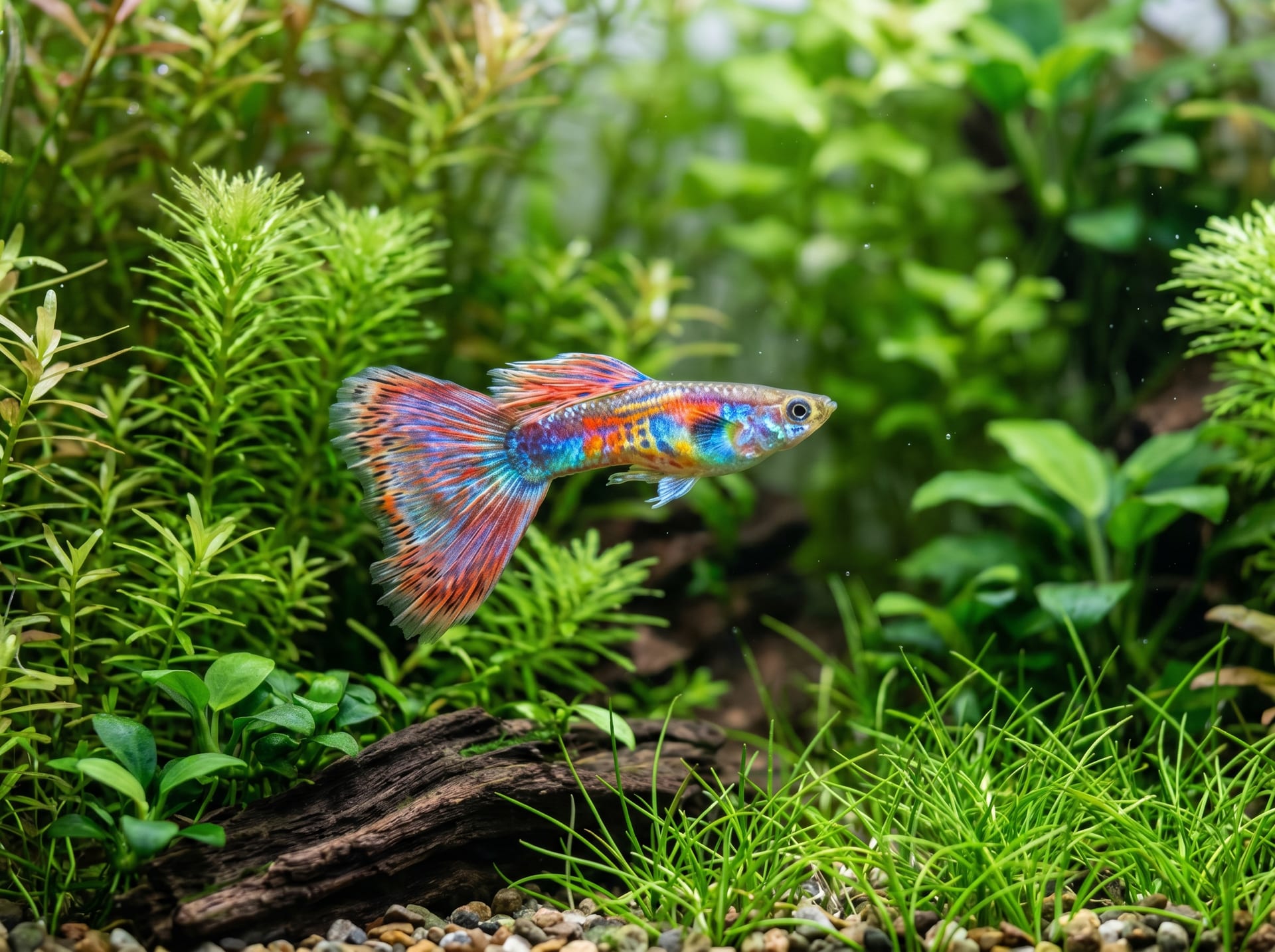
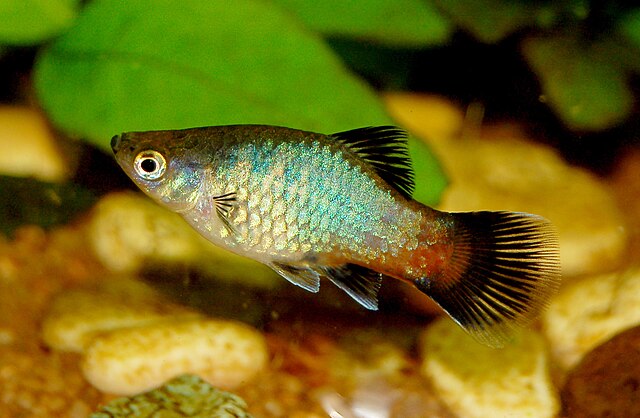
- Medaka and tropical fish (small, hardy species): Guppies and platies are relatively easy to maintain
- Beetles and stag beetles: Raising from larvae provides practice in long-term care
- Crayfish and hermit crabs: Sturdy, easy to handle, and interesting to observe
Parental role:
- Assign simple responsibilities like, "Morning feeding is your job"
- Lead water changes and cleaning; have your child assist
- Keeping observation journals significantly enhances learning outcomes
Late Elementary School (Ages 9-12)
Children develop a sense of responsibility and the ability to self-directed learning.
Recommended:
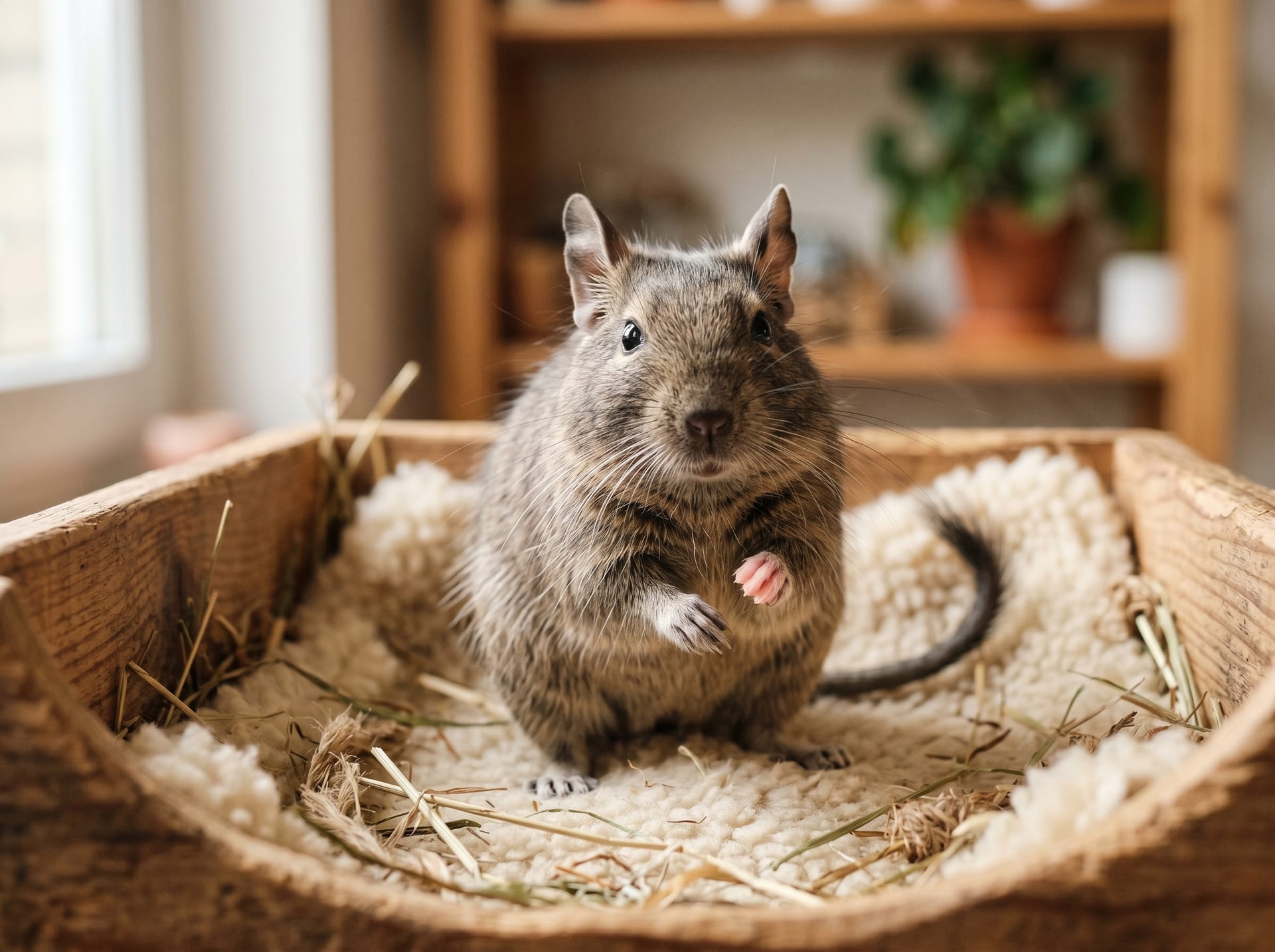
- Hamsters and degus: Children can manage cage cleaning and feeding themselves. Note nocturnal nature may conflict with sleep schedules
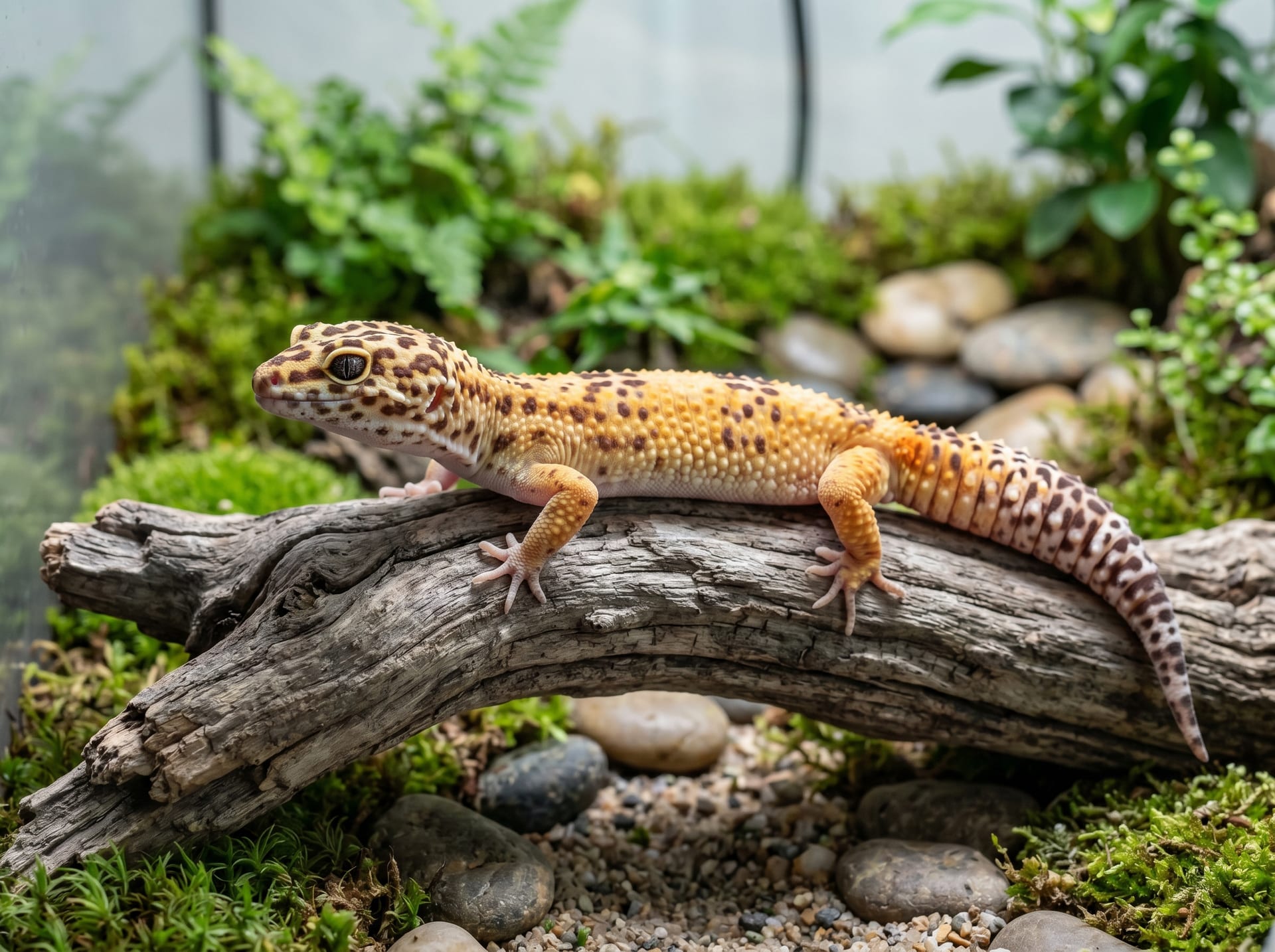
- Leopard geckos: Relatively easy care; ideal introduction to reptile keeping
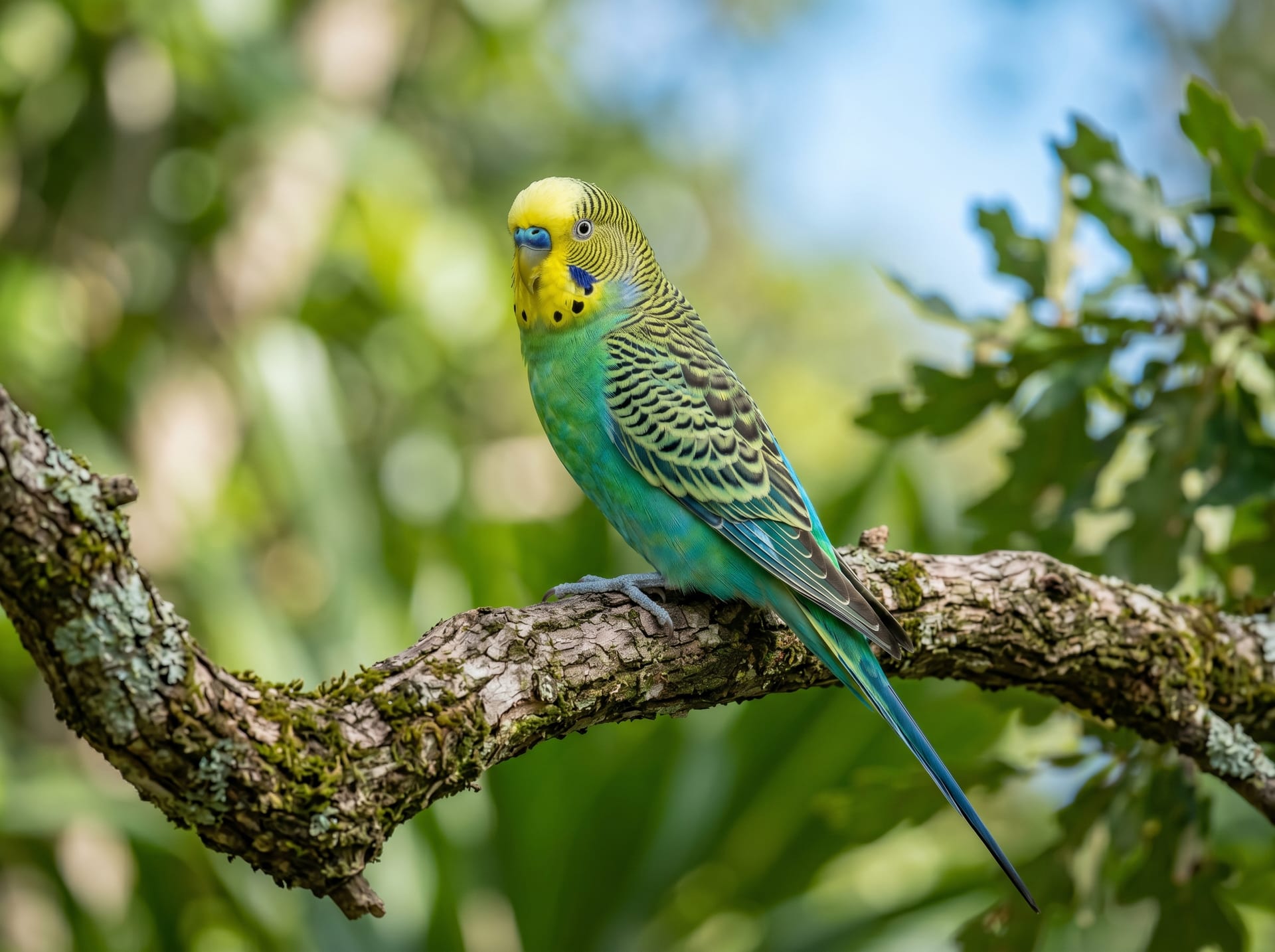
- Finches and parakeets: Interactive communication builds emotional attachment
Parental role:
- Let your child take the lead in caregiving while you provide support
- Check the living environment together monthly
- If you notice health changes, investigate causes together
Middle School and Above (Age 12+)
Children can gather information independently and assume responsibility for care.
Recommended:
- Possibilities expand based on the child's interests and home environment
- Planted aquariums: Develop aesthetic sense and ecological understanding simultaneously
- Soft coral aquariums (beginner species): Cultivate ambition to tackle challenging saltwater systems
- Reptiles generally: Some species allow deep exploration of advanced care techniques
Parental role:
- Have your child write a "care plan" before purchase (species choice reasoning, necessary equipment, monthly costs, emergency protocols)
- Clarify the scope of your financial support
- Parent retains final responsibility for medical decisions (veterinary care, treatment choices)
Rules to Protect Both Children and Animals
Rules to protect animals
Clearly communicate the following rules to your child and review them repeatedly:
- Always have an adult present when touching the animal (for younger children)
- Never tap or strike aquariums or enclosures——vibrations from tapping cause significant stress
- Don't feed the animal without permission——overfeeding causes illness and water quality problems
- Always close lids and doors securely——escape endangers the animal's life
- Don't show the animal to friends or let them touch it without permission——rough handling and accidental cage opening accidents occur
Precautions to protect children
- Always wash hands after touching reptiles or amphibians (Salmonella risk)
- Wash hands thoroughly after handling tank water
- For species that bite or scratch, teach age-appropriate handling
- Instruct children to report allergy symptoms immediately
- Position aquarium heaters and reptile heat lamps out of children's reach to prevent burns
Maximizing Educational Value Through Animal Care
Animal care is a "living textbook" for children. However, educational benefits don't happen automatically——they depend largely on your involvement.
Developing observation skills
By asking daily, "How does the fish look today?" children develop sensitivity to subtle changes. Color shifts, swimming patterns, appetite——daily observation forms the foundation of scientific thinking.
Building responsibility and empathy
Rather than scolding for neglected chores, explain from the animal's perspective: "If the water gets dirty, the fish suffers." This approach develops compassion for others.
Learning the finitude of life
Animals will eventually pass away. While difficult for children, this teaches them the valuable lesson that "life is finite, therefore each moment matters." Experience grief alongside your child rather than dismissing sadness. Say things like, "It's sad, isn't it——but I think (the animal) was happy with us."
Learning money management
For middle schoolers and older, having them pay part of care costs from pocket money teaches financial responsibility. Establishing rules like "you pay for feed" is one approach.
Choosing Where to Purchase——For Families With Children
Why breeder direct purchase is recommended
Direct purchase from a breeder is especially recommended for families with children.
- You receive detailed care guidance: You can ask specific questions like, "What should we watch out for with young children?"
- Breeders know individual animal personalities: You'll receive advice like, "This one is friendly with people, so it's fine with your children"
- You get ongoing support: You can consult if issues arise after bringing the animal home
What to tell a breeder before purchasing
- Family composition (always mention your children's ages)
- Prior animal care experience
- Housing type (apartment or house)
- The desired species and why
Breeders are professionals who can determine "which individual suits this family." By honestly sharing your family's age and environment, you'll receive recommendations for the best match.
Common Mistakes and How to Avoid Them
Mistake 1: Purchasing because "my child saw it on TV and wants it"
Impulse purchases usually fail. Implement a cooling-off period: "Research this in books and online for a month. If you still want it, we'll consider it."
Mistake 2: Taking home goldfish from a festival
Festival goldfish are under extreme stress and disease risk. If you do take one home, immediately prepare proper living conditions and treat with salt baths to restore health. Letting children experience helplessly watching an animal die within days due to inadequate setup causes deep distress.
Mistake 3: Each sibling wants a different species
Managing multiple species exponentially increases workload. Start with one species as a family, then discuss adding another after several months of success.
Mistake 4: "You promised to take care of it, but you're not"
As mentioned, adults must bear final management responsibility at the start. Never say, "If you don't care for it, we'll get rid of it." This doesn't just endanger the animal's life——it causes lasting emotional damage to your child.
Summary
For families with children, raising animals is a wonderful opportunity to develop appreciation for life, responsibility, observation skills, and compassion. However, this only happens with proper preparation and ongoing adult involvement.
Discuss thoroughly as a family before purchasing, and select an animal suited to your child's age and your family's circumstances——this is the foundation for happy relationships with both children and animals.
While honoring the desire to have a pet, calmly assess whether keeping one is actually feasible——this very process is your child's first lesson in responsibility toward living things.