【2026 Edition】10 Common Mistakes in Small Animal Care and Solutions | ブリちょく
Small Animals| ✍️ BreederDirect Editorial
【2026 Edition】10 Common Mistakes in Small Animal Care and Solutions
A comprehensive guide to 10 common mistakes beginners make when keeping small animals such as hamsters, rabbits, and guinea pigs—including inadequate cage size, poor temperature control, and improper diet. This article covers practical species-specific solutions and prevention methods.
Key Takeaways
A comprehensive guide to 10 common mistakes beginners make when keeping small animals such as hamsters, rabbits, and guinea pigs—including inadequate cage size, poor temperature control, and improper diet. This article covers practical species-specific solutions and prevention methods.
Related Species
Small animals like hamsters, rabbits, guinea pigs, and chinchillas are popular pets because they can be kept in compact spaces. However, starting with the assumption that "small means easy" can lead to unexpected mistakes that put your beloved pet at risk. This article explores 10 common mistakes beginners make in small animal care and how to prevent them.
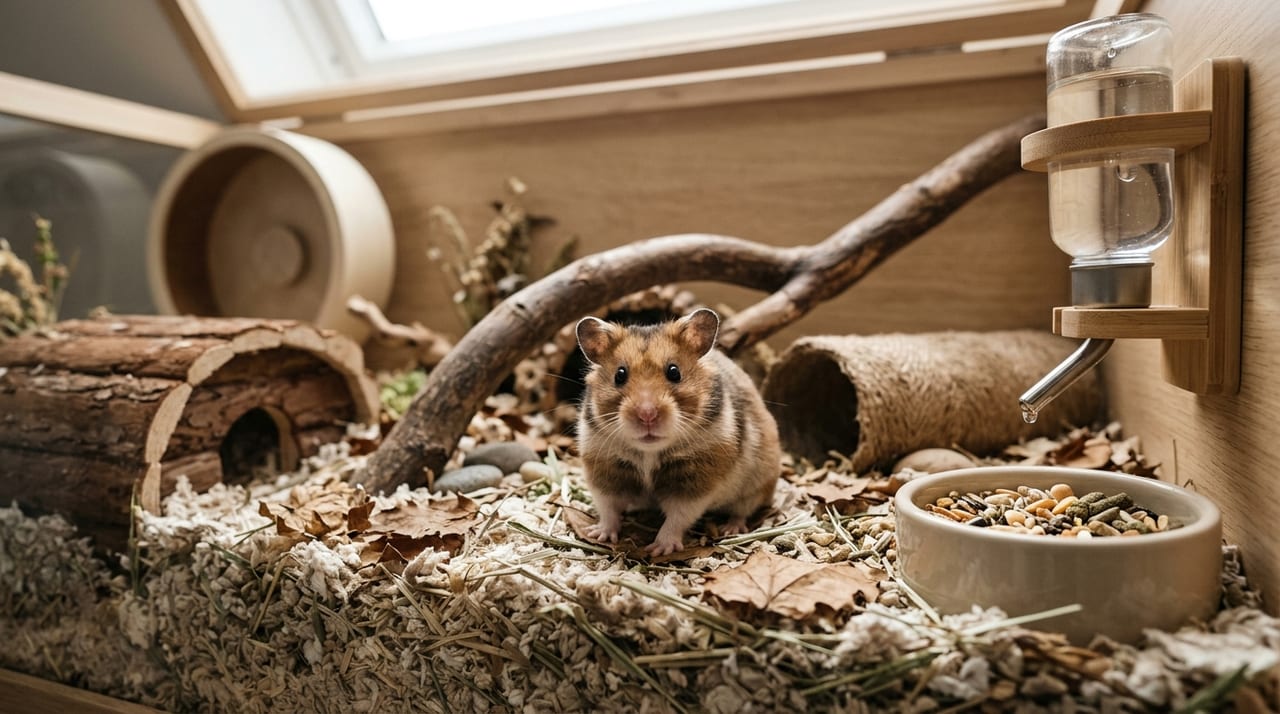
Mistake 1. The Cage is Too Small
What's the mistake?
Assuming "because the body is small, a small cage is sufficient" and keeping the animal in a cramped enclosure.
Why is it dangerous?
Despite their small appearance, small animals have very high activity levels. Hamsters can run 5-10 km in a single night. A cramped cage leads to stress from lack of exercise, obesity, and behavioral problems (such as cage chewing).
Solutions
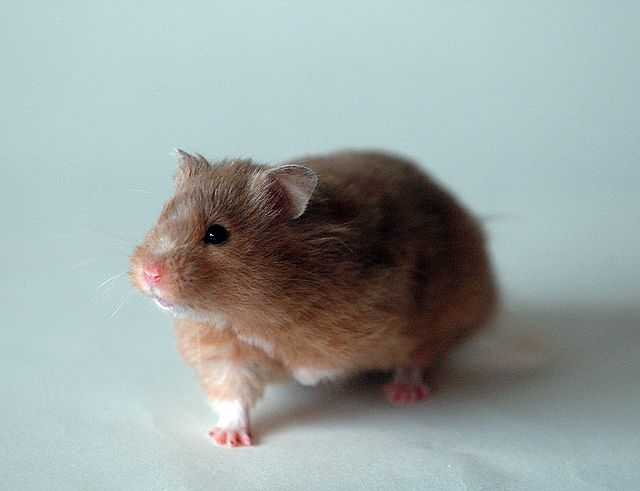
- Syrian Hamster: Minimum 45×30 cm; ideally 60×40 cm
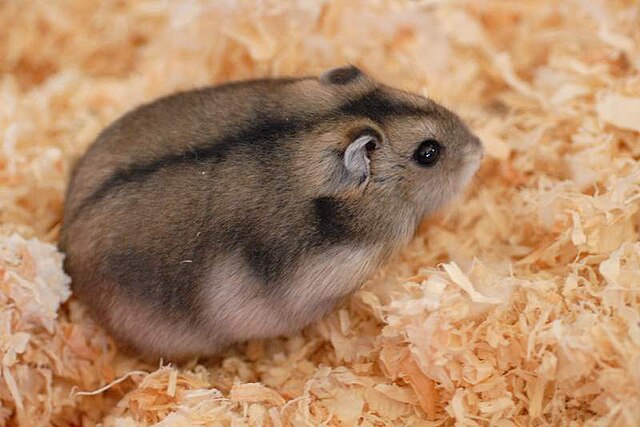
- Dwarf Hamster (Djungarian): Minimum 40×25 cm
- Rabbit: Minimum 60×45 cm; aim for 3-4 times the animal's body length
- Guinea Pig: Minimum 60×40 cm
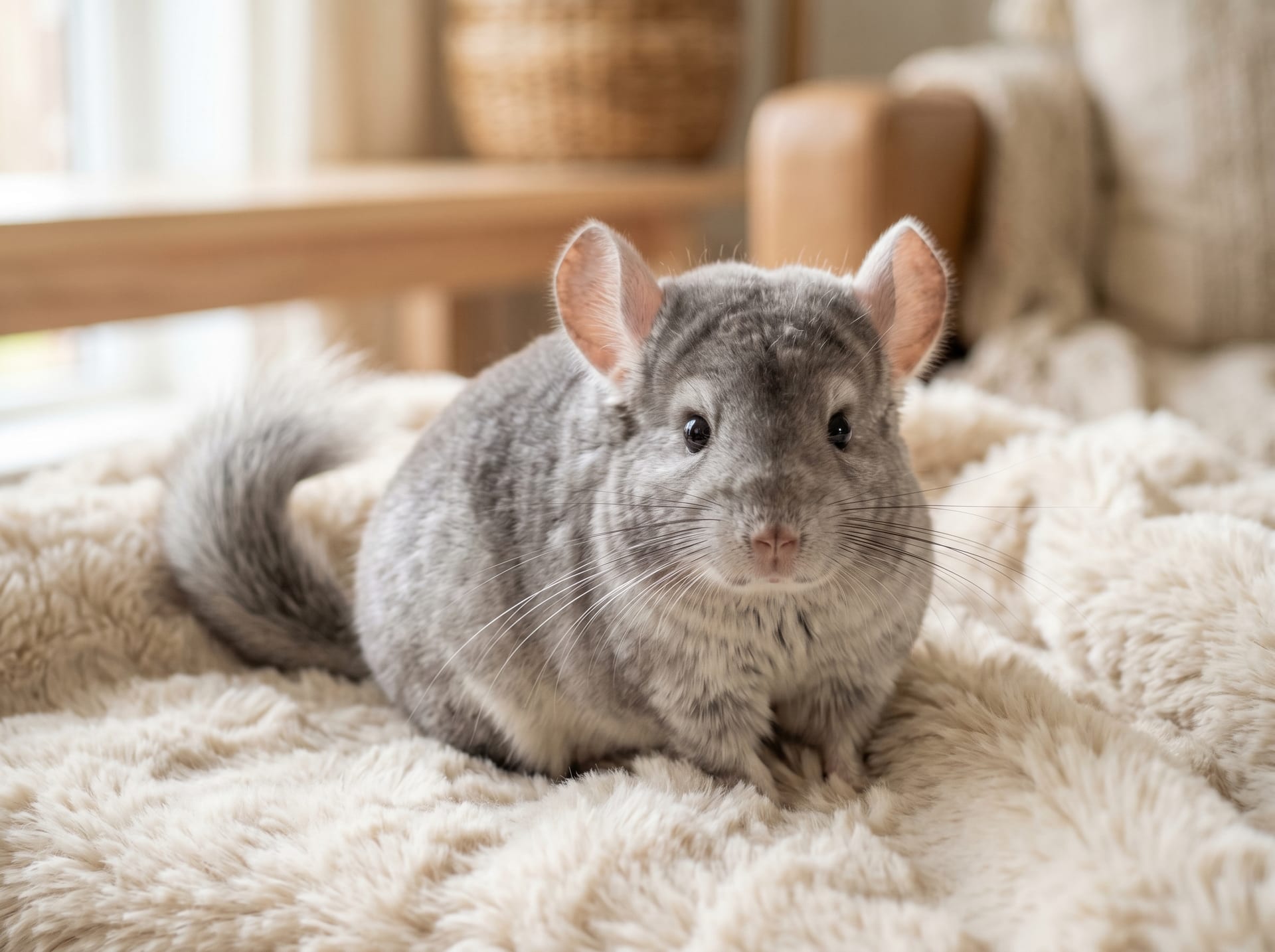
- Chinchilla: A tall enclosure (80 cm or higher)
- Ensure daily out-of-cage time (free roaming in a controlled room)
Mistake 2. Not Providing a Wheel (Hamster)
What's the mistake?
Not providing a wheel, thinking "the hamster can be fine without one."
Why is it dangerous?
For hamsters, a wheel is essential for their wellbeing. Wild hamsters travel several kilometers each night, and without a wheel, they suffer severe stress, obesity, and behavioral problems.
Solutions
- Always provide a wheel. The diameter should be at least 1.5 times the hamster's body length.
- Syrian: 21 cm diameter or larger; Dwarf: 17 cm diameter or larger
- A wheel that's too small causes the back to arch, straining the spine.
- If noise is a concern, choose a silent wheel type.
Mistake 3. Not Feeding Rabbits Timothy Hay
✍️
BreederDirect Editorial
The BreederDirect editorial team specializes in care information for animals, covering veterinary care and breeding to deliver beginner-friendly guides.
Find Small Animals on BreederDirect
Buy directly from verified breeders
Browse Related Listings
Find Small Animals listings related to this article on BreederDirect. Buy directly from verified breeders.
Related Tools
Related Articles
Browse by Category
🪸Coral
🐠Marine Fish
🐟Tropical Fish
🐡Goldfish
🐟Medaka
🦎Reptiles
Share
What's the mistake?
Feeding rabbits only pellets or only human vegetables.
Why is it dangerous?
A rabbit's teeth grow continuously throughout their life. Chewing on timothy hay's tough fibers naturally wears them down to a proper length. Insufficient timothy hay causes malocclusion (dental misalignment), preventing the rabbit from eating.
Solutions
- 80% of a rabbit's diet should be timothy hay. Keep it available at all times.
- Feed pellets at 1.5-3% of body weight, divided into two daily meals.
- First-cut timothy hay has the most fiber and is ideal.
Mistake 4. Feeding Human Food
What's the mistake?
Sharing human food with your pet because "they seem to enjoy it."
Why is it dangerous?
Onions and related foods destroy red blood cells; theobromine in chocolate is lethal to the heart. Dairy products are indigestible and cause diarrhea.
Solutions
- Foods to never give: Onions and related vegetables, chocolate, avocado, potato sprouts, raw beans
- Hamster: Almonds are toxic. Sunflower seeds are high in fat, so limit to a few seeds per week as a treat.
- Give only species-appropriate food and treats; establish a family rule that human food is strictly off-limits.
Mistake 5. Poor Temperature Control
What's the mistake?
Keeping animals in rooms without air conditioning, exposing them to summer heat and winter cold.
Why is it dangerous?
Below 10°C, hamsters enter torpor (a death-like state with risk of fatal complications); above 30°C they suffer heatstroke. Rabbits also face heatstroke risk above 28°C.
Solutions
- Hamster: Maintain 20-26°C. Air conditioning and heating are essential.
- Rabbit: Ideal range is 18-24°C. Above 28°C is dangerous.
- Chinchilla: 15-22°C. Heatstroke risk above 25°C.
- Guinea Pig: 18-24°C.
- Air conditioning is mandatory in summer. Cooling pads for pets are also helpful.
Mistake 6. Excessive Handling Right After Bringing the Animal Home
What's the mistake?
Holding and playing with the animal on the day of purchase.
Why is it dangerous?
Small animals are extremely stressed immediately after an environmental change. Fear becomes ingrained, leading to biting, escape attempts, and diarrhea.
Solutions
- Do not handle for at least 3 days to 1 week after bringing them home.
- Let them eat from your hand to build the association that hand = good thing.
- Once they're accustomed, gently place them on your palm for short periods (starting with just a few seconds).
- Return them to the cage immediately if they show signs of distress.
Mistake 7. Giving Water Baths
What's the mistake?
Bathing hamsters or rabbits in water because you think they're dirty or smell bad.
Why is it dangerous?
Hamsters, rabbits, and chinchillas cannot be water-bathed. Getting wet causes rapid body temperature drops, risking fatal hypothermia.
Solutions
- Hamster: Keep clean with sand baths.
- Rabbit: Groom with brushing. For soiled areas, wipe with a damp cloth only.
- Chinchilla: Use chinchilla-specific sand for sand baths. Never use water.
- If you must wash, clean only the soiled area quickly and immediately dry completely with a low-heat blow dryer.
Mistake 8. Ignoring Compatibility in Multi-Animal Housing
What's the mistake?
Housing multiple animals together without checking compatibility, thinking "they might be lonely."
Why is it dangerous?
Hamsters (especially Syrians) are fundamentally solitary animals. Housing multiple together can result in severe fighting with fatal injuries.
Solutions
- Syrian Hamster: Must house one per cage. Multihousing is impossible regardless of sex.
- Dwarf Hamster: Typically solitary. Even littermates will fight as they mature.
- Rabbit: Paired housing requires neutering/spaying and ample space.
- Guinea Pig: More suited to group housing, but ensure sufficient space.
Mistake 9. Changing Bedding Too Frequently
What's the mistake?
Changing all the cage bedding every single day.
Why is it dangerous?
Small animals feel secure in environments that smell like them. Daily complete changes reset their scent, causing significant stress.
Solutions
- Change only soiled areas daily (around the toilet area and wet spots).
- Full bedding changes every 2-4 weeks. Leave a small portion of old bedding.
- For species that learn to use a toilet, place a litter box to streamline management.
- For rabbits, clean the litter box daily and do a full cage cleaning once weekly.
Mistake 10. Not Finding a Vet in Advance
What's the mistake?
Frantically searching for a vet only after your animal gets sick.
Why is it dangerous?
Few veterinarians treat small animals. Finding a clinic in an emergency can be too late.
Solutions
- Before getting an animal, research and list 2-3 "exotic animal" veterinary clinics.
- Visit once while they're healthy to establish a relationship with the vet.
- Small animal health deteriorates rapidly. Seek veterinary care immediately if you notice any changes.
Summary: 3 Principles for Keeping Healthy Small Animals
Strictly maintain species-appropriate enclosure size and temperature control.
Feed the correct diet (understand the primary food for each species).
Secure a veterinary clinic before bringing an animal home.
Frequently Asked Questions (FAQ)
Q. Can children keep small animals?
A. Hamsters and guinea pigs are relatively easy to care for, but an adult must supervise the care.
Q. How long do small animals live?
A. Hamster: 2-3 years; Rabbit: 8-12 years; Guinea Pig: 5-7 years; Chinchilla: 15-20 years.
Q. Can I keep a small animal while living alone?
A. Yes, as long as you can maintain proper temperature. Hamsters are nocturnal, so daytime absences are fine. However, air conditioning is essential in summer.
Q. Do small animals smell?
A. With proper cleaning, odor shouldn't be an issue. Rabbit urine is more odorous, so frequent toilet cleaning is key.
At br-choku, you can purchase healthy, people-friendly animals directly from small-animal specialists. You can also consult with breeders about care environments and diet. View our small animal selection in the small animals category.