[2026 Edition] 10 Common Mistakes in Raising Parrots and Birds & How to Avoid Them | ブリちょく
Birds| ✍️ BreederDirect Editorial
[2026 Edition] 10 Common Mistakes in Raising Parrots and Birds & How to Avoid Them
We thoroughly explain 10 common mistakes that beginners make when raising parrots and birds, including Teflon toxicity, escape accidents, and nutritional imbalances. We introduce specific countermeasures for popular species such as budgerigars, cockatiels, and Bengalese finches.
Key Takeaways
We thoroughly explain 10 common mistakes that beginners make when raising parrots and birds, including Teflon toxicity, escape accidents, and nutritional imbalances. We introduce specific countermeasures for popular species such as budgerigars, cockatiels, and Bengalese finches.
Related Species
Parrots and Bengalese finches are intelligent and charming pets, but they have unique considerations that differ from dogs and cats. In particular, there are fatal risks that cannot be prevented without knowledge, such as "Teflon toxicity" and "escape during out-of-cage time." This article explains 10 common mistakes made by bird-raising beginners and specific countermeasures.
Mistake 1: Using Teflon-Coated Cookware
What's the mistake?
Placing a cage near the kitchen and cooking with Teflon-coated frying pans.
Why is it dangerous?
Teflon (PTFE) releases toxic fumes when heated to high temperatures (260°C or above). Even at levels that don't affect humans, this gas is fatal to birds' delicate respiratory systems. Inhalation can cause death within minutes to hours.
Countermeasures
- Place the cage in a room away from the kitchen
- Ideally replace Teflon-coated cookware with stainless steel or cast iron
- Aroma candles, incense, insecticides, and cigarette smoke are also harmful to birds
Mistake 2: Leaving Windows or Doors Open During Out-of-Cage Time
What's the mistake?
Accidentally opening a window or door while the bird is out of its cage.
Why is it dangerous?
Birds can fly out a window in an instant and rarely manage to return on their own once outside. Captive birds lack survival skills, and they succumb to predators, hunger, and weather conditions.
Countermeasures
- Completely close all windows, doors, and vents before releasing the bird. Alert all family members
- Screens alone are not sufficient (birds can break through them by flying into them)
- Prepare leg bands and identification information in case of escape
Mistake 3: Feeding Only Seeds
What's the mistake?
Feeding only sunflower seeds or seed mix as the primary diet.
✍️
BreederDirect Editorial
The BreederDirect editorial team specializes in care information for animals, covering veterinary care and breeding to deliver beginner-friendly guides.
Find Birds on BreederDirect
Buy directly from verified breeders
Browse Related Listings
Find Birds listings related to this article on BreederDirect. Buy directly from verified breeders.
Why is it dangerous?
Seeds are high in fat and lack vitamins A, calcium, and amino acids. Feeding only seeds leads to fatty liver disease, vitamin A deficiency, and osteoporosis, dramatically shortening the bird's lifespan.
Countermeasures
- Switch the main diet to complete nutrition pellets (ideally 60-70% of total food)
- Give seeds only as treats or rewards in small amounts
- Offer fresh vegetables daily in small quantities (such as Japanese mustard greens, carrots, and apples)
- Transition to pellets gradually over 2-4 weeks by mixing them in
Mistake 4: Not Providing Out-of-Cage Exercise Time
What's the mistake?
Believing "the cage is enough" and never taking the bird out.
Why is it dangerous?
Birds maintain cardiovascular health and relieve stress through flight. A life confined to a cage leads to obesity from lack of exercise and feather plucking from stress.
Countermeasures
- Ensure 30 minutes to 1 hour of out-of-cage time daily
- Keep your eyes on the bird at all times during out-of-cage time (accident prevention)
- Check out-of-cage space for safety: cover mirrors and glass windows with curtains, and turn off ceiling fans
Mistake 5: Keeping the Bird Up Late
What's the mistake?
Keeping the cage in a room with TV or lights on late into the evening, only darkening it after midnight.
Why is it dangerous?
Birds need 10-12 hours of sleep in a dark environment. Sleep deprivation disrupts hormone balance, leading to excessive breeding behavior, over-laying of eggs, increased aggression, and weakened immunity.
Countermeasures
- Cover the cage and darken it at a consistent time every day
- Ideally, turn off lights by 7-8 PM and wake the bird at 7-8 AM
- Place the cage where TV sound and light don't leak through
Mistake 6: Feeding Human Food
What's the mistake?
Sharing your food with the bird when it begs during meals.
Why is it dangerous?Theobromine in chocolate, persin in avocado, and caffeine are fatal to birds. High-sodium foods also strain their kidneys.
Countermeasures
- Absolutely forbidden: chocolate, avocado, coffee, alcohol, and onions
- Feed only safe foods: Japanese mustard greens, carrots, broccoli, apples (without seeds)
- Make sure all family members understand that human food is off-limits for birds
Mistake 7: Cage is Too Small
What's the mistake?
Choosing a small cage thinking "the bird is small, so a small cage is fine."
Why is it dangerous?
If the bird can't spread its wings and turn around inside the cage, it's nothing but stress.
Countermeasures
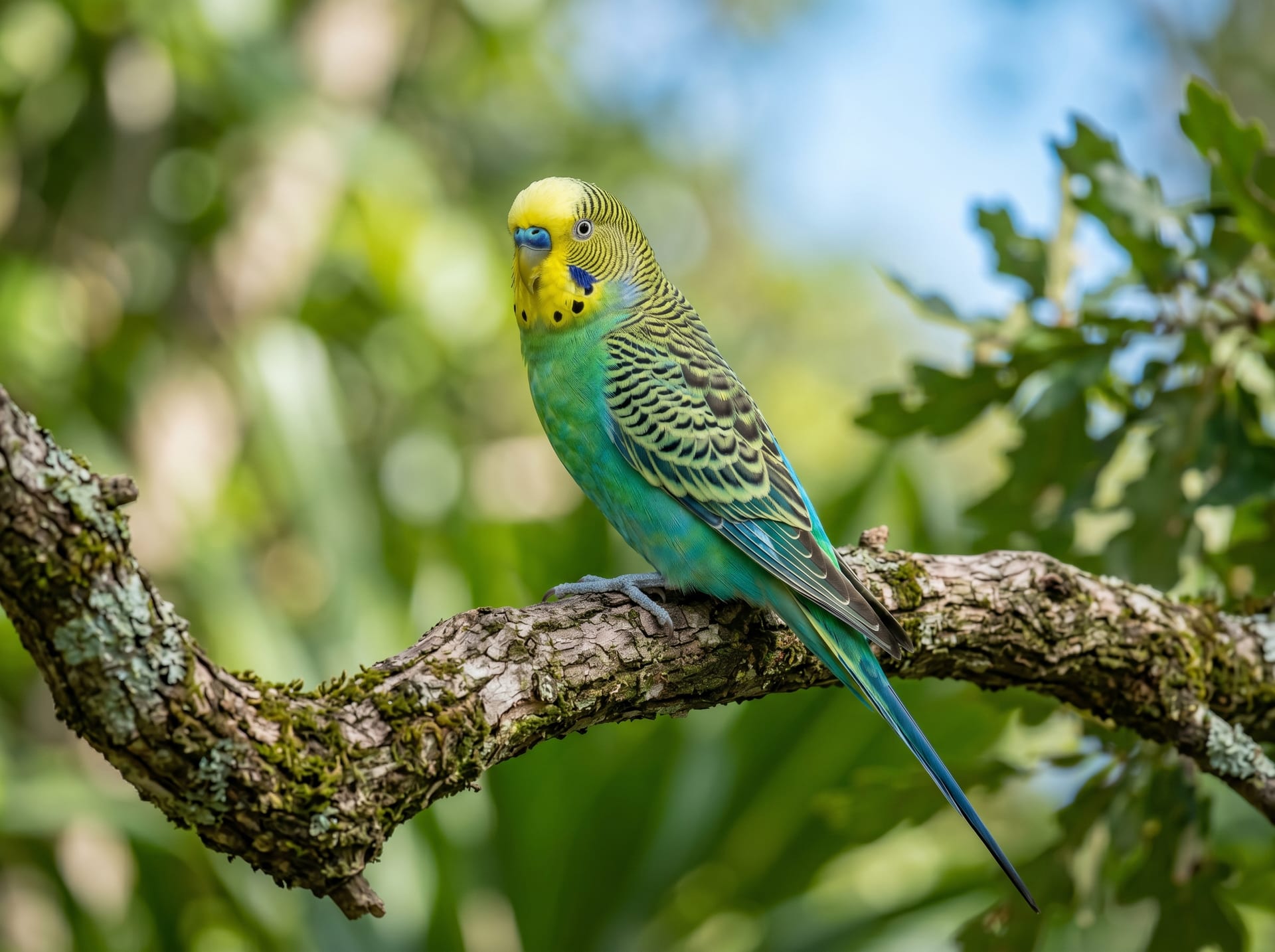
- Budgerigar: minimum 35×35×40cm or larger
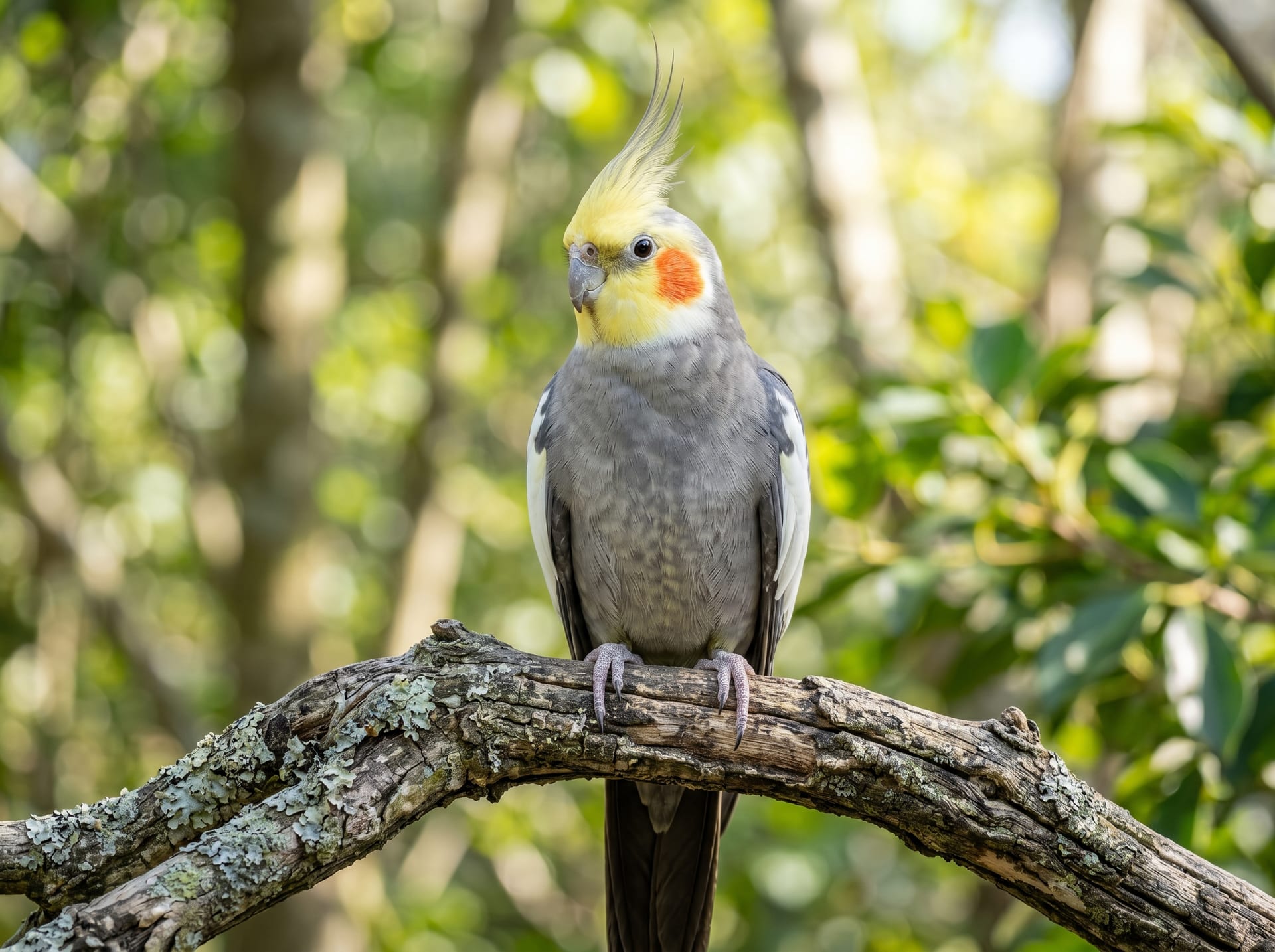
- Cockatiel: minimum 46×46×60cm or larger
- Bengalese finch: minimum 35×35×40cm or larger
- A wider cage is better suited as a living space for birds
Mistake 8: Not Providing Alone Play Time
What's the mistake?
Constantly interacting with the bird and never giving it time alone.
Why is it dangerous?
Excessive dependency on the owner develops, and being separated even briefly causes loud screaming (contact calls), feather plucking, and self-injury (separation anxiety).
Countermeasures
- Provide foraging toys (puzzle toys) to create time for solo play
- Set up multiple toys in the cage and rotate them regularly
- If signs of dependency appear, intentionally create periods of distance
Mistake 9: Neglecting Winter Temperature Management
What's the mistake?
Keeping the bird in an unheated room and exposing it to winter cold.
Why is it dangerous?
Birds have small bodies and high body temperatures (40-42°C), so cold rapidly drains their energy. For birds in poor health, warmth is literally a matter of life and death.
Countermeasures
- Healthy birds: maintain an environment of 20-28°C
- When unwell: keep at 28-30°C (using heat lamps or heat panels)
- Automatically manage heaters with a thermostat
- Install a thermometer near the cage and check it daily
Mistake 10: Not Getting Regular Veterinary Check-ups
What's the mistake?
Assuming "if it looks healthy, it's fine" and skipping veterinary check-ups.
Why is it dangerous?
Birds have an instinct to hide illness. By the time an owner notices, the condition is often already serious.
Countermeasures
- Get annual veterinary check-ups or more frequently
- Find an avian veterinarian in advance
- Have a health check (crop examination, fecal test) when bringing the bird home
- Daily observation: food intake, fecal condition, signs of fluffed feathers, and activity level changes
Summary: 3 Principles to Avoid Mistakes in Bird Care
Safe environment: Remove Teflon, prevent escapes, and eliminate toxic substances
Proper nutrition: Pellet-based diet with fresh vegetables; seeds only as treats
Adequate sleep and exercise: 12 hours in a dark environment plus daily out-of-cage time
Frequently Asked Questions (FAQ)
Q. Which birds are recommended for beginners?
A. Budgerigars are the easiest to care for. Many can learn to talk and are easily hand-tamed. Bengalese finches are also easy to raise and affectionate. By acquiring birds directly from a breeder, you can get detailed guidance on chick-rearing and personality. The bird category listing features many hand-tamed individuals.
Q. How long do birds live?
A. Budgerigars: 7-10 years; Cockatiels: 15-25 years; Bengalese finches: 7-10 years. Larger parrots can live 40-60 years.
Q. Are bird vocalizations loud?
A. Budgerigars and Bengalese finches are relatively quiet. Cockatiel contact calls are somewhat loud. Large parrots are too loud for apartment living.
Q. What's the initial cost for keeping birds?
A. A complete setup including cage, food, and heating equipment costs around ¥10,000-30,000. The birds themselves typically cost ¥3,000-10,000 for budgerigars and ¥10,000-30,000 for cockatiels.
As of 2026, Br-Choku allows you to purchase hand-tamed chicks and young birds directly from bird-specialist breeders. You can confirm talking abilities and personality directly with the breeder, making it safe for first-time bird owners. Also, check out related articles like our Parrot and Bird Selection Guide.
![[2026 Edition] 10 Common Mistakes in Raising Parrots and Birds & How to Avoid Them](https://img.br-choku.com/column-images/pacific-parrotlet-care-guide/hero-1778525890954.jpg)