10 Common Mistakes in Tropical Fish Keeping (2026 Edition) and Solutions
A comprehensive guide to the top 10 mistakes beginners make in tropical fish keeping, including insufficient acclimation, overstocking, and overfeeding. Learn the causes of each mistake and discover specific solutions and prevention methods.
Key Takeaways
A comprehensive guide to the top 10 mistakes beginners make in tropical fish keeping, including insufficient acclimation, overstocking, and overfeeding. Learn the causes of each mistake and discover specific solutions and prevention methods.
Related Species
Tropical fish keeping is not difficult if you have the right knowledge, but starting without proper understanding can lead to irreversible mistakes. This article explains the 10 most common mistakes beginners make and provides detailed solutions for each one. These are all preventable issues if you learn about them beforehand, so be sure to check this guide before you start keeping tropical fish.
Mistake 1: Skipping or Rushing Acclimation
What's the mistake?
Placing fish directly into the tank straight from the bag without acclimating them to the new water.
Why is it dangerous?
The water in the shipping bag differs from your tank water in temperature, pH, and hardness. Rapid environmental changes can cause "pH shock" or "temperature shock," leading to death within hours in severe cases. Even if the fish appear fine, internal organ damage can occur, causing health issues days later.
Solutions
Drip acclimation method is recommended: Use an air tube and valve to slowly drip tank water into the bag at a rate of 1–2 drops per second over 30–60 minutes
At minimum, float the bag in the tank for 30 minutes to equalize temperatures
After acclimation, remove the fish with a net and place it in the tank; do not pour the bag water into the tank (prevents introducing pathogens)
Mistake 2: Insufficient Tank Cycling
What's the mistake?
Adding fish to the tank on the same day you set it up.
Why is it dangerous?
New tanks lack the beneficial bacteria (nitrifying bacteria) needed to break down ammonia. Ammonia from fish waste accumulates and causes "ammonia poisoning," potentially killing all your fish. This is the leading cause of total tank failure for beginners.
Solutions
After setting up, allow the tank to run for at least 2–3 weeks without fish (fishless cycling)
✍️
BreederDirect Editorial
The BreederDirect editorial team specializes in care information for animals, covering veterinary care and breeding to deliver beginner-friendly guides.
Find Tropical Fish on BreederDirect
Buy directly from verified breeders
Browse Related Listings
Find Tropical Fish listings related to this article on BreederDirect. Buy directly from verified breeders.
Related Tools
Related Articles
Browse by Category
🪸Coral
🐠Marine Fish
🐟Tropical Fish
🐡Goldfish
🐟Medaka
🦎Reptiles
Share
Using commercial bacterial additives speeds up the cycling process
Confirm that ammonia → nitrite → nitrate conversion is occurring using a test kit before adding fish
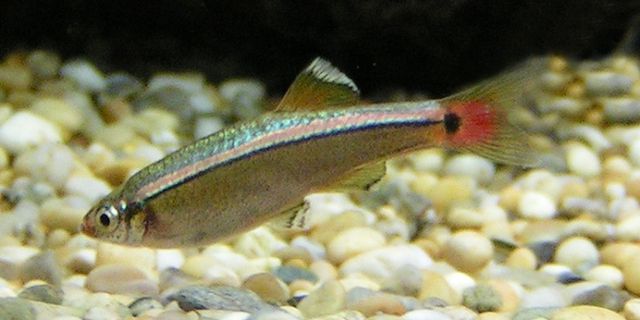
If using a pilot fish, choose hardy species like red zebra danios and use only a small number
Mistake 3: Overfeeding
What's the mistake?
Feeding large amounts of food because "they look so cute."
Why is it dangerous?
Uneaten food rots in the water, causing ammonia and nitrite levels to spike and water quality to deteriorate. Overfeeding also causes digestive problems, obesity, and organ disease in fish. It also triggers excessive algae growth.
Solutions
Feed only an amount that can be consumed within 2 minutes, once or twice daily
Many adult fish only need one feeding per day
Implement a "fasting day" once a week to reduce stress on the digestive system
Remove any food that settles on the substrate using a siphon
Mistake 4: Overstocking
What's the mistake?
Putting too many fish in a small tank.
Why is it dangerous?
Fish face a triple threat of oxygen depletion, water quality degradation, and stress, leading to sequential deaths. Small tanks (30 cm or less) have low water volume, and adding even one more fish can dramatically alter the environment.
Solutions
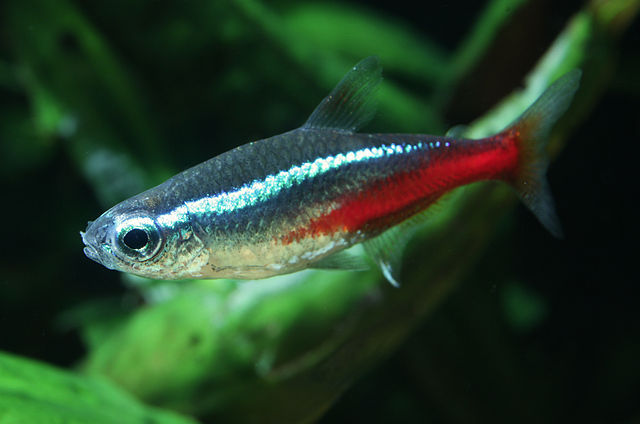
A basic guideline is 1–2 liters of water per 1 cm of fish body length. For example, a 60-liter tank can safely hold 15–20 neon tetras (approximately 3 cm long) at maximum
Keep the fish population below your filter's processing capacity
If you want to add another fish, your tank is already at full capacity. Resist the urge to add more
Mistake 5: Cleaning Filter Media with Tap Water
What's the mistake?
Vigorously washing filter media under tap water.
Why is it dangerous?
Chlorine in tap water kills the beneficial nitrifying bacteria colonizing the media. Although the media looks clean, the biological filtration capacity drops to zero, returning your tank to the "ammonia crisis" phase.
Solutions
Always rinse filter media gently with tank water (water removed from the tank during water changes)
Filter media doesn't need to be perfectly clean (a little debris provides a habitat for beneficial bacteria)
Replace only 1/3 of the filter media at a time, staggering replacements
Mistake 6: Wrong Water Change Frequency or Volume
What's the mistake?
Doing a complete water change when "the water looks dirty" or skipping water changes entirely.
Why is it dangerous?
A complete water change causes sudden water chemistry shifts, stressing fish. Conversely, skipping water changes allows nitrate to accumulate, weakening immunity and stunting growth.
Solutions
Perform a weekly water change of 1/4 to 1/3 of the total tank volume
Treat new water with a chlorine remover before adding it, and match the temperature to the tank water
If a large water change is necessary, spread it over several hours or a full day in stages
Using a gravel vacuum to remove debris from the substrate increases effectiveness
Mistake 7: Mixing Incompatible Fish Species
What's the mistake?
Keeping different fish species together based solely on appearance preference, without researching compatibility.
Why is it dangerous?
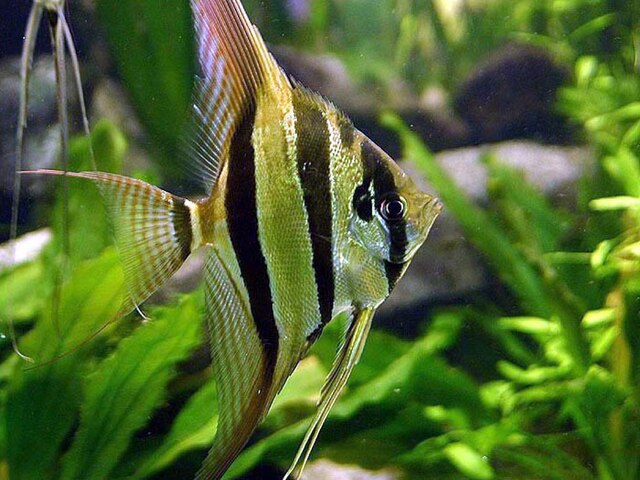
Mixing angelfish with neon tetras is a classic compatibility failure. As the angelfish grows, it will eat the smaller tetras. Male bettas must always be kept alone as they fight to the death, and large cichlids are aggressive toward other fish.
Solutions
Always research species compatibility before purchasing
Avoid pairing fish with large size differences (smaller fish within a predator's mouth size become food)
Choose species that occupy different water layers (surface, mid-water, bottom) to reduce territorial disputes
On BreederDirect, you can ask breeders directly about species compatibility
Mistake 8: Neglecting Temperature Control
What's the mistake?
Not installing a heater, failing to place a thermometer, or not noticing heater failure.
Why is it dangerous?
Most tropical fish prefer 24–28°C. When temperature drops below 20°C, immunity weakens and diseases like ich become more likely; below 15°C is fatal. Conversely, above 32°C causes oxygen depletion.
Solutions
Always install a thermostat-controlled heater (a fixed 26°C heater is acceptable)
Place a digital thermometer in a visible spot on the tank and check it daily
Heaters typically last 1–2 years; keep a backup on hand
In summer, use a cooling fan or air conditioning to prevent water temperature from rising
Mistake 9: Placing the Tank in Direct Sunlight
What's the mistake?
Setting up the tank near a window or other location with direct sunlight.
Why is it dangerous?
Algae blooms explosively, turning the tank green. Direct sun also causes water temperature to spike rapidly, potentially exceeding 35°C in summer. Large daily temperature fluctuations (between morning and evening) stress fish.
Solutions
Place the tank in a location away from direct sunlight
Indirect light is fine
Use a timer to control lighting to 8–10 hours per day (also helps prevent algae)
If the tank must be near a window, use sheer curtains or blinds to filter the light
Mistake 10: Overlooking Signs of Disease
What's the mistake?
Missing signs of illness in your fish or ignoring problems hoping they'll resolve on their own.
Why is it dangerous?
Ich (white spot disease) spreads from one fish to the entire tank within days. Fin rot can progress until fins dissolve completely; if it spreads to the gills, it becomes fatal. Early detection and treatment are essential.
Solutions
During daily feeding, observe your fish for physical appearance, fin condition, and swimming behavior
Watch for white spots, frayed fins, fish rubbing against surfaces, and lethargy—these are warning signs
If you notice any abnormality, move the affected fish to a quarantine tank and treat with medication
Keep medications on hand (such as methylene blue or Green F Gold)
Summary: Three Principles for Avoiding Mistakes
Don't rush: Take your time with tank setup and introducing fish
Test regularly: Periodically measure water temperature, pH, and ammonia levels
Start small: Begin with fewer fish and less food, then gradually adjust
Frequently Asked Questions (FAQ)
Q: Can beginners keep tropical fish?
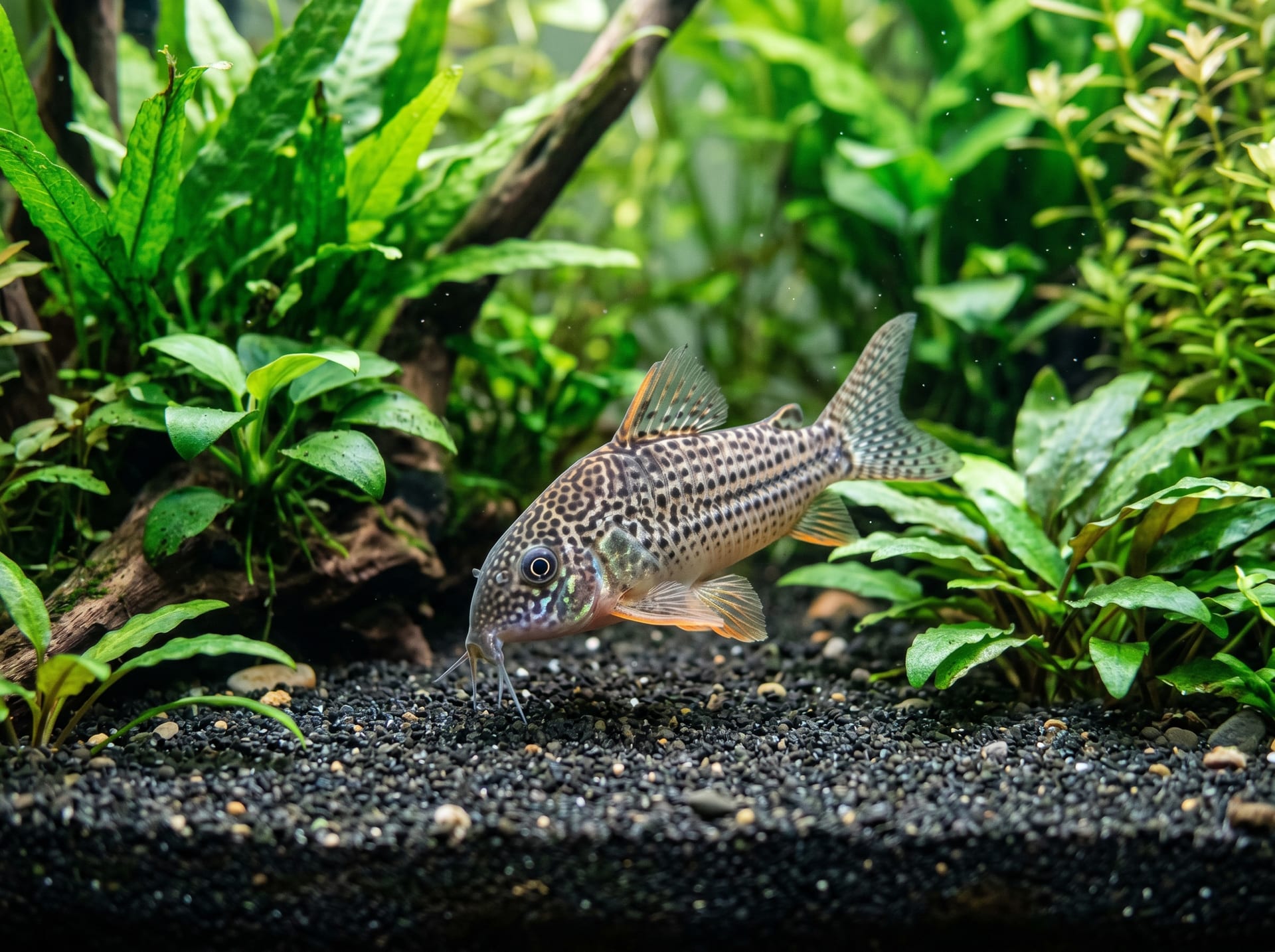
A: Yes. If you choose hardy species like neon tetras, red zebra danios, or corydoras catfish, beginners can enjoy tropical fish keeping.
Q: What equipment do I need to get started?
A: At minimum, you need a tank, filter, heater, thermometer, chlorine remover, and a water quality test kit.
Q: What size tank is recommended for beginners?
A: A 60 cm tank (approximately 60 liters) is ideal for beginners. Larger water volume stabilizes water parameters more easily and makes management simpler.
Q: What should I do if a fish dies?
A: Remove it immediately and observe the remaining fish. Test the water parameters and perform a water change if any abnormalities are detected. If multiple fish become ill simultaneously, suspect water quality problems.
On BreederDirect, you can purchase tropical fish directly from specialist breeders. If you have concerns about care methods or species compatibility, feel free to ask the breeders directly.