Pet Comparison for Beginners | Choosing Your First Pet by Raising Cost, Effort, and Lifespan
A comparison guide for first-time pet owners. This article compares popular pets such as medaka, tropical fish, leopard geckos, hamsters, Java sparrows, and cats by initial cost, monthly cost, care effort, and lifespan in table format, and introduces recommendations based on lifestyle.
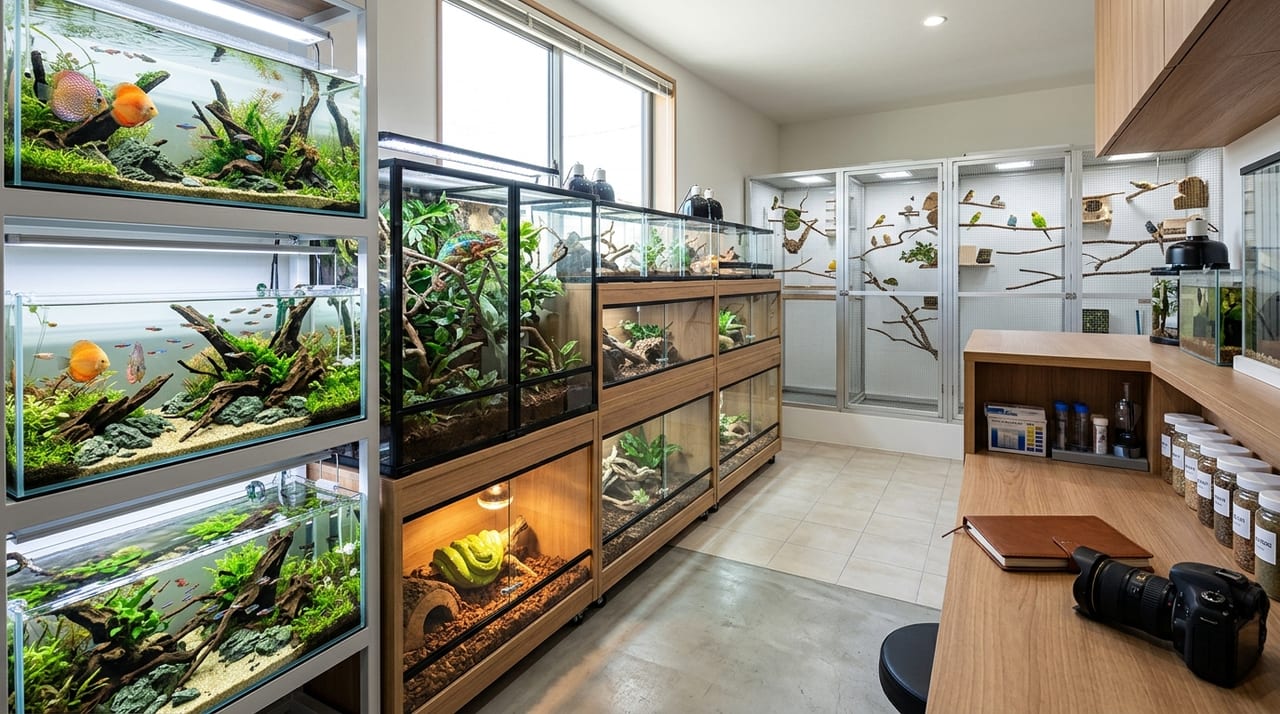
Key Takeaways
A comparison guide for first-time pet owners. This article compares popular pets such as medaka, tropical fish, leopard geckos, hamsters, Java sparrows, and cats by initial cost, monthly cost, care effort, and lifespan in table format, and introduces recommendations based on lifestyle.
For those who say "I want to have a pet, but I don't know which one is right for me," this article compares popular pets from the perspectives of initial cost, monthly cost, care effort, lifespan, and more. Please use this as a reference when choosing a pet that suits your lifestyle and living environment.
Pet Comparison Table
| Pet | Initial Cost | Monthly Cost | Care Effort | Average Lifespan | Required Space |
|---|---|---|---|---|---|
| Medaka | ¥5,000–¥20,000 | ¥500–¥2,000 | Low | 2–5 years | Small (1 container) |
| Tropical fish | ¥20,000–¥80,000 | ¥2,000–¥8,000 | Moderate | 3–10 years | Medium (60 cm aquarium or larger) |
| Leopard gecko | ¥15,000–¥50,000 | ¥2,000–¥5,000 | Low | 10–20 years | Small (30 cm × 30 cm cage or larger) |
| Hamster | ¥5,000–¥15,000 | ¥1,000–¥3,000 | Low | 2–3 years | Small (60 × 40 cm cage or larger) |
| Java sparrow | ¥10,000–¥30,000 | ¥2,000–¥5,000 | Moderate | 7–10 years | Small to medium (requires free-flying space) |
| Cat | ¥50,000–¥200,000 | ¥10,000–¥25,000 | High | 15–20 years | Medium to large (entire indoor space) |
Each cost above is only an approximate figure. Costs vary significantly depending on the individual animal, breed, and region.
Detailed Characteristics of Each Pet
Medaka
Pros: Initial costs are low, and daily care consists only of feeding (they can go several days without food during travel). They don't require much space and are easy to keep in apartments. Their ease of breeding is also attractive, offering the enjoyment of raising their numbers.
Cons: Water quality management is necessary (water changes about once a week). Temperature management is needed during summer heat and winter. Direct interaction with the animal is not possible.
Tropical Fish
Pros: There are many species to choose from, offering the enjoyment of creating a tank tailored to your taste. A well-designed tank with color gradation also works beautifully as interior decoration.
Cons: Knowledge of water quality and temperature management is required. Equipment costs are high, and electricity usage can add up.
Leopard Gecko
Pros: One of the easiest reptiles to keep. Daily feeding is not necessary (feeding 2–3 times per week), and they produce minimal odor. With a long lifespan, you can enjoy many years together. Handling (holding them in your hand) is enjoyable.
Cons: Initial equipment setup (cage and heating devices) is necessary. Some family members may be hesitant about reptiles. Management of live food (crickets, etc.) may be required.
Hamster
Pros: They are small and cute, with no vocalizations. Easy for children to care for. Initial costs are low.
Cons: Being nocturnal, they sleep much of the day. Cage odor management is necessary (weekly or bi-weekly cleaning recommended). Their short lifespan means parting comes early.
Java Sparrow
Pros: They bond well with people, and when hand-tamed, they are incredibly cute. They can be kept in a cage, saving space. Their vocalizations are quiet.
Cons: Daily free-flying (exercise) is required. Feathers and seed powder scatter about. A single bird can feel lonely, making it unsuitable for those who are often away from home for long periods.
Cat
Pros: You can build a deep bond that lasts many years. They have high independence and self-reliance, requiring less frequent interaction than dogs.
Cons: Costs and space requirements are among the highest. Care such as nail scratching and fur management is necessary. Veterinary expenses can be high.
Recommendations by Lifestyle
For Single Living / Beginners
Medaka or Leopard gecko: Both require minimal care effort and produce minimal odor. Their ease of management is appealing, as they can go several days without attention during business trips or travel.
For Families with Young Children
Hamster or Java sparrow: Children can easily participate in care, and they provide an opportunity to learn about the value of life.
For Those Who Prioritize Interaction with Pets
Cat or hand-tamed Java sparrow: For those who want to enjoy direct interaction and an emotional bond.
For Those Starting on a Tight Budget
Medaka: The most affordable option for both initial and monthly costs. Depending on the variety, you can also enjoy breeding them.
Points Often Overlooked When Choosing a Pet
Points often overlooked when choosing a pet are presented here. First, "lifespan" is an important consideration. Dogs and cats live 10–15 years, turtles 30–50 years, and parrots 20–40 years, varying greatly by species. Think carefully about whether you can continue caring for them throughout that time. Next is "travel arrangements." Research pet hotels, boarding with acquaintances, pet sitters, and other care options for when you're away. "Veterinary costs" are also an often-overlooked expense. Annual vaccinations and treatment for unexpected illness or injury can cost ¥30,000–¥100,000 per year for dogs and cats. Consider pet insurance as well. Regarding "changes in living environment," it's important to think about whether you can adapt to changes in your living situation due to life events such as moving, marriage, or childbirth. At BreederDirect, you can consult in detail with breeders before purchase about the conditions necessary for keeping a pet, allowing you to make a pet choice without regrets.
Pet Maintenance Cost Simulation
Let's simulate monthly maintenance costs by pet type. For a dog (small breed), food costs ¥3,000–¥5,000, toilet pads ¥1,000–¥2,000, treats ¥500–¥1,000, and veterinary savings ¥3,000–¥5,000, bringing the total monthly cost to approximately ¥8,000–¥13,000. For a cat, food costs ¥2,000–¥4,000, litter ¥1,000–¥2,000, and veterinary savings ¥2,000–¥4,000, totaling approximately ¥5,000–¥10,000 per month. For tropical fish (60 cm aquarium), food costs ¥500–¥1,000, electricity ¥1,000–¥2,000, and consumables ¥500–¥1,000, totaling approximately ¥2,000–¥4,000 per month.
Purchase with Confidence at BreederDirect
Regardless of the pet, the quality of the first animal greatly influences the enjoyment of keeping it. At BreederDirect, you can purchase directly from breeders across many categories, including medaka, reptiles, fish, and plants. Even beginners can choose while asking breeders questions directly, making first-time pet selection worry-free.
Summary
For beginners choosing a pet, rather than "cuteness," narrowing your selection based on three factors—the time you can spend on care, the space you have available, and annual maintenance costs—is a reliable approach. Use the comparison table in this article to narrow your choices to 2–3 species, then cross-reference the details for each pet with the maintenance cost simulation. If you're often away, medaka or ornamental shrimp are good options; if you want daily interaction, hamsters or rabbits are better. The best approach is to work backward from your non-negotiable conditions rather than trial-and-error. If you're unsure, at least confirm adult size and lifespan beforehand.