How to Spend the First Day When Bringing Home a New Pet: Species-Specific Environment Acclimation and First Week Management
This guide explains species-specific approaches to reducing transport stress, environment acclimation, and key observation points during the first week when bringing home a new pet.
Key Takeaways
This guide explains species-specific approaches to reducing transport stress, environment acclimation, and key observation points during the first week when bringing home a new pet.
Related Species
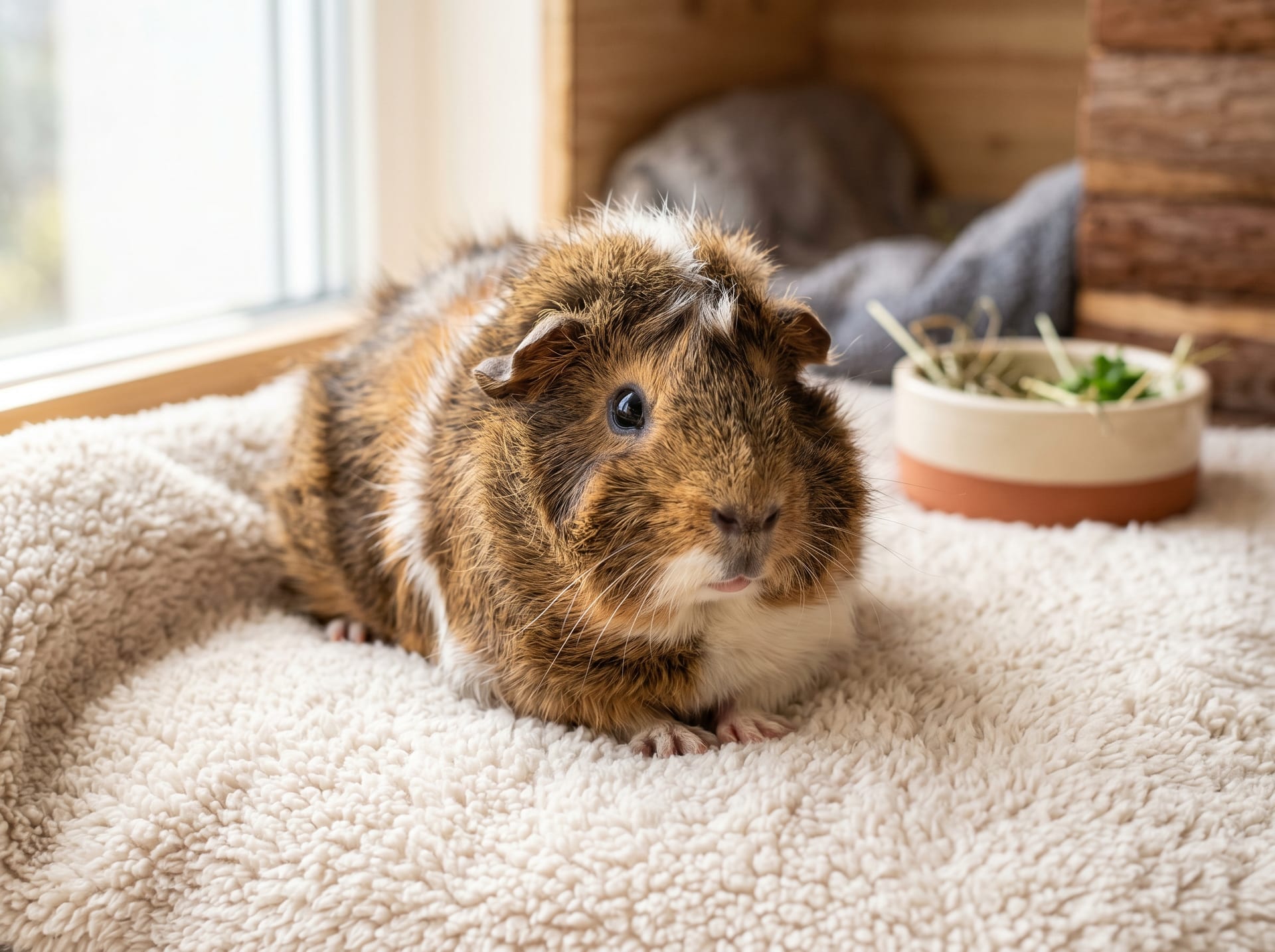
The day you bring home a new pet is a major event for both the owner and the animal. However, in many cases, the animal has just experienced significant stress from transportation and is being exposed to an unfamiliar environment, unfamiliar smells, and new sounds. An incorrect response during this critical first day can lead to various problems including stress-induced anorexia, disease from weakened immunity, and escape accidents. Let's welcome your new family member with confidence using the correct species-specific approach.
Understanding Transport Stress
Transportation causes considerable stress for any animal. Being handled by unfamiliar people, placed in a container, and exposed to vibration and temperature fluctuations trigger a sharp increase in the animal's stress hormones such as cortisol.
This stress temporarily suppresses immune function, and even normally healthy animals face a risk of latent pathogens becoming active. Post-shipping disease is not uncommon, and a quiet environment after arrival is essential to prevent it. Since BreederDirect publishes safe packing and shipping manuals, both breeders and buyers can work together to minimize transport stress.
Preparation Before Arrival
It is essential to fully prepare the rearing environment before bringing home your new pet. The golden rule is to acquire the animal only after all aquariums, cages, and care supplies are prepared.
- Set up the cage/aquarium and confirm temperature
- Establish and stabilize appropriate water and air temperatures
- Prepare food and water
- Install hiding spots and nesting material
Reptiles, fish, and aquatic animals are especially at risk of death immediately after arrival if temperature is unstable. Run equipment for at least 24 hours before purchase to ensure stability.
Species-Specific First Day Guidelines
Fish and Shrimp (Aquatic Animals)
Water acclimation is critical
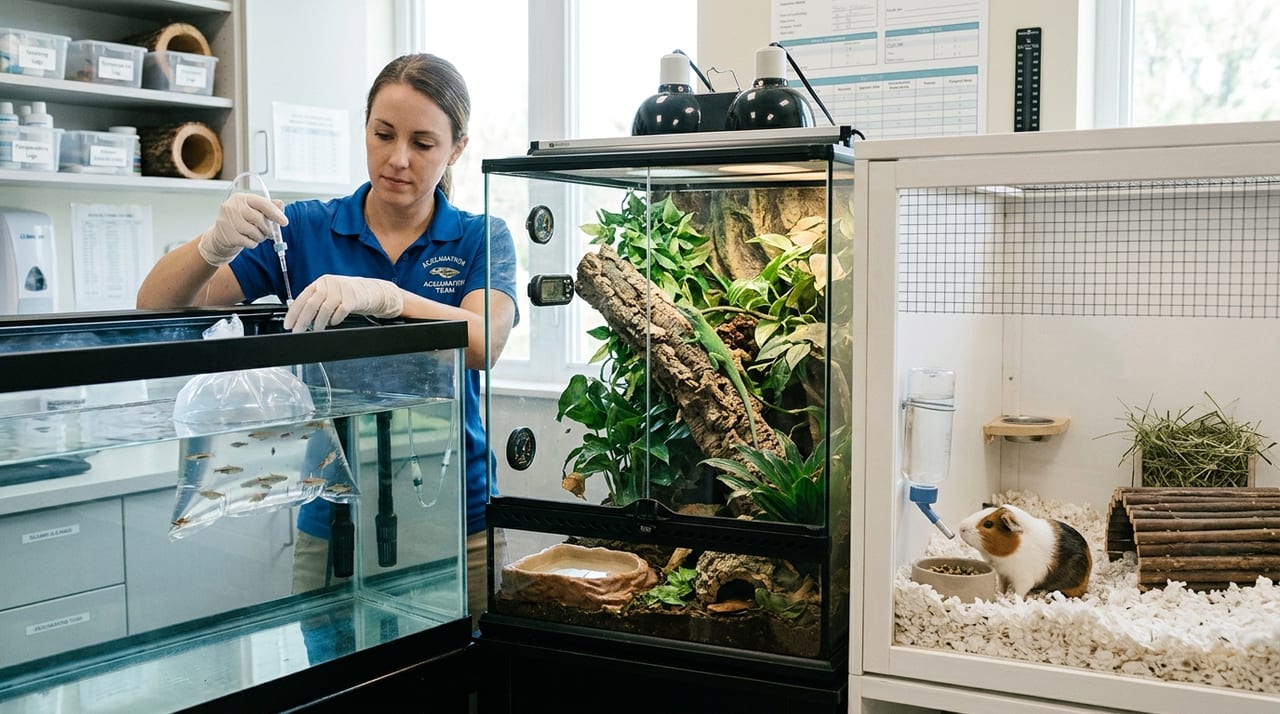
Keep the animal in its transport bag floating on the water surface for 30 minutes to 1 hour to equalize temperature. Then, using the drip method, gradually add small amounts of tank water to the bag every 15–30 minutes. Rapid changes in pH, salinity, or temperature can cause osmotic shock.
After acclimation, gently release the animal into the tank and minimize disturbance—avoid looking in closely. Skip feeding on the first day or feed only a very small amount.
Reptiles
Do not touch or move
For the first 24–48 hours after arrival, never touch the animal. For reptiles, being handled itself is stressful. Once placed in the cage, avoid any interaction except routine maintenance like water changes.
During the first week, you may offer food, but don't panic if the animal refuses. Reptiles often go without eating until they've adjusted to their environment—this is a normal response. Forcing food only increases stress.
Verify that temperature and humidity are appropriate and provide a secure shelter. For reptiles, a shelter is their base of security.
Small Animals (Rabbits, Hamsters, Guinea Pigs, etc.)
Start with minimal contact
After arrival, place the cage in a quiet location and leave the animal alone for the first few hours. Provide water and a small amount of food.
For nocturnal animals like hamsters, avoid contact during the day. Wait until nighttime when they're active for them to come out of the cage on their own, without forcing them.
Rabbits are highly social but sensitive to environmental change. During the first few days, softly call their name and gradually introduce them to your hand for them to smell, starting without forcefully picking them up.
Dogs and Cats
Allow freedom to explore
It's important to let dogs and cats confirm the room's scents on their own. During the first few hours, allow free exploration without forcing play or excessive interaction.
Puppies and kittens may cry at night due to stress from leaving their previous environment (breeder or pet shop). Be especially gentle during the first 1–2 weeks and provide a safe space like a crate or house.
If you have other pets, initially separate them and gradually introduce them (smelling through a door → placing in separate areas in the same room → gradually shortening the distance).
Birds
Build familiarity through sound and sight
Birds are highly sensitive to vision. Initially, avoid direct eye contact and start at a distance where you can observe from the side of their view. First, let them become accustomed to your voice, then to the presence of your hand, and finally progress to hand-training in stages.
After arrival, avoid excessive handling and provide a cage cover in a quiet place for comfort. Check appetite and feces daily; if the bird isn't eating, consult a veterinarian promptly.
First Week Observation Points
Regardless of species, monitor these common indicators:
- Appetite: The animal may not eat for 2–3 days after arrival, but lack of eating after one week is a concern
- Water intake: Confirm the animal is drinking (dehydration is dangerous in a short timeframe)
- Feces: Check for abnormalities in volume, shape, and odor
- Behavior: Lethargy, lack of movement, abnormal behavior, or self-injury
- Appearance: Abnormalities in coat/fur, skin, eyes, nose, or mouth
If multiple abnormalities appear or the animal clearly hasn't adapted after one week, don't hesitate to consult a veterinary clinic. Early detection and early intervention greatly influence the animal's long-term prognosis. Considering an environment where your pet and plants can coexist from the first day onward also provides peace of mind.