[2026 Edition] 15 Beginner-Friendly Reptiles | How to Choose & Care Tips
15 carefully selected reptile species perfect for beginners. Complete guide thoroughly explaining difficulty level, cost, and equipment for leopard geckos, bearded dragons, corn snakes, and more.
![[2026 Edition] 15 Beginner-Friendly Reptiles | How to Choose & Care Tips](https://img.br-choku.com/column-images/leopard-gecko-care-complete-guide/hero-1778783837377.jpg)
Key Takeaways
15 carefully selected reptile species perfect for beginners. Complete guide thoroughly explaining difficulty level, cost, and equipment for leopard geckos, bearded dragons, corn snakes, and more.
Related Species
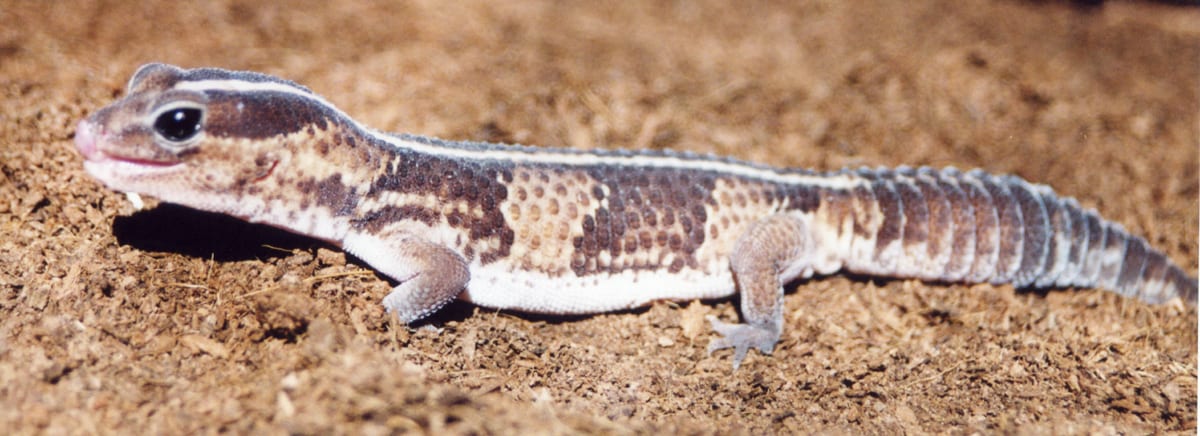
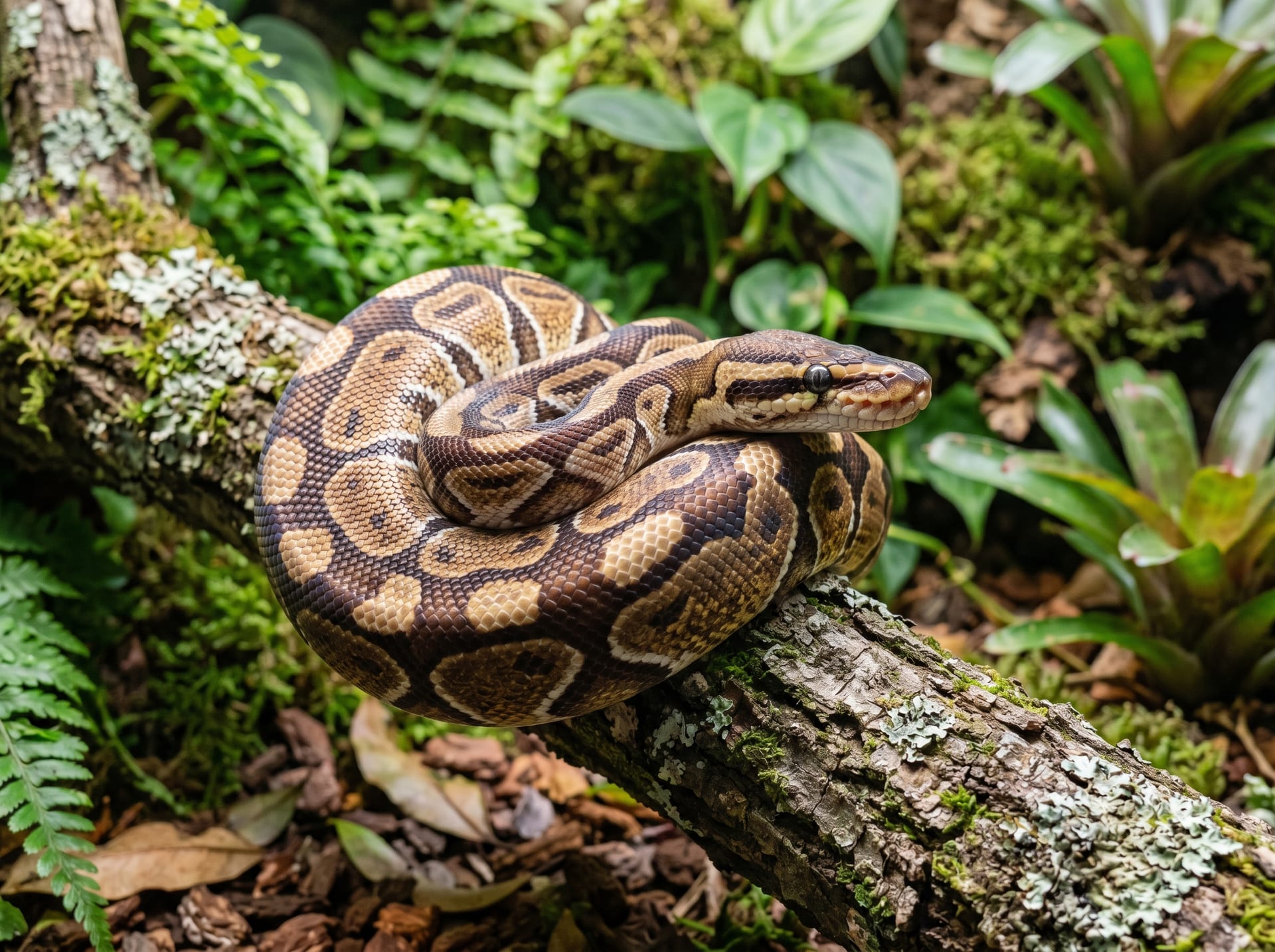
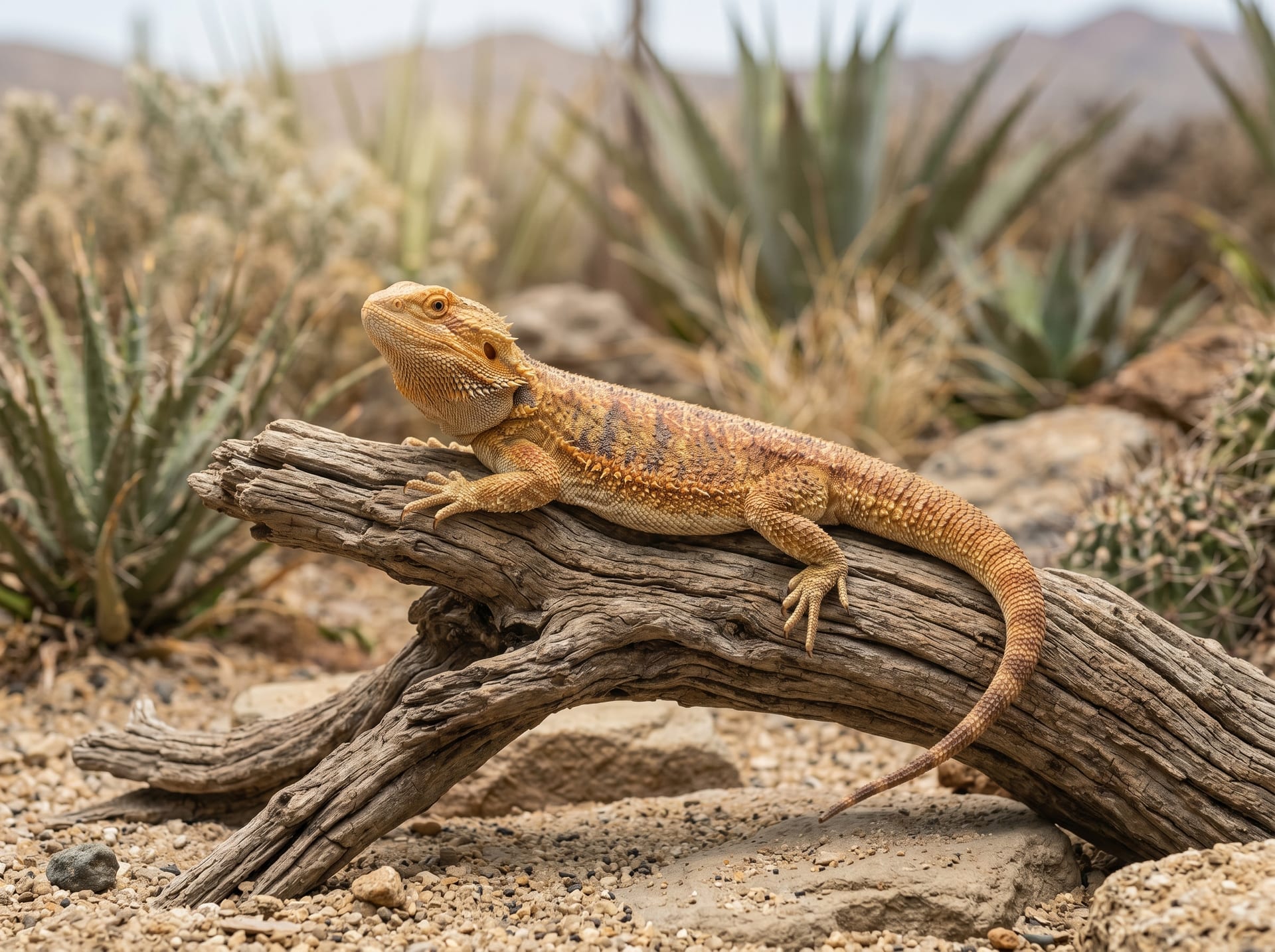
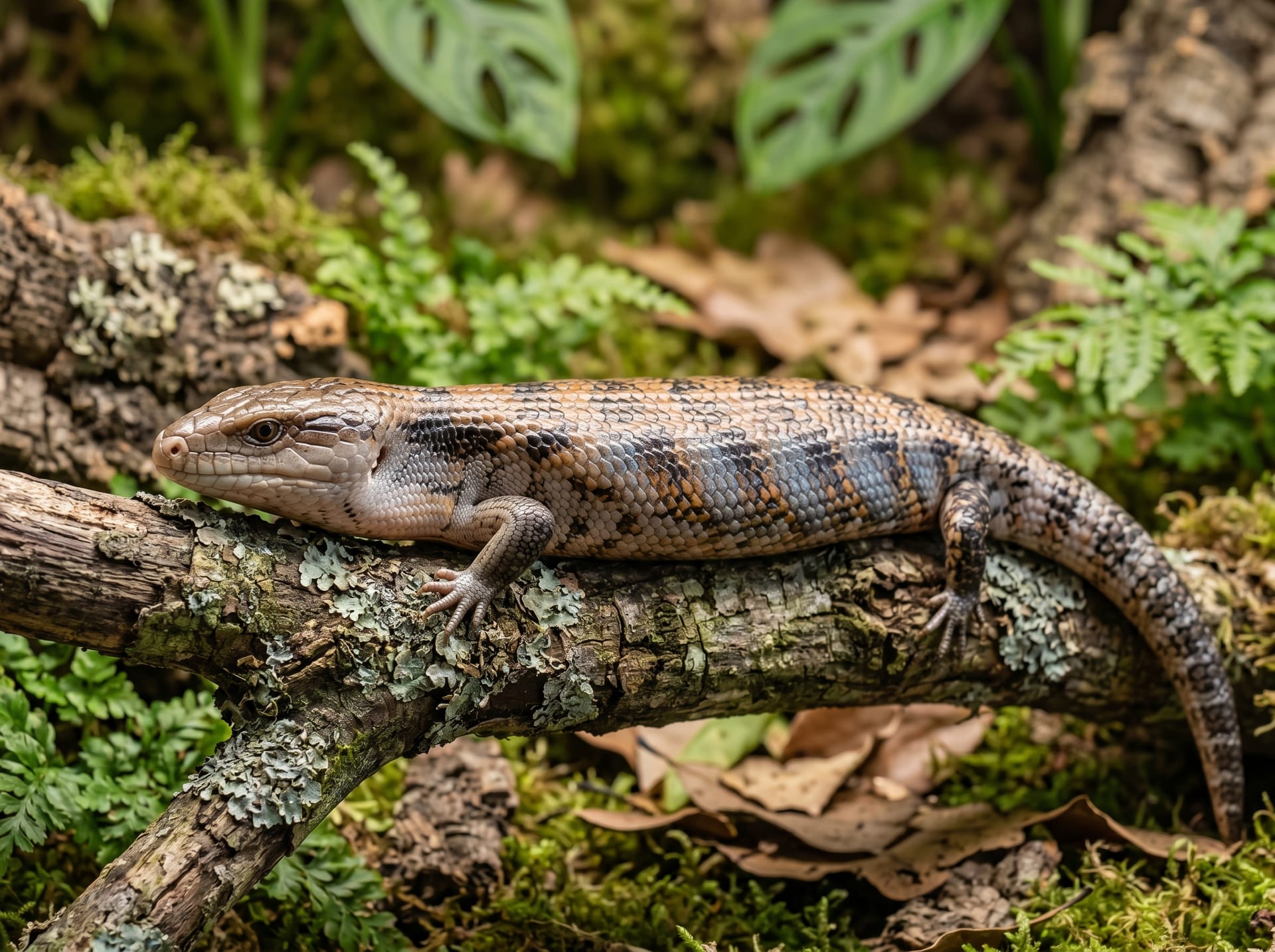
Reptiles are growing in popularity for their unique beauty and cool appeal that differs from dogs and cats. For beginners wondering "I'd love to try, but what should I choose?", we've carefully selected 15 species that offer a good balance of ease of care, availability, and cost.
Key Points for Beginners When Choosing a Reptile
- Difficulty of temperature and humidity management: Species requiring less specialized equipment are easier to start with
- Ease of obtaining food: Species that can eat frozen crickets or artificial food are simpler to manage
- Ease of handling: Whether the reptile can be held and touched comfortably
- Final adult size: Directly affects the required enclosure size
- Lifespan: Many reptiles live long lives—expect a 10–30 year commitment
If you're unsure which species to choose, check out Complete Comparison: Bearded Dragon vs. Leopard Gecko for reference.
15 Recommended Reptiles
1. Leopard Gecko (Eublepharis macularius)
- Difficulty: ★☆☆☆☆ (Very Easy)
- Price Range: 5,000–30,000 yen (varies by morph)
- Max Length: Approx. 20–25 cm
- Ideal Temperature: Basking spot 30–32°C / Cool zone 25–27°C
- Lifespan: 10–20 years
Pros: The gold standard for reptile beginners. Docile and quick to tame, easy to handle. Compact enclosure needs, and with hundreds of color morphs, collecting different individuals is popular.
Cons: Nocturnal—sleeps during the day. Requires live insects (though some individuals adapt to artificial food).
Care Tips: Use a heat panel to warm one-third of the enclosure. Provide a humid shelter to prevent shedding problems. Always dust feeder insects with calcium powder.
2. Bearded Dragon (Pogona vitticeps)
- Difficulty: ★★☆☆☆ (Easy)
- Price Range: 10,000–40,000 yen
- Max Length: Approx. 40–50 cm
- Ideal Temperature: Basking spot 35–40°C / Cool zone 25–28°C
- Lifespan: 8–12 years
Pros: Called "the dog of reptiles" for its friendliness. Diurnal and easy to observe. Omnivorous (vegetables and insects), making nutrition management straightforward. Highly expressive and very charming.
Cons: Requires a 90+ cm enclosure—takes up space. Initial setup with UV and basking lights is costly.
Care Tips: UVB lighting is essential (prevents metabolic bone disease). Increase vegetable ratio as they grow. Daily warm water soaks encourage hydration and bowel movements.
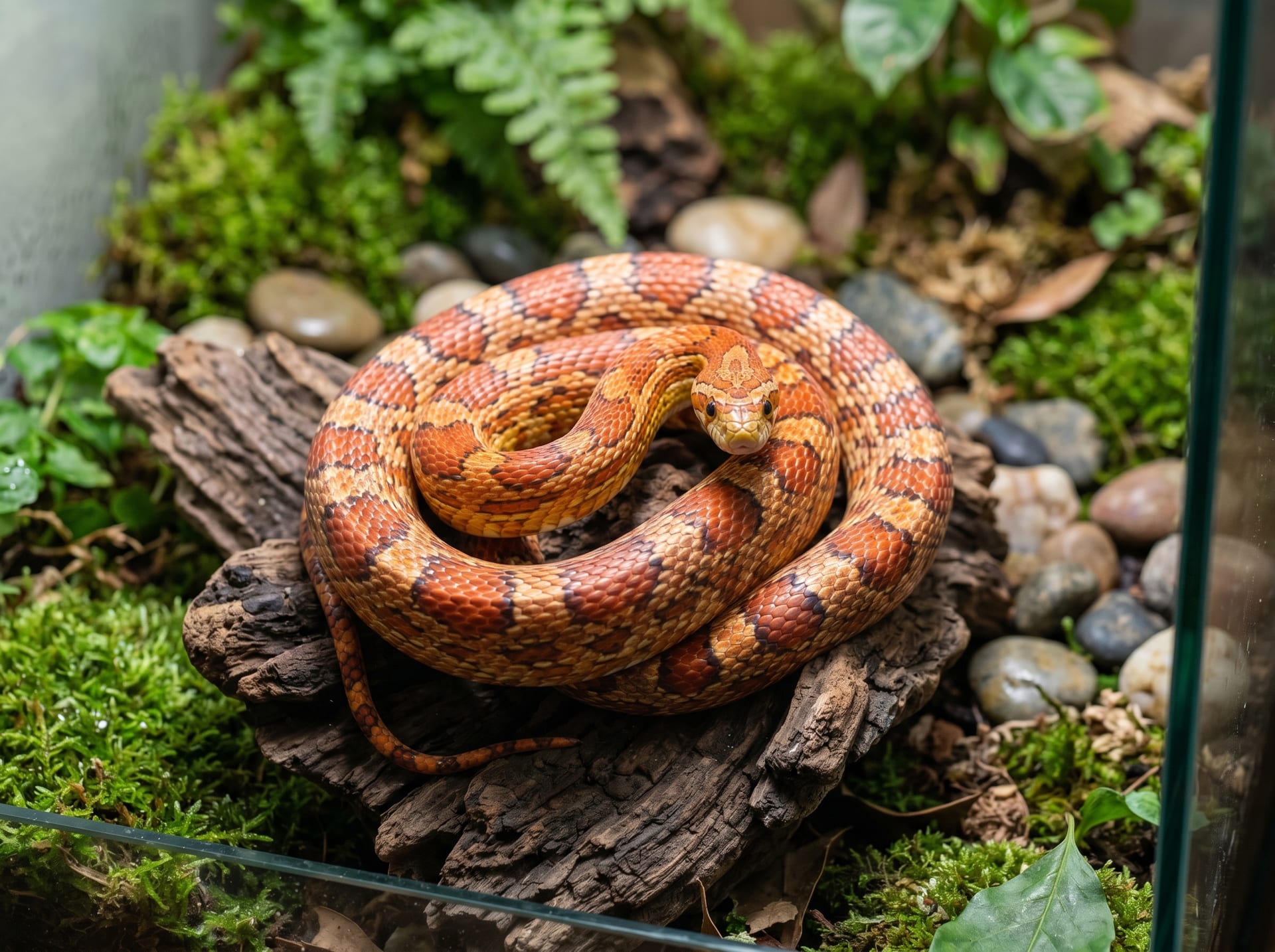
3. Corn Snake
- Difficulty: ★★☆☆☆ (Easy)
- Price Range: 8,000–30,000 yen
- Max Length: 100–150 cm
- Ideal Temperature: Basking spot 28–30°C / Cool zone 22–25°C
- Lifespan: 15–20 years
Pros: The go-to beginner snake. Incredible color morphs available—choose from red, yellow, white, black, and more. Feeds on frozen mice once weekly, making care easy. Generally docile and rarely bite.
Cons: Excellent escape artists. Need a sturdy, locking enclosure. Not ideal if you're uncomfortable with frozen mice.
Care Tips: Secure the enclosure lid with a proper lock. Choose shelters sized snugly to the snake's body. Increase humidity before shedding.
4. Ball Python
- Difficulty: ★★☆☆☆ (Easy)
- Price Range: 10,000–100,000 yen (varies greatly by morph)
- Max Length: 100–150 cm
- Ideal Temperature: Basking spot 30–32°C / Cool zone 26–28°C
- Lifespan: 20–30 years
Pros: Their coiled posture is adorable. Thousands of morphs worldwide—extremely collectible. Docile and ideal for handling.
Cons: Prone to refusing food. Winter temperature and humidity management is critical. Long lifespan requires long-term commitment.
Care Tips: Maintain 60–70% humidity. If refusing food, examine environment and remove stressors. Feed prey items about the same size as the snake's thickest body section.
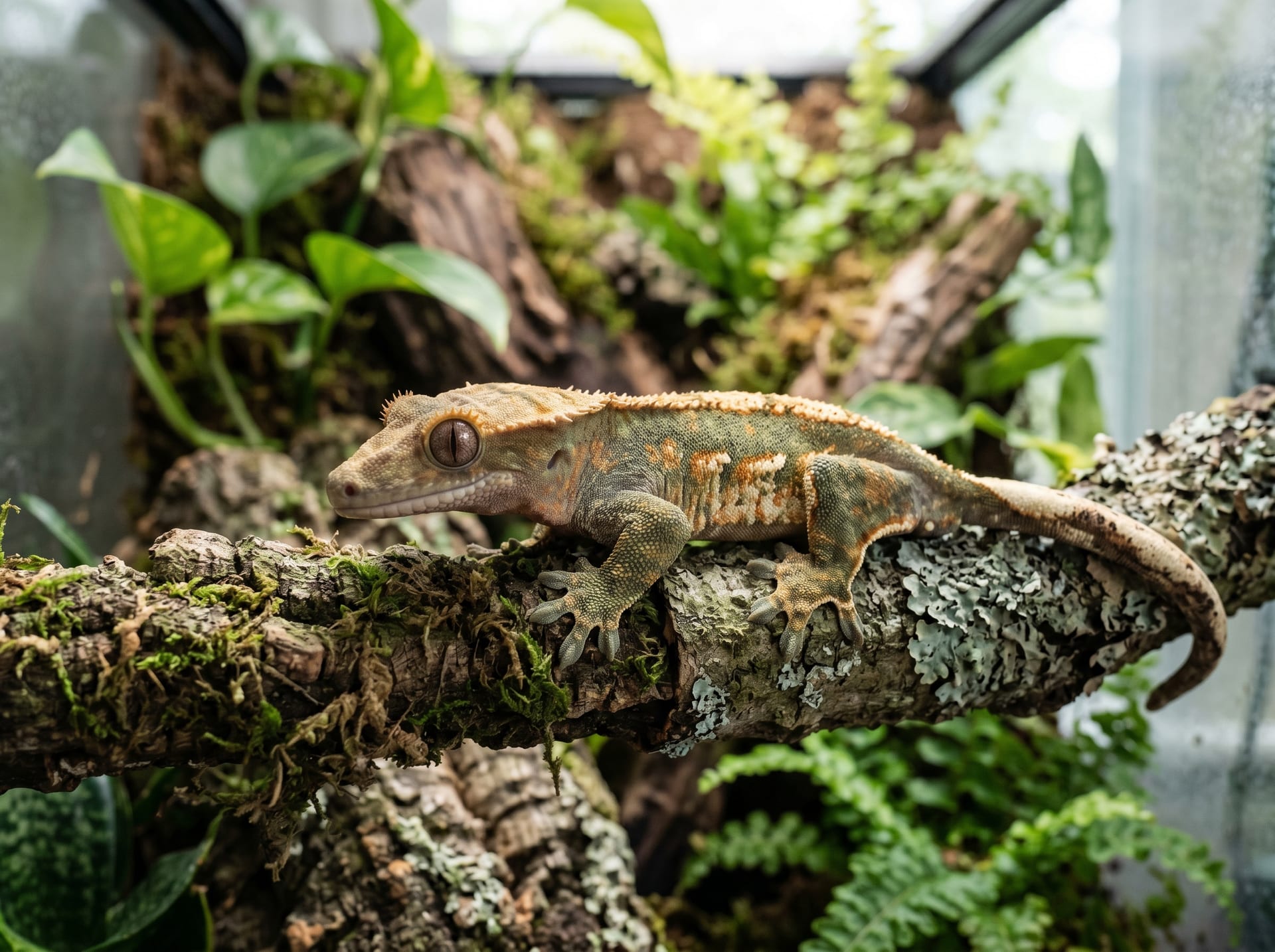
5. Crested Gecko
- Difficulty: ★★☆☆☆ (Easy)
- Price Range: 8,000–30,000 yen
- Max Length: Approx. 20 cm
- Ideal Temperature: 22–27°C (sensitive to high heat)
- Lifespan: 15–20 years
Pros: Adorable lash-like crests. Formulated diet (crested gecko food) available—ideal for those uncomfortable with insects. Hates high temperatures, so heating isn't needed year-round in some regions.
Cons: Tails don't regenerate once dropped. Sticks to walls, so escape risk is real. Somewhat shy.
Care Tips: Use a tall enclosure with driftwood and plants. Mist nightly to increase humidity. Offer crested gecko food at night.
6. West African Dwarf Gecko (Hemidactylus fasciatus)
- Difficulty: ★★☆☆☆ (Easy)
- Price Range: 10,000–50,000 yen
- Max Length: Approx. 20 cm
- Ideal Temperature: Basking spot 30–32°C / Cool zone 25–27°C
- Lifespan: 10–15 years
Pros: Similar care to leopard geckos but with a plumper body and larger eyes. New morphs emerging, growing in popularity.
Cons: More humidity-sensitive than leopard geckos. Less available commercially than leopard geckos.
Care Tips: Maintain 50–60% humidity. Humid shelter is essential. Often shyer than leopard geckos—acclimate slowly.
7. Hermann's Tortoise
- Difficulty: ★★★☆☆ (Moderate)
- Price Range: 15,000–40,000 yen
- Max Length: Approx. 20 cm
- Ideal Temperature: Basking spot 30–35°C / Cool zone 20–25°C
- Lifespan: 30–50 years
Pros: Docile and bonds with owner. Small tortoise suitable for indoor care. Vegetable-based diet is simple to manage.
Cons: UV lighting is mandatory. Extremely long lifespan—lifelong commitment. Winter temperature management requires care.
Care Tips: Install both UVB and basking lights. Feed primarily on bok choy and Chinese mustard greens. Regular warm water soaks for hydration.
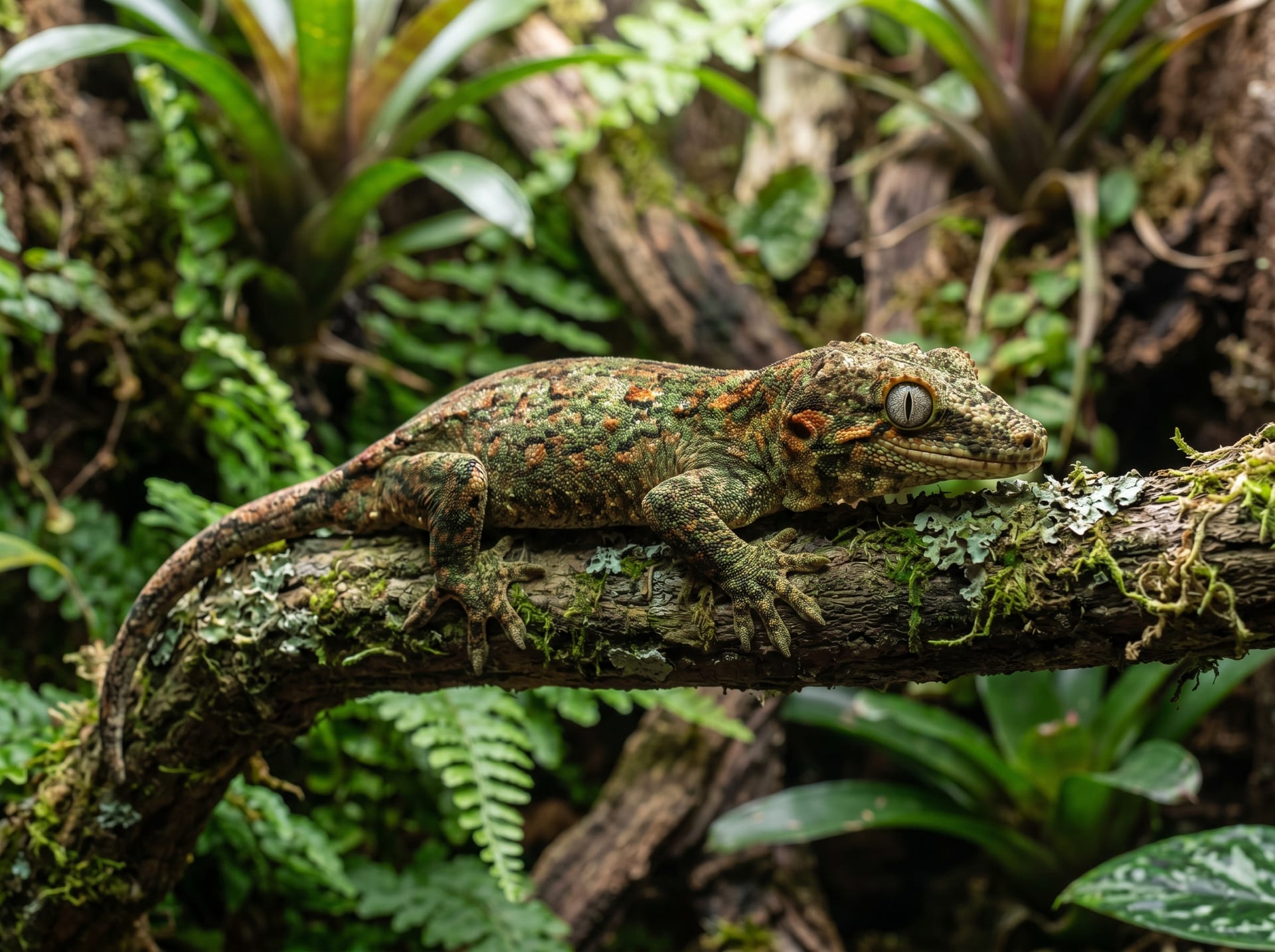
8. Gargoyle Gecko
- Difficulty: ★★☆☆☆ (Easy)
- Price Range: 15,000–50,000 yen
- Max Length: Approx. 20 cm
- Ideal Temperature: 22–27°C
- Lifespan: 15–20 years
Pros: Same care as crested geckos. Rugged appearance looks cool. Formulated diet compatible. Tame with handling.
Cons: Same-species aggression is common. More aggressive temperament than crested geckos.
Care Tips: Best kept individually. Tall enclosure with driftwood. Same environment as crested geckos works well.
9. Blue-Tongued Skink
- Difficulty: ★★☆☆☆ (Easy)
- Price Range: 15,000–40,000 yen
- Max Length: 45–60 cm
- Ideal Temperature: Basking spot 33–35°C / Cool zone 25–28°C
- Lifespan: 15–20 years
Pros: Distinctive blue tongue. Hardy and omnivorous with diverse diet options. Generally calm—ideal for handling.
Cons: Large size requires 90+ cm enclosure. Heavy waste output requires frequent cleaning.
Care Tips: Can eat dog or cat food as staple (adjusted for reptile nutrition). Basking light essential.
10. Leopard Tortoise (Stigmochelys pardalis)
- Difficulty: ★★★☆☆ (Moderate)
- Price Range: 15,000–30,000 yen
- Max Length: Approx. 15 cm
- Ideal Temperature: Basking spot 30–35°C / Cool zone 22–25°C
- Lifespan: 20–30 years
Pros: Flat shell is unique—the "pancake" name fits perfectly. Smallest tortoise, compact housing possible.
Cons: Natural burrowing habit requires careful enclosure design. Limited commercial availability.
Care Tips: Create hiding spots with flat stacked rocks. Vegetable-based diet. UVB lighting mandatory.
11. Russian Tortoise (Testudo horsfieldii)
- Difficulty: ★★☆☆☆ (Easy)
- Price Range: 8,000–20,000 yen
- Max Length: Approx. 20 cm
- Ideal Temperature: Basking spot 30–35°C / Cool zone 20–25°C
- Lifespan: 30–50 years
Pros: Hardy and tolerates cold well. Affordable and readily available. Active and fun to watch.
Cons: Digs extensively—needs 5+ cm substrate depth. Long lifespan requires commitment.
Care Tips: Substrate bed 5+ cm thick. Choose vegetables with good calcium-to-phosphorus ratios.
12. Green Anole
- Difficulty: ★★★☆☆ (Moderate)
- Price Range: 1,000–3,000 yen
- Max Length: Approx. 20 cm
- Ideal Temperature: 25–30°C
- Lifespan: 3–5 years
Pros: Brilliant green color. Inexpensive to start. Beautiful in a terrarium setup.
Cons: Not suitable for handling (escapes quickly). Requires live insects. Humidity management important.
Care Tips: Tall terrarium with live plants. Daily misting necessary. UV lighting recommended.
13. Savannah Monitor (Varanus exanthematicus)
- Difficulty: ★★★☆☆ (Moderate)
- Price Range: 10,000–30,000 yen
- Max Length: 80–120 cm
- Ideal Temperature: Basking spot 35–40°C / Cool zone 25–28°C
- Lifespan: 10–15 years
Pros: Smallest monitor, ideal for beginner monitor keepers. Intelligent—remembers owner.
Cons: Still requires 120+ cm enclosure when full-grown. Sharp claws require careful handling.
Care Tips: Handle frequently from youth to build tame temperament. Diverse diet: insects, quail eggs, etc.
14. Kenya Sand Boa
- Difficulty: ★★☆☆☆ (Easy)
- Price Range: 8,000–25,000 yen
- Max Length: 40–60 cm
- Ideal Temperature: Basking spot 33–35°C / Cool zone 25–28°C
- Lifespan: 15–20 years
Pros: Burrowing behavior is adorable. Eyes peeking from sand makes social media magic. Compact enclosure possible.
Cons: Spends most time buried—hard to observe. Some individuals are picky eaters.
Care Tips: Substrate 5+ cm aspen chips or sand. Warm thawed pink mice to body temperature for feeding.
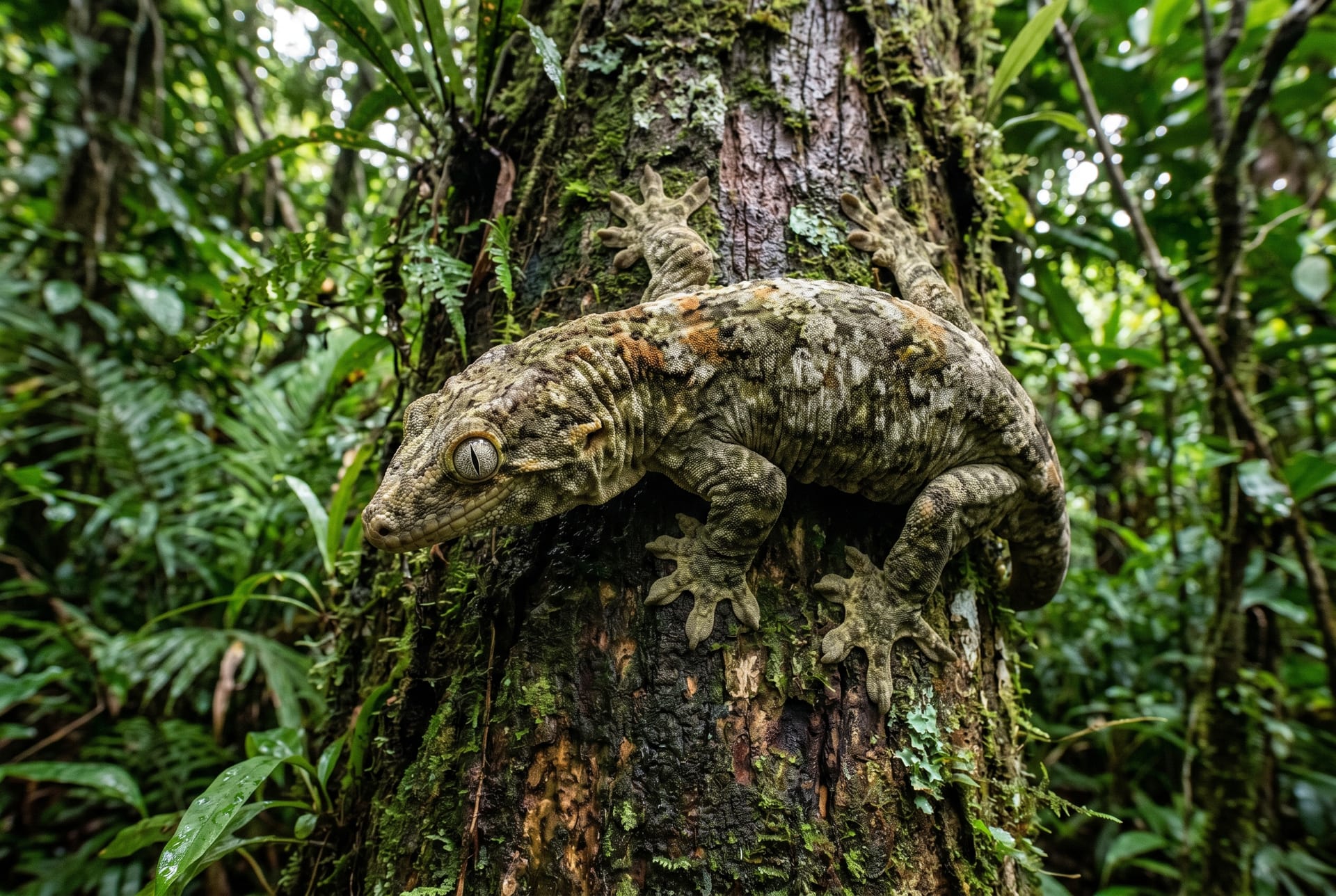
15. New Caledonian Giant Gecko (Rhacodactylus leachianus)
- Difficulty: ★★★☆☆ (Moderate)
- Price Range: 30,000–100,000 yen
- Max Length: 25–35 cm
- Ideal Temperature: 22–27°C
- Lifespan: 15–20 years
Pros: Large New Caledonian gecko. Formulated diet plus insects work. Impressive presence; handling possible when acclimated.
Cons: Expensive and hard to find. Large enclosure needed. Powerful bite.
Care Tips: Large tall enclosure with thick driftwood. Nightly misting for humidity control.
Beginner Equipment Guide
For Geckos and Small Lizards
| Item | Budget Estimate | Key Points |
|---|---|---|
| Enclosure (30–45 cm) | 3,000–8,000 yen | Glass terrariums popular |
| Heat Panel | 2,000–4,000 yen | Cover 1/3 of enclosure |
| Shelter | 500–1,500 yen | Both humid and dry options |
| Water Bowl | 300–500 yen | Change daily |
| Temperature/Humidity Gauge | 500–1,000 yen | Digital recommended |
| Total | ~6,500–15,000 yen |
For Tortoises and Large Lizards
| Item | Budget Estimate | Key Points |
|---|---|---|
| Enclosure (90+ cm) | 10,000–30,000 yen | DIY wood enclosures also viable |
| Basking Light | 1,500–3,000 yen | For basking spot |
| UVB Light | 3,000–6,000 yen | Essential for calcium absorption |
| Thermostat | 3,000–6,000 yen | Automatic temperature control |
| Water Bowl & Food Dish | 500–1,000 yen | |
| Total | ~18,000–46,000 yen |
Unsure about enclosure choice? Check 2026 Top 5 Reptile Enclosures or 2026 Top 5 UVB Lights for guidance.
Frequently Asked Questions (FAQ)
Q. Do reptiles smell? A. With proper cleaning, they're virtually odor-free. Regular fecal removal and periodic substrate changes maintain a nearly neutral-smelling environment.
Q. Do they have to eat live insects? A. Depends on species. Crested geckos thrive on formulated diet alone. Snakes manage on frozen mice. Some leopard geckos even adapt to artificial food.
Q. Can I keep them in an apartment? A. Yes—no noise and minimal odor make them apartment-friendly. Always check rental contracts for pet restrictions.
Q. Can families with children keep them? A. Leopard geckos and bearded dragons are docile and handle-friendly, popular with children. Always wash hands after handling (Salmonella prevention).
Q. Can they manage during my vacation? A. Snakes tolerate 1–2 weeks without food. Lizards and geckos manage 2–3 days with water available. For longer trips, ask friends to help or hire a pet sitter.
Related Content
- Reptile Temperature & Humidity Management Basics
- Benefits of Buying Reptiles from Breeders
- 2026 Top 5 Reptile Enclosures
- 2026 Top 5 UVB Lights
- Reptile Illness and Troubleshooting
At BreederDirect, you can purchase healthy reptiles directly from specialist breeders. Lineage information and care consultation are available. Find your perfect match in our reptile category.