5 Beginner-Friendly Reptiles Recommended | Carefully Selected Easy-to-Care Species
5 recommended reptile species for your debut in reptile keeping. Explaining difficulty level, cost, and characteristics of species like leopard geckos, bearded dragons, corn snakes, and more.

Key Takeaways
5 recommended reptile species for your debut in reptile keeping. Explaining difficulty level, cost, and characteristics of species like leopard geckos, bearded dragons, corn snakes, and more.
Related Species
The Appeal of Reptile Keeping and What to Know Before You Start
Reptiles are often perceived as "difficult" or "scary," but in reality, compared to dogs and cats, they don't vocalize and have minimal odor, making them easy to keep even in single apartments or shared housing. If you master temperature and humidity control, daily care becomes straightforward, and many enthusiasts find the unique cuteness so captivating they can't resist.
In this article, for those welcoming reptiles for the first time, I've carefully selected 5 species based on ease of care, availability, and how readily they adapt to humans. I've also compiled equipment cost estimates and precautions, so please refer to this when choosing your species.
1. Leopard Gecko
Care Difficulty: ★★☆☆☆ / Initial Cost Estimate: ¥20,000–50,000
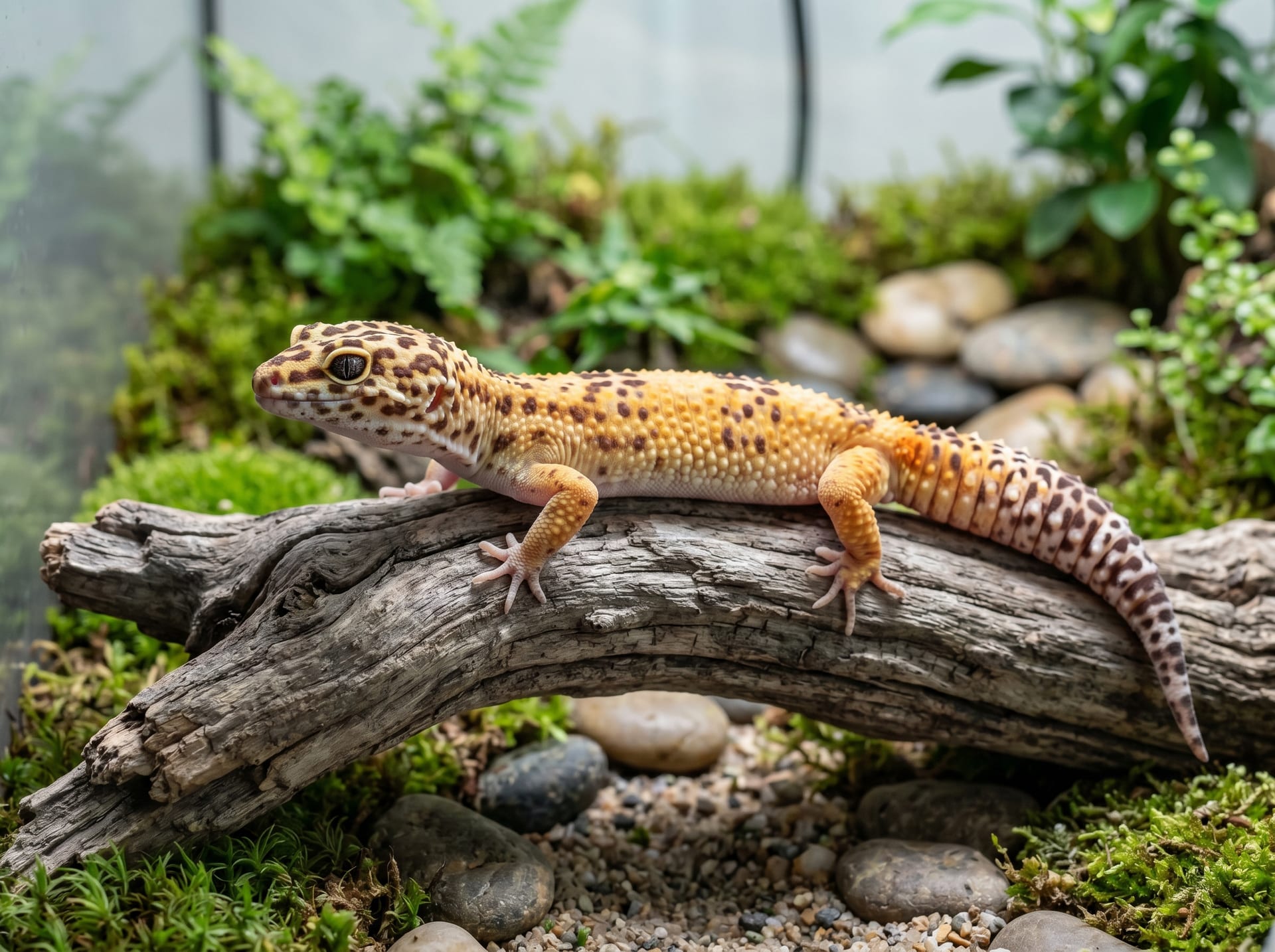
The leopard gecko (commonly known as "leo") is overwhelmingly popular domestically and internationally as an entry-level species for reptile keeping. At just 20–25 cm in length, they can be adequately housed in a plastic enclosure around 30 cm. Being nocturnal, they rest in shelters during the day and are active at night.
The biggest aspect of their care is temperature management. The ideal enclosure temperature is 25–30°C, which can be maintained simply by placing a heating pad on half the enclosure floor. UVB lighting is essentially unnecessary, making the setup simple and cost-effective.
Their diet centers on insects like crickets and mealworms, and many individuals can transition to artificial feed with experience. Through selective breeding called "morphs," they come in a wide variety of colors and patterns, and being able to choose an individual matching your aesthetic preference is one reason for their popularity.
2. Bearded Dragon
Care Difficulty: ★★★☆☆ / Initial Cost Estimate: ¥40,000–80,000
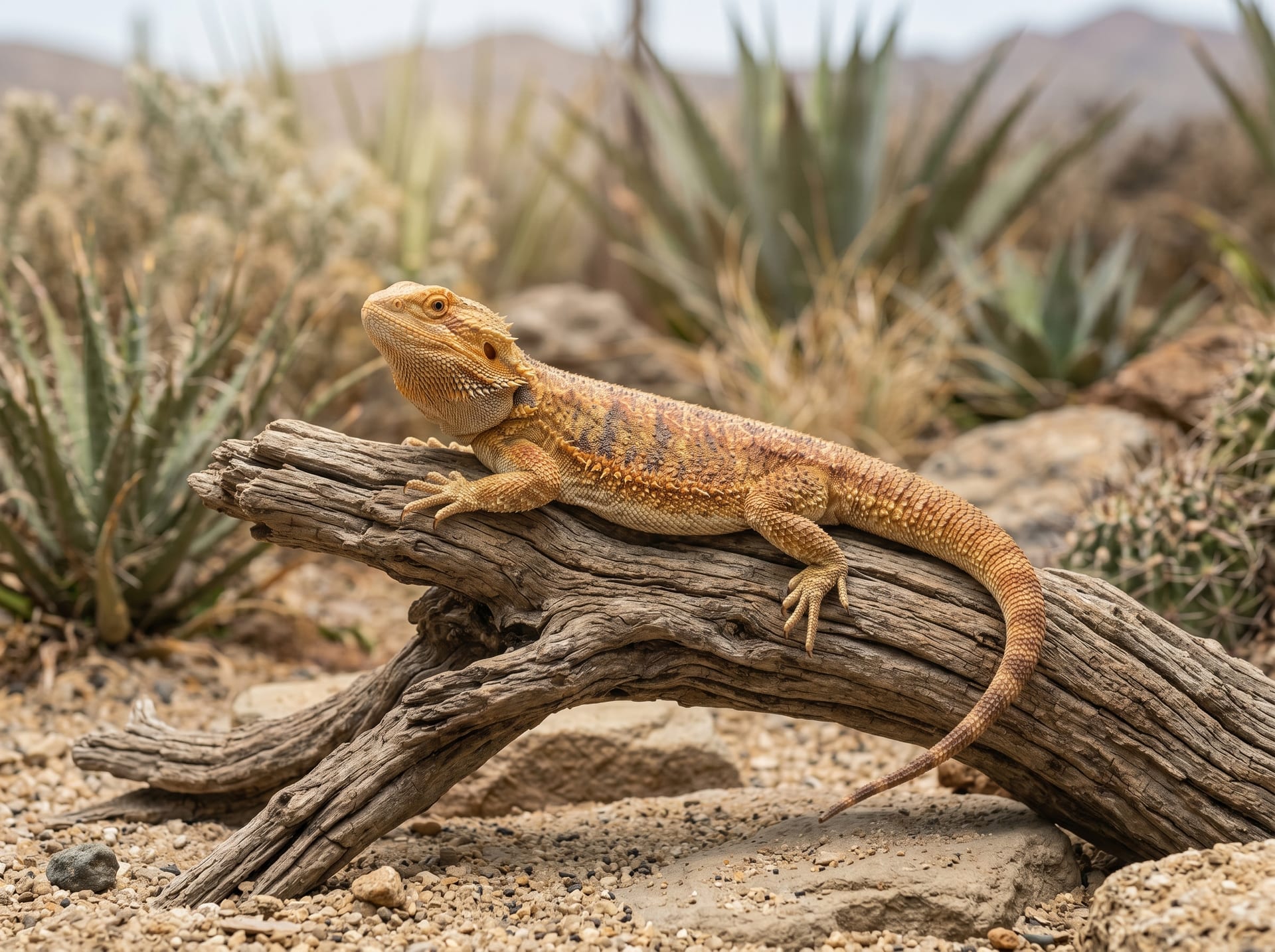
The bearded dragon is called the "dog of lizards" because it bonds easily with humans and can be enjoyed through handling (holding in your hands). They recognize their owner's face and can even take walks around the room together. Despite being a reptile, they offer high satisfaction as a pet and are strongly recommended to beginners alongside leopard geckos.
However, they grow to 40–55 cm in length, requiring an enclosure of at least 90 cm. Being diurnal, UVB lighting is essential for bone formation and immune system maintenance. The basking spot must be kept at 40–50°C, making equipment costs somewhat higher.
They are omnivorous, eating insects like crickets as well as vegetables such as bok choy and Chinese cabbage. As they grow, the proportion of plant matter increases, so manage their diet carefully to maintain nutritional balance.
3. Corn Snake
Care Difficulty: ★★☆☆☆ / Initial Cost Estimate: ¥15,000–40,000
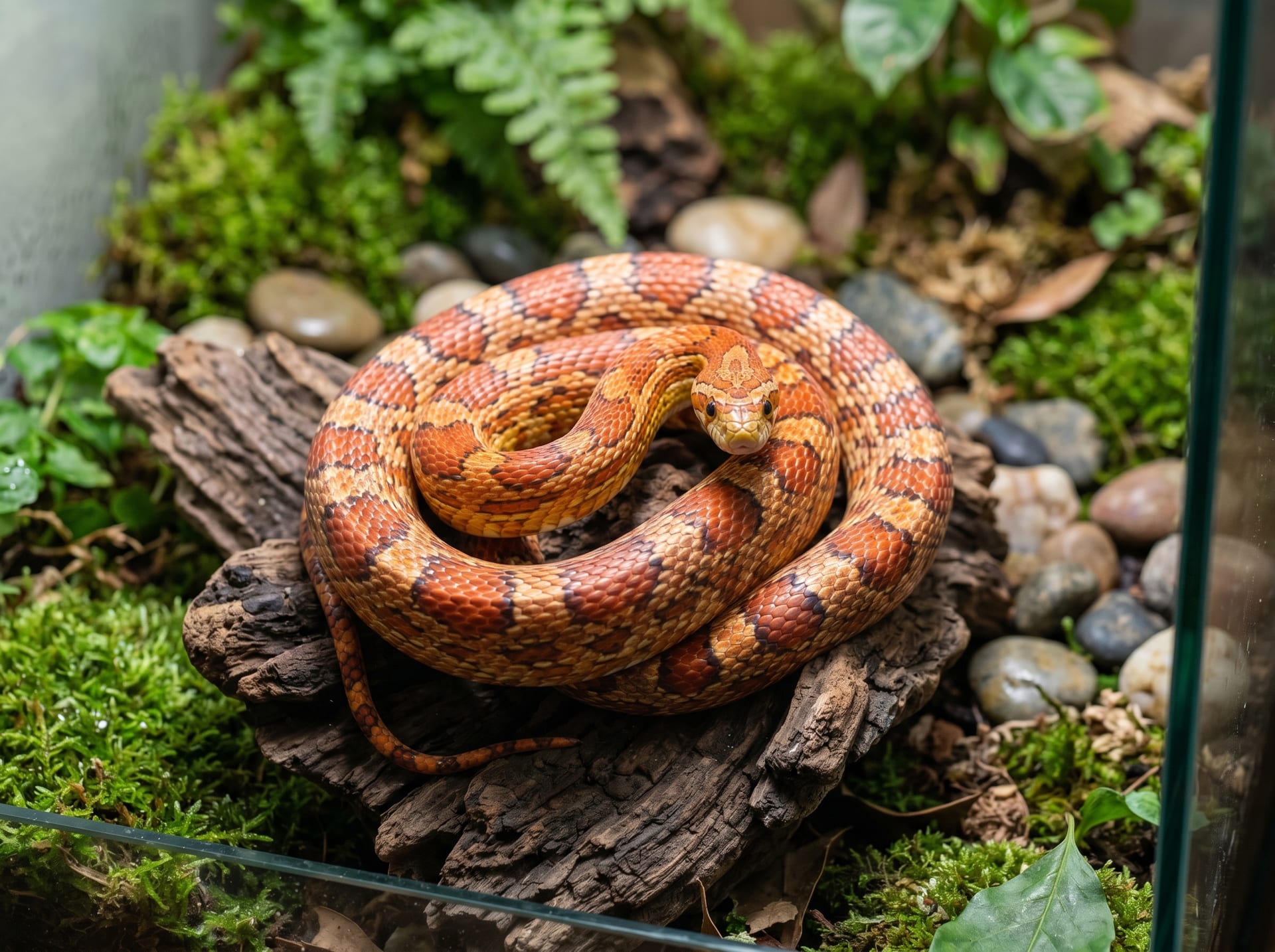
If someone asks, "I want a snake, but which one should my first be?" I would unhesitatingly recommend the corn snake. With a docile temperament, they rarely bite and have voracious appetites with minimal risk of anorexia (refusing to eat), making them safe for beginners to care for.
Adults reach about 100–120 cm in length, but because they're slender and docile, they can be comfortably housed in a 60–90 cm enclosure. Feeding them is simple—just thaw frozen mice and offer them. They only need feeding about once a week, making them ideal for busy individuals.
They come in abundant color variations (morphs), with diverse varieties in orange, red, white, black, and more in the market. Being relatively affordable, they're an ideal choice for those wanting to start reptile keeping on a budget.
4. Ball Python
Care Difficulty: ★★★☆☆ / Initial Cost Estimate: ¥20,000–100,000
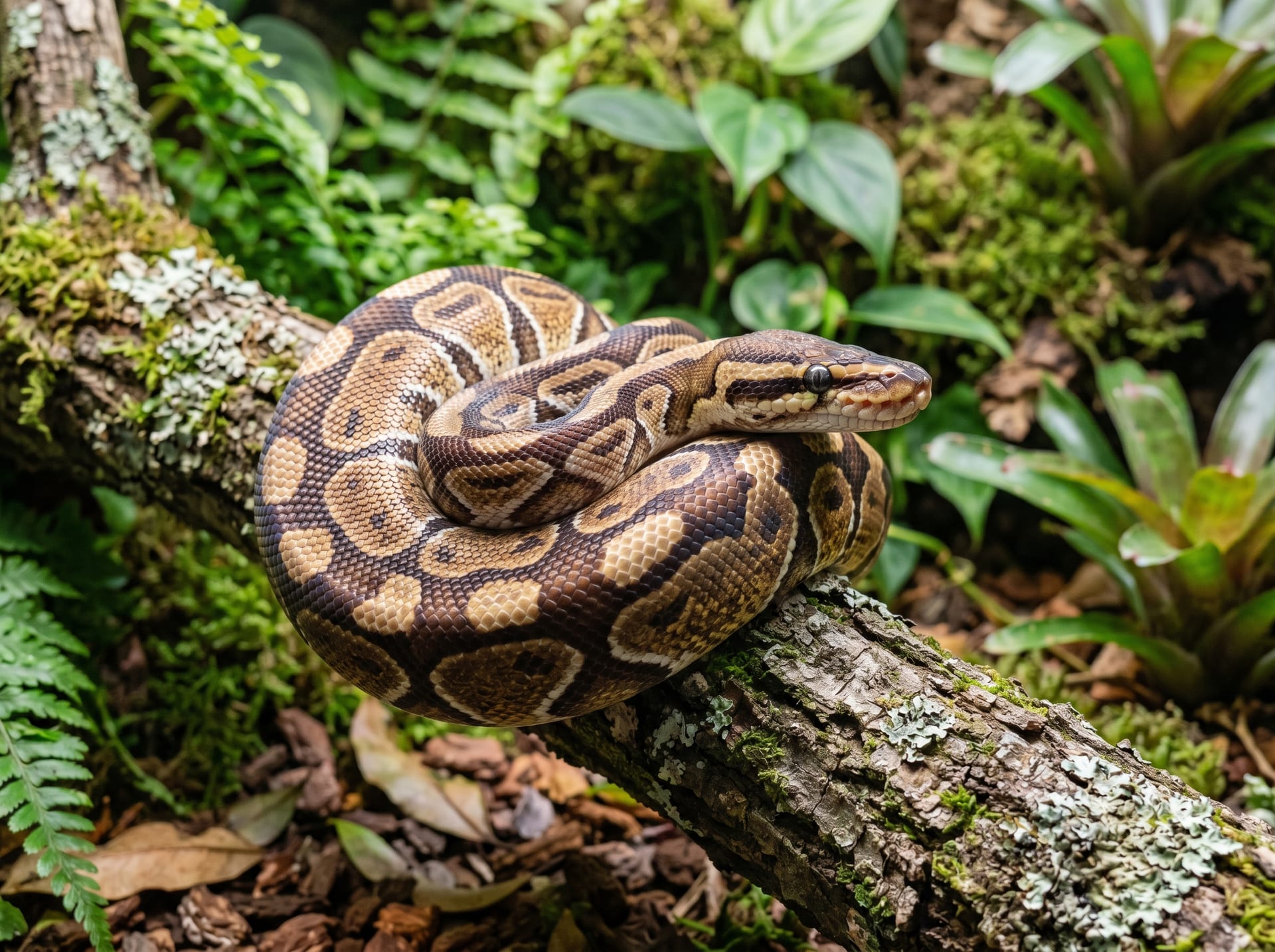
The ball python is especially popular among snakes due to its stocky build and docile temperament. It has the habit of curling into a ball when sensing danger (which gives it its name) and is almost never aggressive. While adults reach 100–150 cm, their sluggish movements make them easy to handle, and handling them is enjoyable.
The number of morphs worldwide is said to number in the thousands, which adds to their appeal as collectibles. Rare morphs can command prices of hundreds of thousands of yen, making them popular among those wanting to breed them in the future.
The key concern is anorexia. Ball pythons can refuse food for weeks to months due to temperature changes or environmental stress. While this can be worrying for beginners, healthy ball pythons can endure prolonged fasting. Rigorous temperature and humidity management and providing adequate hides can reduce the risk of anorexia.
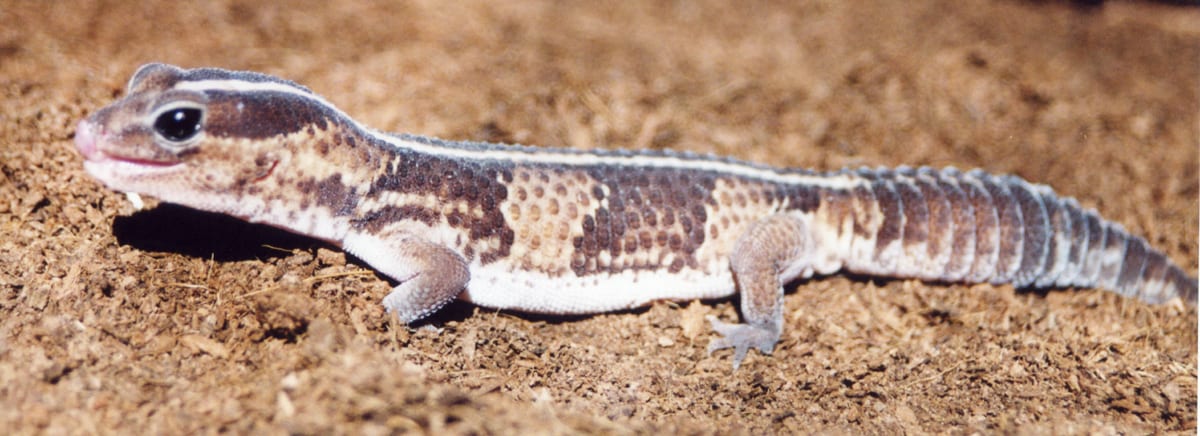
5. West African Dwarf Gecko
Care Difficulty: ★★☆☆☆ / Initial Cost Estimate: ¥20,000–50,000
They thrive in care environments similar to leopard geckos, making them popular as "the next gecko for leopard gecko keepers," but they're also gaining attention as an entry-level species thanks to their adorable appearance. Characterized by a chubby build, large eyes, and a stumpy tail, many choose them for their cuteness.
Their care is much like leopard geckos, with heating pads and moderate humidity management as the basics. The key difference is they prefer slightly higher humidity (60–80%) than leopard geckos, and using a wet shelter is effective.
They tend to have milder temperaments than leopard geckos and are said to have lower biting risk. Their slow movements make them easy to handle, allowing even those unfamiliar with reptiles to enjoy handling with confidence.
Summary: Choosing the Right Species for You
Let's briefly review the characteristics of the 5 species introduced.
| Species | Difficulty | Initial Cost | Recommended Points |
|---|---|---|---|
| Leopard Gecko | ★★☆☆☆ | ¥20,000–50,000 | Simple setup, abundant morphs |
| Bearded Dragon | ★★★☆☆ | ¥40,000–80,000 | Affectionate, can spend time together |
| Corn Snake | ★★☆☆☆ | ¥15,000–40,000 | Low cost, minimal anorexia risk |
| Ball Python | ★★★☆☆ | ¥20,000–100,000 | Diverse morphs, docile |
| West African Dwarf Gecko | ★★☆☆☆ | ¥20,000–50,000 | Mild-tempered, great for leo keepers too ◎ |
For your first reptile, I especially recommend the Leopard Gecko and Corn Snake. They require minimal equipment, minimal daily care, and there's abundant information available online.
When acquiring an individual, it's important to source from a trustworthy place where you can confirm their health status. Beyond pet shops, acquiring directly from specialized breeders has the advantage of learning more details about the individual's growing environment and temperament. As you take that step to welcome a precious life, please choose carefully.