[2026 Edition] 10 Common Reptile Care Mistakes and How to Avoid Them
A comprehensive guide to the top 10 mistakes beginners make when keeping reptiles—including temperature management errors, UVB deficiency, and neglected shedding issues. Learn specific prevention strategies for popular species like Leopard Geckos and Bearded Dragons.
Key Takeaways
A comprehensive guide to the top 10 mistakes beginners make when keeping reptiles—including temperature management errors, UVB deficiency, and neglected shedding issues. Learn specific prevention strategies for popular species like Leopard Geckos and Bearded Dragons.
Related Species
Reptiles are captivating pets, but their care requirements are completely different from dogs and cats. There are many critical management points—temperature, humidity, ultraviolet radiation, diet—that require knowledge to keep your reptile safe. In this article, we'll cover 10 common mistakes beginners make and provide practical solutions for each.
Mistake 1: Inadequate Temperature Management (Failing to Create a Temperature Gradient)
What's the mistake?
Keeping the entire enclosure at the same temperature, or worse, not using a heater at all.
Why is it dangerous?
Reptiles are ectothermic and cannot regulate their body temperature independently. In the wild, they move between sunny and shaded areas to adjust their temperature. Without a temperature gradient, serious issues develop: poor digestion, weakened immunity, and appetite loss.
Solution
Create a temperature gradient with a "hot spot" (30–35°C) and a "cool side" (24–27°C) within the enclosure
Use a thermostat for automatic temperature control. Manual management invites accidents
Install digital thermometers in both the hot and cool zones for continuous monitoring
Lower the temperature 2–3°C at night to replicate a natural cycle
Mistake 2: Not Using UVB Lighting—or Using the Wrong Kind
What's the mistake?
Assuming that indoor fluorescent lights are sufficient, or believing UVB is unnecessary because the species is nocturnal.
Why is it dangerous?
Without UVB, your reptile cannot synthesize Vitamin D3, which means calcium cannot be properly absorbed. This leads to Metabolic Bone Disease (MBD)—a devastating condition where bones weaken, causing jaw deformities, bone fractures, and seizures. In severe cases, it is fatal.
Solution
✍️
BreederDirect Editorial
The BreederDirect editorial team specializes in care information for animals, covering veterinary care and breeding to deliver beginner-friendly guides.
Find Reptiles on BreederDirect
Buy directly from verified breeders
Browse Related Listings
Find Reptiles listings related to this article on BreederDirect. Buy directly from verified breeders.
Even nocturnal species (Leopard Geckos, etc.) benefit from UVB 5.0 for maintaining health
UVB does not pass through glass, so place the lamp directly in the enclosure or mount it above a mesh top
UVB output drops significantly within 6 months, so replace every 6 months
Mistake 3: Ignoring Incomplete Shedding
What's the mistake?
Leaving shed skin stuck on your reptile, assuming it will come off naturally.
Why is it dangerous?
Old skin that remains on the toes or tail dries and constricts, cutting off blood circulation and causing tissue death. If skin adheres to the eyes, infection risk increases, potentially leading to blindness.
Solution
Keep a wet shelter (filled with damp sphagnum moss) in the enclosure at all times
When you notice the dull coloring that precedes shedding, increase misting frequency
Soak stuck skin in lukewarm water (around 30°C) for 15–20 minutes, then gently remove it with tweezers
Pulling forcefully damages the skin, so take your time and be gentle
Mistake 4: Neglecting Humidity Management
What's the mistake?
Not installing a humidity gauge, or failing to understand species-specific humidity requirements.
Why is it dangerous?
Keeping a dry-climate species in high humidity invites skin disease and respiratory infections. Conversely, keeping a humidity-loving species in a dry environment risks dehydration, shedding problems, and kidney damage.
Solution
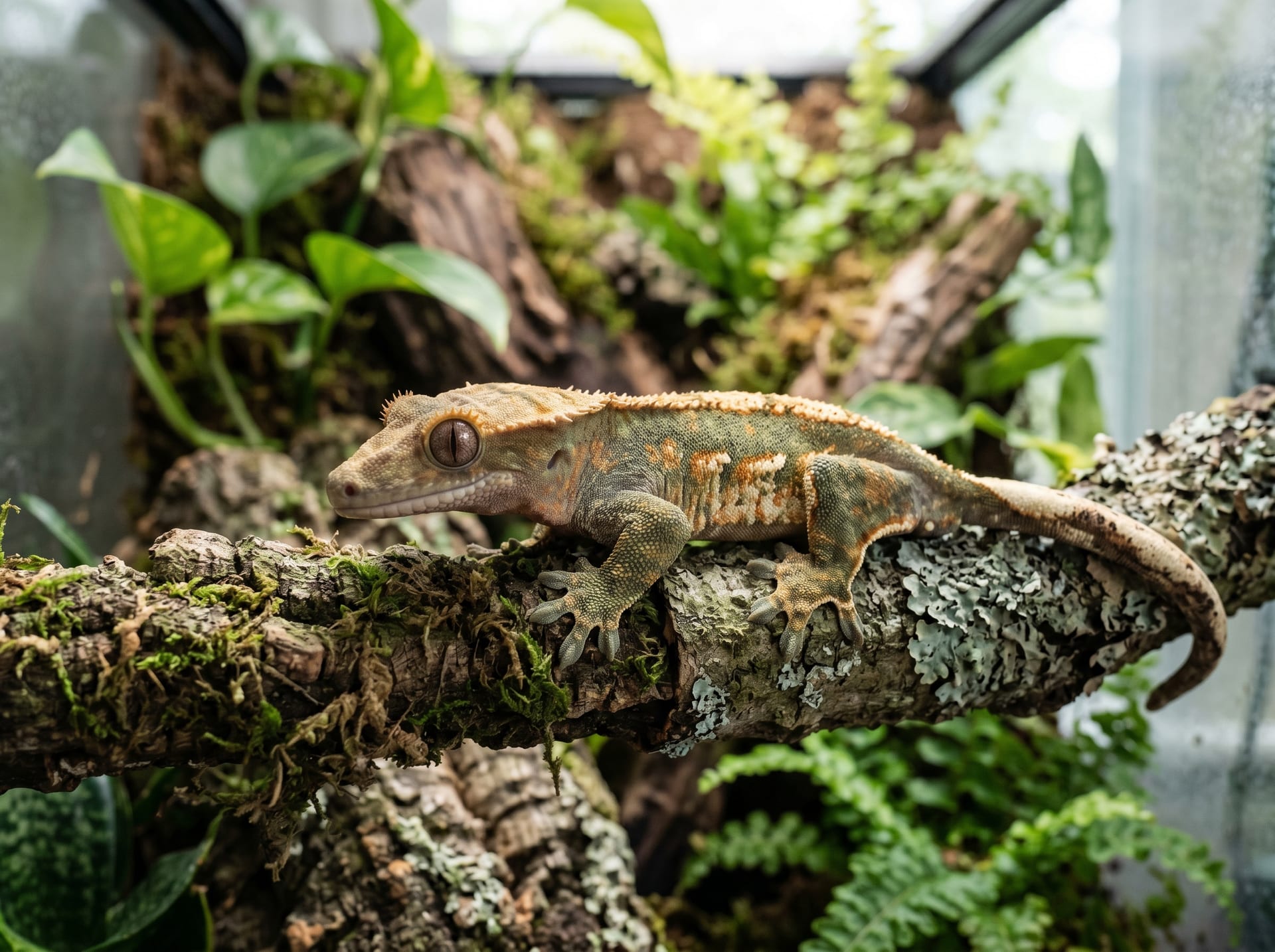
Leopard Gecko: 40–60% baseline; 80%+ inside the wet shelter
Chameleon: 50–80% (use drippers or misting systems)
Install a digital hygrometer in the enclosure and check it daily
Mistake 5: Choosing the Wrong Enclosure Size
What's the mistake?
Selecting a small enclosure because your reptile is young, thinking it will "grow into" a larger one later.
Why is it dangerous?
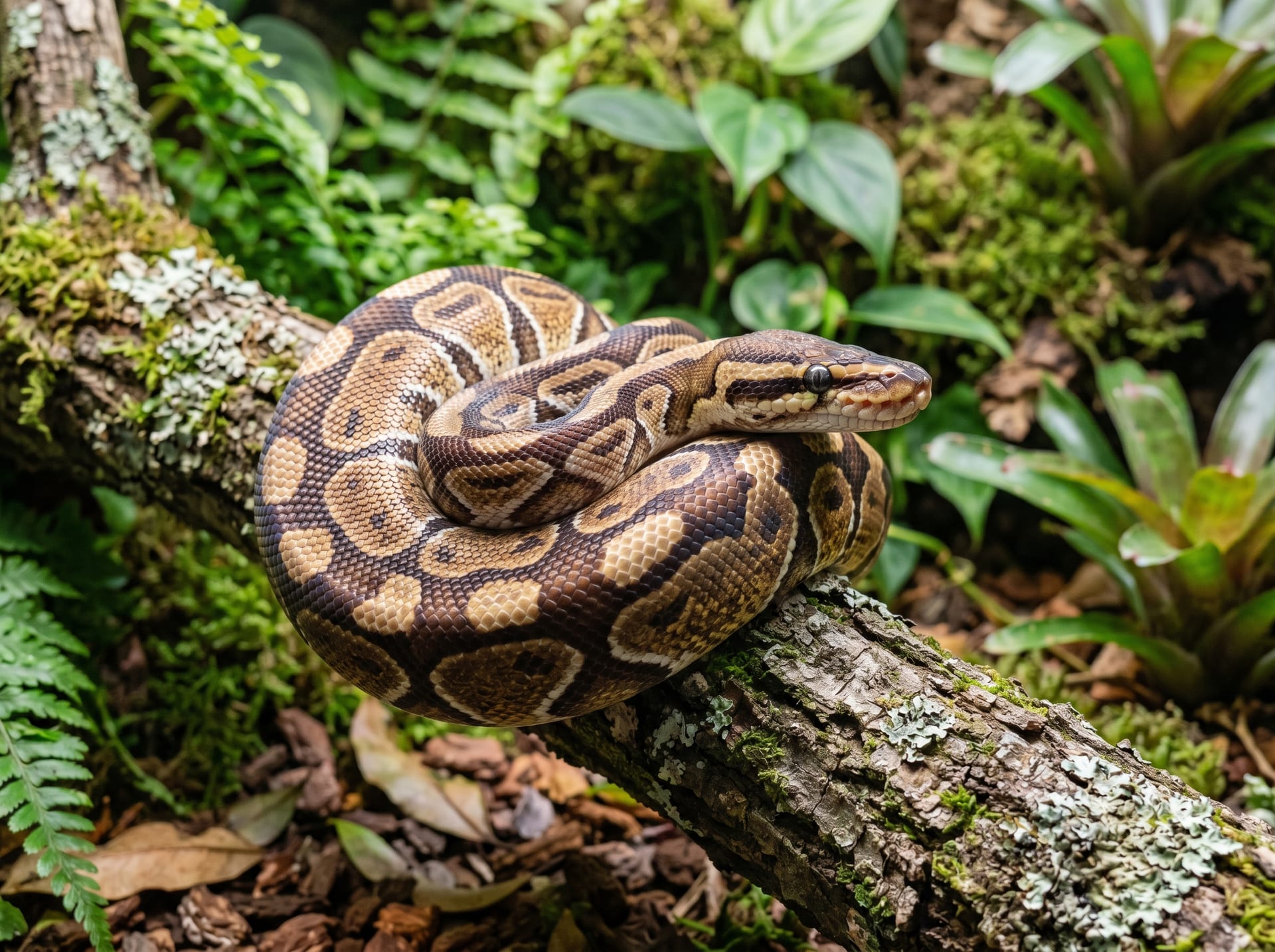
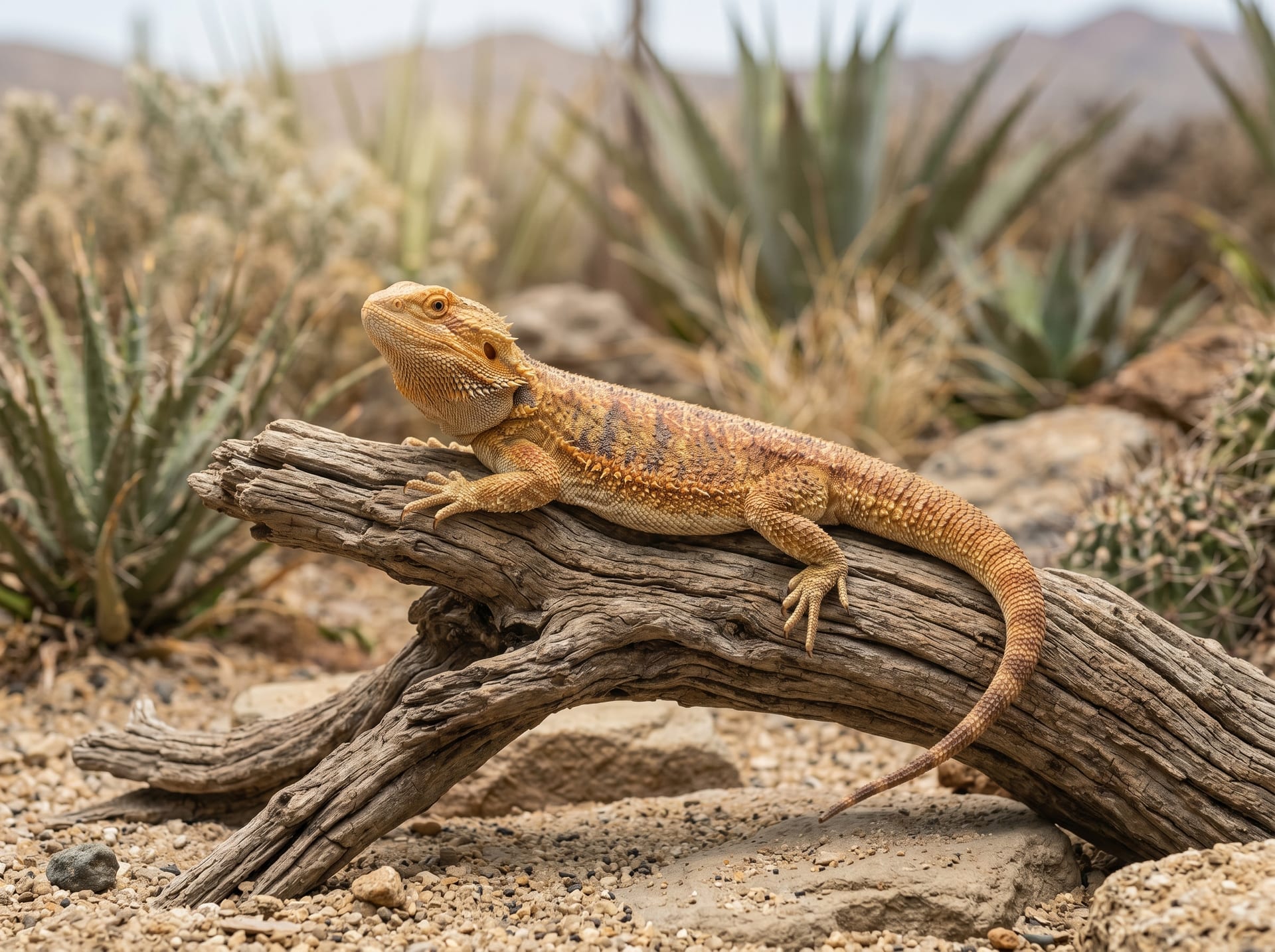
Final adult size varies dramatically by species. Ball Pythons reach 150cm; Bearded Dragons approach 50cm. A small enclosure prevents proper temperature gradients and causes stress, leading to appetite loss and self-injury.
What's the mistake?
Offering only crickets, or only mealworms—no dietary variety.
Why is it dangerous?
Single-food diets create nutritional imbalances and vitamin/mineral deficiencies. Mealworms, in particular, are high in fat and have a poor phosphorus-to-calcium ratio, making them unsuitable as a primary diet.
Solution
Staple food: Two-spotted crickets and house crickets
Supplementary foods: Dubia roaches, red roaches, silkworms (mealworms as occasional treats)
Gut loading: Feed insects vegetables and fruits before offering them to your reptile
For herbivorous or semi-herbivorous species (adult Bearded Dragons, etc.), increase vegetables and fruit
Mistake 7: Forgetting Calcium Supplementation
What's the mistake?
Skipping calcium dusting on insects, or not realizing it's essential.
Why is it dangerous?
Insectivorous reptiles cannot get sufficient calcium from insects alone. Prolonged deficiency causes MBD (Metabolic Bone Disease), resulting in skeletal deformities and seizures.
Solution
Dust with calcium powder (without D3) every feeding
Use Vitamin D3-fortified calcium 1–2 times per week
Multivitamins should be given 2–4 times per month (excess risks Vitamin A toxicity)
Young, growing reptiles have especially high calcium demands, so be diligent with every dusting
Mistake 8: Handling Too Much Immediately After Bringing Your Reptile Home
What's the mistake?
Frequently handling or removing your new reptile from the enclosure shortly after purchase.
Why is it dangerous?
Already stressed by an extreme environmental change, additional handling pushes your reptile into crisis: appetite loss, diarrhea, and immune collapse. In extreme cases, stress can be fatal.
Solution
Avoid handling for at least 1 week after bringing your reptile home. Drape part of the enclosure with a towel for security
First, confirm that the reptile eats normally and has regular bowel movements
Start with short sessions (around 5 minutes) and gradually increase duration
If your reptile shows signs of stress (gaping, tail thrashing, body puffing), return it immediately
Mistake 9: Forgetting When to Replace Your UVB Light
What's the mistake?
Assuming the UVB light is fine because it's still producing visible light, then never replacing it.
Why is it dangerous?
UVB lamps lose most of their UVB output within 6 months, even though they appear bright. Many keepers feel secure that "the light is on" without realizing that UVB output has virtually ceased—by the time MBD symptoms appear, the disease is already advanced.
Solution
Replace every 6 months—set a phone reminder
If possible, use a UVB meter (like a Solarmeter) to periodically measure output
T5 lamps last longer than T8, but still should be replaced within 12 months at the latest
Mistake 10: Not Researching Reptile-Competent Veterinarians in Advance
What's the mistake?
Waiting until your reptile is sick to search for a veterinarian.
Why is it dangerous?
Veterinarians equipped to treat reptiles are extremely rare. In emergencies, you may find no available specialist, and your reptile could die. Additionally, understanding zoonotic diseases like Salmonella transmitted from reptiles is crucial for your household's health.
Solution
Before bringing your reptile home, identify at least 2–3 reptile-competent veterinary clinics
Confirm they offer "exotic animal care" and "reptile diagnostics"
Ideally, schedule a yearly health checkup while your reptile is healthy (including parasite and fecal screening)
The Japan Herpetological and Amphibian Association website has a searchable directory of specialists
Summary: A Checklist to Avoid Common Reptile Care Mistakes
Establish your temperature and humidity management system before bringing your reptile home
Never skip UVB and calcium—these are non-negotiable
Secure veterinary care in advance. It's too late once a crisis strikes
Frequently Asked Questions (FAQ)
Q. Is reptile keeping expensive in terms of electricity?
A. Running heaters, lights, and thermostats 24/7 costs roughly ¥1,000–3,000 per month. Larger species may cost more.
Q. Which reptile is best for beginners?
A. The Leopard Gecko is the hands-down best starter reptile. They have a calm temperament, require compact enclosures, are relatively easy to maintain at room temperature, and their food is readily available.
Q. Do reptiles bond with their owners?
A. They don't "bond" in the way dogs do, but many become comfortable around humans and lose their fear through handling. Bearded Dragons and Ball Pythons, in particular, are known for being receptive to human interaction.
Q. How do I care for my reptile while traveling?
A. For 2–3 days, most species only need water. For trips longer than a week, ask someone experienced with reptile care or hire a pet sitter.
At BreederDirect, you can purchase reptiles directly from specialized breeders. A major advantage is consulting with breeders directly about your setup and learning details about morphs.
![[2026 Edition] 10 Common Reptile Care Mistakes and How to Avoid Them](https://img.br-choku.com/column-images/_pool/hero-1778702323799-8vg480.jpg)