[2026 Edition] 15 Beginner-Friendly Saltwater Fish | How to Choose and Care Tips
15 carefully selected species recommended for saltwater fish-keeping beginners. Detailed explanations of difficulty level, equipment, and costs for Ocellaris Clownfish, Azure Damselfish, and more.
![[2026 Edition] 15 Beginner-Friendly Saltwater Fish | How to Choose and Care Tips](https://img.br-choku.com/column-images/marine-fish-wrasse-haremic-behavior-guide/hero-1778525537565.jpg)
Key Takeaways
15 carefully selected species recommended for saltwater fish-keeping beginners. Detailed explanations of difficulty level, equipment, and costs for Ocellaris Clownfish, Azure Damselfish, and more.
Related Species
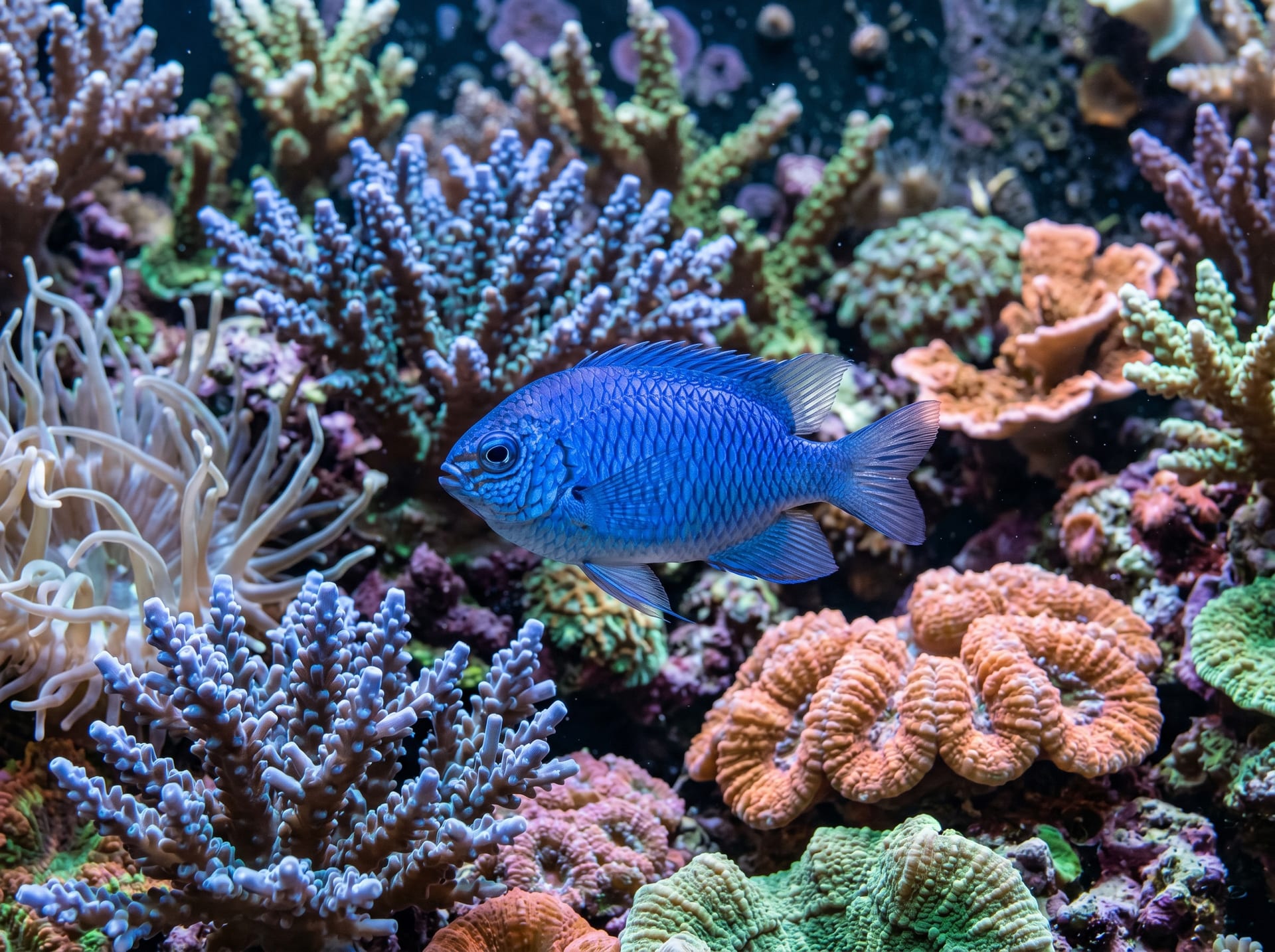
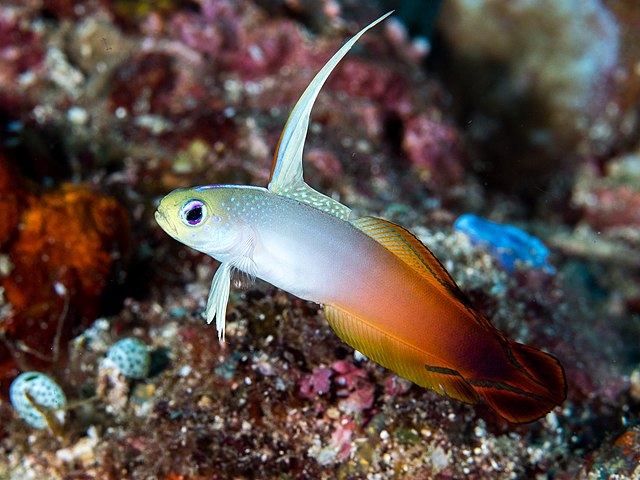
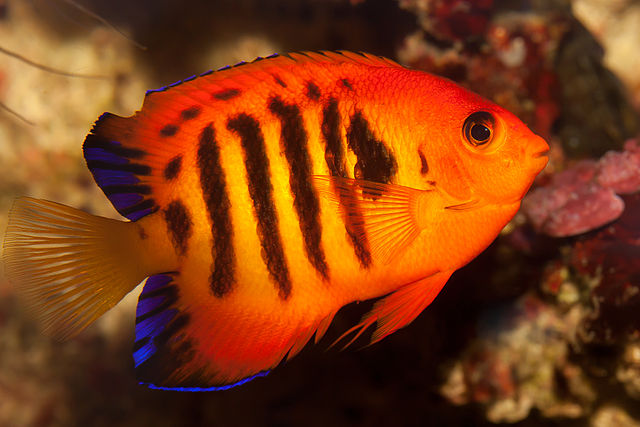
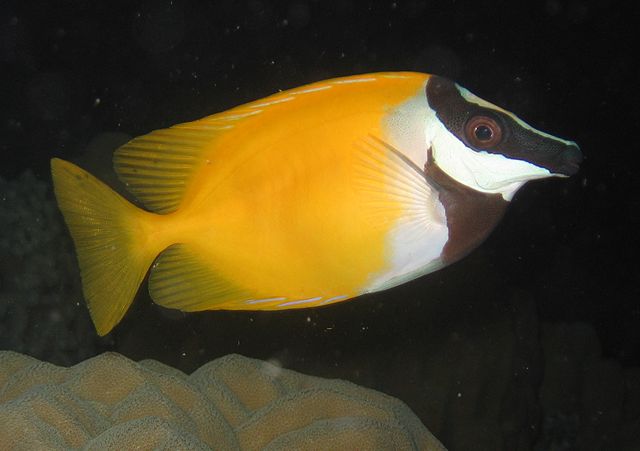
The greatest appeal of saltwater fish is the vibrant colors you won't find in freshwater species. "Saltwater seems difficult" is a common misconception, but if you start with hardy, easy-to-keep species, beginners can enjoy saltwater aquariums too. Here, we've selected 15 saltwater fish species that work well as a first choice and explain the characteristics and care tips for each.
Key Points for Beginners When Choosing Saltwater Fish
- Hardiness: Choose species that tolerate water quality fluctuations to minimize failure
- Feeding ease: Species that readily accept artificial food make management much easier
- Temperament: For multi-species tanks, prioritize gentle species with low aggression
- Adult size: Verify the fish's final length matches your tank capacity
- Compatibility with coral: If you plan to keep coral, choose species that won't damage it
The key to enjoying saltwater fish long-term is to start with hardy species to get used to tank setup, and then gradually challenge yourself with more difficult species once things are stable.
15 Recommended Saltwater Fish
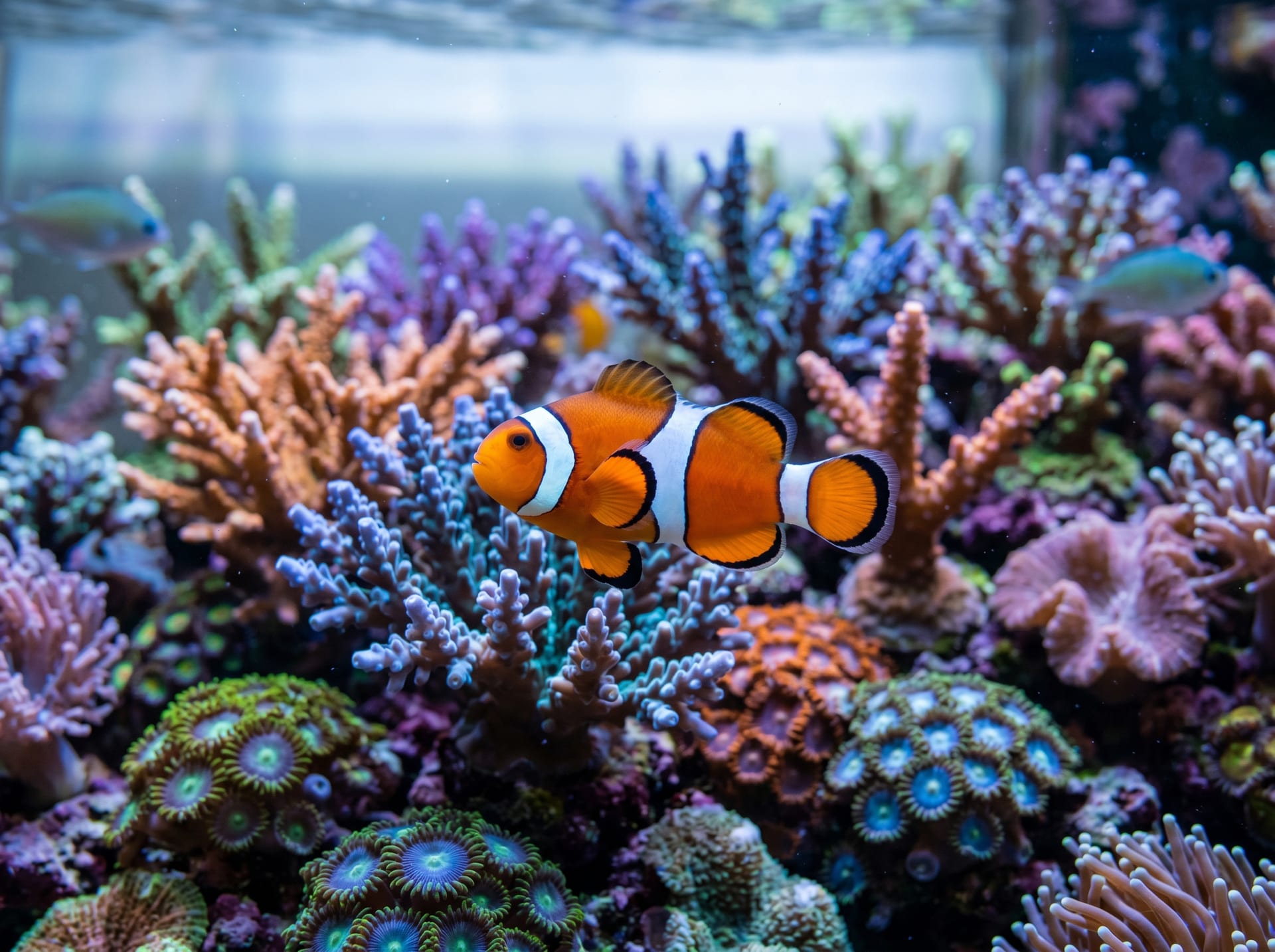
1. Ocellaris Clownfish
- Difficulty: ★☆☆☆☆ / Price: $15–30 / Adult size: 8cm / Lifespan: 10–15 years
Pros: Famous from the movie "Nemo." Extremely hardy and a classic for saltwater beginners. Hiding in anemones is adorable. Captive-bred individuals are readily available. Cons: Same species may fight intensely with each other (caution needed for mixing other than pairs). Care tips: Best kept as a pair. Can thrive without an anemone. Readily accepts artificial food.
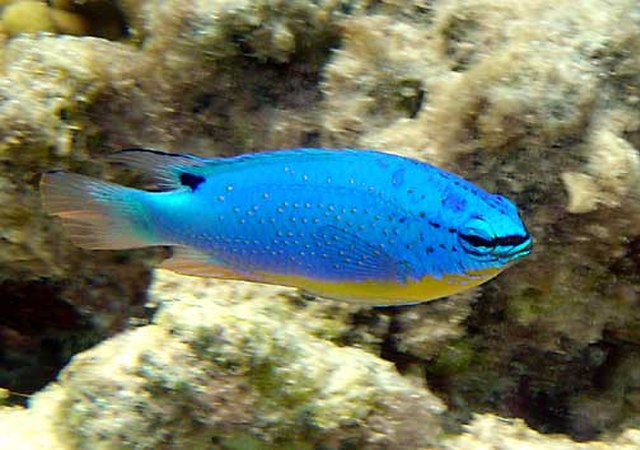
2. Azure Damselfish
- Difficulty: ★☆☆☆☆ / Price: $4–10 / Adult size: 6cm / Lifespan: 5–8 years
Pros: Beautiful pale blue-green coloring. Extremely hardy and affordable. Stunning when kept in a school. Gentle and compatible with other fish. Cons: Some may find the coloring plain. Care tips: Keep 5 or more for schooling effect—very striking. Ideal as a pilot fish.
3. Pictichthys
- Difficulty: ★★☆☆☆ / Price: $10–25 / Adult size: 7cm / Lifespan: 3–5 years
Pros: White body with red head and distinctive raised dorsal fins. Gentle and compatible with other fish. Perfect for coral tanks. Cons: Timid and prone to jumping out. A tank cover is essential. Care tips: Install a tight-fitting cover. Keeping as a pair increases confidence and makes them more visible.
4. Blue Damselfish
- Difficulty: ★☆☆☆☆ / Price: $4–10 / Adult size: 6cm / Lifespan: 5–8 years
Pros: Vibrant cobalt blue stands out beautifully in the tank. Hardy and affordable. Cons: Strong territorial behavior and aggression. Mix with caution. Care tips: Provide multiple hiding spots to distribute territory. Keep in small numbers.
5. Royal Gramma
- Difficulty: ★★☆☆☆ / Price: $30–60 / Adult size: 8cm / Lifespan: 5–8 years
Pros: Striking two-tone coloring—purple front half, yellow back half. Hardy and readily accepts artificial food. Cons: Stays hidden, occasionally peeking out from rock crevices. Care tips: Create hiding spots with live rock. Avoid keeping multiple individuals of the same species.
6. Flame Angelfish
- Difficulty: ★★☆☆☆ / Price: $45–120 / Adult size: 10cm / Lifespan: 5–8 years
Pros: Bright red body with black vertical stripes. Especially popular among dwarf angelfish. Hardy and easy to care for. Cons: May nip at coral (individual variation). Cannot keep multiple individuals of the same species together. Care tips: For coral tanks, it depends on the individual's personality. Readily accepts artificial food. For more details, see Angelfish Selection Guide.
7. Mandarin Fish
- Difficulty: ★★★☆☆ / Price: $20–45 / Adult size: 6cm / Lifespan: 5–8 years
Pros: Psychedelic patterns rank among the most beautiful in saltwater fish. Unique slow, graceful swimming style. Cons: Prefers copepods (tiny crustaceans) and is difficult to convert to artificial food. Requires a mature tank with established live rock. Care tips: Introduce only after 3+ months in an established tank. Practice feeding with frozen brine shrimp.
8. Yellow-tailed Blue Damselfish
- Difficulty: ★☆☆☆☆ / Price: $4–10 / Adult size: 6cm / Lifespan: 5–8 years
Pros: Beautiful combination of blue body and yellow tail. Extremely hardy. Cons: Aggressive like the Blue Damselfish. Care tips: Best kept in small numbers. Provide plenty of hiding spots.
9. Yellow Tang
- Difficulty: ★★☆☆☆ / Price: $75–200 / Adult size: 20cm / Lifespan: 5–10 years
Pros: Beautiful lemon-yellow coloring. Eats algae—serves as cleanup crew. Hardy and easy to care for. Cons: Grows large, requiring a 90cm+ tank. Expensive. Care tips: Focus on vegetable-based foods. Avoid keeping multiple individuals of the same species.
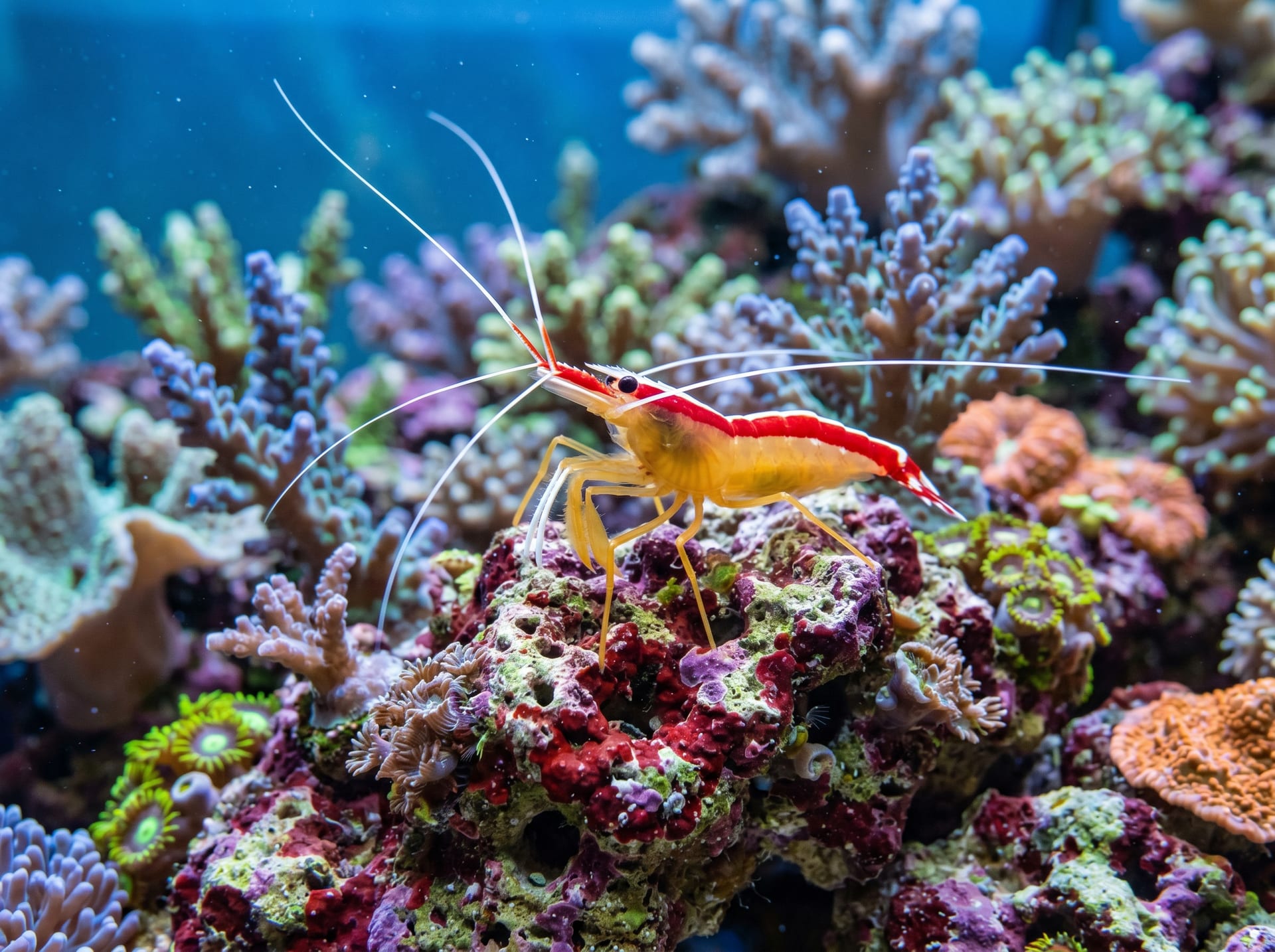
10. Skunk Cleaner Shrimp
- Difficulty: ★★☆☆☆ / Price: $15–35 / Adult size: 6cm / Lifespan: 2–3 years
Pros: A "cleaner shrimp" that eats parasites off fish. Beautiful red and white stripes. Cons: Vulnerable immediately after molting. Can be eaten by large fish. Care tips: Shines in fish tank environments. Add iodine supplements to promote healthy molting.
11. One-spot Foxface
- Difficulty: ★★☆☆☆ / Price: $30–75 / Adult size: 20cm / Lifespan: 5–10 years
Pros: Stylish white body with black markings. Eats stubborn algae like bubble algae—a valuable asset. Excellent maintenance fish. Cons: Venomous spines on dorsal fin—handle with care. Grows large. Care tips: Excellent as a maintenance fish. Provide a generous tank.
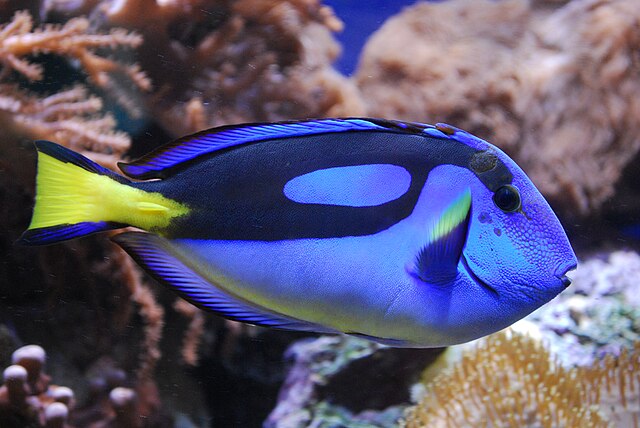
12. Regal Blue Tang
- Difficulty: ★★★☆☆ / Price: $45–120 / Adult size: 25cm / Lifespan: 10–20 years
Pros: Famous from the movie "Finding Nemo" (Dory). Beautiful bright blue and yellow coloring. Cons: Prone to white-spot disease. Grows large, requiring a 120cm+ tank. Care tips: Minimize stress in a spacious tank. Keep water quality stable to prevent white-spot disease.
13. Cardinalfish
- Difficulty: ★★☆☆☆ / Price: $15–35 / Adult size: 8cm / Lifespan: 3–5 years
Pros: Black and white stripes with star markings. Beautiful schooling display. Gentle and perfect for coral tanks. Cons: Somewhat timid and tends to hide. Care tips: Keep 3–5 for a beautiful schooling effect. Prefers low-flow areas.
14. Lemonpeel Angelfish
- Difficulty: ★★☆☆☆ / Price: $45–90 / Adult size: 10cm / Lifespan: 5–8 years
Pros: Lemon-yellow body with blue eye-ring. Hardy and easy to keep among dwarf angelfish. Cons: May nip at coral. Care tips: Readily accepts artificial food. Also provide vegetable-based foods.
15. Percula Clownfish
- Difficulty: ★☆☆☆☆ / Price: $30–75 / Adult size: 10cm / Lifespan: 10–15 years
Pros: Equally popular as Ocellaris Clownfish. Distinctive thick, clear white bands are beautiful. Hardy. Cons: Like Ocellaris, multiple same-species individuals require caution. Care tips: Manage the same way as Ocellaris. Pairing is recommended.
Beginner's Saltwater Tank Setup
| Equipment | Budget | Notes |
|---|---|---|
| Tank (60cm) | $75–150 | |
| Filter | $75–225 | External or overflow |
| Heater | $30–60 | |
| LED lighting | $75–225 | Basic LED OK for fish-only |
| Artificial seawater | $30–60/month | |
| Hydrometer | $15–45 | |
| Live rock | $45–120 | Essential for biological filtration |
| Total | ~$345–885 |
For a complete overview of equipment selection and maintenance costs, see Saltwater Fish Annual Care Cost Guide. Before moving newly acquired fish to your main tank, perform quarantine (treatment) to prevent disease introduction.
Frequently Asked Questions
Q. Are saltwater fish harder to keep than freshwater fish? A. Water quality management requires more effort, but if you choose hardy species, beginners can enjoy saltwater aquariums. Specific gravity management and regular water changes are key.
Q. How do you make artificial seawater? A. Dissolve artificial seawater powder in dechlorinated water and adjust with a hydrometer to a specific gravity of 1.023–1.025.
Q. Can you keep saltwater fish and coral together? A. Yes, if you keep coral-safe species (clownfish, gobies, damselfish, etc.). Angelfish risk nipping coral.
Related Content
- Saltwater Fish Keeping Beginner's Guide
- Saltwater Fish Water Quality Management
- Saltwater Tank Setup
- Saltwater Fish Annual Care Cost Guide
On BreederDirect, you can purchase saltwater fish directly from expert breeders who raise them with care. Browse the saltwater fish category to find your favorite individual.