Complete Guide to Starting a Saltwater Aquarium | Equipment, Water Preparation, and Setup Process for Beginners
A step-by-step guide to starting a saltwater aquarium. This beginner's guide covers all the essential equipment you need to get started, how to prepare artificial seawater, managing the cycling period, and how to select your first fish—everything you need to know for successful saltwater fish keeping.
Key Takeaways
A step-by-step guide to starting a saltwater aquarium. This beginner's guide covers all the essential equipment you need to get started, how to prepare artificial seawater, managing the cycling period, and how to select your first fish—everything you need to know for successful saltwater fish keeping.
Related Species
The Appeal and Mindset of Saltwater Fish Keeping
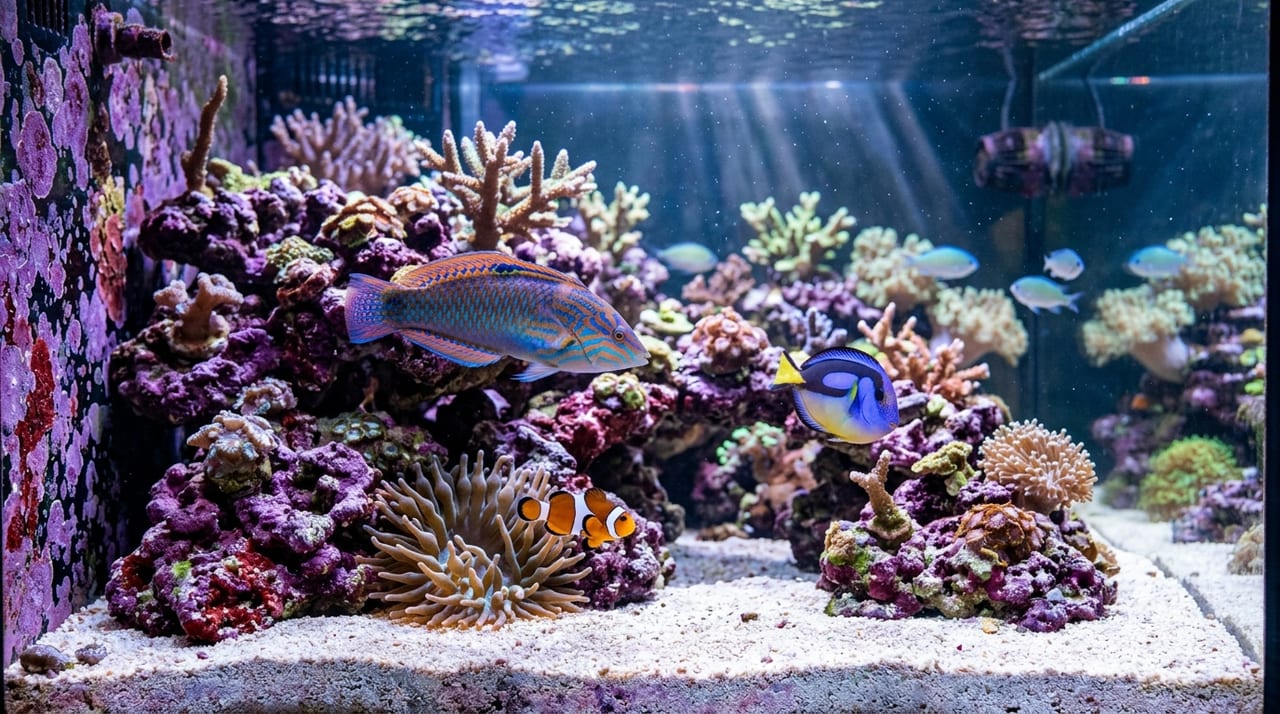
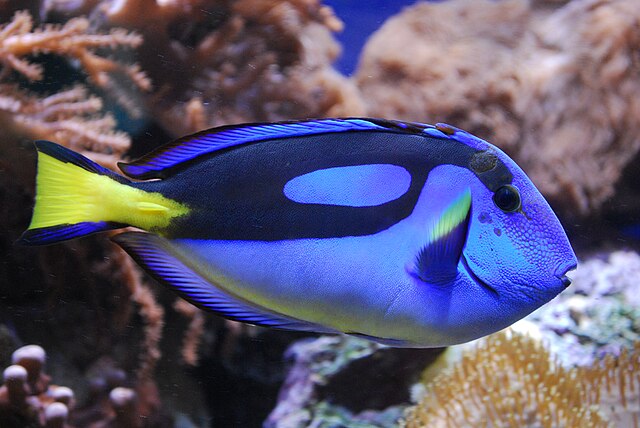
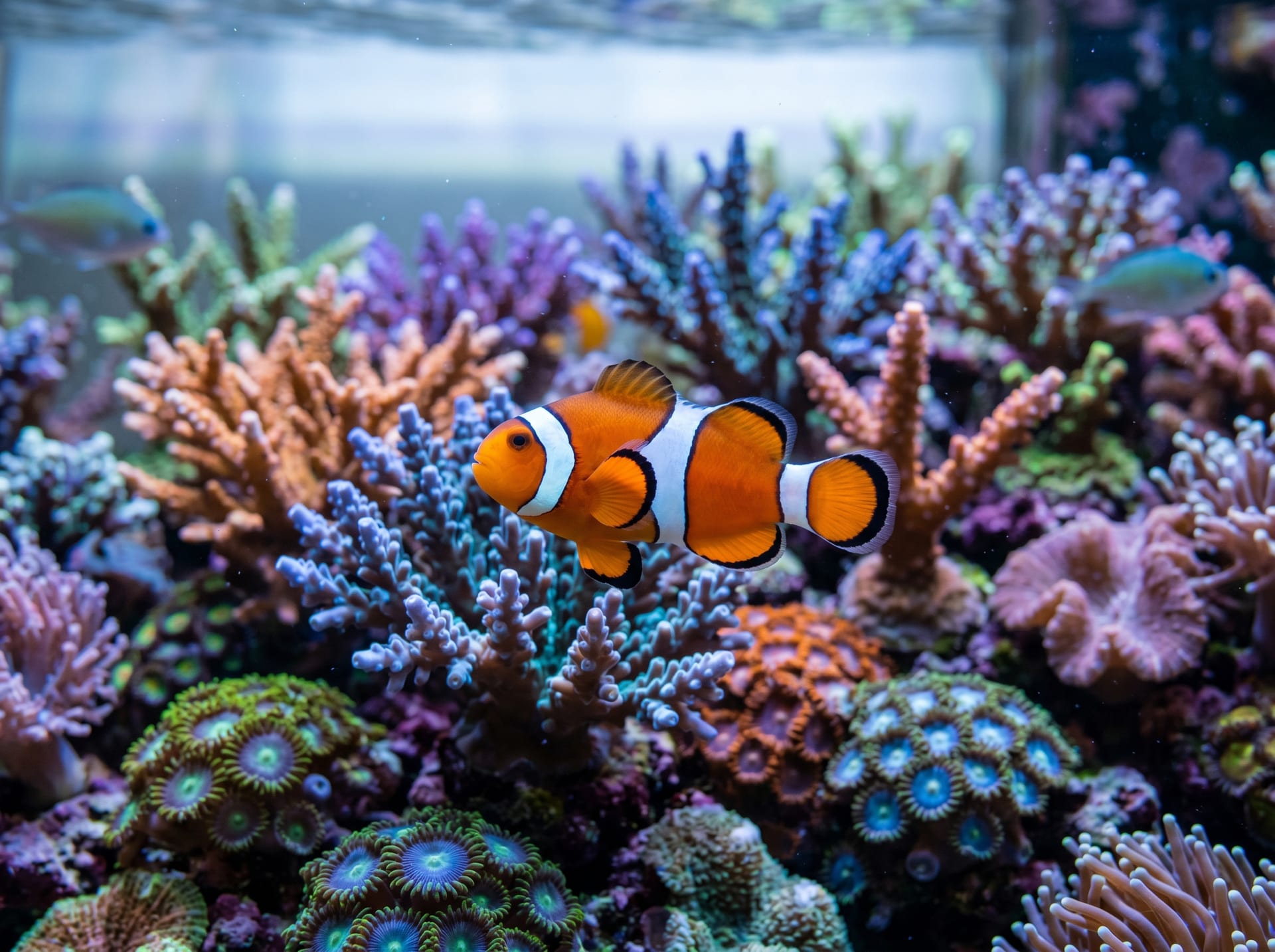
Saltwater aquariums possess an overwhelming beauty that sets them apart from freshwater setups. The vibrant blue of the yellow tang, the symbiosis of clownfish and sea anemones, the fluorescent colors emitted by corals—the greatest appeal of saltwater fish keeping is the ability to recreate these natural scenes in your own home.
However, it's true that saltwater fish keeping is more difficult than freshwater keeping. Maintaining the health of saltwater fish, which are sensitive to water quality fluctuations, requires proper knowledge and appropriate equipment. While the perception of it being "difficult" often comes first, if you prepare methodically, beginners can absolutely enjoy it. This article explains the entire process from tank selection through the completion of setup in detail.
Initial Equipment Checklist
Saltwater fish keeping requires more equipment than freshwater keeping. Here is the basic set:
Tank body A 60 cm standard tank (approximately 57L) is considered the most well-balanced choice for beginners. Small tanks have low water volume and water quality changes rapidly, making them unsuitable for beginners. A 60 cm tank allows you to balance water quality stability with ease of management. Glass tanks are more scratch-resistant than acrylic and are better suited for long-term use.
Filter (filtration system) Two types are commonly used in saltwater fish keeping: "overflow systems" and "external filter systems." Overflow systems require a separate sump (filter tank) for installation, offering high filtration capacity and suitability for serious keeping. For beginners, starting with a more cost-effective external filter system (such as Eheim) is also an option. Used together with a protein skimmer, organic matter can be removed before dissolving into the water, making it an essential piece of equipment in saltwater fish keeping.
Lighting If you're not planning to add corals, LED lighting is sufficient. For fish-only keeping (FOWLR: Fish Only With Live Rock), white and blue LEDs that bring out fish coloration are typical. If you're considering corals in the future, choosing a high-output reef-ready LED from the start will eliminate the need for replacement later.
Temperature management equipment Both a heater and chiller (or fan) are necessary. Most saltwater fish prefer 24–26°C. Summer water temperature rises cause significant damage to fish, making a chiller-type aquarium cooler ideal. If using a fan as a substitute, care must be taken to monitor the increase in salinity from evaporation.
Hydrometer and refractometer Equipment for measuring the salinity of seawater. A precision optical refractometer is recommended over an inexpensive arm-type hydrometer. The appropriate specific gravity for saltwater fish is 1.020–1.025 (salinity 33–35 ppt) as a guideline.
Artificial seawater mix, RO water, or dechlorinated tap water Tap water contains chlorine and heavy metals, so avoid using it as-is. Ideally, use purified water from an RO (reverse osmosis) filter and dissolve artificial seawater mix in it. If cost is a priority, dechlorinated tap water can be used to start the tank, but stabilizing the water quality may take longer.
Water Preparation (Seawater Creation) Process
Correct seawater preparation is key to successful keeping.
First, add the measured water to a container (bucket or dedicated tank) and dissolve the artificial seawater mix according to package directions. Stir thoroughly with a pump or aeration, and adjust with a hydrometer to reach 1.023–1.025. Adjust the water temperature to around 25°C before measuring specific gravity (as specific gravity values change with temperature).
There are several brands of artificial seawater, but products like "Red Sea Coral Pro Salt" and "Instant Ocean" are readily available and easy for beginners to use. Choose one with balanced mineral content.
Tank Startup (Cycling)
Before adding saltwater fish, "nitrogen cycling (establishment of the nitrogen cycle)" is essential. This is the process of establishing bacteria in the tank that break down fish waste (ammonia).
Startup process
- Install equipment and fill the tank with prepared seawater
- Add live rock (rock collected from the ocean). Live rock has bacteria attached to it and promotes cycling
- Add an ammonia source (dedicated liquid ammonia or small amounts of food) to promote bacterial multiplication
- Measure ammonia, nitrite, and nitrate values every 1–2 days using a water quality test kit
- Values progress in the order: ammonia → nitrite → nitrate, and cycling is complete when ammonia and nitrite approach 0
Cycling typically takes 4–8 weeks. Using bacterial starters (such as "Tetra SafeStart") can shorten the period, but it's important to proceed carefully while monitoring values.
How to Select Your First Fish
After startup is complete, choosing your first fish is also important.
Species suited for beginners are those that are hardy and have high adaptability to their environment. Representative species are as follows:
- Clownfish (Amphiprion ocellaris): Captive-bred individuals are readily available and disease-resistant. Can be kept without sea anemones
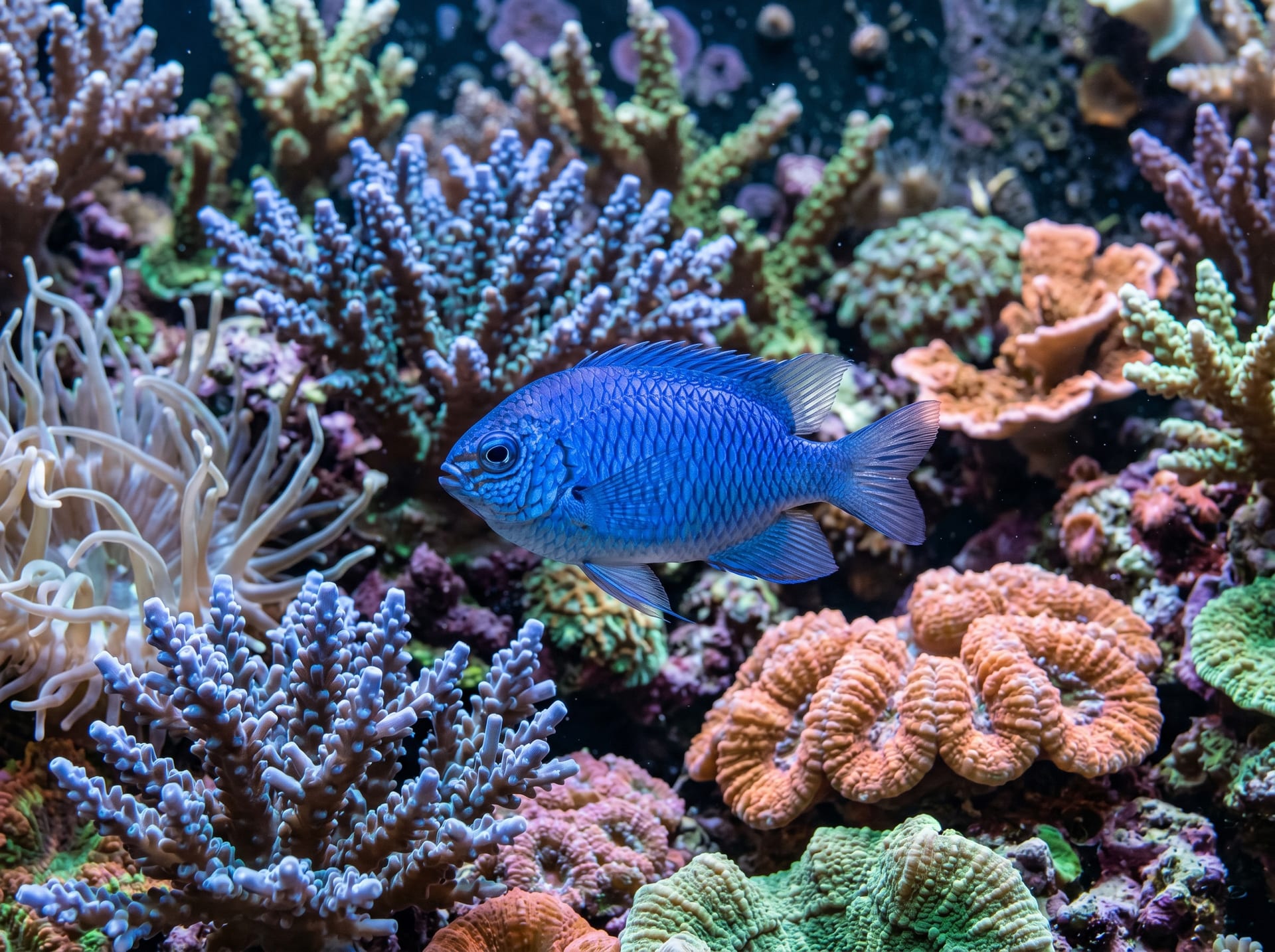
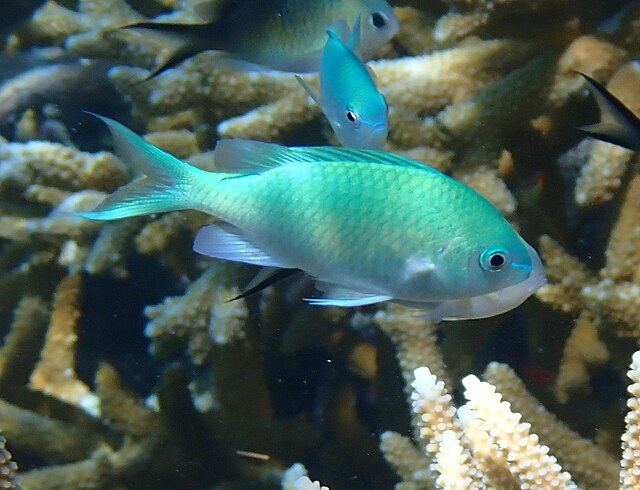
- Damselfish: Hardy and inexpensive. However, they have strong territorial instincts and caution is needed when housing with other fish
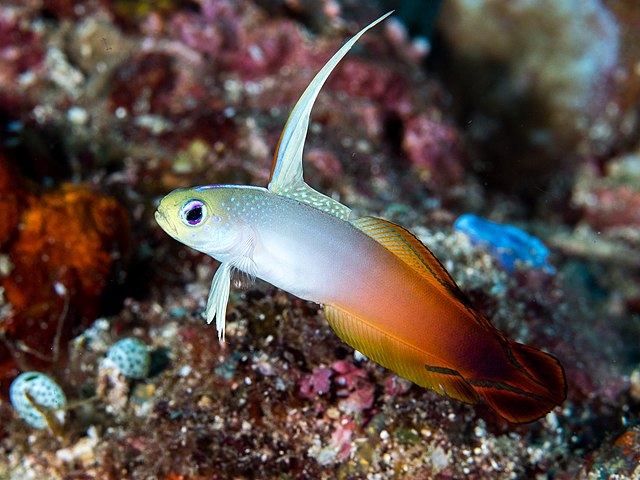
- Spotted goby: Calm temperament and easy to house with other fish; a tank cover to prevent jumping is essential
- Yellow coris (Wrasse family): Active and hardy; popular with beginners
Ideally, start by introducing 1–2 fish, observing their condition for about two weeks before adding the next one. Adding many fish at once causes rapid water quality changes and increases the risk of total loss.
Also, be sure to perform acclimation before introduction. Float the bag in the tank to equalize water temperature (15–20 minutes), then slowly add tank water to the bag using the drip method or similar to acclimate the fish to the tank's water quality. Skipping this step can cause shock death.
Daily Management and Long-Term Maintenance Tips
Daily management after tank startup determines the success of keeping fish.
Daily checklist
- Confirm water temperature (maintain 24–26°C)
- Visually inspect fish appetite and behavior for abnormalities
- Check equipment operation (filter sound, protein skimmer bubbling)
Weekly tasks
- Water changes (approximately 10–15% of total water volume). Top up with fresh water for evaporation losses, and perform regular water changes separately
- Clean glass surfaces of algae and dirt (a magnetic cleaner is convenient)
- Measure specific gravity, ammonia, nitrite, and nitrate
Diseases to watch for "Marine ich" is a common disease in saltwater fish. White spots appear on the body surface, and the mortality rate increases with severity. Prevention requires stable water quality and a low-stress environment. When symptoms appear, medications like "Hypo" effective against Oodinium (marine ich) are useful, as are low-salinity therapy and copper ion treatment; however, adding medications to the main tank can damage bacteria, so we strongly recommend preparing a separate quarantine tank.
Saltwater fish keeping requires preparation and patience, but once a stable environment is established, your tank becomes a unique world that heals with just a daily glance. If you proceed step by step without rushing, beginners can absolutely create a beautiful saltwater aquarium.