10 Must-Have Saltwater Fish for Beginners | Complete Comparison of Ease of Care, Popularity & Price
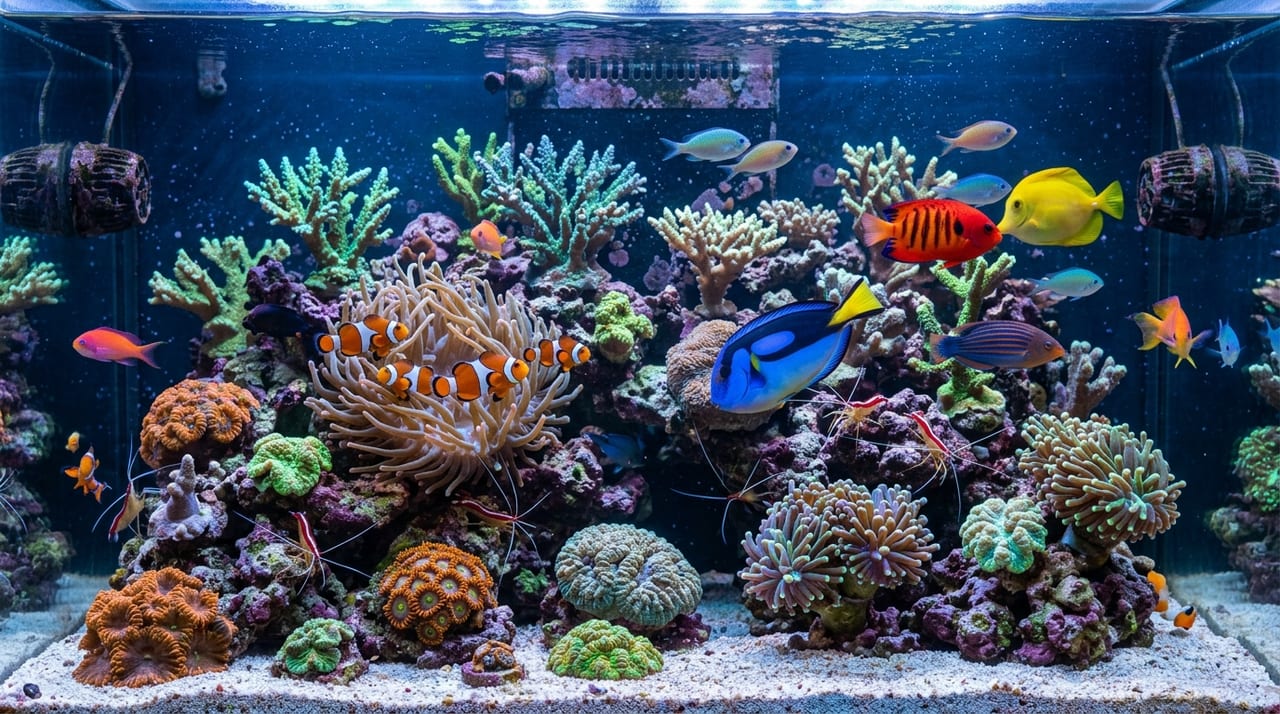
For beginners looking to start saltwater aquarium keeping, we've carefully curated 10 recommended species based on ease of care, price, availability, and compatibility. From classic favorites like Clownfish and Blue-Green Chromis to hidden gems, we provide comprehensive support for your first saltwater fish selection.
Key Takeaways
For beginners looking to start saltwater aquarium keeping, we've carefully curated 10 recommended species based on ease of care, price, availability, and compatibility. From classic favorites like Clownfish and Blue-Green Chromis to hidden gems, we provide comprehensive support for your first saltwater fish selection.
Getting Started: Key Points for Beginners When Selecting Saltwater Fish
When starting saltwater aquarium keeping, everyone asks "Which fish should I choose?" Here are the key checkpoints for selecting beginner-friendly saltwater fish:
Low care difficulty (tolerance to water quality fluctuations, easy feeding)
Affordable pricing (keeps initial costs down)
Readily available (consistent supply from breeders and shops)
Good compatibility (suitable for multi-species setups)
Attractive appearance (visually appealing for long-term enjoyment)
Based on these criteria, we've carefully selected 10 highly recommended species from an expert perspective.
Top 10 Recommended Species Overview
Rank
Fish Name
Difficulty
Price Range
Compatibility
1
Clownfish (Ocellaris)
★★☆
¥1,000–¥3,000
◎
2
Blue-Green Chromis
★☆☆
✍️
BreederDirect Editorial
The BreederDirect editorial team specializes in care information for animals, covering veterinary care and breeding to deliver beginner-friendly guides.
Find Marine Fish on BreederDirect
Buy directly from verified breeders
Browse Related Listings
Find Marine Fish listings related to this article on BreederDirect. Buy directly from verified breeders.
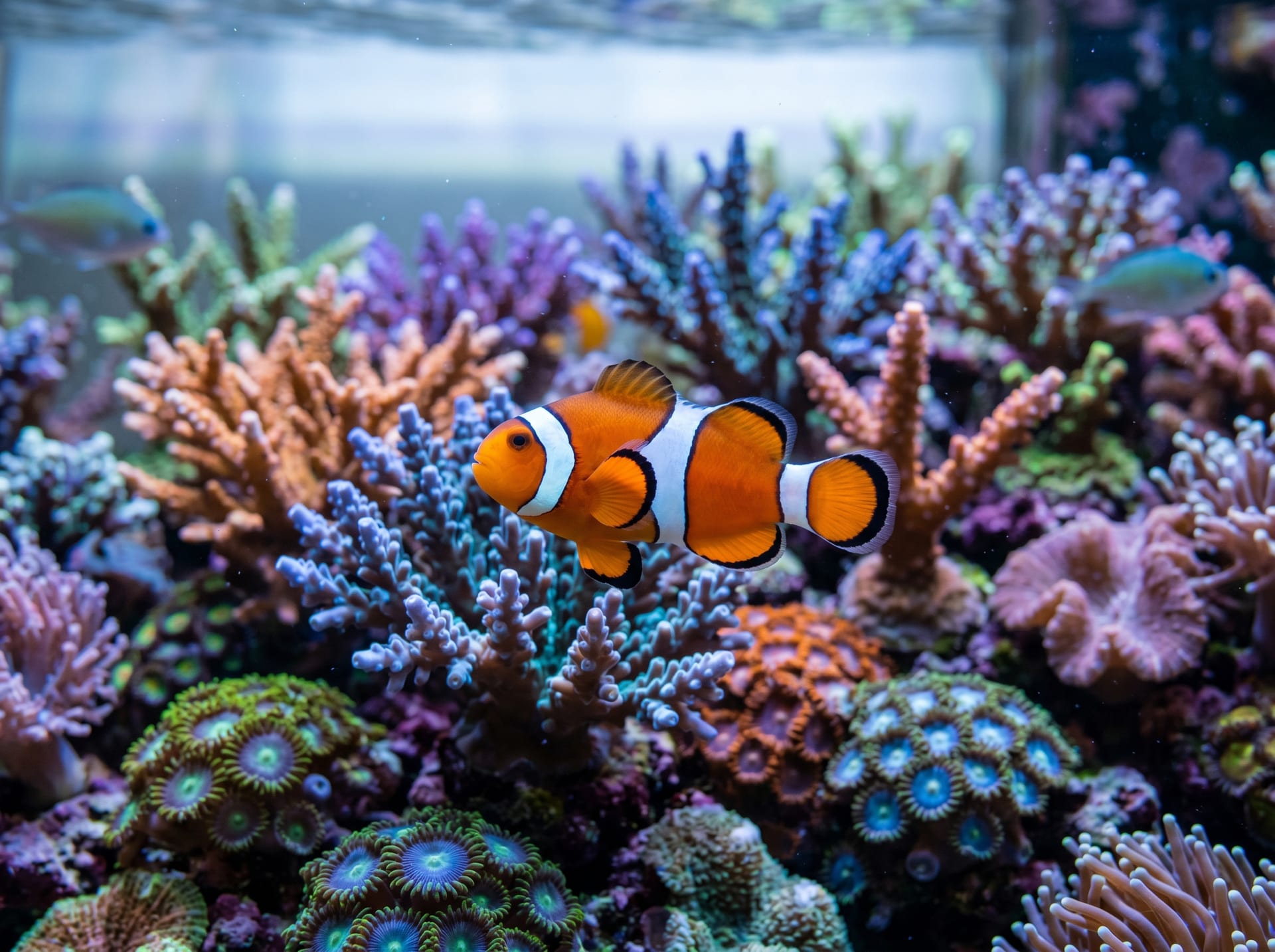
The quintessential saltwater fish. Thanks to movie fame, it's recognized worldwide, and with captive-bred (CB) specimens now widely available, quality individuals can be obtained at relatively affordable prices.
Care Tips:
Maintain stable water temperature of 24–26°C and specific gravity of 1.023–1.025
Symbiosis with anemones (such as Bubble-Tip Anemones) is not required, but allows natural behavior observation
CB specimens are easier to feed than wild-caught individuals
When keeping multiple specimens, the smaller individual functions as a male; introducing a size-differentiated pair is recommended
Beginner-Friendliness: ★★☆ (requires some attention, but highly rewarding)
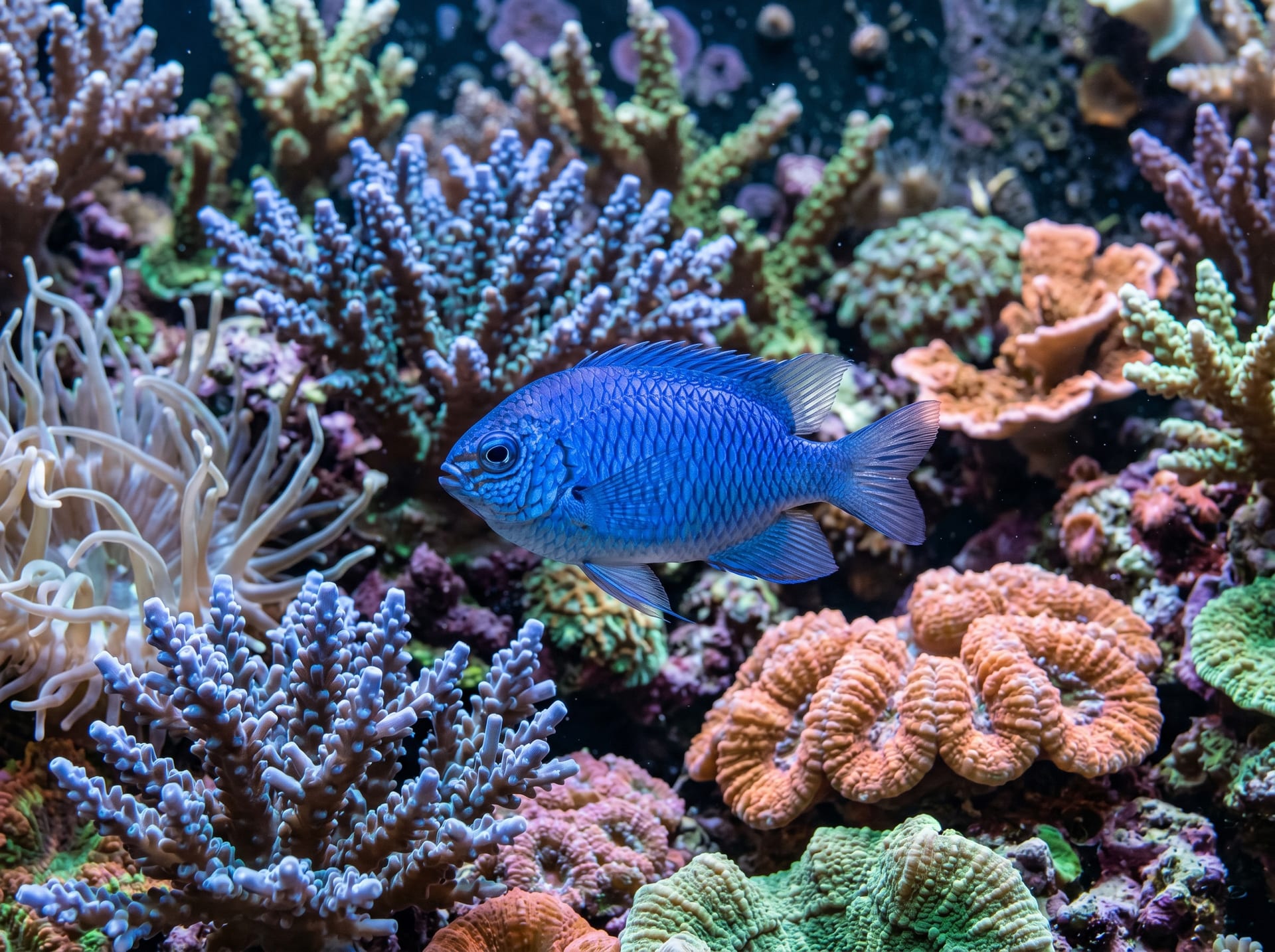
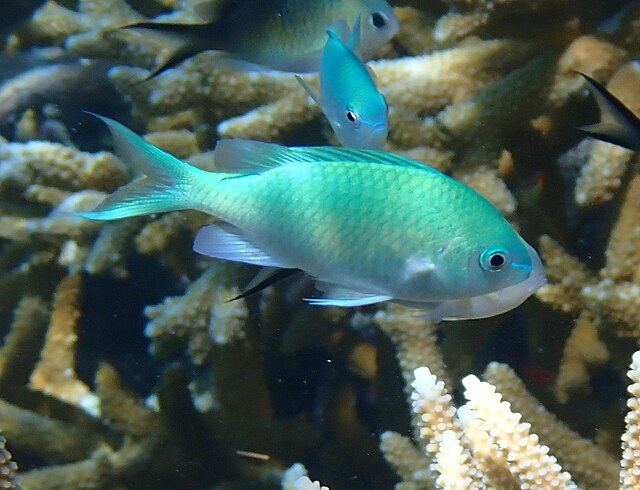
2nd Place: Blue-Green Chromis (Chromis viridis)
This yellow-green schooling fish brings vibrant, refreshing movement to any tank. Affordable, hardy, and among the easiest to source—it offers exceptional value for a first saltwater fish.
Care Tips:
Best kept in groups of 5–7 or more to showcase schooling behavior
Easy to care for, but watch for potential bullying of weaker individuals
Small size (3–5 cm) means larger fish may prey on them
Beginner-Friendliness: ★☆☆ (among the easiest)
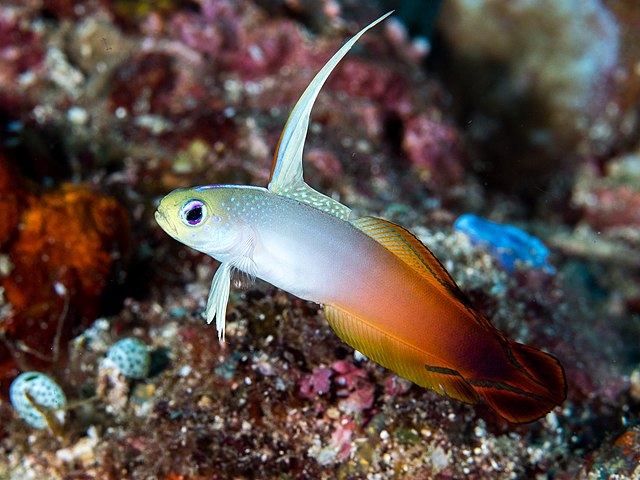
3rd Place: Firefish (Nemateleotris magnifica)
A stunning goby with white-to-yellow gradient and a striking red tail. Gentle-natured and easy to combine with other species, it has relatively low care requirements. A tank cover is essential to prevent jumping.
Care Tips:
Keep singly or as a pair
May hide frequently when first introduced due to shyness, but becomes active once acclimated
Tank cover is essential to prevent jumping
Beginner-Friendliness: ★★☆
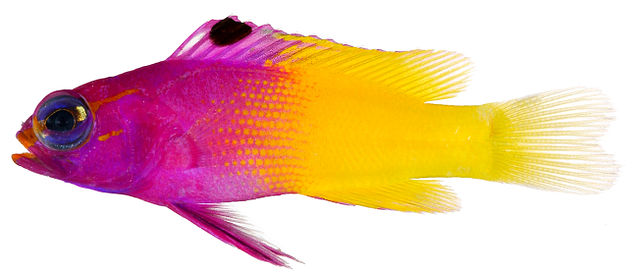
4th Place: Royal Dottyback (Gramma loreto)
A striking Caribbean fish with purple and orange coloring. Hardy and easy to feed, it mixes well with Clownfish and maintains excellent visual appeal at a reasonable price.
Care Tips:
Somewhat territorial; avoid combining with conspecifics or closely related species
An adorable blenny with distinctive vertical stripes. Extremely hardy and easy to feed, it charms with its quirky movements along tank walls and rock crevices. Affordable and compatible with other tank mates.
Beginner-Friendliness: ★☆☆
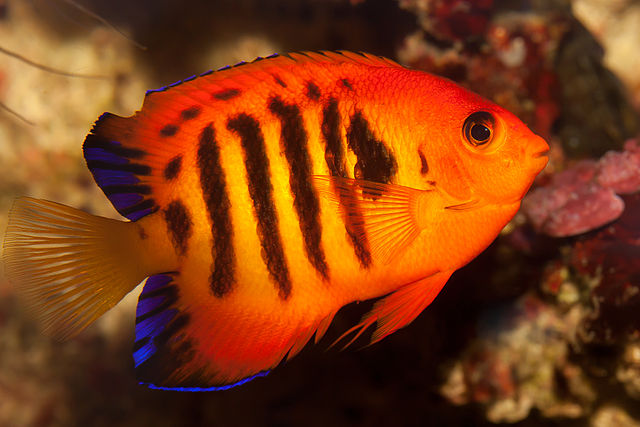
6th Place: Flame Angelfish (Centropyge loriculus)
A stunning all-red fish with black vertical stripes. While stable when kept alone, dwarf angelfish typically nip at live rock and coral—a major concern in soft coral tanks.
Beginner-Friendliness: ★★★ (requires careful risk management as noted above)
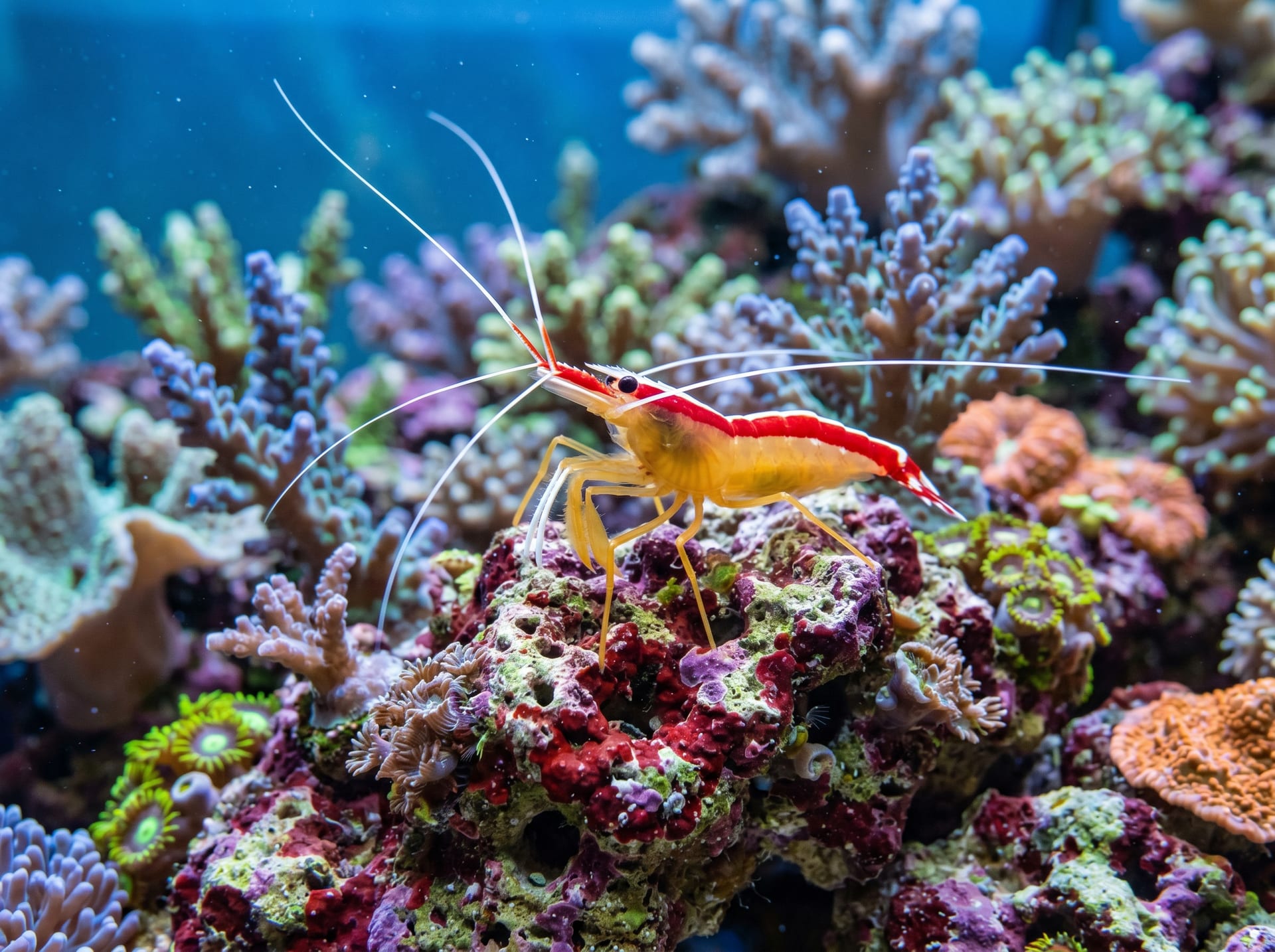
7th Place: Cleaner Shrimp (Lysmata amboinensis)
Technically a shrimp, not a fish, but essential for reef tanks. It's prized for its cleaning-station behavior, removing parasites from other fish—a supporting player with exceptional compatibility.
Beginner-Friendliness: ★☆☆
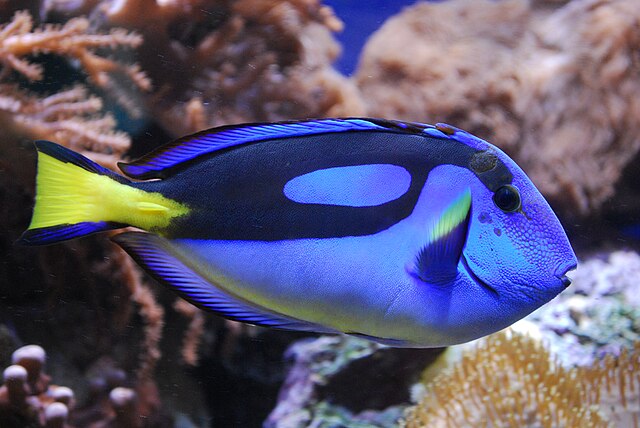
8th Place: Blue Tang (Paracanthurus hepatus)
A worldwide favorite thanks to movie fame, this striking blue tang is beautiful but prone to white-spot disease (Cryptocaryon)—requiring moderate aquarium management skills. It grows to nearly 30 cm, requiring a tank 120+ cm in length.
Beginner-Friendliness: ★★★ (recommended after gaining experience)
A unique goby known for burrowing in substrate and can form a symbiotic relationship with pistol shrimp. Requires fine-grade substrate, but otherwise relatively easy to care for. A tank cover is essential.
Beginner-Friendliness: ★★☆
10th Place: Sergeant Major Damselfish (Dascyllus aruanus)
A striking damselfish with bold white and black vertical stripes. Hardy and readily available like Blue-Green Chromis, but becomes increasingly territorial with age. Best kept while young.
Beginner-Friendliness: ★☆☆
Recommended Combination Examples for Beginners
Sample 60 cm Tank Setup (6 specimens):
Clownfish ×2
Firefish ×2
Blue-Green Chromis ×5
Cleaner Shrimp ×2
This setup offers excellent compatibility, balanced cost, and manageable care difficulty.
Summary
For beginners, the most important factors when selecting saltwater fish are hardiness and availability. Clownfish and Blue-Green Chromis are classics for good reason—they've earned trust through decades of successful hobby experience and consistent availability. Start by establishing stability with these fundamental species, then gradually advance to more challenging ones as you gain confidence. Sourcing healthy captive-bred (CB) specimens from reputable breeders minimizes introduction risks.