Captive-Bred (CB) vs Wild-Caught (WC) Marine Fish: A Complete Comparison | Difficulty of Care, Disease Resistance, and Ethics
A detailed comparison of captive-bred (CB) and wild-caught (WC) marine fish. Explaining disease resistance, adaptation to artificial feed, transport stress differences, and criteria for choosing between them.
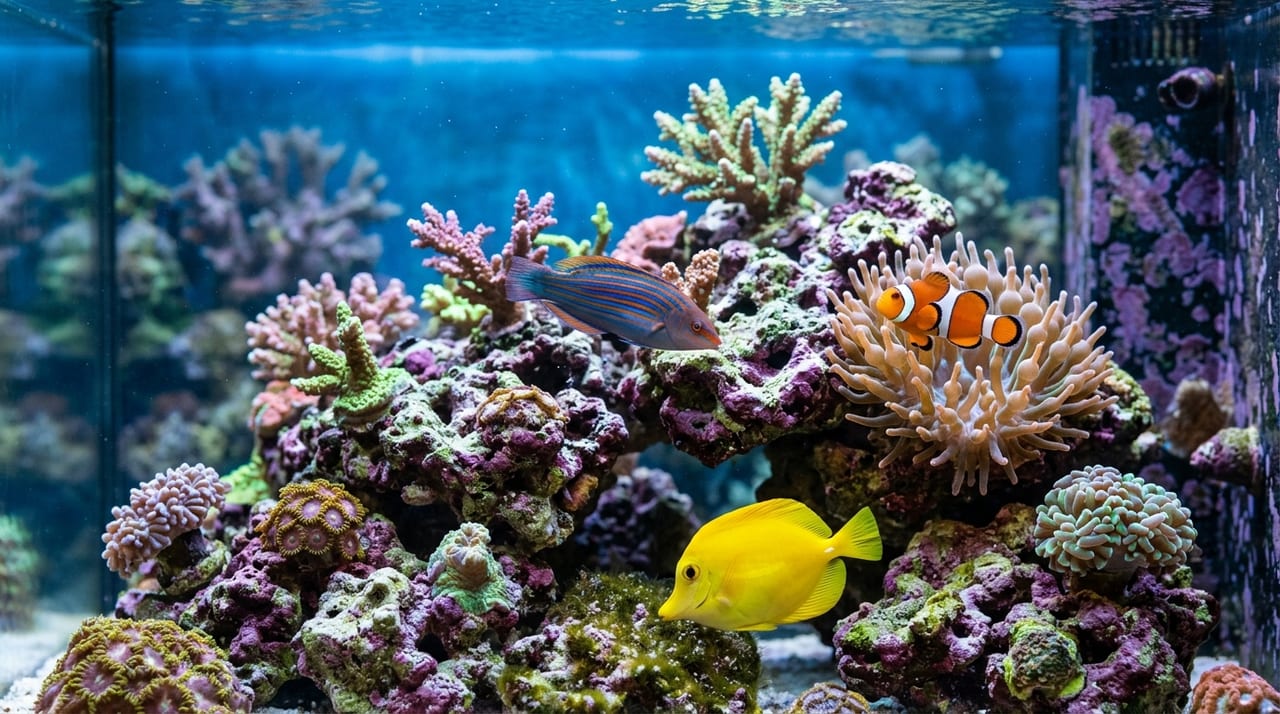
Key Takeaways
A detailed comparison of captive-bred (CB) and wild-caught (WC) marine fish. Explaining disease resistance, adaptation to artificial feed, transport stress differences, and criteria for choosing between them.
Related Species
CB and WC Individuals—Understanding the Supply Chain
Marine fish shops and breeder listings display abbreviations such as "CB" and "WC." These two letters significantly influence ease of care, disease risk, and environmental impact, making it essential to understand them accurately before purchasing.
CB (Captive Bred) refers to individuals where spawning from parent fish through hatching to juvenile rearing are all completed within a facility under human management. Specialist breeders and hatcheries both domestically and internationally produce them, raised on artificial feed and in tank water conditions.
WC (Wild Caught) refers to wild individuals collected from coral reefs in Indonesia, the Philippines, Hawaii, the Marshall Islands, and similar regions. They are distributed through multiple routes: collectors → local stations → exporters → air transport → importers → wholesalers → retailers. This process takes at least 1–3 weeks, and fish experience intermittent stress throughout.
Intermediate forms include "Tank Bred (TB)" and "Farm Raised (FR)." These are wild-collected juveniles raised to adulthood in facilities, showing better environmental adaptation than pure WC, but not reaching the quality of fully CB individuals.
Four Reasons to Choose CB Individuals
CB individuals excel in captive care in four key ways.
- Readiness for Artificial Feed: Since they are fed pelleted feed and frozen food immediately after hatching, they almost always eat commercially available artificial feed immediately upon tank introduction. The lengthy feeding conditioning required for WC individuals is nearly unnecessary, making them easier to manage even for beginners.
- Speed of Environmental Adaptation: Unlike WC individuals that have undergone long-distance transport and multiple water quality changes, CB individuals have lived only in tank environments. They show minimal post-introduction stress reactions and exhibit active feeding behavior early on.
- Low Risk of Pathogen Introduction: The natural environment hosts numerous parasites such as Cryptocaryon, Oodinium, and various skin parasites. Since CB individuals are raised in managed tanks, they have a low risk of introducing these pathogens, and properly managed individuals typically arrive in a near-pathogen-free state.
- Contributing to Environmental Ethics: Coral reef ecosystems are affected by overharvesting and, in some regions, the still-problematic practice of cyanide collection. Choosing CB reduces direct pressure from wild collection and supports species conservation.
The Appeal of WC Individuals and How to Manage Them
However, CB's advantages do not eliminate reasons for choosing WC individuals. Not all marine fish species have established CB production, and species inhabiting deep waters, large angelfish, many tangs, and rare species are available almost exclusively as WC. If CB is unavailable for your desired species, properly managing WC individuals becomes your only option.
Additionally, WC individuals display collection-site-specific color variations and unique body morphologies. The collectability of locality-specific traits—such as "vibrant Hawaiian specimens" or "Indonesian regional variants"—is an appeal unique to wild individuals.
When introducing WC individuals, ensure the following preparations are in place.
- Quarantine isolation for a minimum of 2–4 weeks (ideally 8 weeks). Prepare a dedicated quarantine tank capable of copper ion treatment.
- Gradual feeding transition: live food (copepods, brine shrimp) → frozen feed (mysis, krill) → dried artificial feed.
- For one week after introduction, keep lighting dim and minimize tank interference (water changes, cleaning) to allow recovery from transport stress.
Disease Resistance and Proper Quarantine Understanding
The statement "CB individuals are disease-resistant" oversimplifies somewhat. More precisely, CB's strength is that it has a high probability of not introducing pathogens. If pathogens are not introduced into existing tanks, infection risk drops significantly; however, once infected, CB individuals' inherent resistance is typically not markedly different from WC individuals.
WC individuals may carry multiple parasites after transport and temporary holding in mixed-species facilities. Ich (Cryptocaryon infection) and velvet disease (Oodinium infection) are particularly prone to spread, and introducing them into main tanks without quarantine risks harming existing stock.
Even CB individuals may be exceptions if production facilities or transport hygiene is inadequate. It is important to develop the habit of verifying the seller's reputation and management practices.
CB Availability of Major Species
Let's review a list of easily obtainable CB species and those currently dominated by WC.
| Species | CB Availability |
|---|---|
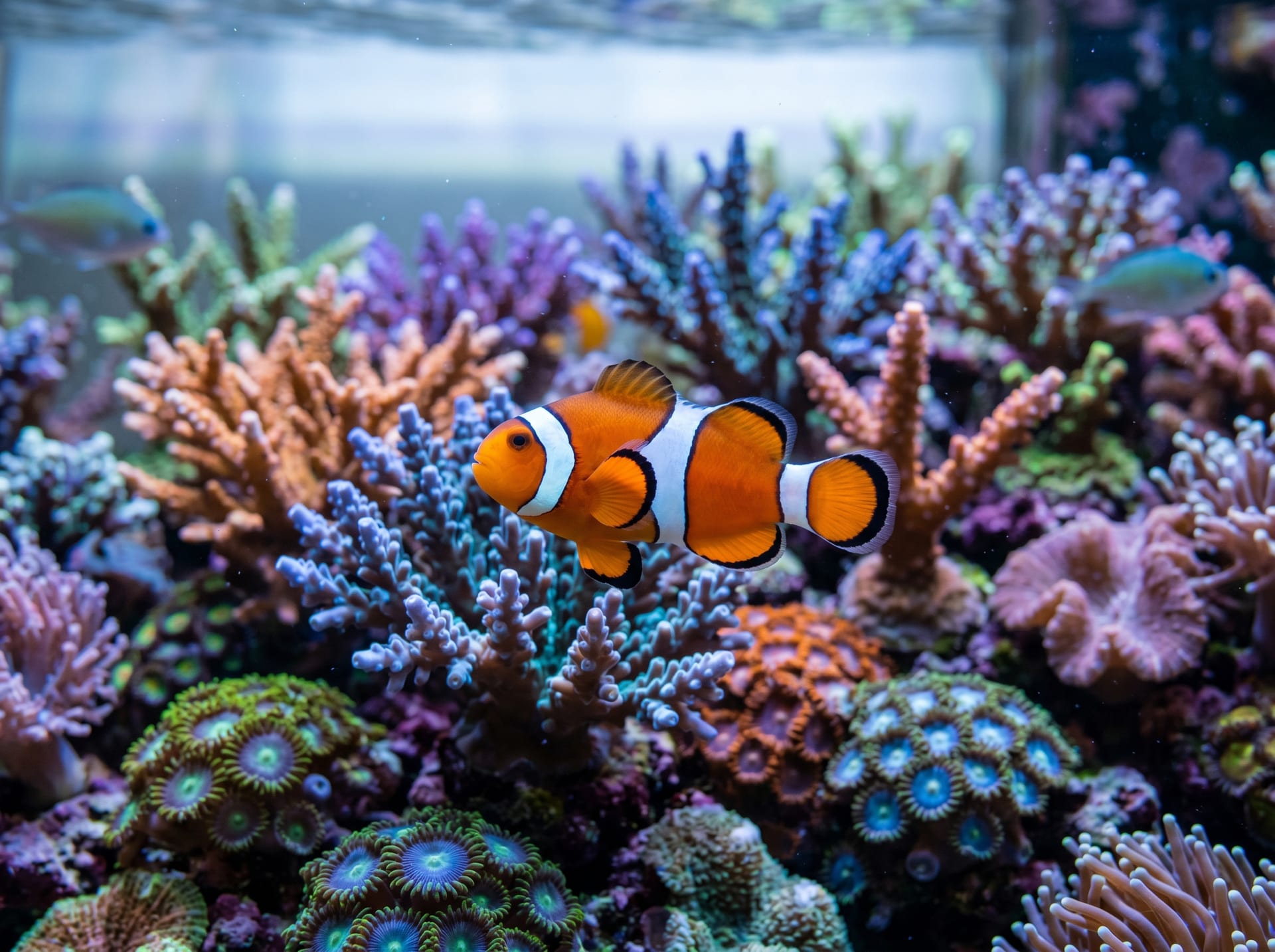
| Ocellaris and False Clownfish | Widely mass-produced domestically and internationally; easily obtainable |
| Designer Clownfish (various morphs) | Stable supply from domestic and international breeders |
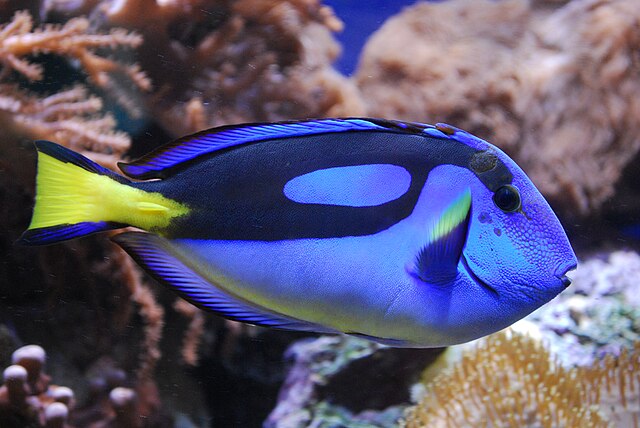
| Regal Blue Tang | Production techniques established; CB availability increasing |
| Banggai Cardinalfish | CB established; widely available |
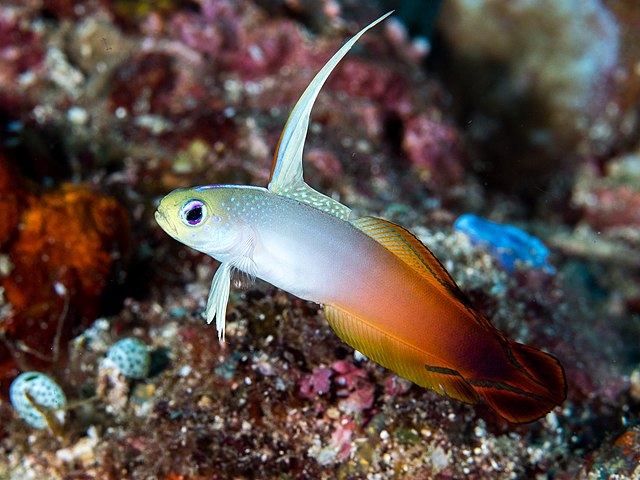
| Striped Fangblenny | CB available from domestic breeders |
| Seahorses (various species) | Active CB production; actively recommended |
| Small Angelfish (genus Centropyge) | CB available for some species; expanding |
| Large Angelfish (genus Pomacanthus, etc.) | Limited CB; primarily WC |
| Tangs (other than Regal Blue Tang) | CB almost unavailable; WC only |
| Many Wrasses and Deep-water Rare Species | Primarily WC only |
Purchase Verification Points and Selection Criteria
Verify that listing information clearly indicates origin and source, such as "domestic breeder-produced," "overseas CB," or "WC—collected in 〇〇." If origin is not stated, we recommend inquiring. Trustworthy sellers will provide this information.
Individual condition is also telling. CB individuals are accustomed to humans and often swim forward readily at feeding time. WC individuals tend to hide in tank corners immediately after arrival and may show fin damage or body surface abrasions.
Price is generally higher for CB individuals, reflecting the costs of hatchery equipment, feed, labor, and survival rates. However, over the long term, CB's total cost—including quarantine, medication, and feeding conditioning—is often more economical.
If CB individuals are available for your desired species, we recommend prioritizing CB unless you have specific reasons otherwise. If WC is your only option, prepare quarantine and feeding conditioning protocols before introducing them carefully. Continuing to support the expansion of CB technology ultimately helps preserve coral reef ecosystems for future generations.