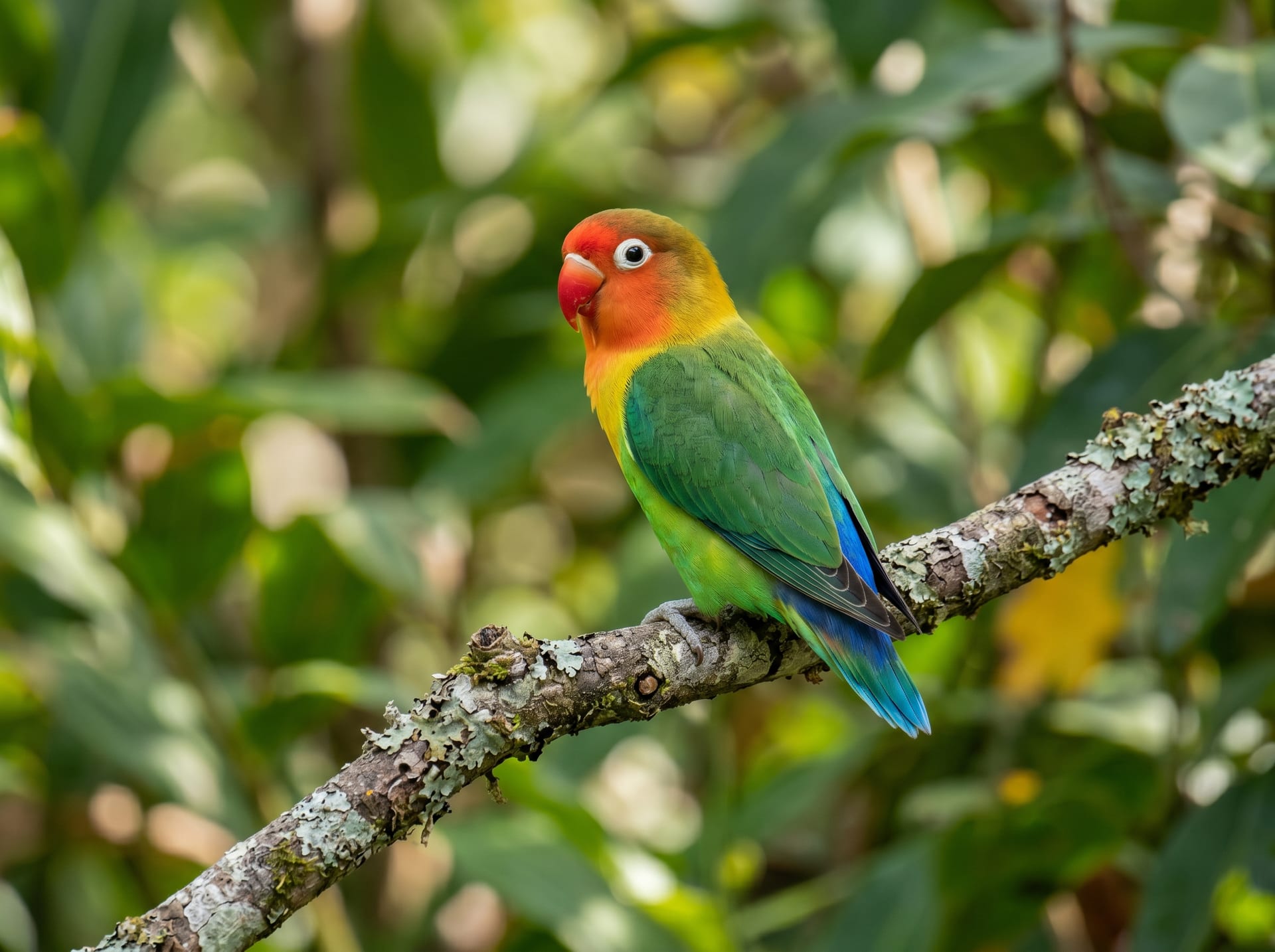
15 Easy-to-Keep Bird Ranking | Quiet Species for Apartments & Friendly Species
Introducing 15 carefully selected easy-to-keep bird species. Which quiet species are good for apartments? Which parakeets are easy to keep? Compare budgies, cockatiels, parrotlets, Bengalese finches, and more in comparison tables covering personality, calls, lifespan, and cost.
Key Takeaways
Introducing 15 carefully selected easy-to-keep bird species. Which quiet species are good for apartments? Which parakeets are easy to keep? Compare budgies, cockatiels, parrotlets, Bengalese finches, and more in comparison tables covering personality, calls, lifespan, and cost.
Related Species
Birds are appealing pets with beautiful plumage, entertaining chatter, and friendly personalities. While they rank second in popularity after dogs and cats, they require relatively compact space to keep. To answer the questions "Which birds are easy to keep?" and "Can I keep a quiet bird even in an apartment?" I've carefully selected 15 beginner-friendly species using a comparison table plus detailed explanations. A meeting with a single bird can sometimes become a long partnership lasting 10, 20 years or more. That's why the initial "species selection" should be approached carefully.
Choosing a Pet Bird: Key Points for Beginners
Volume of vocalizations: In multi-unit housing, choose quiet species
Talking ability: Some species learn words; others do not
Lifespan: Some parakeets and parrots live 10–30+ years
Friendliness: Do you want hand-tame birds, or is observation your main goal?
Cost: Consider food and veterinary care, not just the purchase price
The Best 3 Species for Your First Bird
When beginners are uncertain about which species to choose, selecting from the following 3 carries the lowest risk and is the most rewarding long-term choice. These species also benefit from abundant care information available online and in books, which is an important consideration.
Bengalese Finch — Quiet, Friendly, Perfect for Apartments
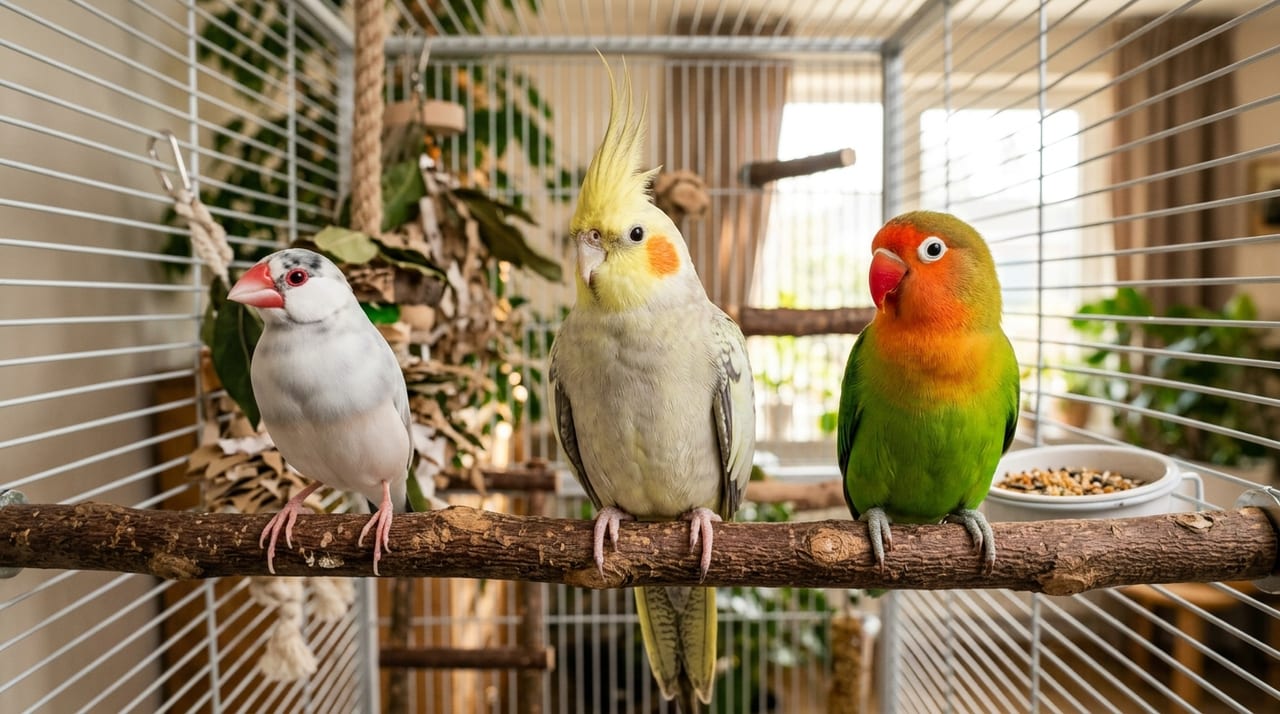
The Bengalese finch has a soft call, making it safe to keep in apartments and condos. Known for a strong-willed yet affectionate personality, hand-tamed Bengalese finches will perch on your palm when raised properly. With a lifespan of 7–10 years, they're ideal for learning to care for a bird long-term. Avian veterinary specialists readily treat them, and resources like Bird Health Management Guide are readily available.
Budgerigar — Outstanding Value & Friendliness
Budgies rank among the cheapest pet birds and require minimal equipment to get started. They come in numerous color varieties and are excellent talkers, learning single words and short phrases. For hand-taming, raising from a chick is best; daily conversation produces remarkably tame birds. See Budgerigar Beginner Guide for more details.
✍️
BreederDirect Editorial
The BreederDirect editorial team specializes in care information for animals, covering veterinary care and breeding to deliver beginner-friendly guides.
Find Birds on BreederDirect
Buy directly from verified breeders
Browse Related Listings
Find Birds listings related to this article on BreederDirect. Buy directly from verified breeders.
Related Tools
Related Articles
Browse by Category
🪸Coral
🐠Marine Fish
🐟Tropical Fish
🐡Goldfish
🐟Medaka
🦎Reptiles
Share
Parrotlet — Long-Lived, Quiet, Small Apartment Favorite
Parrotlets are the smallest of the parakeets yet live 15–20 years, and some individuals learn to talk. Their calls are extremely soft, making them apartment-safe. They are active and curious, so always check windows and doors before letting them out of their cage.
Comparison Table: 15 Easy-to-Keep Bird Species
First, let's compare all 15 species in a table. The apartment suitability is based on call volume (◎ = quiet, suitable for multi-unit housing; ○ = possible with consideration; △ = soundproofing or single-family home recommended). Daily care time is an estimate combining out-of-cage time, cleaning, and interaction.
Species
Beginner Level
Call Volume
Talking Ability
Price Range
Lifespan
Apartment-Suitable
Daily Care Time
Budgerigar
★★★★★
Medium
Excellent
¥2,000–5,000
7–10 years
○
30–60 min
Cockatiel
★★★★☆
Somewhat loud
Fair (whistling)
¥10,000–30,000
15–25 years
△
45–90 min
Bengalese Finch
★★★★★
Soft
None
¥3,000–8,000
7–10 years
◎
20–40 min
Peach-Faced Lovebird
★★★★☆
Somewhat loud
Difficult
¥8,000–20,000
10–15 years
△
45–90 min
Parrotlet
★★★★☆
Soft
Somewhat capable
¥10,000–25,000
15–20 years
◎
30–60 min
Pacific Parrotlet
★★★★☆
Soft
Somewhat difficult
¥15,000–30,000
10–15 years
◎
30–60 min
Red-capped Parrot
★★★☆☆
Somewhat loud
Excellent
¥40,000–80,000
20–30 years
△
60–120 min
Spice Finch
★★★★★
Very soft
None
¥2,000–5,000
5–8 years
◎
10–20 min
Black-capped Lovebird
★★★★☆
Somewhat loud
Somewhat difficult
¥8,000–20,000
10–15 years
△
30–60 min
Bengalese Finch (Java Sparrow)
★★★★★
Very soft
None
¥1,000–3,000
5–8 years
◎
10–20 min
Rosy-faced Lovebird
★★★★☆
Soft
Somewhat difficult
¥15,000–30,000
10–15 years
◎
30–60 min
Green-winged Macaw
★★★☆☆
Loud
Extremely capable
¥50,000–100,000
20–30 years
△
60–120 min
Canary
★★★★☆
Beautiful song
None
¥5,000–15,000
7–12 years
○
10–20 min
Golden-capped Conure
★★★☆☆
Very loud
Somewhat capable
¥60,000–120,000
20–30 years
△
60–120 min
African Grey Parrot
★★☆☆☆
Loud
Highest level
¥300,000–500,000
40–60 years
△
120–240 min
For apartment living, prioritize quiet birds: Bengalese finches, parrotlets, Pacific parrotlets, spice finches, Java sparrows, and rosy-faced lovebirds are especially recommended. For enjoying talking: budgies (affordable) or red-capped parrots and green-winged macaws are suitable.
15 Recommended Pet Birds
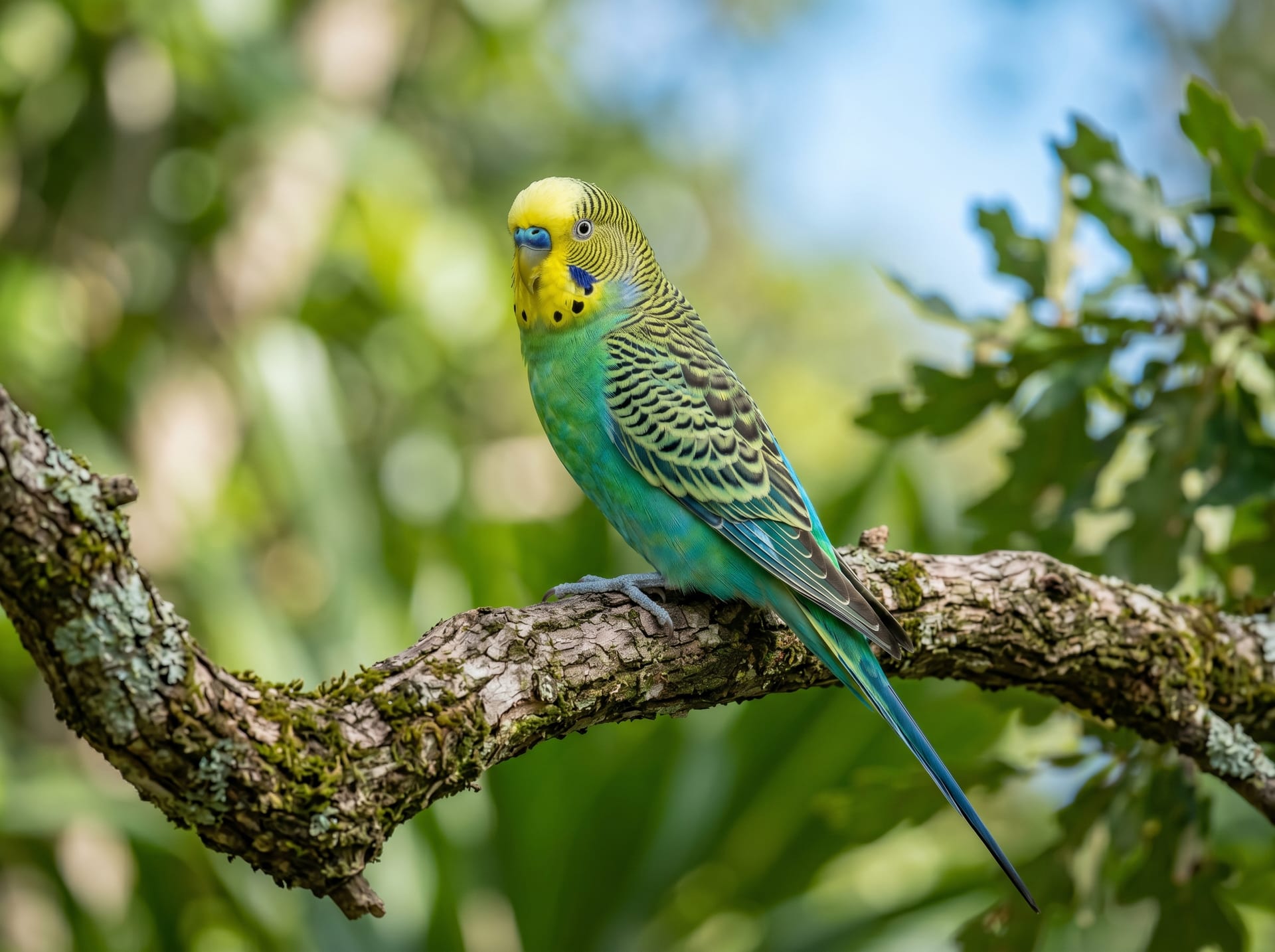
1. Budgerigar
Difficulty: ★☆☆☆☆ / Price: ¥2,000–5,000 / Length: 18–20 cm / Lifespan: 7–10 years
Call Volume: Medium / Talking Ability: Excellent
Advantages: The classic pet bird. Rich variety of colors. Excellent talkers, learning single words and short phrases. Becomes hand-tame easily.
Disadvantages: Calls can be loud at certain times. Large droppings.
Care Tips: Raising from a chick (hand-tame) versus adopting an adult bird makes a difference in tameness. Ensure daily out-of-cage flight time.
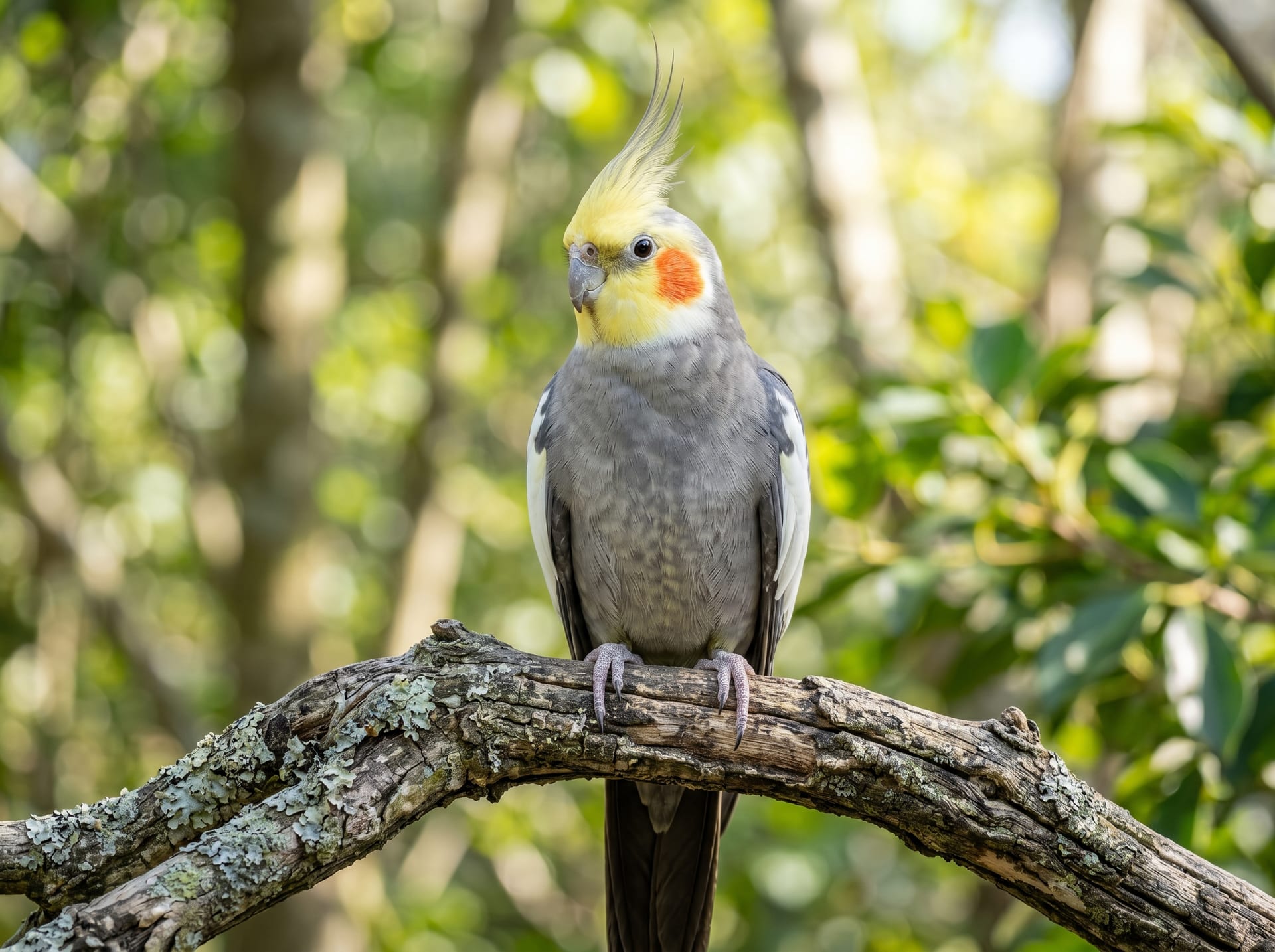
2. Cockatiel
Difficulty: ★★☆☆☆ / Price: ¥10,000–30,000 / Length: 30–33 cm / Lifespan: 15–25 years
Advantages: Cute orange cheeks ("cockatiel charm"). Clingy and affectionate with owners. Learns whistled melodies.
Disadvantages: Easily frightened and prone to panic (cockatiel panic). Produces powder down (feather powder).
Care Tips: Cover the cage at night to prevent panic. A HEPA air purifier is recommended for powder down management. See Cockatiel Care Guide for detailed care methods.
3. Bengalese Finch
Difficulty: ★☆☆☆☆ / Price: ¥3,000–8,000 / Length: 14 cm / Lifespan: 7–10 years
Call Volume: Soft / Talking Ability: None
Advantages: Fits in the palm of your hand. Quiet calls—perfect for apartments. Strong personality; appealingly aloof yet affectionate.
Disadvantages: Surprisingly strong bite. Loves water baths; surroundings get wet.
Care Tips: Set up a water bath container daily. Supplement calcium during molting. Hand-tame from a chick.
4. Peach-Faced Lovebird
Difficulty: ★★☆☆☆ / Price: ¥8,000–20,000 / Length: 15–17 cm / Lifespan: 10–15 years
Advantages: True to their "lovebird" name, they express affection generously. Colorful plumage. Active and playful.
Disadvantages: Jealous and can become aggressive toward other pets or family members. Somewhat shrill calls.
Care Tips: Choose either single-bird keeping focused on the owner or pair-keeping. Provide abundant toys.
5. Parrotlet
Difficulty: ★★☆☆☆ / Price: ¥10,000–25,000 / Length: 12–13 cm / Lifespan: 15–20 years
Advantages: The smallest of parakeets yet remarkably long-lived. Very quiet, perfect for apartments. Some individuals learn to talk.
Disadvantages: Easy to misplace due to small size. Somewhat strong-willed.
Care Tips: Always check windows and doors during out-of-cage time. Despite small size, needs a spacious cage due to high activity.
6. Pacific Parrotlet
Difficulty: ★★☆☆☆ / Price: ¥15,000–30,000 / Length: 16–18 cm / Lifespan: 10–15 years
Advantages: Calm, quiet personality. Soft calls make them apartment-friendly. Distinctive forward-leaning posture is charming.
Disadvantages: Sensitive to cold. Loves water baths; cleanup is demanding.
Care Tips: Watch temperature (25°C or higher recommended). Provide a water bath area.
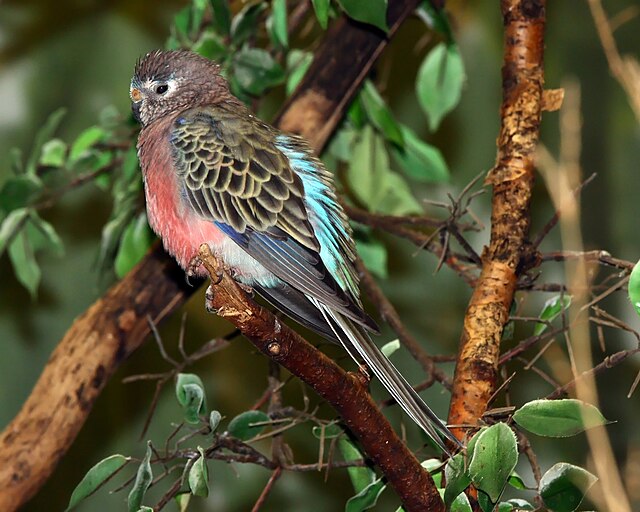
7. Red-capped Parrot
Difficulty: ★★☆☆☆ / Price: ¥40,000–80,000 / Length: 25–26 cm / Lifespan: 20–30 years
Advantages: Cheerful and playful. Many perform the "upside-down roll." Excellent talkers.
Disadvantages: Somewhat loud calls. Strong bite. Expensive.
Care Tips: Young chicks adapt best. Use puzzle toys to prevent boredom.
8. Spice Finch
Difficulty: ★☆☆☆☆ / Price: ¥2,000–5,000 / Length: 10 cm / Lifespan: 5–8 years
Call Volume: Very soft / Talking Ability: None
Advantages: Extremely small and quiet. Cute "chirp chirp" sounds. Paired or grouped birds show charming pair-bonding behaviors.
Disadvantages: Rarely becomes hand-tame (observation-focused). Sensitive to cold.
Care Tips: Keep in pairs or small groups. Watch for adequate warmth.
9. Black-capped Lovebird
Difficulty: ★★☆☆☆ / Price: ¥8,000–20,000 / Length: 14–17 cm / Lifespan: 10–15 years
Advantages: Close relative of the peach-faced lovebird. Vibrant colors and affectionate nature. Active and entertaining.
Disadvantages: Like peach-faced lovebirds, prone to jealousy. Somewhat loud calls.
Care Tips: Same care as peach-faced lovebirds. Choose single or pair-keeping.
10. Java Sparrow
Difficulty: ★☆☆☆☆ / Price: ¥1,000–3,000 / Length: 12 cm / Lifespan: 5–8 years
Call Volume: Very soft / Talking Ability: None
Advantages: One of the easiest birds to keep. Calm, quiet. Multiple birds live harmoniously together. Very affordable.
Disadvantages: Rarely becomes hand-tame. Dull coloring.
Care Tips: Multi-bird keeping is ideal. Be careful of uncontrolled breeding.
11. Rosy-faced Lovebird
Difficulty: ★★☆☆☆ / Price: ¥15,000–30,000 / Length: 21–23 cm / Lifespan: 10–15 years
Advantages: Beautiful pink plumage. Soft calls—great for apartments. Calm temperament.
Disadvantages: Somewhat shy. Less commonly available than other species.
Care Tips: Maintain a quiet environment. Allow time for gradual acclimation.
12. Green-winged Macaw
Difficulty: ★★★☆☆ / Price: ¥50,000–100,000 / Length: 28–30 cm / Lifespan: 20–30 years
Advantages: Exceptionally high talking ability. High intelligence; learns various tricks. Deep bonds with owners.
Disadvantages: Very loud—difficult for multi-unit housing. Expensive. Long lifespan means lifelong commitment.
Care Tips: Soundproofing is necessary. Use puzzle toys to prevent boredom.
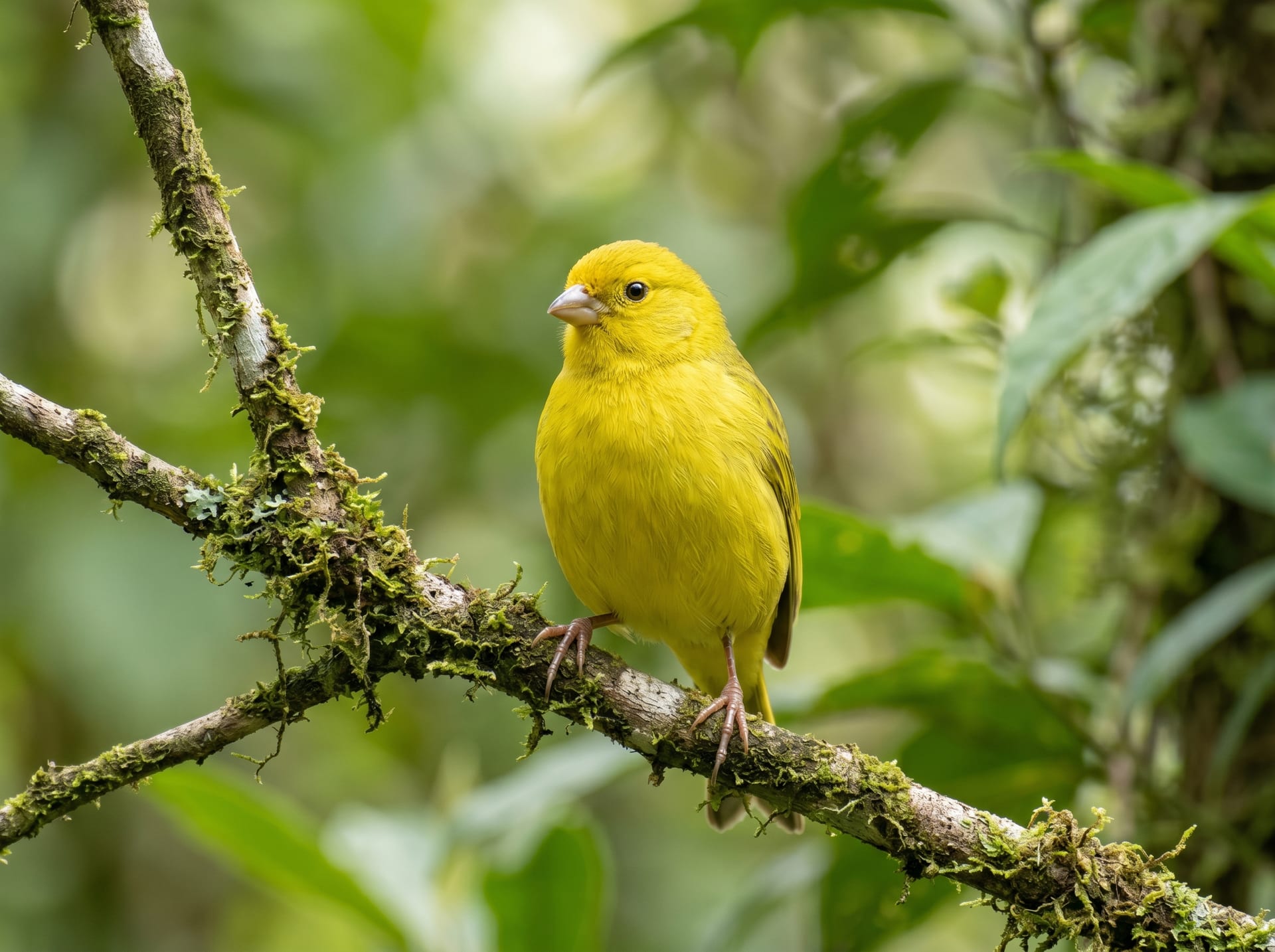
13. Canary
Difficulty: ★★☆☆☆ / Price: ¥5,000–15,000 / Length: 12–14 cm / Lifespan: 7–12 years
Call Volume: Beautiful song / Talking Ability: None
Advantages: The male's beautiful song is the main attraction. Observation-based enjoyment and listening to song. Beautiful yellow plumage.
Disadvantages: Generally not hand-tame. Song comes from males only.
Care Tips: Observation-focused care. Enjoy song in a quiet environment.
14. Golden-capped Conure
Difficulty: ★★★☆☆ / Price: ¥60,000–120,000 / Length: 30 cm / Lifespan: 20–30 years
Call Volume: Very loud / Talking Ability: Somewhat capable
Advantages: Stunning orange, yellow, and green plumage. Extremely friendly and affectionate.
Disadvantages: Very loud calls. Single-family home recommended. Expensive.
Care Tips: Soundproofing is essential. Daily out-of-cage time and interaction are important.
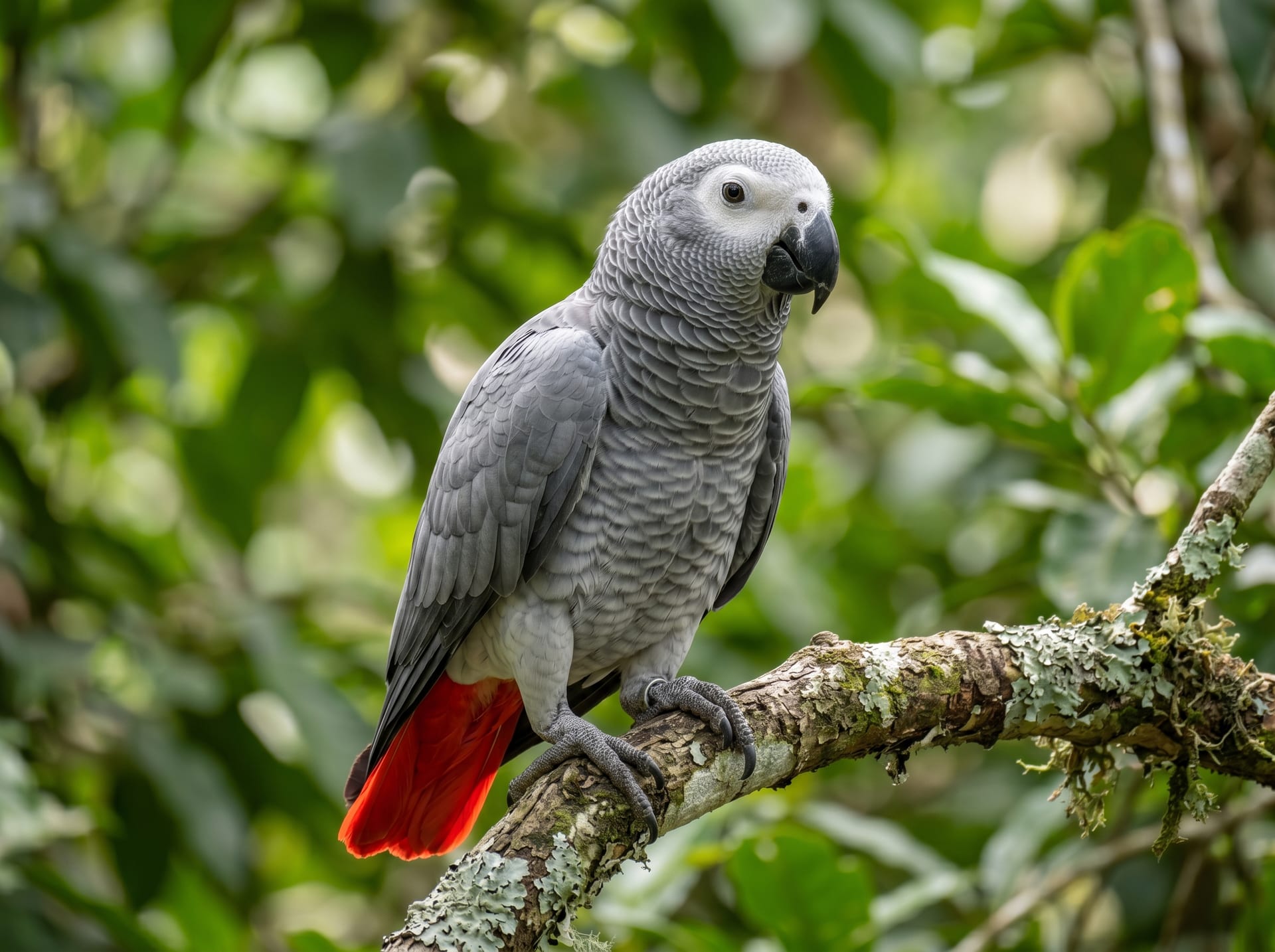
15. African Grey Parrot
Difficulty: ★★★★☆ / Price: ¥300,000–500,000 / Length: 33 cm / Lifespan: 40–60 years
Advantages: Highest intelligence and talking ability among birds. Can understand human words and hold conversations. Beautiful gray plumage.
Disadvantages: Very expensive. 40+ years lifespan is a major long-term commitment. Can develop feather plucking from stress.
Care Tips: Recommended for advanced keepers, but listed here as an aspirational goal. Emotional care is most important. Plan for long-term commitment.
Which Parakeets Are Easiest to Keep? Parakeet-Only Comparison
Most people searching for "easy-to-keep birds" actually choose among parakeets. I've extracted parakeets from the 15-species list above and reordered them by two criteria: Can it be kept in apartments? and How easily does it become hand-tame?
Parakeet Species
Call Volume
Apartment
Hand-Tame Ease
Lifespan
Price Range
Parrotlet
Soft
◎
High (especially from chick)
15–20 years
¥10,000–25,000
Pacific Parrotlet
Soft
◎
High (slow movements make handling easy)
10–15 years
¥15,000–30,000
Rosy-faced Lovebird
Soft
◎
Medium (calm but reserved)
10–15 years
¥15,000–30,000
Budgerigar
Medium
○
Very high
7–10 years
¥2,000–5,000
Peach-Faced Lovebird
Somewhat loud
△
Very high (affection is intense)
10–15 years
¥8,000–20,000
Black-capped Lovebird
Somewhat loud
△
High
10–15 years
¥8,000–20,000
Cockatiel
Somewhat loud
△
High (but contact calls are loud)
15–25 years
¥10,000–30,000
Red-capped Parrot
Somewhat loud
△
Very high
20–30 years
¥40,000–80,000
Choose one based on your goal:
I want the quietest parakeet (apartment) … Parrotlet. Very soft calls combined with good hand-tameness—a rare combination. Pacific parrotlet is a close second.
I want a hand-tame bird on a budget … Budgerigar. Both the bird and equipment are most affordable, and abundant resources make problem-solving easy.
I want a bird that bonds deeply … Peach-faced lovebird or red-capped parrot. However, contact calls are loud—apartment dwellers need soundproofing.
I want a long-lived companion … Red-capped parrot (20–30 years) or cockatiel (15–25 years). Consider your own life plans first.
Easily overlooked points in parakeet selection:
Parakeets are more likely to cause neighbor disputes from contact calling (loud vocalizing when the owner is out of sight) than from regular calls. Cockatiels, peach-faced lovebirds, and red-capped parrots are prone to this behavior. If you spend long hours away from home, choosing a species with quieter contact calls will prevent problems.
Quiet Bird Ranking for Apartments
The most concern for apartment dwellers is call volume. Among easy-to-keep birds, here's a ranking of especially quiet species suitable for apartments and condos.
Rank
Species
Volume Guide
Apartment Suitability
1st
Java Sparrow
Very soft (chirping level)
◎ Ideal
2nd
Spice Finch
Soft (beep sounds)
◎ Ideal
3rd
Bengalese Finch
Soft–medium (quiet contact calls)
◎ Suitable
4th
Parrotlet
Soft–medium (high-pitched but soft volume)
○ Suitable
5th
Budgerigar
Medium (chatty)
○ Possible with effort
6th
Canary
Medium (male song carries far)
△ Watch time of day
Java sparrows and spice finches produce virtually no call issues and are top choices for those seeking quiet birds. Conversely, cockatiel contact calls and loud calls from larger parakeets like golden-capped conures and African greys are extremely loud—apartment dwellers must consider soundproofing. All birds are most vocal in early morning and evening; using opaque covers to manage sleep schedules can reduce vocalizations.
Top 5 Tamest Birds
For those wanting birds that become hand-tame—landing on your hand, coming when called—here's a ranking. Tameness varies greatly by species and also by whether the bird was hand-raised from a chick and receives daily interaction.
Budgerigar ― High hand-taming rate; learns to talk—the classic choice
Cockatiel ― Clingy and affectionate with owners. Trusts so deeply they allow head scratching
Parrotlet ― Small but bold; readily becomes hand-tame
Bengalese Finch ― Hand-tame finches perch on shoulders or hands and won't leave
All of these become more hand-tame when raised from a chick with hand-feeding, or when given daily voice interaction and treated-hand feeding. When adopting an adult bird, build trust gradually through time.
Beginner Bird Care Setup (for Parakeets)
Equipment
Budget Guide
Notes
Cage
¥5,000–15,000
HOEI brand is standard
Perches
¥500–1,500
Natural wood recommended
Food/Water Dishes
¥500–1,000
Seed or Pellets
¥500–1,500/month
Toys
¥500–2,000
Heater
¥2,000–4,000
Winter warmth
Total
~¥9,000–25,000
Top 5 Beginner Mistakes & Solutions
To avoid regret after bringing a bird home, here are common mistakes and how to prevent them.
① Accidents During Out-of-Cage Time (Windows, Doors, Electrical Cords, Humidifiers)
An open window means escape; rotating fans, electrical cords, and contact with hazards can be fatal. Ultrasonic humidifiers are known to damage a bird's airways. Always close windows and doors and remove hazards before letting your bird out of its cage. Never take your eyes off an out-of-cage bird.
② Delayed Independence from Hand-Feeding Causing Starvation
When adopting a chick from a pet shop, transitioning from powdered food (hand-feeding) to solid seed or pellets ("weaning") is essential. Delayed weaning can cause chicks to starve because they cannot self-feed. Weigh the chick daily and manage in grams. If uncertain, consult an avian veterinarian. The Bird Health Management Guide is also helpful.
③ Inadequate Heating & Illness
Birds have small bodies and poor temperature regulation; below 20°C, they deteriorate rapidly. Chicks, elderly, and sick birds especially need warmth. Use a thermostat-controlled heater to maintain cage temperature at 25–30°C. "The bird looks healthy, so it's fine" is never reliable.
④ Buying Two Birds at Once Prevents Hand-Taming
Some people buy two birds thinking it's kinder, but birds bonded to each other reduce human dependence and often won't become hand-tame. For hand-taming, start with one bird, ensure good bonding, then consider a second.
⑤ Not Finding an Avian Vet in Advance
Health emergencies often strike at night or on weekends; searching for a vet after illness onset may be too late. Before bringing a bird home, research 2–3 local avian or bird-experienced veterinarians. Annual check-ups enable early detection. See Bird Health Check-ups & Choosing an Avian Vet for guidance.
Frequently Asked Questions (FAQ)
Q. Which birds can I keep in an apartment?
A. Bengalese finches, parrotlets, Pacific parrotlets, spice finches, Java sparrows, and rosy-faced lovebirds have soft calls and are recommended. Loud-call species like cockatiels and large parakeets require soundproofing or a single-family home.
Q. I want a talking bird—what do I choose?
A. Budgerigars are affordable. For advanced talking, red-capped and green-winged macaws; the highest level is the African grey.
Q. Can birds stay alone during travel?
A. 1–2 nights: provide extra food and water. Three or more days: arrange a pet sitter or boarding.
Q. Do birds smell?
A. Small birds have virtually no odor. Cockatiels produce powder down—not a smell, but powder dust.
Q. How long do birds live?
A. Lifespans vary greatly by species. Spice finches and Java sparrows: 5–8 years; Bengalese finches and budgerigars: 7–10 years; cockatiels: 15–25 years; African greys: 40–60+ years. Plan your entire lifespan commitment when choosing a long-lived species.
Q. Is daily out-of-cage time necessary?
A. For hand-taming, 30+ minutes daily is ideal. Without it, cage-bound birds suffer stress and boredom. However, observation-focused species like spice finches and Java sparrows don't require out-of-cage time.
Q. Pellets or seed—which is better?
A. Pellets offer better nutritional balance. However, some birds eat only seed. A "mixed diet" of seed plus pellet and vegetable supplementation is often the practical choice. If switching is difficult, ask an avian specialist.
At BreederDirect, you can purchase hand-tamed birds directly from specialist breeders. Buying from breeders rather than shops means you can confirm the bird's upbringing, parent information, and care requirements in advance. Visit the bird category to find your perfect companion.