[2026] Top 5 Bird Cages | How to Choose for Parakeets and Finches | ブリちょく
Birds| ✍️ BreederDirect Editorial
[2026] Top 5 Bird Cages | How to Choose for Parakeets and Finches
Compare bird cages for budgerigars, cockatiels, and Java sparrows. Introducing popular brands like HOEI and San-Co.
Key Takeaways
Compare bird cages for budgerigars, cockatiels, and Java sparrows. Introducing popular brands like HOEI and San-Co.
Related Species
[2026] Top 5 Bird Cages | Complete Guide to Choosing by Type and Installation Tips
When welcoming a bird home, one of the first items you need to prepare is a "bird cage." However, pet stores and online shops carry countless products, and many people find themselves unsure what criteria to use when selecting one. Making the wrong choice for a bird cage can cause stress for your bird or lead to unexpected accidents.
This article, based on the latest 2026 information, explains in easy-to-understand terms for beginners everything from size guidelines by bird type, to material safety, our top 5 recommendations, and precautions for placement. If you're looking for birds through direct breeder sales, you can also consult directly with breeders about how to choose a bird cage.
---
3 Key Points for Choosing a Bird Cage
1. Choose a size appropriate for the species
The most important factor in selecting a bird cage is "size." Since birds spend most of their day inside the cage, a cramped environment becomes a major source of stress. As a rule of thumb, the cage should be spacious enough that the bird can spread its wings without hitting anything and allow for multiple perches to be installed.
Here are the typical size guidelines by species:
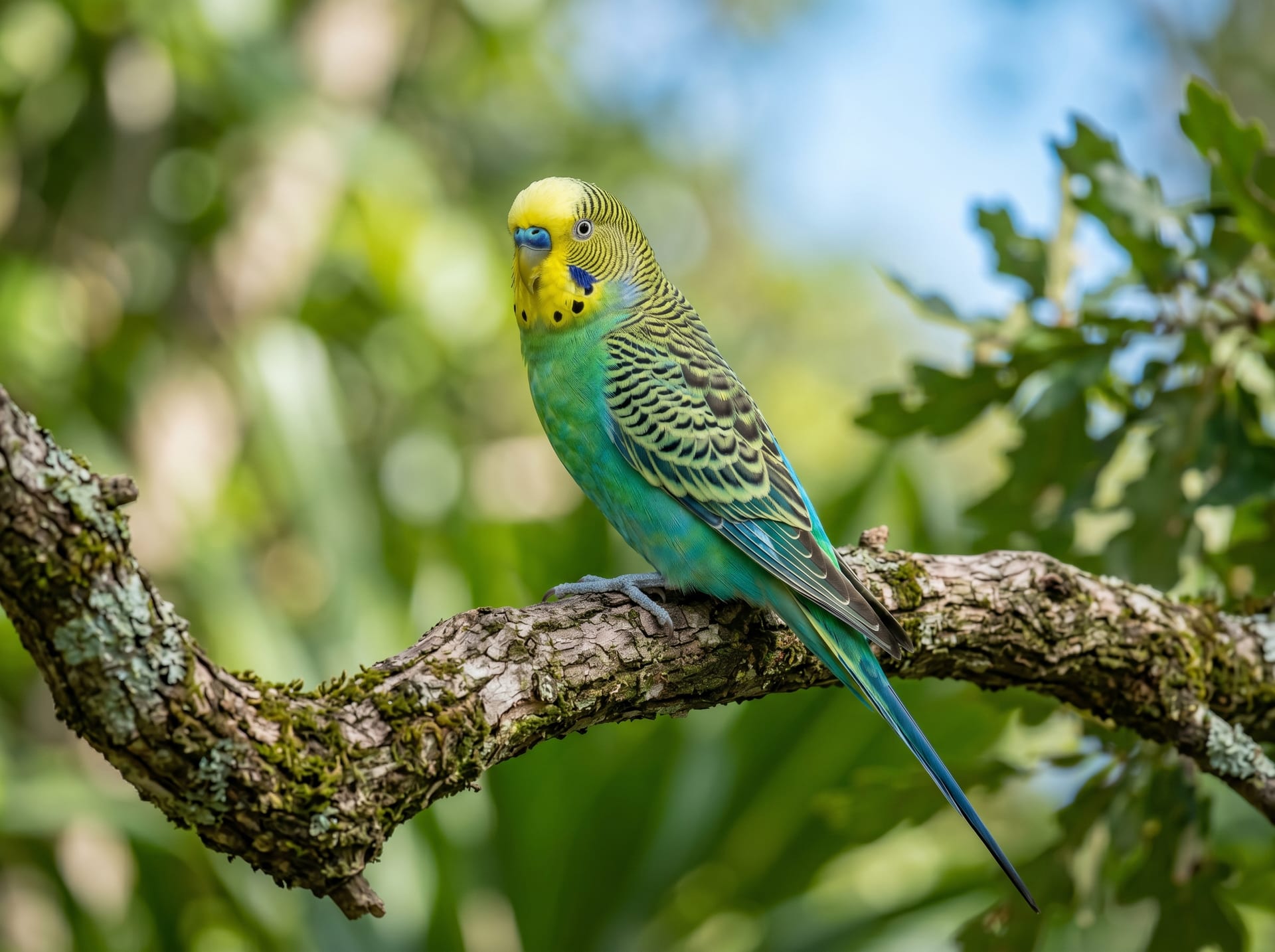
Budgerigar: Width 35 × Depth 35 × Height 40cm or more
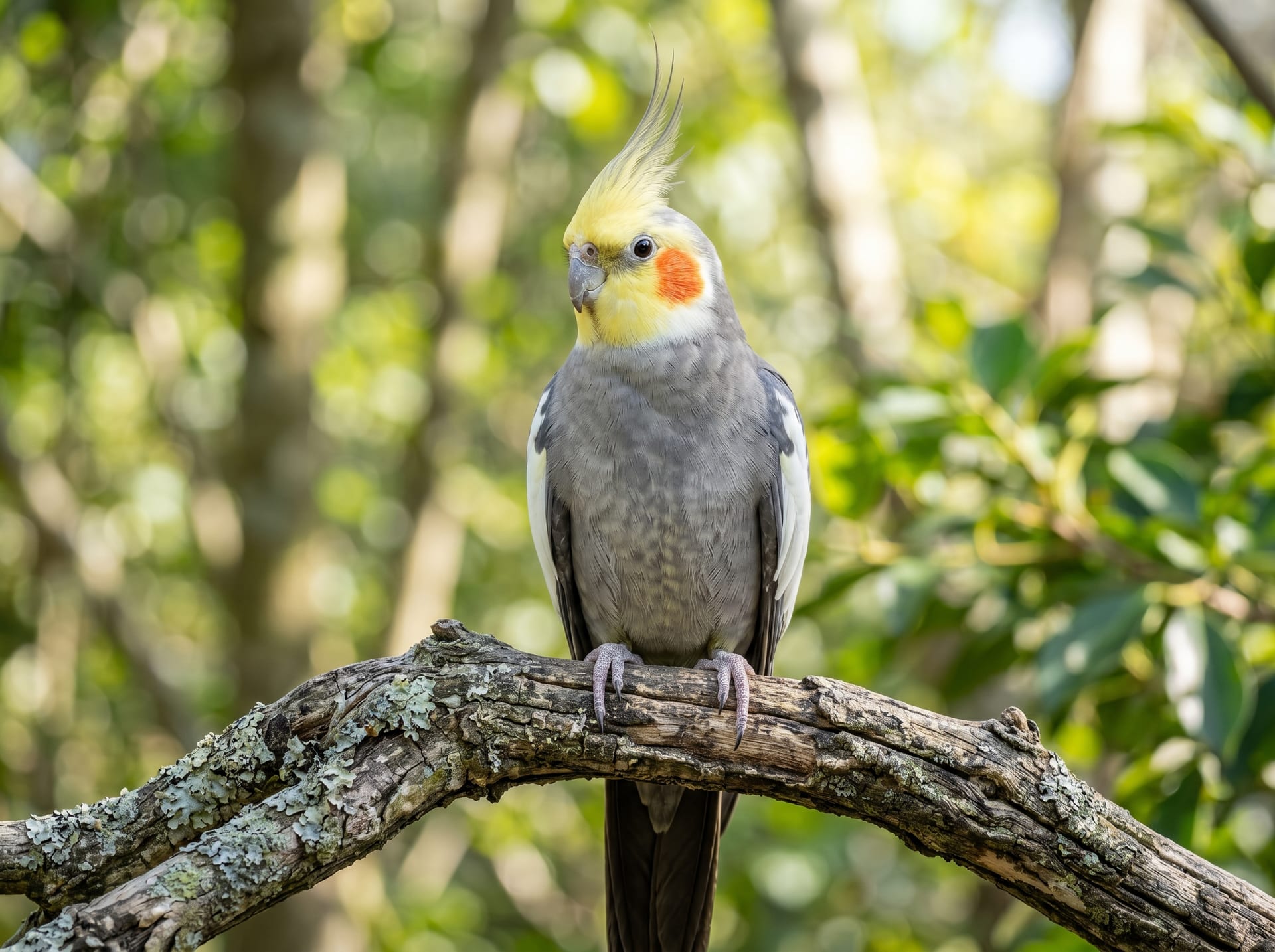
Cockatiel: Width 45 × Depth 45 × Height 60cm or more
Java Sparrow / Finch: Width 30 × Depth 30 × Height 40cm or more
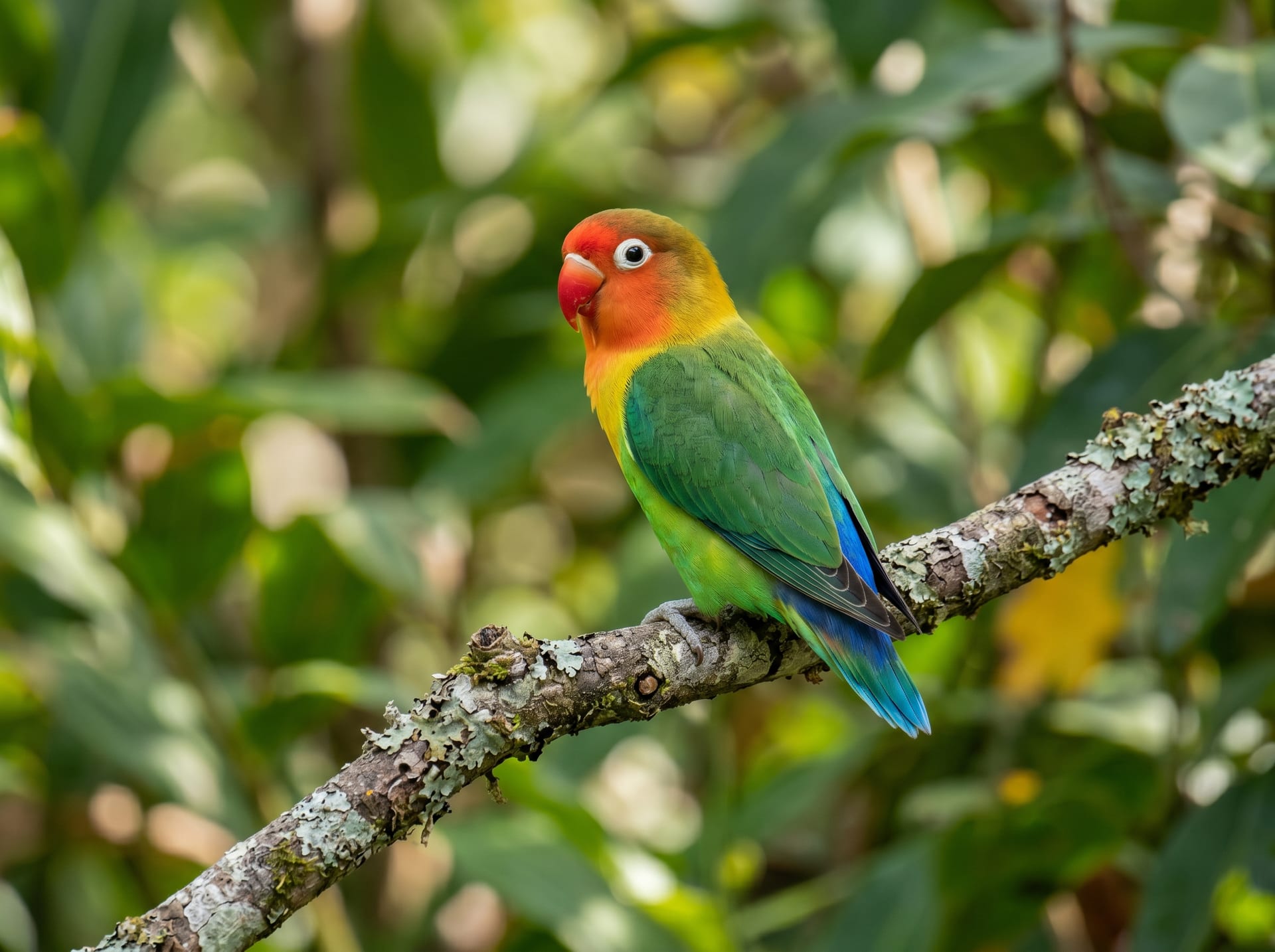
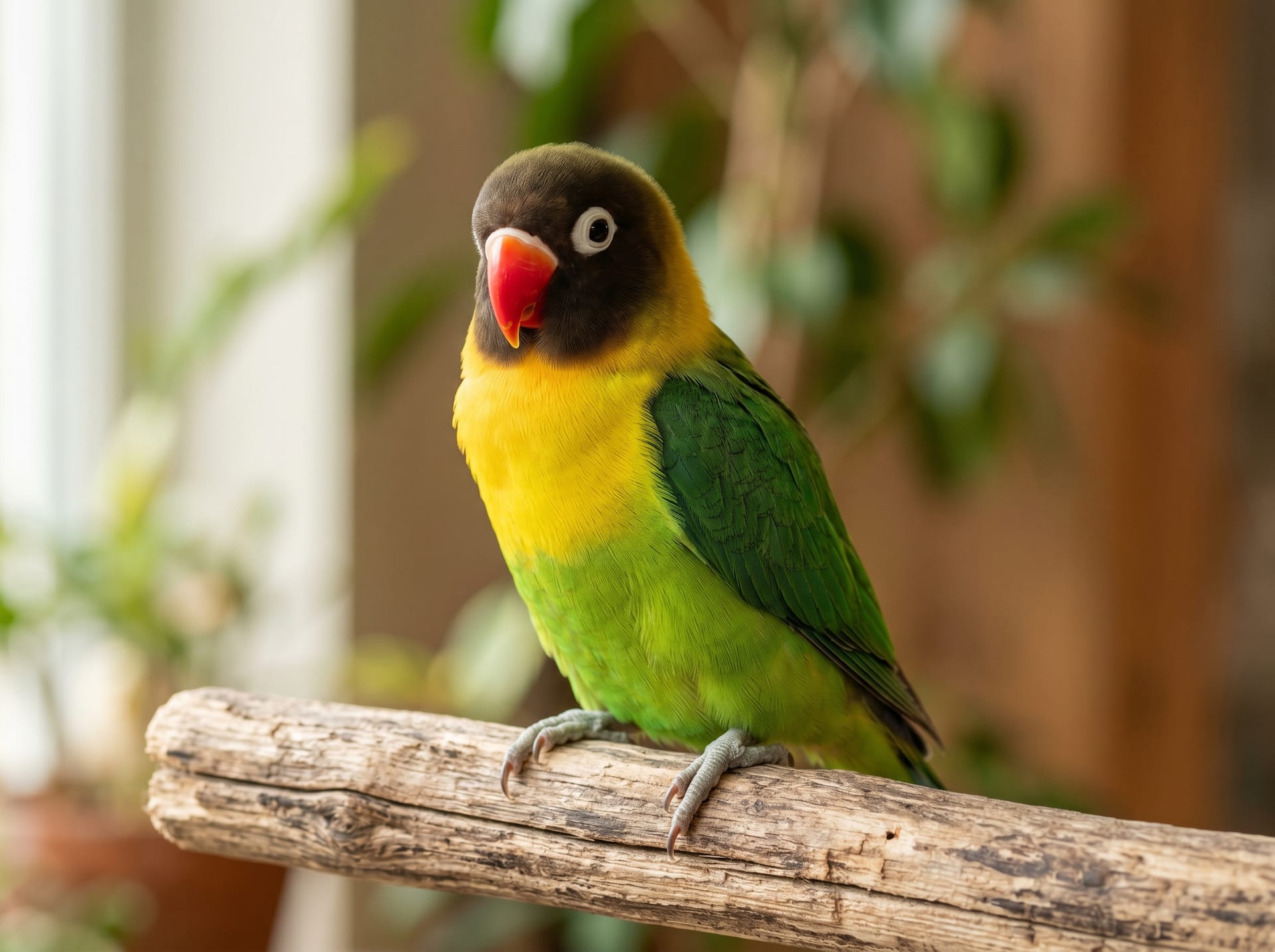
Lovebird / Parrotlet: Width 40 × Depth 40 × Height 50cm or more
While "bigger is always better" is often said, if the species has weak flying ability or is an older bird, a cage that is too large can lead to easy fatigue. Choose based on the characteristics of the bird you're keeping.
2. Check the pitch (spacing) and thickness of the wire bars
The spacing between the cage bars is called "pitch." If the pitch is too wide, small birds risk poking their heads through and getting injured or escaping. Conversely, putting a larger bird in a cage designed for small birds can result in the bird chewing and deforming the wire bars.
✍️
BreederDirect Editorial
The BreederDirect editorial team specializes in care information for animals, covering veterinary care and breeding to deliver beginner-friendly guides.
Find Birds on BreederDirect
Buy directly from verified breeders
Browse Related Listings
Find Birds listings related to this article on BreederDirect. Buy directly from verified breeders.
Related Tools
Related Articles
Browse by Category
🪸Coral
🐠Marine Fish
🐟Tropical Fish
🐡Goldfish
🐟Medaka
🦎Reptiles
Share
Small birds (Java Sparrows, Budgerigars, etc.): Pitch 10–12mm
Medium birds (Cockatiels, etc.): Pitch 15–18mm
Species with strong chewing habits: Thicker wire bars and stainless steel are recommended for safety
3. Confirm the safety of materials
Birds are naturally curious and frequently chew on the cage wire bars. For this reason, it's important that the paint and materials are harmless to the bird's body.
Major domestic manufacturers like HOEI use paints that comply with the Ministry of Health, Labour and Welfare's Food Sanitation Law, ensuring safety. On the other hand, some budget imports have unclear paint safety standards, so it's recommended to check before purchasing.
---
Top 5 Recommended Bird Cages
1. HOEI 35 Hand-Tame | The Standard Model for Budgerigars
Price guide: Around ¥5,000
A bestselling model from HOEI, which holds the top domestic market share. Measuring 35cm wide × 35cm deep × 41cm tall, it's just the right size for budgerigars and features a large front door opening. The design makes birds less likely to be frightened when practicing hand-taming, releasing, or catching them, and is easy to handle even for beginners.
The bottom tray is drawer-style, making daily cleaning smooth and easy. Since pet shops carry it widely, replacement parts are easy to obtain, which is reassuring.
---
2. HOEI 465 Parrot | For Cockatiels and Medium-Sized Birds
Price guide: Around ¥12,000
A spacious model measuring 46cm wide × 46cm deep × 61cm tall, suitable for medium-sized birds like cockatiels. The wire bars are thick and resistant to deformation even if the bird has strong chewing habits.
The door locking mechanism is robust, and it's designed so that clever birds like cockatiels can't easily open it themselves. It's valued for its high durability and long-lasting quality, and is also favored by experienced bird keepers.
---
3. San-Co Easy Home Bird 37 | The Appeal of Easy Cleaning
Price guide: Around ¥4,000
Features a pull-out plastic tray design that allows you to easily remove and rinse the tray where droppings and food debris accumulate. Highly recommended for those who prioritize daily maintenance.
With a pitch of about 10mm, it prevents escape and pinching of small birds, offering sufficient safety. Despite its affordable price, it has high functionality and is popular as a first cage for those getting birds for the first time.
---
4. HOEI 21 Hand-Tame | Compact Cage for Java Sparrows and Finches
Price guide: Around ¥3,000
A compact model designed specifically for particularly small birds like Java sparrows and finches. The wire bar pitch is narrow, ensuring safety even for small-bodied birds.
It's also suitable for those living alone or with limited space, and its simple construction makes it easy to handle. With its low price, some bird owners keep multiple cages, using them separately for cage training and for catching after free flight.
---
5. Ferplast Record 4 | Stylish Cage That Doubles as Décor
Price guide: Around ¥8,000
A high-design cage from Ferplast, an Italian pet product manufacturer. Available in calm colors like white and beige, it blends naturally into your interior.
It's also suitable for keeping multiple small birds together, such as a pair of finches or Java sparrows, and is recommended for those considering breeding. It meets European safety standards, so there are no concerns about material safety.
---
Things to Keep in Mind When Placing a Bird Cage
Where you place a bird cage directly impacts your bird's health and safety. Here are some often-overlooked points to consider after purchasing:
Place it away from the kitchen: When non-stick cookware with fluoropolymer resin (Teflon) and cooking utensils reach high temperatures, they emit a gas that can cause fatal damage to a bird's respiratory system. Never place the cage near the kitchen.
Choose a spot that doesn't receive direct sunlight: Birds have poor temperature regulation. Prolonged direct sunlight can lead to heat stroke. Even in a bright room, choose a location where sunlight doesn't fall directly.
Ensure good air circulation: Avoid stagnant air areas. However, also avoid places where air conditioning or fan air blows directly.
Be cautious about stress from predators by the window: Windows where the outside is visible can make crows and stray cats easily visible to the bird, causing significant stress. Create blind spots using curtains or other methods.
Place where the bird can sense the presence of family: Birds dislike solitude. Ideally, place the cage in a living room or similar location where it's in sight but not excessively noisy.
---
Summary
The key points for choosing a bird cage are "a size appropriate for the bird species," "appropriate pitch and wire bar thickness," and "safe materials." All five recommendations in this article are well-established products, but ultimately, it's important to choose based on the personality of the bird you're keeping and your own keeping style.
Also, pay careful attention to placement. Particularly placing it near the kitchen can lead to accidents fatal to your bird, even if it appears fine on the surface. Creating a comfortable and safe environment is the first step toward a long life together.
Whether you're welcoming a bird for the first time or are an experienced keeper, pay attention to bird cage selection and enjoy a rich life with your feathered friend. You can also consult directly with breeders about bird selection and care-related questions via br-choku's bird page.
![[2026] Top 5 Bird Cages | How to Choose for Parakeets and Finches](https://img.br-choku.com/column-images/pacific-parrotlet-care-guide/hero-1778525890954.jpg)